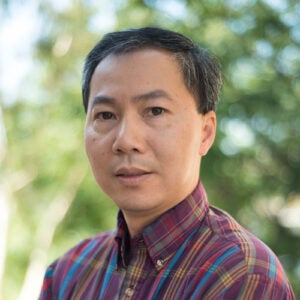
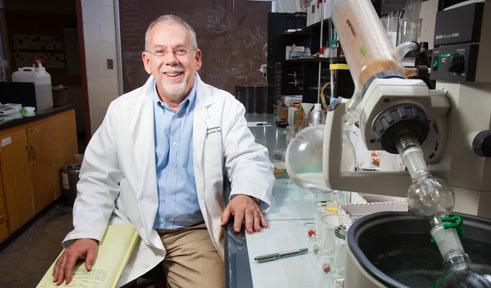
Pietro Spanu is a Professor of Molecular Plant Pathology at the Department of Life Sciences, Imperial College London, within the Faculty of Natural Sciences. His work focuses on understanding plant-pathogen interactions, particularly the genomics and molecular mechanisms of powdery mildews. He leads research into how pathogens manipulate host cellular processes and evade immune responses. Key affiliations include the Agri Futures Lab, Fungal Science Network, and Microbiome Network. His research interests span the genomics of powdery mildews, effector proteins, and host-pathogen communication via extracellular vesicles. He employs cutting-edge techniques like AI-guided discovery and transcriptomics to study pathogen virulence and host defense. Recent work highlights effector interference with endosomal complexes, RNA fragment roles in cross-kingdom signaling, and evolutionary dynamics of plant pathogens. Spanu’s contributions include groundbreaking studies on barley and wheat powdery mildews, revealing mechanisms behind fungal adaptation and virulence. His lab integrates molecular genetics, genomics, and computational biology to address agricultural challenges like crop disease resistance and food security. Collaborations span microbiome networks and interdisciplinary platforms like the Industrial Biotechnology Hub.
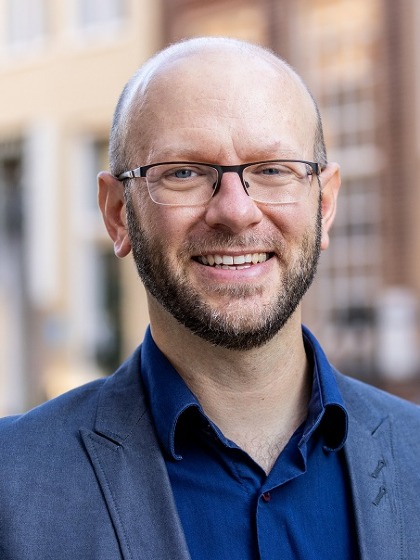
Professor Peter Z. Qin is a faculty member in the Department of Chemistry at the University of Southern California (USC), affiliated with the USC Dornsife College of Letters, Arts and Sciences. His research focuses on understanding nucleic acid recognition mechanisms, genome engineering, and CRISPR-Cas systems, employing advanced techniques like Site-Directed Spin Labeling (SDSL) and electron paramagnetic resonance (EPR) spectroscopy. Qin earned his Ph.D. from Columbia University (1999) and B.S. from Peking University (1991). Research interests include structural dynamics of nucleic acids, protein-nucleic acid interactions, and CRISPR-mediated DNA cleavage mechanisms. His work bridges physical chemistry and biochemistry, with applications in diagnostics, therapeutics, and gene editing. Notable contributions involve elucidating CRISPR-Cas9 and Cas12a mechanisms, DNA-unwinding checkpoints, and the role of bridge helices in target discrimination. Recent publications (2021–2025) emphasize CRISPR-Cas systems, DNA dynamics, EPR-based instrumentation, and molecular mechanisms of genome editing. His group develops tools like dual-mode EPR spectrometers and phosphorothioate-based RNA labeling techniques. The lab actively publishes in high-impact journals and collaborates on translational projects like CRISPR-engineered mouse models. Prof. Qin’s work is supported by grants and collaborations, though specific funding details are not listed. His lab maintains a dedicated website detailing ongoing research and methodologies.
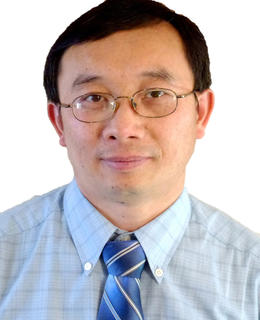
Wiktor Szymanski is a Professor of Medicinal Chemistry, Photopharmacology, and Imaging at the University of Groningen, affiliated with both the Faculty of Science and Engineering and the Faculty of Medical Sciences. He leads the SzymanskiLab, pioneering research in light-controlled therapeutics (photopharmacology) and molecular imaging. His work integrates organic chemistry, biochemistry, and medical applications to develop precision medicines activated by light. Research Focus: Design of photoswitchable molecules for drug delivery and diagnostic imaging Development of light-activated antibiotics and anticancer agents Chronophotopharmacology: light-based circadian rhythm regulation Novel PET/MRI contrast agents for clinical translation Key Achievements: ERC Synergy Grant (2023) for GRAIL consortium 2025 Pharmacy Lecturer of the Year (University of Groningen) Over 150 peer-reviewed publications Grants & Collaborations: Leadership of HTRIC Precision Medicine theme Collaborations with Hamburg Advanced Research Centre (HARBOR) European Innovation Council-funded optoacoustic imaging projects Lab Activities: Interdisciplinary training in synthetic chemistry, bioimaging, and pharmacology Active participation in international conferences (e.g., Photopharmacology Symposium series) Spin-off projects in light-controlled surgery and imaging-guided therapies
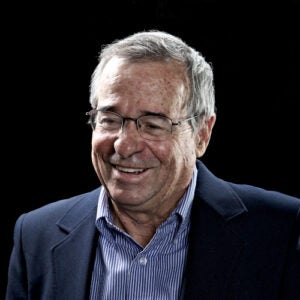
Professor Ezio Rosato is a Professor of Biology at the University of Leicester's School of Biological Sciences. His research focuses on molecular genetics of circadian rhythms, examining biological clocks across diverse organisms from insects to crustaceans. Research investigates genetic and molecular mechanisms underlying circadian timekeeping, seasonal adaptations, and light-responsive behaviors. Current projects explore cryptochrome-mediated magnetosensitivity, circadian neuronal plasticity, and environmental influences on biological timing. Recent publications analyze ultrastructural changes in clock neurons, genetic regulation of seasonal phenotypes, and evolutionary dynamics of circadian systems. His work employs molecular genetics, behavioral analysis, and comparative genomics across model organisms. Professor Rosato collaborates internationally on chronobiological research and contributes to teaching programs in genetics and molecular biology.
Dr. John J. Fitzpatrick is a Senior Lecturer in Process & Chemical Engineering at University College Cork (UCC) since 2008. He holds a PhD in Agricultural Engineering (Bioprocess Engineering) from Texas A&M University and has extensive industry experience, including roles at the National Dairy Products Research Centre and University College Dublin. His research focuses on Particle and Powder Technology, Sustainability, and Bioprocess Engineering, with notable contributions to dairy powder breakage mechanisms, sustainable process design, and engineering education reform. Education: PhD, Agricultural Engineering (Texas A&M, 1992) MSc, Food Engineering (University of Massachusetts, 1988) MSc, Teaching & Learning in Higher Education (UCC, 2008) Additional qualifications in Environmental Management and Sustainability. Research Interests: His work spans particle technology (food/dairy powders), sustainable energy systems, bioreactor optimization, and integrating ecological economics into engineering curricula. Recent projects include modeling oxygen transfer in bioreactors and analyzing carbon footprints of energy systems. Dr. Fitzpatrick has secured over €300k in research grants, including EU-funded projects on powder technology and Teagasc-supported studies on infant milk formula. He received the President’s Award for Excellence in Teaching (2006/7) and pioneered sustainability-focused educational initiatives at UCC. His 150+ peer-reviewed publications highlight interdisciplinary approaches to engineering challenges, emphasizing real-world applications and environmental stewardship. Grants & Awards: Walsh Fellowship (2018–2022) EU Research Training Network BIOPOWDERS (2004–2008) Teagasc-funded project on dairy powder breakage (2018–2022) Labs/Teams: Leads the Particle and Powder Science group at UCC, collaborating with industry partners like Teagasc and international universities. Active in curriculum development for sustainable engineering education programs.
Luke Adams is a Research Fellow in Medicinal Chemistry at Monash University's Faculty of Pharmacy and Pharmaceutical Sciences. His academic profile indicates active research spanning structural biology, chemical biology, and drug discovery with a focus on advanced spectroscopic techniques. His research interests center on NMR spectroscopy and protein-ligand interactions , with significant contributions to unnatural amino acid engineering and fragment-based drug design . Key methodologies include genetic encoding of silylated lysines, gadolinium-based EPR distance measurements, and photocaged probes for spatiotemporal control of protein function. His work bridges structural characterization with therapeutic development, particularly in epigenetic targets and enzyme mechanisms. Analysis of his publication record (2002-2025) reveals consistent output in high-impact journals including Nature Communications , Journal of the American Chemical Society , and Journal of Medicinal Chemistry . His research demonstrates strong interdisciplinary integration across biophysics , medicinal chemistry , and chemical biology , with recent emphasis on neuroinflammatory targets and bromodomain inhibitors. The work contributes to UN Sustainable Development Goals related to health and well-being. Laboratory work appears centered on protein engineering and spectroscopic methodology development, with collaborations spanning biochemistry, pharmacology, and structural biology groups at Monash University.
Dr. Chang-Chun Ling is a Professor in the Department of Chemistry at the University of Calgary, affiliated with the Arnie Charbonneau Cancer Institute. He holds a PhD from the Université de Paris Sud (1991) and completed postdoctoral research in Dublin, Paris, and Edmonton. His research focuses on bioorganic chemistry, carbohydrate-based vaccines, glycosyltransferase inhibitors, and neuroinflammation modulation. He leads projects at the Alberta Glycomics Centre targeting infectious diseases and cancer. Education: B.S. Chemistry, University of Lanzhou, 1986 PhD Chemistry, Université de Paris Sud, 1991 Research interests include carbohydrate-protein interactions, synthetic carbohydrate chemistry, and glycoconjugate vaccines. His lab explores inhibitors for tumor-associated enzymes, conjugate vaccine design, and ECM-driven neuroinflammation in multiple sclerosis and stroke. Key achievements include developing fluorinated glycans for myelin regeneration and cyclodextrin-based liquid crystal electrolytes. Notable awards include the Alberta/Pfizer Translational Research Fund Award (2013) and Alberta Ingenuity New Faculty Award (2007). Current projects involve multidisciplinary approaches to combat multidrug-resistant infections and autoimmune conditions.
Shirley Graham is a Research Fellow at the University of St Andrews School of Biology, focusing on CRISPR-Cas bacterial immune systems. Her work examines molecular mechanisms of type III CRISPR effectors, antiviral signaling pathways, and nuclease regulation. Key research areas include: Cyclic nucleotide signaling in antiviral defense Structural enzymology of CRISPR-associated nucleases CRISPR system regulation and inactivation mechanisms Bacterial-phage coevolution Recent publications characterize novel CRISPR ancillary effectors, antiviral signaling via ATP-SAM conjugation, and structural foundations of type III CRISPR complexes. Work increasingly explores therapeutic applications for antibacterial strategies and phage resistance engineering. Methodological strengths include structural biology (cryo-EM), bioinformatic discovery of defense systems, and biochemical analysis of enzyme kinetics. Research contributes to the National Center for Smart Growth and integrates computational predictions with experimental validation of immune mechanisms.
Arieh Warshel is a Distinguished Professor of Chemistry and Biochemistry at the University of Southern California’s Dornsife College of Letters, Arts and Sciences. He holds the Dana and David Dornsife Chair in Chemistry and is a Nobel Laureate in Chemistry (2013) for pioneering multiscale simulation methods for biological molecules. His work integrates quantum mechanics and molecular mechanics (QM/MM) to model enzymatic reactions and biological processes. Warshel earned a B.S. from the Technion in Israel (1966), M.S. and Ph.D. from the Weizmann Institute (1967, 1969). He joined USC in 1976 and has since led groundbreaking research in theoretical chemistry, including studies of enzyme catalysis, molecular motors, ion channels, and drug design. His research focuses on computational modeling of biological systems, emphasizing electrostatic effects, proton/electron transfer, and protein dynamics. Key contributions include the EVB (Empirical Valence Bond) method and the QM/MM approach, which revolutionized simulations of enzymatic reactions. Current projects involve multiscale modeling of G-proteins, ion pumps, and molecular machines. Warshel has authored over 500 publications, including seminal works on enzyme catalysis, electrostatic interactions, and molecular dynamics. His honors include membership in the U.S. National Academy of Sciences, the Royal Society of Chemistry’s Honorary Fellowship, and the Biophysical Society’s Founders Award. He oversees a research group with expertise in computational chemistry, mentoring postdocs like Ashim Nandi (plastic-degrading enzymes) and graduate students (e.g., Aoxuan Zhang, Lingfeng Hu). His lab uses advanced computing resources, including 38 dedicated nodes on USC’s HPC cluster, to simulate biological systems at unprecedented scales.
Tony Tiganis is a Professor in the Department of Biochemistry and Molecular Biology at Monash University, where he also serves as Laboratory Head and leads the Metabolism, Diabetes and Obesity Program at the Monash Biomedicine Discovery Institute. He holds a joint appointment as Laboratory Head at the Peter MacCallum Cancer Centre and is an Adjunct Professor at Yale School of Medicine. His multidisciplinary research focuses on protein-tyrosine-phosphatases (PTPs) and their roles in metabolism, cancer, and immunity. Ph.D. in Biochemistry, University of Melbourne (1990–1994) B.Sc. (Hons) in Pharmacology, University of Melbourne (1986–1989) Professor Tiganis’s research centers on tyrosine-phosphorylation-dependent signaling, with a focus on PTPs. His work has challenged long-standing misconceptions about PTPs being 'undruggable' and has revealed their critical roles in obesity, type 2 diabetes, cancer, and immune regulation. His lab has made seminal contributions to understanding redox balance in metabolic health, T cell tolerance mechanisms, and central control of energy balance. These discoveries have significant translational potential, including intranasal therapies for obesity and genetically engineered CAR T cells for solid tumors. His recent publications span high-impact journals such as Journal of Clinical Investigation , Nature Communications , and Cell Metabolism , highlighting trends in redox signaling, immunometabolism, and therapeutic targeting of PTPs in cancer and metabolic disease. His work is frequently cited and has garnered attention from news outlets, social media, and the pharmaceutical industry. Melbourne University Postgraduate Scholarship (1990) C.J. Martin Fellowship, NHMRC (1995) AMRAD Post-Doctoral Award (1998) St. Vincent’s Hospital Research Week, Senior Investigator Prize (1999) Deans Award in Excellence in Research (2009) NHMRC Principal Research Fellowships (2010–2015, 2016–2020) Tony Tiganis actively supervises PhD students and leads multiple research projects funded by the National Breast Cancer Foundation and Cancer Council Victoria. He serves as an editor for FEBS Journal , Molecular & Cellular Biology , and Science Advances . His lab operates the Monash Metabolic Phenotyping Facility and collaborates with clinicians and chemists on translational programs. He is also a Scientific Advisory Board Member at DepYmed Inc. and a Consultant for Regeneron Pharmaceuticals. He leads a multidisciplinary team exploring the intersection of metabolism, immunity, and cancer, with ongoing projects investigating the impact of obesity on anti-tumor immunity and phosphatase roles in cancer pathogenesis.
Stephen C. Bergmeier is a Professor in the Department of Chemistry and Biochemistry within the College of Arts and Sciences at Ohio University. His research bridges synthetic organic chemistry and biological applications, with a focus on developing novel therapeutic strategies for cancer and infectious diseases. Research Interests: His work spans three primary areas: (1) Design of glucose uptake inhibitors as anticancer agents, targeting cancer metabolism; (2) Development of small molecules that modulate RNA transcription via T-box riboswitches, offering new antibacterial strategies; and (3) Synthetic methodology involving strained heterocycles like aziridines for constructing complex nitrogen-containing ring systems. These projects highlight the synergy between method development and drug discovery. Publication Trends: His recent publications (2010–2017) reflect a consistent focus on heterocyclic synthesis, mechanism-driven drug design, and chemical biology. The articles reveal an interdisciplinary approach combining organic synthesis, molecular modeling, and biological evaluation, particularly in targeting metabolic pathways and RNA structures in disease. Scientific Awards: No awards are listed in the provided text. Advising and Grants: While specific students and grant funding are not mentioned, Dr. Bergmeier leads an active research group with collaborative projects involving Prof. X. Chen (cancer metabolism) and Prof. J. V. Hines (RNA biology), suggesting external funding and mentorship of graduate students and researchers. Labs and Teams: His research is conducted at Ohio University’s Athens Campus in the Chemistry and Biochemistry department, likely involving a research group focused on synthetic and medicinal chemistry. The work is collaborative and integrates organic synthesis with biochemical and cellular assays.
Melissa J. Moore, PhD, is Professor at the University of Massachusetts Chan Medical School, where she holds the Eleanor Eustis Farrington Chair of Cancer Research and serves in the RNA Therapeutics Institute. She also holds appointments in the T. H. Chan School of Medicine (Department of Chemical Biology) and the Morningside Graduate School of Biomedical Sciences (Departments of Biochemistry & Molecular Biotechnology, Interdisciplinary Graduate Program, and Translational Science). Additional affiliations include campus-wide programs in Bioinformatics & Integrative Biology and Chemical Biology. Education: BS in Chemistry/Biology, College of William and Mary PhD in Biological Chemistry, Massachusetts Institute of Technology Research Focus: Melissa Moore’s laboratory investigates post-transcriptional gene regulation in eukaryotes, with emphasis on three interconnected themes: (1) spliceosome structure and catalytic mechanism, (2) nuclear-to-cytoplasmic control of mRNA metabolism, and (3) quality control and clearance of defective ribosomal and messenger RNAs. The group combines biochemistry, single-molecule biophysics, RNA structural biology, and cell biology to dissect these processes at molecular and systems levels. Scientific Awards & Honors: Eleanor Eustis Farrington Chair of Cancer Research Funding & Collaborations: Work is supported by grants from the National Institutes of Health and involves ongoing collaborations with investigators at Brandeis University, MIT, University of Rochester, and other institutions. Rotation projects for graduate students are available in all active research areas. Laboratory & Team: The Moore laboratory is located in the RNA Therapeutics Institute at UMass Chan Medical School, 364 Plantation Street, Worcester, MA. The team employs state-of-the-art single-molecule imaging, mass spectrometry, and high-throughput sequencing to advance understanding of RNA biology and to translate insights into therapeutic RNA technologies.
Hans Smid is a researcher at Wageningen University & Research working in the Laboratory of Entomology. He holds a doctorate and serves as a research supervisor and collaborator on multiple projects focusing on insect behavior, particularly parasitoid wasps and their interactions with host plants and insects. Dr. Smid's research focuses on several key areas in entomology and insect neuroscience: Parasitoid wasp behavior and biological control applications Olfactory learning and memory in insects Neural mechanisms underlying insect behavior Plant-insect interactions, particularly in agricultural contexts Neuroethology of small-brained insects Brain size evolution in parasitic wasps His recent work shows a strong emphasis on understanding how insects like Pieris brassicae butterflies and Cotesia glomerata wasps use olfactory cues in their foraging and oviposition behaviors. This research has important implications for developing more sustainable agricultural practices through biological control methods, as evidenced by his 2024 publication on strawberry cultivation and parasitic wasp attraction. Dr. Smid's research has generated significant attention, with his work being picked up by 4 news outlets, posted by 9 X users, and shared on Facebook pages, indicating broad interest in his findings. His publications have accumulated readers on Mendeley and citations in Scopus. As a research supervisor, Dr. Smid has guided multiple PhD students including J. de Bruijn and J. Groothuis through their doctoral work. His collaborative approach is evident in the numerous multi-investigator projects he participates in, often working alongside colleagues like Marcel Dicke and Louise Vet. Current active projects include 'Apport, parasitic wasps as biodetectors' and 'Smart parasitoids: effective biological control.' Dr. Smid maintains an active research profile with continuous output, including multiple publications in 2024. His work bridges basic research on insect behavior with practical agricultural applications, demonstrating the real-world impact of entomological research.
Dr Betty Chung is an Associate Professor of Integrated Infection Biology at the Department of Pathology, University of Cambridge. Her research focuses on translational control of protein synthesis during host-pathogen interactions, utilizing ribosome profiling and RNA structure studies to investigate gene expression mechanisms across animal and plant pathogens. Specializes in host-pathogen interface dynamics Applies ribosome profiling and RNA sequencing technologies Investigates infection responses across multiple biological domains Key affiliations include: Co-Chair, Cambridge Infectious Diseases Member, Microbiology and Parasitology Division Collaborator with Plant Sciences and Biochemistry departments Her work bridges molecular biology, immunology, and biotechnology to develop climate-resilient pathogen countermeasures.
Professor Ian Henderson is a leading academic in the Department of Plant Sciences at the University of Cambridge, affiliated with the School of Biological Sciences. He holds the title of Professor of Genetics and Epigenetics and has been a Royal Society University Research Fellow and Gatsby Resident Fellow since 2008. Education: BA in Biological Sciences (University of Oxford, 1997-2000); PhD in Plant Genetics (John Innes Centre, 2000-2004) under Prof. Caroline Dean His research focuses on genetic and epigenetic control of meiotic recombination in plant genomes, with an emphasis on crossover frequency, chromatin interactions, and centromere evolution. His group uses model organisms like Arabidopsis thaliana , wheat, potato, and oak trees. Key trends in his recent publications include centromere genomics , epigenetic regulation of recombination , and application of long-read sequencing to resolve complex genomic regions. Collaborations with agro-biotech companies (Bayer Biosciences, Solynta) aim to translate findings into crop breeding technologies. Scientific Awards EMBO Member (2022) Society for Experimental Biology President's Medal (2013) Royal Society University Research Fellow (2008-2016) Gatsby Research Fellow (2008-2016) EMBO Long Term Fellowship (2004-2008) Professor Henderson's work bridges fundamental research on plant genome evolution with applied strategies to control recombination for climate-resilient crops. His lab employs advanced techniques including nanopore sequencing , ChIP , and high-performance computing for genome analysis.