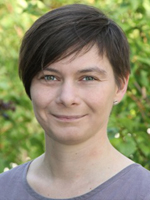
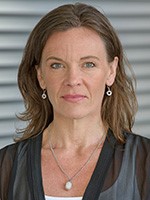
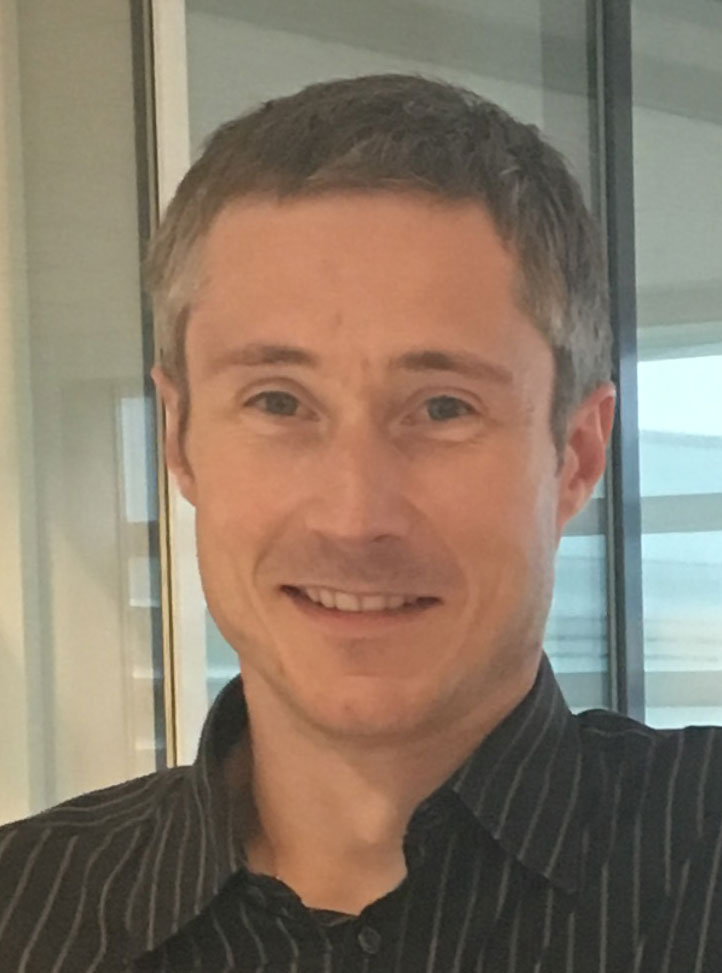
Olof Mikael Lindgren is a Professor of Physics at the Norwegian University of Science and Technology (NTNU) , Department of Physics, Faculty of Natural Sciences. Since 2003, he has led research at the Applied Optics group and Biophysics group , focusing on advanced optical spectroscopy and imaging for biomedical applications. His research spans laser-based spectroscopy, time-resolved optical techniques, and nonlinear optics. He applies these methods to study biomolecular systems, particularly in the context of amyloid diseases like Parkinson’s and Alzheimer’s, and to develop photo-dynamic therapy approaches. He also investigates hybrid organic-inorganic nanomaterials and triplet state dynamics. Recent publications highlight his work on oligothiophenes for amyloid fibril detection, BODIPY-based photosensitizers for cancer therapy, and multimodal fluorescence microscopy of protein aggregates. These studies collectively advance optical diagnostics and therapeutic strategies in life sciences. He teaches the course TFY4195 - Optics and is actively involved in outreach and academic service. His contact email is mikael.lindgren@ntnu.no , and his office is located at Realfagbygget, D4-190, Gløshaugen .
Anne Berit C. Samuelsen serves as Associate Professor at the Department of Pharmacy, University of Oslo, where she also holds the position of Head of Education. Her academic foundation includes a Cand.pharm. degree and Dr.scient. doctorate, establishing her expertise in pharmaceutical sciences. Her research centers on polysaccharides from natural sources—particularly higher plants, cereals, and fungi (Basidiomycota)—with specialized focus on β-glucans. Key interests include carbohydrate chemistry, pharmacognosy, and the development of biopolymer-based pharmaceutical applications. Her work bridges fundamental structural characterization with practical drug delivery solutions, notably through liposome coating technologies and immunomodulatory compound development. Recent publications reveal a strong trajectory in fungal polysaccharide research, particularly with Pleurotus eryngii and Albatrellus ovinus species. Her team employs advanced techniques like diffusion-ordered NMR spectroscopy to analyze polysaccharide structures while investigating biological activities related to immune receptor binding (Dectin-1, Toll-like receptors) and therapeutic applications. This work demonstrates consistent output in high-impact journals including Carbohydrate Polymers and ACS Applied Bio Materials . She actively contributes to academic instruction through courses such as FARM1150 (Pharmaceutically Oriented Biochemistry), FARM3100 (Pharmacognosy), and FARM5200 (Use of Biopolymers in Pharmaceuticals). Her leadership extends to the Bioactive Natural Substances and Health Effects (BioNatH) research group and the Glyconor Consortium, where she investigates natural product applications for health improvement.
Professor Finn-Eirik Johansen is affiliated with the University of Oslo at the Department of Biosciences (IBV) . He previously served as head of department at IBV and held leadership roles at the Center for Immunoregulation (CIR), UiO:Life Sciences, and the Faculty of Mathematics and Natural Sciences. His research focuses on comparative immunology , particularly the unique immune system of Atlantic cod and its genetic adaptations. PhD in molecular biology from Columbia University Professor at UiO since 2013 Director of UiO:Life Sciences (2016-2017) Dean of research at the Faculty of Mathematics and Natural Sciences (2017-2019) His research spans mucosal immunity , secretory immunoglobulin systems , and teleost immunology . Recent work explores genetic deficiencies in immune receptors and their compensatory mechanisms in fish. Articles highlight IgA transport , CRISPR-based genome editing in cod , and mucosal lymphoid structures in zebrafish . Teaching includes immunology at master/PhD level and molecular/cell biology for undergraduates . He co-initiated the iGEM master’s course and Norway’s participation in the International Biology Olympiad . Current work integrates synthetic biology and marine immunology .
Gaston Courtade is an Associate Professor in Biopolymer Science at the Department of Biotechnology and Food Science, Faculty of Natural Sciences, Norwegian University of Science and Technology (NTNU). He leads research in protein dynamics and interactions between proteins and carbohydrates, focusing on lytic polysaccharide monooxygenases (LPMOs) and their structural-functional relationships. His research explores enzymatic mechanisms in biopolymer degradation, particularly through Characterization of LPMO activity on crystalline and non-crystalline substrates NMR and EPR spectroscopy for protein dynamics Role of carbohydrate-binding modules (CBMs) in enzyme efficiency Development of assays for plastic-degrading enzymes Redox chemistry in enzymatic catalysis His recent publications highlight trends in LPMO engineering , PET hydrolysis , protein expression systems , and oxidative stability of enzymes , with a strong emphasis on structural and functional analysis using advanced biophysical techniques.
Ida-Johanne Jensen is Associate Professor at the Department of Biotechnology and Food Science, Faculty of Natural Sciences, Norwegian University of Science and Technology (NTNU). Her work integrates food science, marine biotechnology and sustainability to valorise marine resources, improve food quality and develop novel functional products. Education & Doctoral Training Dr Jensen obtained her PhD from UiT The Arctic University of Norway (UiT Norges arktiske universitet) in 2014 with the dissertation "Health benefits of seafood consumption – with special focus on household preparations and bioactivity in animal models" , laying the foundation for her expertise in seafood bioactivity and nutrition. Research Interests Her research agenda centres on: Protein chemistry and functionality of marine raw materials and side-streams (brewer’s spent grain, sea cucumber, fish proteins). Development of functional foods and nutraceuticals with antihypertensive, antioxidative and cardioprotective properties. Sensory and technological quality optimisation of foods for extreme environments (military rations, Arctic field meals). Smart packaging and intelligent freshness indicators using natural colorants (anthocyanin-based hydrogel beads). Life-cycle assessment and environmental sustainability of aquaculture and fisheries. Publication Trends Jensen has an extensive publication record (>60 papers since 2009). Recent work (2023–2025) demonstrates a clear pivot towards valorisation of underutilised marine resources (sea cucumbers, brewer’s spent grain) and application-oriented food engineering (freeze-drying, microencapsulation, jerky processing). Reviews on military rations and marine antihypertensive peptides highlight her translational focus on human health and performance. Scientific Awards & Recognition No specific awards are listed in the provided material; however, sustained high-output publication in top-tier journals ( Food Chemistry , npj Science of Food , Marine Drugs ) attests to strong peer recognition. Student Supervision & Grants She has supervised numerous master’s students at NTNU on topics ranging from Arctic field-ration development to protein extraction from brewer’s spent grain, indicating robust external funding and industry collaboration. Laboratories & Collaborations Research is conducted within NTNU’s Department of Biotechnology and Food Science laboratories, with active collaborations across Europe and the Indian Ocean region for marine resource assessments.
Aurora Martinez is a Professor in the Department of Biomedicine at the University of Bergen, Faculty of Medicine. She leads the Biorecognition research group, focusing on the structural and functional aspects of biomolecules in neurometabolic disorders such as phenylketonuria (PKU) and dopamine synthesis defects. She is also a partner in the KG Jebsen Centre for Neuropsychiatric Disorders and a Toppforsk-funded project on the Arc protein, a master regulator of synaptic plasticity. Position: Professor Institution: University of Bergen Department: Department of Biomedicine Research Group: Biorecognition Email: aurora.martinez@uib.no Her research integrates structural biology, molecular recognition, and drug discovery to develop therapeutic strategies for genetic and neurodegenerative diseases. Key areas include tyrosine hydroxylase regulation, mitochondrial dysfunction in dopaminergic cells, and neurotransmitter transport mechanisms. She employs biochemical, cellular, and computational approaches to understand disease mechanisms and identify novel therapeutics. The recent publications (2023–2025) reflect a strong trend toward understanding dopamine-related pathways, protein stabilization, and therapeutic interventions in Parkinsonism and related disorders. Themes include chaperone-mediated protein stabilization, high-throughput screening for VMAT2 modulators, and computational tools for drug discovery. The work combines experimental validation with translational applications in neurodegenerative models. She has supervised multiple Master’s students, including Md. Ekhtear Mahmud, Sofie Breisnes Wormdahl, and Kristine Kippersund Brokstad, indicating active mentorship and training roles. Her involvement in large-scale collaborative projects highlights leadership and interdisciplinary engagement. While no specific awards are listed, her participation in prestigious programs like Toppforsk and the KG Jebsen Centre underscores recognition and funding success. She has no listed grants explicitly, but project affiliations suggest competitive funding support. Her research group maintains strong technical capabilities in protein analysis, cellular screening, and structural modeling. The Martinez Lab is actively involved in both fundamental and applied research, with future directions likely to expand into gene therapy, precision medicine for metabolic disorders, and neuroprotective strategies.
John Beck Jensen is an Associate Professor in the Department of Arctic and Marine Biology at UiT The Arctic University of Norway in Tromsø. His research focuses on microbial ecology, plant-microbe interactions, and marine biology, with particular emphasis on bacterial metabolism and symbiosis in Arctic environments. His primary research interests include: Microbial ecology of Arctic and marine environments Plant-microbe symbiotic relationships Bacterial metabolism, particularly trehalose utilization Fungal endophytes in plant systems Bioremediation of oil-contaminated marine environments Plant physiology and stress responses Dr. Jensen's publication record demonstrates a strong focus on bacterial-plant interactions, with particular attention to trehalose metabolism in rhizobia and its role in symbiosis with legume plants. His more recent work has expanded into marine microbial ecology, examining cyanobacteria and bacterial communities in oil-contaminated waters of the Barents Sea. His research often bridges fundamental microbiology with practical applications in bioremediation and sustainable agriculture. He is an active member of the Microorganisms and Plants research group at UiT and teaches Cell and Molecular Biology (MBI-1002). His laboratory is located in Biologibygget 2.038 in Tromsø.
Ingrid Hobæk Haff is an Associate Professor in insurance mathematics and statistics at the Department of Mathematics, University of Oslo since 2015. She holds a master's degree in Industrial Mathematics from NTNU (2002) and a PhD from the Statistics for Innovation center (2008–2012), with a 20% position as a research scientist at the Norwegian Computing Centre. Previously, she worked there as a research scientist and senior scientist. Her research interests focus on multivariate statistics, copulae, skew and heavy-tailed distributions, and applications in insurance and finance. She has contributed to advancements in statistical modeling, particularly in copula constructions and their applications to risk assessment and extreme value analysis. Key awards include the Sverdrup award for young scientists and the mathematical award of Hanna og John Olav Stubban . She is affiliated with the Statistics and Data Science research group and the completed Stochastics of Renewable Energy Markets (STORE) project. Her work spans interdisciplinary collaborations, including applications in immunology and bioinformatics, leveraging machine learning for antibody-antigen interaction studies and synthetic data generation.
Kjetil Wessel Andressen is an Associate Professor in the Department of Pharmacology at the Faculty of Medicine, University of Oslo. He is actively involved in research on heart failure, cellular signal transduction, and the development of new pharmacological targets for HFrEF and HFpEF. His work integrates molecular pharmacology, biosensor technology, and cardiac physiology. Andressen holds a Cand. Pharm. (2002) and a PhD (2008), both from the University of Oslo. His research focuses on GPCR signaling, cAMP and cGMP dynamics, and compartmentalized signaling in cardiomyocytes, with an emphasis on natriuretic peptides and phosphodiesterase regulation. He has developed and applied FRET-based biosensors to visualize real-time signaling events. His recent publications reveal a strong trend in understanding spatial organization of cyclic nucleotide signaling in cardiac cells, particularly in disease states. His work bridges molecular mechanisms with therapeutic implications in heart failure and receptor pharmacology. Member, Norwegian Society for Pharmacology and Toxicology Leader of Section of Pharmacology (2012–2016) Scientific Awards: No specific awards mentioned in the provided text. He advises no listed students but collaborates extensively with national and international researchers, including those from Oxford, Hamburg, Baylor College of Medicine, and Karolinska Institutet. He is involved in the Center for Heart Failure Research at Oslo University Hospital (OUS) and leads research groups on compartmentation of cardiac signaling and receptor pharmacology.
Hans-Petter Hersleth is a Senior Lecturer and group leader at the University of Oslo's Department of Biosciences, Section for Biochemistry and Molecular Biology. He leads the Structural Redox Enzymology (ROX) group, which focuses on understanding the structure and function of redox enzyme systems through protein crystallography, enzyme kinetics, binding studies, and spectroscopy. Dr. Hersleth earned his Cand. mag. in Mathematics, Physics and Chemistry from the University of Oslo (1995-1998), followed by a Cand. scient. in Physical Chemistry (Crystallography) (1998-2000), and completed his Dr. scient. (PhD) in Protein Crystallography (2000-2007) at the University of Oslo's Department of Chemistry. His research interests span structural biology, protein structure and function, enzymology, protein crystallography, and spectroscopy. The ROX group investigates redox enzymes that use various cofactors including heme, flavins, and thiol-based systems. Specific research areas include low molecular weight thiols in bacterial defense mechanisms, ribonucleotide reductase systems, and flavin-based oxidoreductases. The group employs a multidisciplinary approach combining X-ray and neutron crystallography with various spectroscopic techniques to understand these enzymes at molecular and electronic levels. His recent publications demonstrate expertise in structural characterization of redox enzymes, particularly focusing on bacterial systems like Bacillus cereus. The research shows strong trends in protein crystallography of flavin-dependent enzymes, thiol-based redox systems, and bacterial defense mechanisms against oxidative stress. "Den Gyldne Laserpeker" as best lecturer (2020) "Den Gyldne Laserpeker" as best lecturer (2015) Norsk Hydros pris for fremragende studieresultater i kjemi (1999) Dr. Hersleth has supervised numerous Master's and PhD students, including Ingvild Gudim, Inger K. Olsbu, Marta Hammerstad, and Marie Lofstad. His group receives funding for research on bacterial redox defense systems and metal homeostasis, with potential applications in antimicrobial target discovery. The ROX group is also part of the UiO Structural Biology Core Facilities, providing expertise in structural biology to the broader research community. The Structural Redox Enzymology group operates as a dynamic research team investigating fundamental biochemical processes with implications for understanding bacterial pathogenesis and developing new antimicrobial strategies. The group collaborates extensively both nationally and internationally, with members including Marta Hammerstad, Niels Højmark Andersen, Marthe Sofie Lindahl Karlsen, and Matias Aracena-Solem.
Manuela Zucknick is Professor and Director of the Oslo Centre for Biostatistics and Epidemiology at the University of Oslo's Faculty of Medicine, Department of Biostatistics. Her research integrates statistical learning with translational cancer research to advance personalized medicine through multi-omics data integration. PhD Biostatistics, Imperial College London (2008) MSc Bioinformatics, Imperial College London (2004) Diplom Statistik, University of Dortmund (2003) Her research focuses on Bayesian methods for integrating heterogeneous data sources in cancer research, particularly for drug response prediction in pharmacogenomic screens and patient prognosis. She develops structured high-dimensional regression models for 'large p, small n' problems in molecular medicine, with emphasis on incorporating prior biological knowledge into risk prediction frameworks. Her work bridges statistical methodology with clinical applications in personalized cancer therapies. Her recent publications demonstrate consistent contributions to multi-omics integration and survival modeling across diverse clinical contexts including cancer, pregnancy complications, and rheumatoid arthritis. The research shows strong methodological innovation in handling high-dimensional biological data while maintaining clinical relevance. Through the Oslo Centre for Biostatistics and Epidemiology, she leads collaborative projects spanning oncology, obstetrics, and rheumatology. Her work frequently involves designing statistical frameworks for pharmacogenomic screens and developing tools for biomarker discovery in complex disease settings.
Trine Eker Christoffersen is the Acting Pro-Rector for Research and Director of Research at Østfold University College , holding strategic leadership roles from 2024 to 2025. She has a PhD in Biochemistry from the University of Oslo and holds higher degrees from Imperial College London and the University of Leeds. Education PhD, Biochemistry, University of Oslo (2007) MSc, Biochemical Research, Imperial College London (1999) BSc (Hons), Biotechnology, University of Leeds (1997) BSc, Chemical Engineering, Østfold University College (1995) Her research focuses on cell biology, microbiology, and immunology , particularly on bacteria-host interactions, probiotics, and intracellular signaling . She has contributed to understanding how non-commensal bacteria affect intestinal immunity and the functional diversity of growth factors. While her recent articles trend toward probiotic mechanisms, intestinal health, and cellular interactions , she also explores educational innovation and medical biochemistry . Her work includes collaborations with institutions like the University of Sydney and the University of Oslo. She leads initiatives in institutional research strategy and serves on committees like the Central PhD Committee and the Research Ethics Advisory Board.
Pierre Chymkowitch is an Associate Professor at the University of Oslo , affiliated with the Section for Biochemistry and Molecular Biology . His research focuses on the transcriptional and epigenetic regulation of cell fate and the dynamics of SUMOylation in chromatin remodeling during adipocyte differentiation . He employs advanced techniques such as ChIP-seq, RNA-seq, and confocal microscopy to study human and murine adipose stem cells, linking these mechanisms to obesity-related diseases like diabetes and cancer. Academic Rank: Associate Professor Institution: University of Oslo Section: Biochemistry and Molecular Biology Email: pierre.chymkowitch@ibv.uio.no Research Interests Transcriptional regulation in cellular differentiation SUMOylation-mediated chromatin dynamics Adipose tissue biology and obesity-related diseases Cell cycle and transcriptional homeostasis Epigenetic mechanisms in carcinogenesis Publication Trends Chymkowitch's recent work (2025) explores SUMOylation inhibition as a therapeutic target for metabolic disorders via TAK-981. Earlier studies (2023-2011) span mitotic chromatin resetting , Cdk1 regulation of transcription , and sumoylation in ribosomal gene expression , with a strong emphasis on interdisciplinary approaches bridging molecular biology and clinical applications. Laboratory & Team He leads the Chymkowitch group at the University of Oslo, collaborating on high-throughput genomic methods and classical biochemistry to unravel SUMOylation networks in developmental and disease contexts.
Fergal O'Farrell is an Associate Professor and research group leader at the University of Bergen's Department of Biological Sciences. His work focuses on modeling human cancer progression using Drosophila melanogaster with particular emphasis on Ret proto-oncogene signaling and epithelial integrity mechanisms. He received his Ph.D. in Cell and Molecular Biology from Karolinska Institute (2008) following research on Drosophila peripheral nervous system development. Ph.D. in Cell and Molecular Biology, Karolinska Institute (2008) Postdoctoral work at Wenner Gren Institute/Stockholm University Subsequent research at Oslo Cancer Institute Dr. O'Farrell's research investigates: Metastatic mechanisms in Drosophila Ret-tumor models LKB1's contextual oncogene behavior through vesicle trafficking Host autophagy's role in tumor growth and organ wasting Non-autonomous signaling between tumor cells and surrounding tissue Development of cancer prevention strategies through microenvironment manipulation Functional orthology between fly and human disease genes His research trends indicate strong focus on: Autophagy's dual role in tumor progression Receptor Tyrosine Kinase signaling pathways Genetic and pharmacological interventions in cancer models Translational applications of Drosophila research Scientific support includes: Norwegian Cancer Society personal funding CanCell SFF Center of Excellence resources Norwegian Research Council grant (2021) Teaching responsibilities at BIO include MOL200 Biochemistry and MOL213 Developmental Genetics . His lab maintains active collaborations through RDMM-Europe for Peutz-Jeghers syndrome research.
Professor Johan Mattias Isaksson leads the UiT NMR Laboratory and manages the Norwegian NMR Platform (NNP) node and the SmallStruct analytical platform at the Department of Pharmacy, UiT The Arctic University of Norway . He teaches Medicinal Chemistry (FAR-2301) , Advanced Pharmaceutical Chemistry (FAR-3301) , and NMR Spectroscopy (KJE-3303/8303) , integrating cutting-edge methods into his courses. His research focuses on natural products chemistry and medicinal chemistry , leveraging marine organisms (e.g., Arctic fungi, bacteria, sponges) to discover antibacterial and anticancer agents . His work combines NMR spectroscopy , metabolomics , and computational modeling to characterize compound structures and interactions with biomembranes . Recent studies highlight his team's discovery of novel antibacterial sesterterpenes (2025), dUTPase inhibitors for cancer (2024), and σ-factor engineering approaches in Actinoplanes sp. (2024). He also develops membrane model systems to study multi-resistant bacteria via techniques like microscale thermophoresis and Vibrational Circular Dichroism . Professor Isaksson collaborates with international researchers and contributes to projects like Lead-to-drug development of amphipathic scaffolds (LEADScAMR) and bacterial membrane mimetics . His publications span journals such as Journal of Natural Products , Marine Drugs , and Journal of Medicinal Chemistry , emphasizing marine biotechnology and antimicrobial resistance solutions.