Sandra Gemma is an Associate Professor at the University of Siena's Department of Biotechnology, Chemistry and Pharmacy. Her research focuses on medicinal chemistry approaches for developing therapeutics against infectious diseases, cancer, and fibrotic conditions. She specializes in structure-based drug design targeting viral proteases (including SARS-CoV-2 and monkeypox), parasitic enzymes (trypanothione reductase in Leishmania), and bacterial quorum sensing mechanisms in ESKAPE pathogens. Her research integrates: Design and synthesis of enzyme inhibitors (HDACs, proteases, reductases) Development of epigenetic modulators for oncology and retinal diseases Exploration of natural products for wound healing and anti-infective applications Medicinal chemistry optimization of heterocyclic scaffolds (quinolones, quinazolines, spiroindolines) Publication analysis reveals strong focus on: Targeted protein degradation (PROTACs) and covalent inhibitors Multi-target epigenetic modulators for fibrosis and leukemia Structure-guided optimization of antiviral and antiparasitic compounds Translational applications of natural product derivatives She advises pharmacy students on experimental theses covering antiviral synthesis, anti-leishmanial agents, and quorum sensing disruptors. No funded grants or awards were documented in available materials.
Rudi D'Hooge is a Paid Guest Professor in the Department of Psychology at Vrije Universiteit Brussel, focusing on interdisciplinary neuroscience and psychological research. His work bridges cognitive and behavioral studies with neurobiological mechanisms, particularly in rodent models. Research interests include Spatial and reversal learning Neuronal plasticity and Alzheimer's disease models Cognitive effects of chemotherapy drugs like methotrexate Microglial function in neuroinflammation Pharmacological modulation of learning tasks . Recent publications highlight expertise in functional brain connectivity, neurodegenerative models, and cognitive toxicology. Collaborations span neuroimaging, behavioral neuroscience, and neuroimmunology domains. Scientific impact metrics include a Scopus h-index of 24 and 1,840 citations. Research outputs (63 total) emphasize mouse models for studying cognition and brain pathology.
Mario V. Zlatovic is a Full Professor at the Faculty of Chemistry, University of Belgrade , specializing in Natural Products Chemistry, Computational Chemistry, and Medical Chemistry. He has held various academic roles since 1988 and currently teaches courses on Chemical Bonding, Molecular Modeling, and Organic Chemistry. Born: 7 April 1963, Šibenik, Croatia Languages: Serbian (native), English, Russian, Croatian Research Focus: His work explores non-covalent interactions in proteins and small molecules, particularly in superoxide dismutases and anion-π systems . He designs antimicrobial and antimalarial agents, emphasizing structure-based drug design and 3D-QSAR analysis . Scientific Contributions: Over 15 years, his publications span materials science (DFT calculations), enzyme inhibition (α-glucosidase), and marine bioconjugates. He combines computational methods with experimental validation in drug discovery. Fulbright Fellow (2009-2010) at National Cancer Institute, USA Supervisor of HemNet (2020-present) Member of Faculty Council and Examination Recognition Commission Teaching: Offers courses on Molecular Modeling, Chemical Informatics, and Project Management. His educational work includes a 2015 publication on homology modeling pedagogy.
Dr. Sebastian Ahnert is an Associate Professor at the Department of Chemical Engineering and Biotechnology, University of Cambridge, and a Senior Research Fellow at The Alan Turing Institute. He leads the Structural Complexity research group and is a Fellow of King's College, Cambridge. Current Positions: Associate Professor (Cambridge), Senior Research Fellow (Alan Turing Institute), Fellow (King's College) Research Interests: Algorithmic information theory, network analysis, genotype-phenotype maps, interdisciplinary applications in biology, humanities, and food science His work spans the quantification of biological complexity using algorithmic descriptions, including protein quaternary structure classification , RNA sequence-structure maps , and symmetry in evolutionary systems . Network analysis applications extend to historical correspondence (Tudor Networks of Power), food science (flavor compound networks), and connectomes . Recent publications emphasize non-deterministic genotype-phenotype maps , neutral set thermodynamics , and automated phenotyping technologies. Award highlights: 2024 Richard Deswarte Prize in Digital History Shortlisted for 2024 SHARP Book History Prize Current students include PhD candidates in computational biology and plant science, with former advisees contributing to RNA evolution and network analysis studies. Collaborations span quantum physics, plant developmental biology, neuroscience, and digital humanities.
Jane M. Liu is a Professor of Chemistry and Vice Chair of the Chemistry Department at Pomona College, where she has been a faculty member since 2012. She also serves as an Institute for Inclusive Excellence (IIE) Faculty Fellow for 2025-2026. Her work bridges molecular microbiology and chemical biology, with a focus on bacterial pathogenesis and science education. As an active researcher and educator, she directs the Liu Lab, which investigates gene regulation in bacteria while simultaneously developing innovative educational approaches to increase equity and inclusion in science classrooms. Dr. Liu's educational background includes: Post-Doc at Tufts University School of Medicine Ph.D. from Harvard University B.A. from Swarthmore College Her research interests center on understanding how the bacterial pathogen Vibrio cholerae senses environmental cues and regulates gene expression to survive and cause disease. Specifically, she investigates the roles of regulatory proteins and non-coding RNAs in bacterial metabolism and pathogenesis. Complementing her microbiology work, Dr. Liu has developed a robust educational research program focused on how students engage with scientific literature and interventions to increase equity in science education. Her lab creates novel genetic systems and educational tools, including augmented reality applications for biochemistry education. Dr. Liu's publication record demonstrates a dual trajectory of research in bacterial gene regulation and science education innovation. Her scientific papers primarily examine Vibrio cholerae's response to nutrient changes, revealing intricate regulatory networks involving transcription factors and non-coding RNAs. Simultaneously, her educational scholarship develops and assesses teaching methods that integrate social justice themes into science curricula and create engaging learning tools like augmented reality applications for macromolecular visualization. This dual focus reflects her commitment to both advancing scientific knowledge and transforming how science is taught and experienced. Her significant honors include: Wig Distinguished Professor Award for Excellence in Teaching (2015, 2020) National Institutes of Health Academic Research Enhancement Award (2010, 2014, 2019) Henry Dreyfus Teacher-Scholar Award (2016) National Science Foundation CAREER Award (2012) National Institutes of Health TEACRS Postdoctoral Fellowship (2006) National Science Foundation Graduate Research Fellowship (2002) As an advisor, Dr. Liu mentors undergraduate researchers through the Liu Lab, where students gain hands-on experience in molecular biology techniques while developing scientific thinking skills. Her NIH and NSF-funded research supports multiple student researchers each year, providing opportunities for conference presentations and co-authorship on publications. Dr. Liu emphasizes creating a lab environment that values evidence-based science, safety, respect, and accountability, with a strong commitment to diversity, equity, and inclusion. She encourages students to pursue fellowships like Fulbright and Watson and prepares them for graduate programs and diverse career paths. The Liu Lab operates as a collaborative research community committed to both scientific discovery and educational innovation. Lab members investigate gene regulation in Vibrio cholerae while developing novel educational tools and approaches. The lab's values emphasize evidence-based science, safety, respect, and accountability, with explicit commitments to diversity and anti-racism. Through partnerships like BRT Biotechnologies, the lab provides students with additional research opportunities. The lab's structured mentoring approach includes regular meetings, electronic lab notebooks, and clear protocols to ensure both scientific rigor and student development.
Wei Wang is the Leonard Kleinrock Chair Professor in Computer Science and Computational Medicine at University of California, Los Angeles (UCLA) , and the founding Director of the Scalable Analytics Institute (ScAI) . She is also a core faculty member of the UCLA Jonsson Comprehensive Cancer Center, Institute for Quantitative and Computational Biology, and Bioinformatics Interdepartmental Graduate Program. Education: Ph.D. in Computer Science, UCLA (1999) M.S. in Systems Science and Industrial Engineering, SUNY at Binghamton (1995) Research Interests: Dr. Wang’s research spans big data analytics , machine learning , data mining , natural language processing , bioinformatics , computational biology , and AI for science . Her work focuses on designing scalable algorithms for complex pattern discovery in large-scale, heterogeneous data, with applications in medicine, genomics, and scientific discovery. Scientific Awards & Honors: ACM Fellow (2020) IEEE Fellow (2022) NSF CAREER Award (2005) Microsoft Research New Faculty Fellow (2005) Phillip and Ruth Hettleman Prize (2007) Okawa Foundation Research Award (2013) ACM SIGKDD Service Award (2016) IEEE ICDM Outstanding Service Award (2012) IBM Invention Achievement Awards (2000, 2001) Multiple Best Paper Awards at SIGKDD, ICDE, and ACM BCB Advising & Research Team: Dr. Wang currently advises 15 PhD students and 1 postdoctoral fellow . Her lab focuses on AI-driven scientific discovery, scalable analytics, and interdisciplinary applications in biomedicine and materials science. Labs & Institutes: Director, Scalable Analytics Institute (ScAI) , UCLA Member, UCLA Jonsson Comprehensive Cancer Center Member, Institute for Quantitative and Computational Biology Member, Bioinformatics Interdepartmental Graduate Program
Prof. Dr. Thomas Schlichthärle is a Tenure Track Assistant Professor at the Technical University of Munich (TUM) , holding the Professorship for AI-Guided Protein Design within the TUM School of Natural Sciences and Department of Bioscience . His research bridges machine learning, structural biology, and synthetic biology to develop synthetic proteins that modulate cellular signaling pathways. Education: B.Sc. in Molecular Medicine, University of Tübingen M.Sc. in Molecular Bioengineering, TU Dresden Research at Wyss Institute (Boston) and Max Planck Institute of Biochemistry (Munich) Research Focus: AI-assisted protein design for controlling cellular decision-making processes, with applications in biomedicine and synthetic biology. His lab develops novel protein design methods validated in cell-based systems, centered on creating synthetic proteins that can detect, modulate, or reprogram signaling pathways through oligomeric assemblies. Scientific Awards: Wübben Foundation Fellow (2025) EMBO Postdoctoral Fellowship (2021) Roland Ernst Scholarship (2014) Germany Scholarship (2013) Ferry Porsche Prize (2007) Collaborations & Grants: Collaborated with Prof. David Baker's lab at the University of Washington and participated in high-impact interdisciplinary projects involving DNA-PAINT microscopy and quantitative protein imaging. His work has been supported by competitive fellowships and institutional grants.
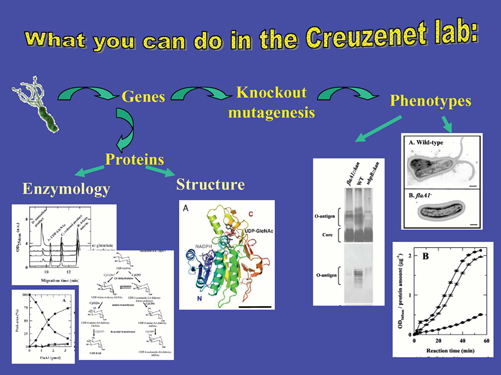
Dr. Carole Creuzenet is an Associate Professor in the Department of Microbiology and Immunology at the University of Western Ontario , where she has been since 2007 after serving as Assistant Professor from 2001–2007. Education : BSc (INA-PG), PhD (INRA, Nantes) in Protein Biochemistry Postdoctoral Training : MIT (Signal Transduction of the Visual System), University of Guelph (Enzymology of LPS Biosynthesis in Pseudomonas aeruginosa ) Research Interests focus on the molecular basis of surface virulence factor biosynthesis in Campylobacter jejuni , Helicobacter pylori , and Yersinia pseudotuberculosis , particularly protein glycosylation , capsular heptose biosynthesis , and amoeba-mediated survival mechanisms . Her work employs bacterial genetics, enzymology, structural biology, and host interaction models to identify therapeutic targets. Publications span 2000–2025, with recent articles examining C. jejuni capsule-heptose interactions with innate immunity, H. pylori redox regulation, and lactic acid bacteria as anti- H. pylori agents. Common themes include glycosylation pathways , virulence factor characterization , and enzymatic target discovery . Students mentored include PhD, MSc, and research trainees, many of whom received scholarships (OGS, NSERC USRA, SURF). Her lab has produced over 10 graduate students and trainees, several of whom hold academic or research positions. Collaborations extend to Prof. C. Burucoa and Dr. H. Atanassov in France, and Canadian Helicobacter Study Group members.
Jeanine A. Ursitti, PhD, serves as Assistant Professor in the Department of Orthopaedics at the University of Maryland School of Medicine, where her research bridges fundamental cytoskeletal biology with clinical implications for muscular and cardiovascular pathologies. Her work focuses on spectrin-based membrane skeleton organization across diverse cell types including erythrocytes, skeletal myofibers, and cardiomyocytes. Her academic foundation includes: B.S. in Biology from Loyola University Maryland Ph.D. in Membrane Physiology from the University of Maryland Baltimore Postdoctoral Fellowship at The Wistar Institute, Philadelphia, PA Dr. Ursitti's research program centers on the structural and functional roles of spectrin isoforms, with particular emphasis on alternative splicing variants in cardiac and skeletal muscle. Her investigations span from basic erythrocyte membrane architecture to disease mechanisms in muscular dystrophy, cardiomyopathy, and aging-related tissue degeneration. Key contributions include characterizing spectrin's role in costamere formation, connexin 43 localization in cardiomyocytes, and keratin-spectrin interactions in striated muscle. Analysis of her 30-year publication record reveals an evolving trajectory from foundational erythrocyte cytoskeleton studies (1989-1996) toward increasingly clinically relevant cardiac and muscular research (2001-2013). Her recent work demonstrates how αII-spectrin complexes regulate cardiac conduction and protect against dilated cardiomyopathy, highlighting translational potential. The consistent thread throughout her career is the investigation of spectrin's role as a mechanical scaffold and signaling platform across diverse physiological systems. Dr. Ursitti maintains active collaboration with the University of Maryland's muscle biology research group, particularly with Dr. Richard J. Bloch's laboratory, as evidenced by her extensive co-authorship record. While specific grant details aren't provided, her sustained publication output suggests consistent research funding supporting her investigations into cytoskeletal pathologies. Her laboratory likely employs advanced techniques including immunocytochemistry, protein biochemistry, and transgenic mouse models to explore spectrin-related disease mechanisms.
Gracie Vargas is a Professor at the University of Texas Medical Branch , Department of Neuroscience, Cell Biology & Anatomy. Her research focuses on optical techniques for disease monitoring , particularly changes in tissue microstructure and biochemical makeup during pathology. PhD in Biomedical Engineering, University of Texas at Austin MS in Mechanical Engineering, University of Texas at Austin B.A. in Physics, Gustavus Adolphus College Research Interests : Development of multiphoton microscopy and optical coherence tomography for disease progression monitoring Applications in head/neck cancers , Alzheimer's disease , and pulmonary fibrosis Focus on autofluorescence , scattering , and molecular contrast agents Article Trends (2018-2025): Advancements in handheld optical probes for clinical translation Development of multimodal imaging workflows combining widefield fluorescence with nonlinear microscopy Applications spanning oral neoplasia detection , retinal degeneration , and infectious disease imaging Labs & Collaborations : UTMB Center for Cancers of the Head and Neck UTMB Center for Addiction Research Collaborations in bioengineered lung transplantation and ovine vaginal microbiome research
Dr. Andrea M.-K. Bierema is an Academic Specialist at Michigan State University , jointly appointed to the Center for Integrative Studies in General Science (CISGS) and the Department of Integrative Biology . She teaches biology courses for non-science majors, including ISB 202: Applications of Environmental and Organismal Biology and ISB 204: Applications of Biomedical Sciences . PhD in Science Education (Biological Sciences), Western Michigan University (2014) MSc in Biology, Western Michigan University (2009) BSc in Biology, Western Michigan University (2006) Her research emphasizes science education , curriculum design , and inclusive pedagogy , particularly through case studies and team-based learning in large-enrollment courses. Recent work explores generative AI in debates, CRISPR applications in education, and de-extinction ethics . She actively contributes to open educational resources (OER) and received multiple teaching excellence awards . Her publications span biology education , animal behavior , and pedagogical innovation , with recent articles addressing antibiotic resistance , AI in classrooms , and scientific literacy . She serves on university committees like the Academic Specialist Advisory Committee and Natural Science Curriculum Committee , co-chairing the DEI Subcommittee. Her work integrates educational technology tools like D2L and Piazza to enhance communication and accessibility.
Dr. Iris Lindberg is a Professor in the Department of Neurobiology at the University of Maryland School of Medicine, with a secondary appointment in Biochemistry & Molecular Biology. She has maintained continuous NIH funding since 1984 and has published 178 peer-reviewed papers with approximately 8,500 citations. Her laboratory focuses on proteostatic control of secretory pathway biochemistry and cell biology, particularly examining natural chaperone interactions involved in protein aggregation in neurodegenerative diseases. Dr. Lindberg received her A.B. in Biochemistry from the University of California at Berkeley in 1975, followed by a Ph.D. from the University of Wisconsin at Madison in 1980. She completed postdoctoral training at the NIH (NIMH) in Neuropharmacology from 1981-1984. Prior to joining the University of Maryland in 2007 following Hurricane Katrina, she was a professor at Louisiana State University Health Sciences Center in New Orleans. Dr. Lindberg's research centers on the role of secreted chaperones like proSAAS and 7B2 in preventing protein aggregation in neurodegenerative diseases. Her laboratory discovered that these neuronally-expressed chaperones control the aggregation of secretory proteins involved in neurodegeneration. Current research examines how these chaperones function within the secretory pathway and synaptic cleft to prevent pathological protein assembly in Alzheimer's, Parkinson's, and ALS. Her work has demonstrated that proSAAS overexpression provides neuroprotection and reduces motor dysfunction in Parkinson's disease models. Additional research focuses on prohormone convertases PC1/3 and PC2, examining how mutations in these enzymes contribute to obesity and diabetes. Dr. Lindberg's publication record reveals a strong focus on protein chaperones in neurodegeneration, with recent work examining proSAAS interactions with amyloid plaques, α-synuclein pathology, and TDP-43 aggregates. Her laboratory has also made significant contributions to understanding prohormone convertase biology, particularly regarding PCSK1 mutations associated with obesity. NIH Individual Postdoctoral Fellowship (1981) Pharmacology Research Associate Traineeship (1981-1983) Research Career Development Award from NIDDK (1988-1993) Research Scientist Development Awards from NIDA (1993-2003) Dr. Lindberg has mentored numerous graduate students, postdoctoral fellows, and research technicians throughout her career. Current and past trainees include Kriti Chaplot, Manita Shakya, Tim Jarvela, and Juan Ramon Peinado. Her laboratory has been continuously funded by the NIH since 1985, with current grants including "ProSAAS-mediated neuroprotective mechanisms in Alzheimer's and Parkinson's diseases" (R01 AG062222) and "Opioid Peptide Synthesing Enzymes" (R01 DA042351). The Lindberg Laboratory maintains expertise in multiple techniques including recombinant protein expression, cell culture models of neurodegeneration, animal models of Alzheimer's and Parkinson's disease, and biochemical analysis of protein aggregation. The laboratory has developed specialized methods such as the agarose cloning technique for efficient cell line generation and maintains a comprehensive collection of antisera for prohormone convertases and related proteins.
Dr. Frederik Verweij is an Assistant Professor in the Department of Cell Biology, Neurobiology and Biophysics at Utrecht University's Faculty of Science since 2021. His research focuses on the intricate mechanisms of extracellular vesicle (EV) biology, particularly exosomes, using advanced imaging techniques in zebrafish models. Prior to his current position, he served as a Researcher at INSERM U1266, IPNP in Paris (2017-2021) and completed postdoctoral work at the Institut Curie in Paris (2014-2017), where he investigated exosome research under the guidance of Dr. Graça Raposo. Dr. Verweij earned his PhD from the Exosome Research Group led by Dr. D. Michiel Pegtel (2009-2014). Dr. Verweij's research interests span multiple aspects of cell biology, with particular expertise in exosome biogenesis, trafficking, and function. His work integrates cell biology, molecular biology, biochemistry, and advanced imaging techniques to study protein trafficking, virology, and signaling in the endo-exosomal pathway. He has pioneered the use of zebrafish as a model organism for in vivo EV imaging, developing innovative approaches for live imaging, dynamic correlative light and electron microscopy (CLEM), optogenetics, and electron microscopy. His laboratory investigates how extracellular vesicles mediate intercellular communication in physiological and pathological contexts, with implications for cancer, viral infections, and potential therapeutic applications. Analysis of Dr. Verweij's publication record reveals a strong trajectory in extracellular vesicle research, with increasing focus on in vivo imaging techniques and physiological relevance. His work has evolved from basic mechanisms of exosome biogenesis and viral protein sorting to sophisticated in vivo models that capture the dynamic nature of EV communication within living organisms. The zebrafish model has become a cornerstone of his research approach, allowing unprecedented visualization of EV trafficking between organs and during development. Recent publications highlight technical innovations in EV imaging and quantification, demonstrating his leadership in methodological advancements within the EV field. ERC Starting grant - European Research Council 5-year grant (2021) Vidi award - Dutch Research Council (NWO) 5-year grant (2021) KWF Young Investigator Grant (2020) ASEMV 2020 Young Investigator Award INSERM CRCN laureate (tenure) via national competition (2020) Multiple featured abstracts and travel awards from ISEV meetings Dr. Verweij has successfully secured substantial funding as both principal investigator (ERC Starting grant, Vidi award, KWF Young Investigator Grant) and co-PI (INCa PLBIO project, ARC project grants). His research group at Utrecht University combines expertise in cell biology, imaging, and zebrafish models to investigate fundamental questions in EV biology. He actively contributes to the scientific community through extensive peer review activities for high-impact journals and funding agencies, and has taken leadership roles in organizing international workshops, including co-chairing the first international 'EV imaging in vivo workshop' in 2020. Dr. Verweij serves on the scientific board of the French Society for Extracellular Vesicles and has established himself as a rising leader in the extracellular vesicle research community.
Kathleen Fisher is an Adjunct Professor in the Computer Science Department at Tufts University and currently serves as the Director of the Information Innovation Office at DARPA. She previously held roles as Professor and Department Chair at Tufts (2016-2021), Program Manager at DARPA, and Principal Member of Technical Staff at AT&T Labs Research. Her academic journey began with a PhD in Computer Science from Stanford University. Kathleen’s research focuses on advancing programming languages through domain-specific languages (DSLs), program synthesis, and formal methods. Her work addresses challenges in ad hoc data management, secure systems, and integrating machine learning with programming language design. Notable projects include the Hancock and PADS systems for data processing, Forest for filestore management, and verified parser generators. She has received prestigious accolades, including ACM Fellow, Hertz Foundation Fellow, and SIGPLAN Distinguished Service Award. Her service includes leadership roles in ACM SIGPLAN, CRA-W, and as General Chair for ICFP 2015. Kathleen has advised PhD student Matt Ahrens and led impactful DARPA programs like HACMS and PPAML. As co-founder of the Programming Language Mentoring Workshop (PLMW), she actively contributes to diversity initiatives in computer science. Her research group, TuPL, explores DSLs, program synthesis, and language-based security, maintaining projects such as Autobahn and PADS.
Dr. Andrew Costanzo is a Senior Lecturer at Deakin University's School of Exercise and Nutrition Sciences , where he serves as Deputy Course Director for undergraduate nutrition science courses. His research focuses on sensory nutrition, particularly how taste perception influences eating behavior and dietary health. PhD, Deakin University Master of Human Nutrition, Deakin University Bachelor of Science, Monash University His work spans fat taste sensitivity , macronutrient sensing , and taste receptor dynamics , with significant contributions to understanding how fat taste detection thresholds relate to dietary fat consumption and satiety responses. His research includes developing novel methodologies for measuring taste sensitivity and analyzing the impact of protein fortification on plant-based milk alternatives. Key publication trends include temporal taste variation , fat replacers in food products , and cross-modal taste interactions (e.g., salt-fat relationships). He has co-authored studies on gustatory physiology , oral-gut chemoreception , and nutritional implications of altered taste perception . Supervised doctoral research on protein-flavor dynamics Teaches units HSN211 and HSN106 Recipient of contract research funding from Wide Open Agriculture Ltd (2023) for lupin protein analysis