Rhenish Friedrich Wilhelm University of BonnGermany
Prof. Waldemar Kolanus leads the Molecular Immunology and Cell Biology department at the University of Bonn's Life & Medical Sciences Institute (LIMES) . His research bridges immunoregulation , stem cell dynamics , and metabolic stress responses in immune cells. Unit 2 member at LIMES Principal investigator in SFB 704 and ImmunoSensation Cluster Leads a multidisciplinary lab with postdocs, PhD students, and technical staff His work focuses on intracellular signaling pathways connecting immune activation to tissue homeostasis, particularly through: Cytohesin proteins in integrin-mediated adhesion and migration TRIM71 in stem cell regulation and congenital hydrocephalus High-salt environments affecting macrophage function Publication trends show expertise in immune cell migration , genetic models , and chemical inhibition , with frequent use of mice and zebrafish for in vivo studies. Key articles explore: TRIM71's dual role in auditory development and germ cell maintenance Cytohesin family's Golgi regulation and insulin signaling Ruxolitinib's off-target migration inhibition of dendritic cells Contact details: Address: LIMES Institute, Carl-Troll-Straße 31, Bonn Email: kolanus.sekretariat@uni-bonn.de Phone: +49 228 73-62788
James C. Gumbart is an Adjunct Professor in the School of Physics at Georgia Institute of Technology, with additional affiliation to the School of Chemistry and the Institute for Bioengineering and Bioscience . His research leverages molecular dynamics simulations to decode the atomic-level mechanisms of bacterial proteins and cellular structures. B.S., Physics and Mathematics, Western Illinois University, 2003 Ph.D., Physics, University of Illinois at Urbana Champaign, 2009 Dr. Gumbart's work bridges computational biophysics and biochemistry to understand: Mechanisms of bacterial membrane protein insertion and nutrient import Structural dynamics of cell wall mechanics SARS-CoV-2 spike protein interactions with ACE2 Free-energy calculations for protein-ligand binding Applications of machine learning in biomolecular simulations His publications reflect trends in membrane protein biophysics , viral dynamics , and computational drug design , with a strong emphasis on interdisciplinary techniques. Awards include multiple fellowships and grants from NSF , DOE , and NIAID . He has mentored numerous PhD students, including Zijian Zhang , David Ryoo , and Andrew Pang , whose work has advanced understanding of bacterial systems and viral proteins. The Gumbart Lab integrates high-powered supercomputing and advanced software to model biomolecular processes, fostering collaborations with institutions like the National Institutes of Health and Argonne National Laboratory .
Jos Ruytinx is a faculty member in the Department of Bio-engineering Sciences at Vrije Universiteit Brussel (VUB), Belgium. His research focuses on plant-fungal interactions, particularly ectomycorrhizal symbiosis and metal homeostasis mechanisms. He actively supervises graduate students and serves on PhD committees, contributing significantly to the academic community at VUB. Dr. Ruytinx's research interests span several interconnected fields: Mycorrhizal symbiosis between plants and fungi Zinc and heavy metal homeostasis in ectomycorrhizal systems Molecular mechanisms of fungal adaptation to metal stress Transport physiology in plant-fungal symbiotic relationships Evolutionary aspects of ectomycorrhizal fungi Responses to ionizing radiation in plant-microbe systems His recent publications demonstrate a strong focus on understanding how ectomycorrhizal fungi like Laccaria bicolor and Suillus luteus interact with their plant hosts under metal stress conditions, particularly zinc. Through comparative transcriptomics and functional characterization of transporters, his work reveals genetic determinants of symbiotic compatibility and mechanisms of metal tolerance. This research has implications for phytoremediation and sustainable agriculture in contaminated soils. Dr. Ruytinx has received recognition for his work with an h-index of 17 and over 2151 citations. His research is supported by multiple grants including: FWOAL1080: Zinc homeostasis in ectomycorrhizal symbiosis: nutrition and beyond (2023-2026) FWOTM1079: Reactive oxygen species in ectomycorrhizal fungi: damage, signaling or both? (2021-2025) OZR4191: Bilateral cooperation for joint PhD VUB-UHasselt (2023-2027) HERC66: 3D-CELLMAP project (2024-2028) As an academic advisor, Dr. Ruytinx has supervised 7 students through their theses, including Master's and Doctoral candidates. His laboratory focuses on fungal genetics and plant-microbe interactions, with particular expertise in zinc transport mechanisms in ectomycorrhizal systems. He actively participates in public engagement activities, including field samplings and expert commentary on fungi as biofertilizers.
Dr. Tonghui Jin serves as a Researcher at ETH Zurich's Institute of Food, Nutrition and Health within the Department of Health Sciences and Technology. Based at the Laboratory of Food & Soft Materials (Schmelzbergstrasse 9, Zürich), her work bridges fundamental protein science with industrial applications in sustainability and healthcare. Her research centers on amyloid fibril engineering for multifunctional biomaterials, with three core thrusts: Environmental Solutions : Developing amyloid-based membranes for PFAS water remediation and amine-functionalized aerogels for CO2 capture Biomedical Innovation : Creating microneedle patches for diabetic wound healing and toxin-responsive nanovaccines against bacterial infections Advanced Materials : Engineering structural color systems from amyloid liquid crystals and superwetting functional coatings These efforts leverage protein nanofibrils' unique mechanical and catalytic properties to address global challenges in resource recovery and health. Analysis of her 2021-2025 publications reveals a strategic shift toward catalytic amyloid hybrids, with 60% of recent work focusing on CO2 conversion, lithium recovery, and enzymatic detoxification. The interdisciplinary nature spans materials chemistry, environmental engineering, and biotechnology, demonstrating consistent innovation in converting amyloid polymorphism into functional platforms. No scientific awards were documented in available sources. Dr. Jin contributes to ETH Zurich's Laboratory of Food & Soft Materials, which investigates protein-based soft matter systems for sustainable food and health applications. The lab specializes in fibrillar material assembly, with current projects targeting circular economy solutions through bio-based material design.
Professor Trevor Lithgow is a Research Professor in Microbiology at Monash University, affiliated with the Monash Biomedicine Discovery Institute. He holds a PhD from La Trobe University (1992) and has held fellowships including the ARC Federation Fellowship (2008) and ARC Laureate Fellowship (2014). His research focuses on bacterial cell biology, antimicrobial resistance (AMR), and phage therapies, leveraging nanoscale imaging techniques like cryo-EM and super-resolution microscopy. He leads the Monash Centre to Impact AMR, an interdisciplinary initiative addressing global AMR challenges through collaborations across engineering, social sciences, and clinical medicine. Key achievements include the HFSP Tenth Anniversary Award (1999), Lemberg Medal (2020), and Royal Society of Victoria Medal (2017). His work on bacterial outer membrane assembly, phage-bacteria interactions, and structural analysis of the mitochondrial TOM complex has advanced understanding of pathogen resilience and novel antimicrobial strategies. Current projects include developing phage therapies and cross-sectoral AMR surveillance frameworks. Education: PhD in Biochemistry (La Trobe University, 1992) Research Interests: Bacterial cell surface visualization, nanoscale imaging, phage biology, AMR mechanisms Leadership: Director of Monash Centre to Impact AMR since 2020 Awards: 10+ national/international honors, including ARC Fellowships Publications span over 250 articles on bacterial membrane biology, AMR dynamics, and phage applications, with recent focus on polymyxin dependence in Acinetobacter and phage-driven resistance resensitization.
Philip Boone, MD, PhD, is an Attending Physician in the Division of Genetics and Genomics at Boston Children's Hospital and an Instructor of Pediatrics at Harvard Medical School. He specializes in medical genetics with particular expertise in rare disorders, medical mysteries, deletion and duplication syndromes, and Cornelia de Lange syndrome. Dr. Boone sees patients at Boston Children's Brookline location (2 Brookline Place, 7th Floor) and provides comprehensive genetic care including diagnostics, counseling, and individualized management. Stanford University (Undergraduate, 2006) Baylor College of Medicine (Graduate & Medical School, 2013-2014) Boston Combined Residency Program (Internship & Residency, 2016-2020) Harvard Medical School Genetics Training Program (Fellowship, 2020) Dr. Boone's research focuses on neurodevelopmental disorders, chromatin regulation, and genetic diagnostics. His work spans from fundamental genetic mechanisms to clinical applications, with particular emphasis on cohesinopathies including Cornelia de Lange syndrome. He has contributed significantly to understanding genetic variants associated with growth disorders, developmental features, and structural chromosomal abnormalities. His research combines advanced genomic technologies with clinical insights to improve diagnosis and management of rare genetic conditions. Analysis of Dr. Boone's publication record reveals a strong focus on medical genetics with emphasis on neurodevelopmental disorders, chromatin regulation, and genetic diagnostics. His work spans basic research on gene function and regulation to clinical applications in rare disease diagnosis. A notable trend is his investigation of cohesin complex disorders, particularly SMC3 variants and their relationship to Cornelia de Lange syndrome. His publications demonstrate expertise in both traditional genetic analysis and cutting-edge genomic technologies including long-read sequencing and telomere-to-telomere assembly. Dr. Boone actively contributes to medical education through publications on genetic diagnostics and distance learning resources for medical genetics. He has co-authored educational materials that help advance the field's knowledge base and training capabilities. As an attending physician in the Division of Genetics and Genomics at Boston Children's Hospital and a research fellow in the Center for Genomic Medicine at Massachusetts General Hospital, Dr. Boone works within one of the largest pediatric genetics practices in the country. The division includes over 30 board-certified clinical geneticists, genetic counselors, dieticians, and nursing staff who provide comprehensive care for patients with both common and extremely rare genetic conditions.
Professor Sebastian Hiller is a Full Professor at the Biozentrum of the University of Basel, Switzerland, where he leads a research group focused on structural biology and biophysics. His laboratory specializes in using nuclear magnetic resonance (NMR) spectroscopy to elucidate the structures and functions of proteins and their interactions at the atomic level. His research spans several key areas including molecular chaperones and protein folding mechanisms, outer membrane protein biogenesis in bacteria, and kinase signaling pathways. Notably, his group has made significant contributions to understanding how chaperones like trigger factor function, the mechanisms of outer membrane protein assembly through the Bam complex, and dynamic kinase interactions. Their work has direct implications for neurodegenerative diseases and antibiotic development. The Hiller lab's recent publications demonstrate a strong focus on NMR methodology development, protein folding dynamics, and structural mechanisms of antibiotic action. Their research on darobactin's mechanism of action against Gram-negative bacteria represents a significant advance in antibiotic discovery. The group frequently publishes in high-impact journals including Nature, Science, and Nature Communications. ICMRBS Founder's Medal (2018) EMBO Young Investigator (2014) ERC starting grant (2011) SNSF professorship (2010) SNSF scholarship for young researchers (2008) Professor Hiller supervises numerous PhD students and postdoctoral researchers, with many alumni having secured prestigious positions in academia and industry. His laboratory maintains strong collaborations across multiple institutions and has received significant funding through ERC grants and other competitive mechanisms. The Hiller group also operates advanced NMR facilities that serve the broader research community at the University of Basel.
George Stan is a Professor of Chemistry at the University of Cincinnati's College of Arts and Sciences. He specializes in computational biophysical chemistry, focusing on protein folding, degradation, and the mechanisms of biological nanomachines like Clp ATPases and chaperonins. Stan received his B.Sc. (1994) from the University of Bucharest and his Ph.D. (1999) from Pennsylvania State University. His postdoctoral work at the University of Maryland and NIH explored protein folding assisted by chaperonins. Research Interests: Stan's work combines molecular dynamics simulations and bioinformatics to study protein-unfolding pathways, substrate recognition by chaperonins, and the dynamics of AAA+ nanomachines. His recent studies investigate how primary sequence and topology influence protein degradation, with applications to knotted proteins and disease-related misfolding. Key Achievements: Stan has secured over $8 million in NSF grants, including a CAREER award for computational modeling of biological nanomachines. His team develops multiscale models of protein translocation and employs machine learning to study allosteric communication in ClpP peptidases. He has published over 80 peer-reviewed articles and reviews. Notable Grants: NSF-BSF (2021-2025), NIH (2024-2029), and multiple XSEDE allocations Service: Co-chaired the 'Molecular Machines' focus session at APS March Meetings (2022-2024) Teaching: Advanced Computational Chemistry, Physical Chemistry, and Big Data in Chemistry Labs/Teams: Leads the Computational Biophysics group at UC, collaborating with Ruxandra Dima and Pietro Strobbia on interdisciplinary projects. Mentors over 20 graduate and undergraduate students since 2006.
Horst A. von Recum, PhD, is the Executive Vice Chair of the Case School of Engineering and a Professor in the Department of Biomedical Engineering at Case Western Reserve University. He is also a member of the Cancer Imaging Program at the Case Comprehensive Cancer Center. His research focuses on developing novel platforms for molecular and cellular delivery, including affinity-based systems for controlled drug release and directed stem cell differentiation. Key applications include HIV therapies, wound healing, ocular disease treatments, and tissue engineering. His work emphasizes improving drug delivery precision through molecular interactions and enhancing stem cell viability for therapeutic use. Dr. von Recum’s research interests span drug delivery systems, biomaterials science, and regenerative medicine. His lab explores cyclodextrin polymers for sustained antibiotic release, affinity-driven drug refilling mechanisms, and engineering biocompatible materials to combat implant-related infections. Recently, his team has investigated microbiome interactions with neural implants and developed polymer-based solutions for localized chemotherapy. Notable contributions include advancements in PMMA bone cement composites for drug refillable depots, cyclodextrin hydrogels for controlled release, and affinity-based systems for anti-fibrotic treatments. His work bridges materials science with clinical applications, addressing challenges in orthopedic infections, neural interfaces, and cardiovascular regeneration. Scientific achievements include over 100 peer-reviewed publications. Research funding has supported projects on antimicrobial coatings, drug delivery mechanics, and stem cell differentiation. Dr. von Recum collaborates across disciplines to translate biomaterial innovations into clinical solutions.
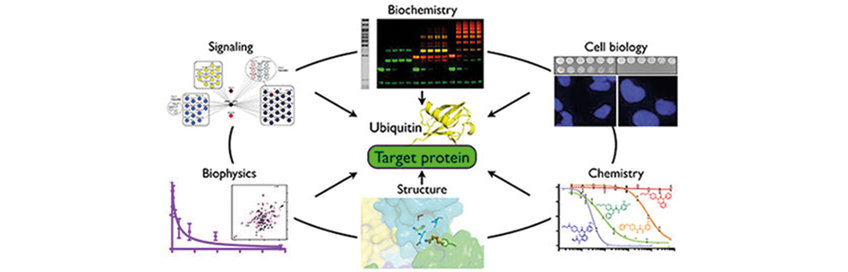
Brenda Schulman is a Professor and Director of the Molecular Machines and Signaling Pathways department at the Max Planck Institute of Biochemistry in Martinsried, Germany. She also holds an honorary professorship at the Technical University of Munich's Department of Chemistry and serves as Adjunct Faculty at St. Jude Children's Research Hospital in Memphis, TN, USA. Her research focuses on understanding how ubiquitin and ubiquitin-like proteins regulate cellular processes through protein modification. Dr. Schulman's research interests center on structural biology of the ubiquitin-proteasome system and ubiquitin-like proteins. Her work has shown that hundreds of dynamic multiprotein complexes are transiently converted into different conformations by specialized regulatory factors that control ubiquitin and ubiquitin-like proteins, thereby monitoring virtually all processes in cell biology. She combines biochemical reconstitution, structural analysis, enzymology, protein design, cell biology, and genetics to understand how these molecular machines function. Her research has significant implications for understanding diseases such as cancer, neurodegenerative disorders, and viral infections where defects in ubiquitin pathways are implicated. Her extensive publication record demonstrates expertise in ubiquitin signaling, protein degradation mechanisms, structural biology of E3 ligases, and molecular machines. Her work spans from fundamental mechanisms of ubiquitin chain formation to therapeutic applications in targeted protein degradation. Among her numerous scientific accolades are the Feldberg Prize for Anglo-German Scientific Exchange (2025), ERC Advanced Grant (2023), Louis-Jeantet Prize for Medicine (2023), Gottfried Wilhelm Leibniz Prize (2019), and election to the National Academy of Sciences (2014). She has also received the Dorothy Crowfoot Hodgkin Award from The Protein Society and has been an Investigator of the Howard Hughes Medical Institute. Dr. Schulman leads an active research group that has produced numerous high-impact publications in top journals including Nature, Cell, and Nature Structural & Molecular Biology. Her team has made significant contributions to understanding the structural mechanisms of ubiquitin transfer, E3 ligase specificity, and the role of ubiquitin in cellular quality control pathways. Current research in her lab focuses on deciphering the ubiquitin code and developing novel approaches for targeted protein degradation.
David S. Cafiso is a Professor in the Department of Molecular Physiology and Biological Physics at the University of Virginia. His research focuses on the molecular mechanisms of membrane transport and cell signaling, utilizing advanced techniques such as EPR spectroscopy, high-resolution NMR, and solid-state NMR. He has made significant contributions to understanding membrane protein structure and function, particularly in relation to synaptic vesicle exocytosis and bacterial nutrient transport. Education: AB, PhD in Biophysics from the University of California, Berkeley; Postdoctoral training at UC Berkeley and Stanford University His research interests span Biochemistry, Biophysics, Structural Biology, Neuroscience, and Microbiology. Recent work highlights conformational dynamics in membrane proteins, lipid-protein interactions, and the role of electrostatics in signaling. Publications emphasize PIP2 regulation, C2 domain function, and TonB-dependent transport systems, with applications in both bacterial physiology and neurosecretion. Professor Cafiso's laboratory investigates two primary areas: (1) Membrane protein attachment mechanisms critical for cell signaling, and (2) Solute transport across lipid bilayers in gram-negative bacteria. His studies often integrate biochemical, structural, and biophysical approaches to probe dynamic processes in membrane biology.
Memorial Sloan Kettering Cancer CenterUnited States
Cristina R. Antonescu, MD is the Director of Soft Tissue and Bone Pathology at Memorial Sloan Kettering Cancer Center , affiliated with the Gerstner Sloan Kettering Graduate School of Biomedical Sciences. Her research focuses on the genomic investigation of pediatric and young adult mesenchymal tumors , particularly Novel gene fusion discovery Translocation-associated sarcoma pathogenesis CRISPR-Cas9 engineered models Molecular characterization of kinase fusions Her publications from 2018-2020 highlight breakthroughs in undifferentiated sarcomas , epithelioid hemangioendothelioma , and lipofibromatosis-like neural tumors , revealing key relationships between genetic drivers and clinical outcomes. Research grants include SPORE in Soft Tissue Sarcoma (2018-2023) and Cycle for Survival funding (2018-2021). Contact: antonesc@mskcc.org | Office: 212-639-5721
Daniela Strenkert is an Assistant Professor at Michigan State University, affiliated with the MSU-DOE Plant Research Laboratory, Plant Biology Department, Molecular Plant Sciences Program, BioMolecular Science Gateway, and Cell & Molecular Biology Program. Her research focuses on systems biology approaches to understand gene regulation in photosynthetic organisms. Ph.D., University of Kaiserslautern, Germany Her lab investigates photosynthetic performance through multi-omics analysis of chromatin structure, transcriptomes, proteomes, and metabolomes in Chlamydomonas reinhardtii . Key areas include environmental acclimation, histone modification mapping (GreENCODE project), and regulatory RNA characterization. Recent publications emphasize computational modeling of photosynthetic protein interactions, metal homeostasis under stress, and chloroplast protein import mechanisms. Articles span 2025-2010, with 15 most recent from 2025-2022. Her work integrates genome-wide datasets to decode algal regulatory programs under climate change-relevant stressors. She teaches BS 161: Cells and Molecules and maintains a lab at 106 Plant Biology Lab. Contact: strenke2@msu.edu .
Dr. Maruf Ali is an Associate Professor in Molecular and Structural Biology at Imperial College London's Department of Life Sciences, part of the Faculty of Natural Sciences. He holds affiliations with the Centre for Structural Biology, Electron Microscopy Centre, and Membrane Biology. His research focuses on understanding molecular mechanisms of protein quality control during cellular stress, particularly in cancer and neurodegenerative diseases. Research interests include the Unfolded Protein Response (UPR), ER stress signaling pathways, and therapeutic interventions targeting these mechanisms. His multidisciplinary approach combines structural biology, biochemistry, and cellular techniques to study proteins and complexes involved in ER stress responses. Notable affiliations include the Membrane Biology and Molecular Mechanisms of Disease groups. His work explores how the UPR is activated and propagated, with implications for developing novel treatments for diseases linked to protein misfolding. Recent studies emphasize drug repurposing strategies targeting RSK4 to combat chemoresistance in cancers like lung and bladder cancer, as well as identifying key regulators of ER stress pathways such as IRE1 and PERK. Laboratory activities are centered at the Ali Lab (http://www.imperial.ac.uk/ali-lab), where research integrates structural insights with functional studies to advance understanding of cellular stress responses and their therapeutic applications.
Dr. Ross Dalbey is a Full Professor in the Department of Chemistry and Biochemistry at The Ohio State University, affiliated with the College of Arts and Sciences. He holds a B.S. in Chemistry from the University of Washington (1978) and a Ph.D. in Biochemistry from Washington State University (1983). Postdoctoral training included work with Prof. William Wickner at UCLA. His research focuses on membrane protein assembly and proteases, particularly the YidC protein's role in membrane insertion and folding. Key areas include biophysical mechanisms of protein insertion, signal peptidase function, and mitochondrial membrane systems. He has held NIH and AAAS fellowships, and his lab has been funded by NIH and NSF for over three decades. His students hold academic and industry positions at institutions like NIH, MIT, and pharmaceutical companies such as Eli Lilly. Education: B.S., Chemistry, University of Washington, 1978 Ph.D., Biochemistry, Washington State University, 1983 Awards: American Cancer Society Junior Faculty Award (1989–1992) Elected Fellow of the American Association for the Advancement of Science (AAAS) Professional Memberships: American Chemical Society Federation of American Societies for Experimental Biology American Society of Microbiology Sigma Xi Phi Kappa Phi His lab investigates how proteins are inserted into membranes and folded, with emphasis on the YidC/Oxa1 family of insertases. Recent work explores YidC's substrate specificity, dimeric structure, and interactions with the Sec translocon. Studies on proteases like signal peptidase reveal their roles in membrane-associated peptide cleavage. Collaborations include structural biology with Prof. Horst Vogel in Switzerland and functional analyses with Prof. White at Ohio State. Research highlights include defining YidC's role in multispan membrane protein integration and uncovering evolutionary conservation across bacterial, archaeal, and eukaryotic systems. The lab's findings contribute to understanding mitochondrial protein insertion pathways and drug design targeting membrane-associated enzymes.