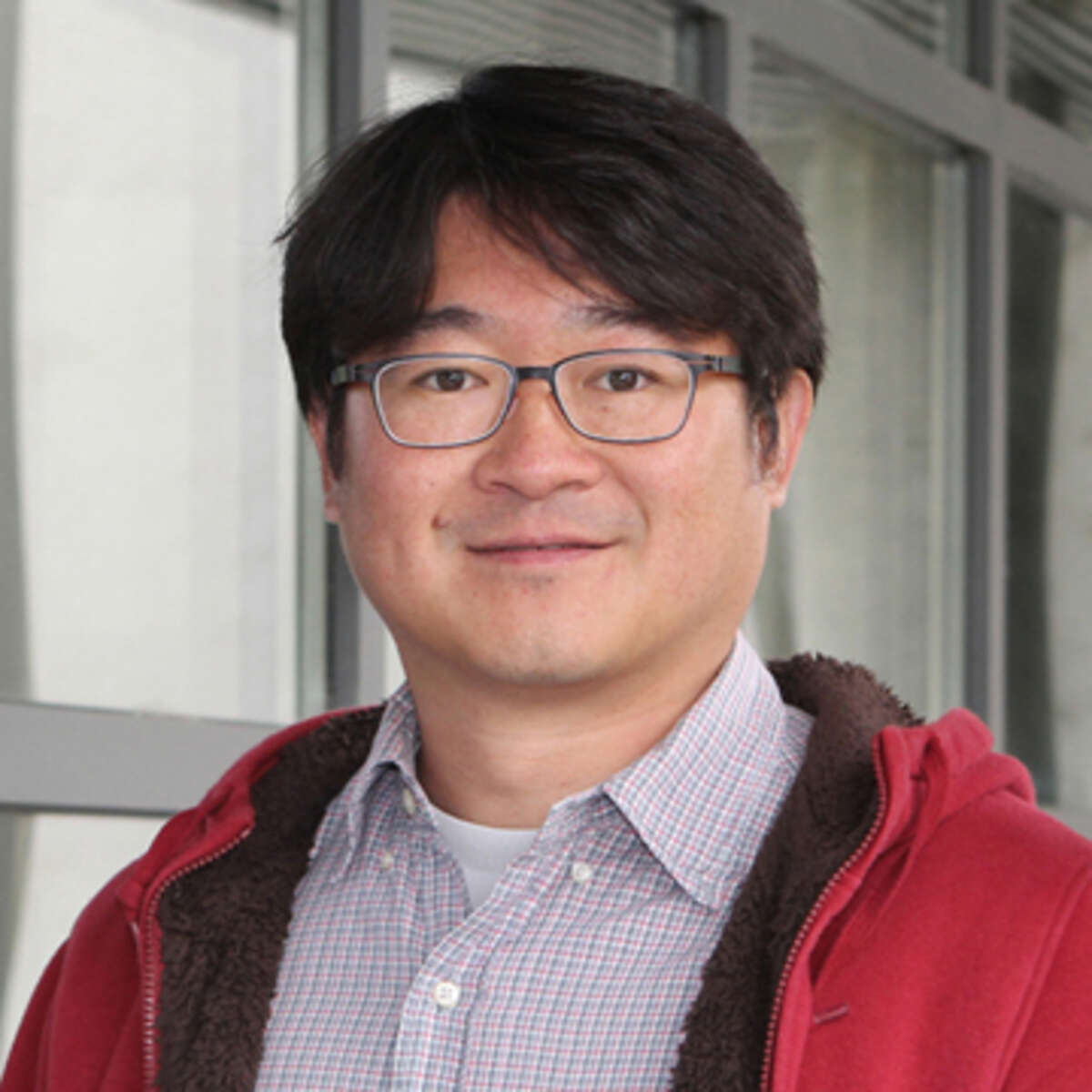
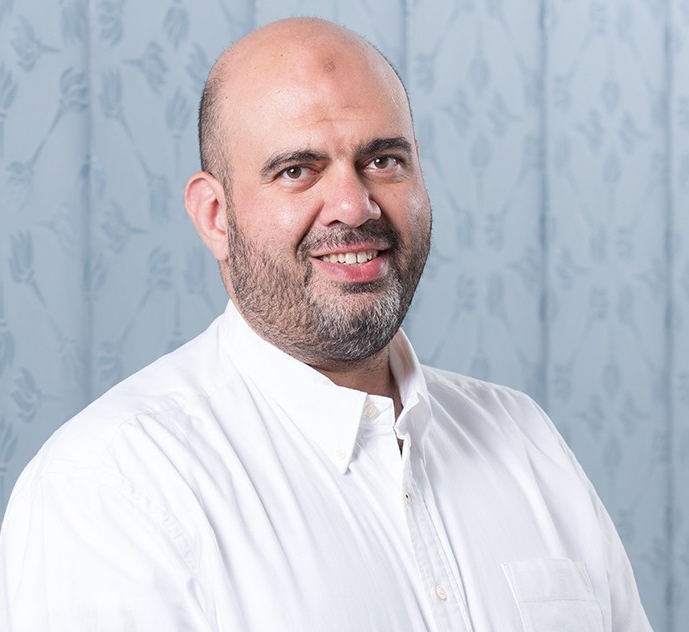
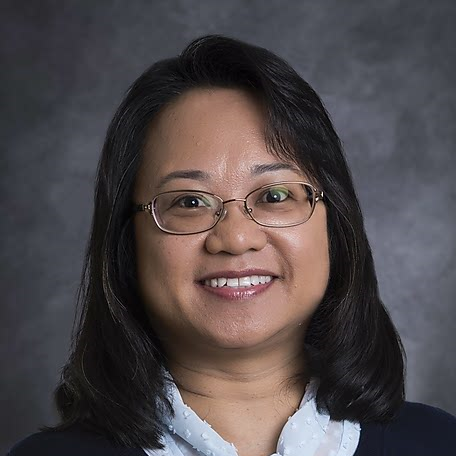
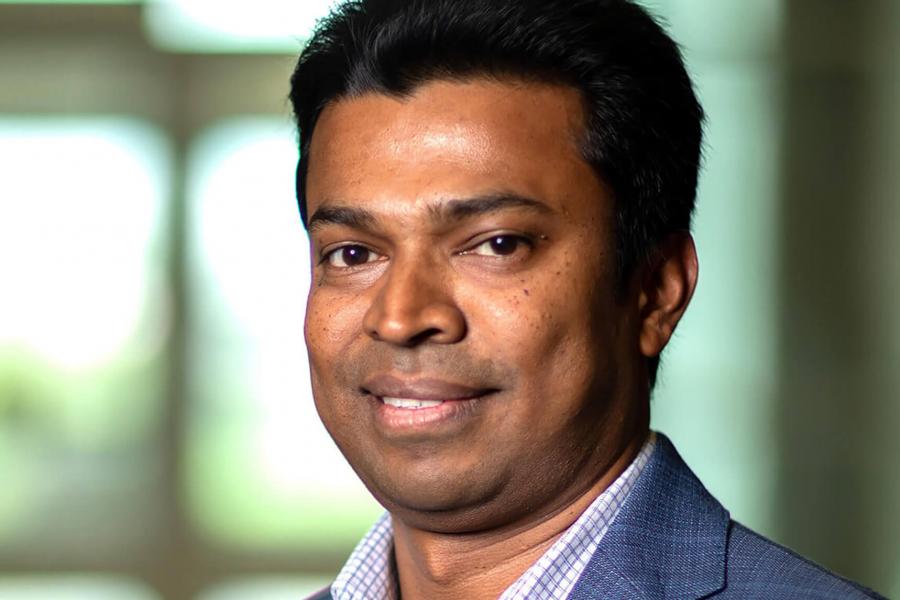
Prof. Dr. Roderick Lim is an Associate Professor at the Biozentrum, University of Basel , where he leads a research group since 2014. His work bridges biophysics, nanotechnology, and molecular biology , focusing on the nuclear pore complex (NPC) and mechanobiology of cells . He develops biomimetic systems for selective molecular transport and ARTIDIS , a nanomechanical tissue diagnostic platform commercialized for breast cancer prognosis . Education : BSc (UNC Chapel Hill), PhD (NUS/IMRE Singapore), Postdoc (Swiss Nanoscience Institute) Positions : Argovia Professor (2014–present), Tenure Track Asst. Prof. (2009–2013), Postdoc (2004–2008) His research on NPC transport selectivity reveals how karyopherins modulate the FG Nup barrier via multivalent interactions, with implications for viral entry and Alzheimer’s disease . His ARTIDIS platform uses atomic force microscopy to detect cancer via tissue softness, linking hypoxia to metastasis . Recent 2025 publications explore bacterial nanoharpoon defense mechanisms and DNA origami-based NPC mimics . Scientific Awards : Pierre-Gilles de Gennes Prize (2008), A*STAR Fellowship (2004) Collaborations : NCCR Molecular Systems Engineering, NanoTera, KTI He mentors PhD students in institutions across Switzerland, Singapore, Sweden, and the UK , with alumni working on polymersome delivery, mechanotransduction, and pathogen transport . His lab pioneered high-speed atomic force microscopy for real-time NPC dynamics and plasmonic nanopores for synthetic biology applications.
Dr. Holger Scheib is an Honorary Associate Professor in the School of the Environment at The University of Queensland. His research focuses on venom evolution, toxinology, and biomedical applications, particularly in reptiles, cnidarians, and other venomous organisms. He collaborates extensively with international researchers on projects involving venom structure-function relationships, evolutionary biology, and clinical implications of venom variation. Research interests span venom evolution, toxin structure and function, and their applications in biomedical contexts. He investigates venom diversity across species, including reptiles, sea anemones, and cnidarians, focusing on how these toxins interact with biological systems. His work also explores the intersection of venom components with allergens and their structural similarities, contributing to a deeper understanding of venom’s ecological and medical significance. His recent publications highlight advancements in understanding venom evolution, toxin structures, and clinical implications. Studies include comparisons of venom proteins with allergens, analyses of venom variation in rattlesnakes, and investigations into the molecular mechanisms of bacterial secretion systems. These works contribute to both basic biological research and potential applications in medicine and biodiscovery. No scientific awards or grants are explicitly mentioned in the provided text. Dr. Scheib’s research is primarily conducted through collaborations within the School of the Environment and international academic networks. No specific lab or team affiliations are detailed.
Dr. Wael M. Rabeh is an Associate Professor of Chemistry at New York University Abu Dhabi (NYUAD), affiliated with the Division of Science. He holds a PhD in Biochemistry from the University of Oklahoma and conducted postdoctoral research at the Structural Genomic Consortium (University of Toronto) and McGill University. His research focuses on protein structure-function relationships, particularly in disease-relevant proteins such as CFTR (cystic fibrosis transmembrane conductance regulator) and human Hexokinase 2, leveraging X-ray crystallography and biophysical techniques. Key areas include cystic fibrosis mechanisms, cancer metabolism, drug discovery, and bioluminescence. Dr. Rabeh’s work has contributed to understanding CFTR misfolding and functional correction, as well as the role of Hexokinase 2 in tumor growth. His lab collaborates internationally (e.g., with McGill University) and has secured funding from institutions like Al Jalila Foundation, Terry Fox Research Foundation, and NYUAD. He teaches courses in biochemistry and structural biology, emphasizing hands-on experimental approaches. Notable research highlights include the discovery of a dual-step correction mechanism for the ∆F508 CFTR mutation and structural studies of antiviral drugs like Tamiflu. His lab’s bioluminescence research aims to elucidate color-producing mechanisms in luciferases. Dr. Rabeh actively contributes to structural biology education through innovative laboratory curricula and public engagement.
Dr. Martin Fascione is a Reader in Chemistry at the University of York. He leads research at the interface of chemistry and biology, focusing on chemical glycobiology and glycomedicine. His work employs synthetic chemistry, enzymology, and bioconjugation to study carbohydrate roles in disease and develop therapeutic tools. Research interests include the chemical glycobiology of nonulosonic/sialic acids, synthetic and enzymatic carbohydrate chemistry, and protein bioconjugation. His group investigates bacterial pathogen recognition, tumor metastasis, and immunological responses mediated by glycans. Recent publications demonstrate a focus on bacterial glycans, enzyme mechanisms, glycoconjugate therapeutics, and diagnostic tools. Trends include structural enzymology, chemoenzymatic synthesis, glycan-based sensors, and bioorthogonal chemistry applications. Awards: ERC Consolidator Grant (2022) Marie Curie International Outgoing Fellowship (2012-2014) Dr. Fascione directs an interdisciplinary lab collaborating with structural biologists and clinicians. His ERC grant supports research on pseudaminic acid sugars in infectious diseases.
Professor David E. Gloriam is a leading expert in G protein-coupled receptors (GPCRs) at the University of Copenhagen , Department of Drug Design and Pharmacology. Recognized as a top 1% Clarivate Highly Cited Researcher, he leads GPCRdb, a major database with >50,000 annual users, and develops computational tools like GPCRgraphs for drug discovery. His innovation roles include Senior Scientific Expert at Kvantify A/S and applications in pharmaceutical industry tools with patent citations. Education: Ph.D. in Medicine (Uppsala University, 2006), M.Sc. in Pharmaceutical Sciences (Uppsala University, 2003) Leadership: Head of GPCRdb (2014–), EU COST Actions member (2014–17), and institutional leadership roles in Pharmaceutical Data Science unit and Research Leadership Forum Research Interests: His work spans computational modeling of GPCR dynamics, virtual screening methods for inaccessible receptors, pharmacogenomics (PGxDB platform), and biased signaling for safer drugs. He integrates structural biology, data science, and bioinformatics to advance pharmaceutical discovery. Awards: Clarivate Highly Cited Researcher (2022) IUPHAR Analytical Pharmacology Award (2023) Lars Arge Prize for Big Data (2021) UCPH Forward Talent Program (2019) ERC Starting Grant (2014) Teaching & Supervision: Teaches Molecular Pharmacology and AI in Drug Discovery , and supervises 3 current PhD students. He has mentored 13 PhDs and 14 Postdocs, with former members attaining tenured academic or industry roles.
Professor Stephan A. Sieber is a leading researcher in bioorganic chemistry at the Technical University of Munich (TUM), where he holds the Chair of Organic Chemistry II within the TUM School of Natural Sciences. His research program focuses on developing new drugs against multidrug-resistant bacteria through a multi-disciplinary approach that integrates synthetic chemistry, functional proteomics, microbiology, and protein biochemistry. His laboratory has made significant contributions to identifying unprecedented antibacterial targets beyond the scope of current antibiotics and exploiting these for chemical manipulation. Recent work has increasingly incorporated machine learning approaches to accelerate antibiotic discovery, with notable publications on AI-guided pipelines, drug-target interaction prediction, and high-throughput screening optimization. Sieber's research has resulted in the discovery of new active substances, some of which are currently being optimized for medical applications. His group's publications reveal a strong focus on chemical proteome mining, natural product mode of action studies, and novel antibacterial target identification. The lab has published extensively in top journals including Nature Chemistry, Nature Communications, and ACS Central Science. Inhoffen Medal (2024) Max Bergmann Medal (2023) ERC Advanced Grant (2023) Merck Future Insight Prize (2020) Klaus Grohe Prize (2020) ERC Consolidator Grant (2016) Professor Sieber leads an active research group that maintains a strong presence in the scientific community through regular publications, conference presentations, and collaborations. His laboratory website and BlueSky presence (@sieberlab.bsky.social) demonstrate ongoing research activities and engagement with the broader scientific community. He has successfully secured significant research funding including multiple ERC grants that have supported his innovative work in antibiotic discovery.
Mikhail Gelfand is a Full Professor and Director of the Center for Molecular and Cellular Biology at Skolkovo Institute of Science and Technology (Skoltech), where he also serves as Vice President for Biomedical Research. His distinguished career spans multiple prestigious institutions including Lomonosov Moscow State University and the Higher School of Economics. His educational background includes: 1985: MSc in mathematics (functional analysis) 1993: PhD in physics-mathematics (biophysics) 1998: DSc in biology (molecular biology) 2007: full professor (bioinformatics) Professor Gelfand's research focuses on molecular evolution, comparative genomics, systems biology, and metagenomics. His work examines eukaryotic processes including alternative splicing, mRNA editing, and chromatin structure, as well as bacterial genome evolution and transcription regulation. His lab combines data on three-dimensional chromatin structure, epigenetic states, and gene expression to obtain an integrated view of genome functioning across diverse organisms from humans to amoebae. One major research direction focuses on the evolution of transcript splicing and editing, while comparative analysis of bacterial genomes yields functional annotations of novel enzymes, transporters, and transcription factors. His recent publications demonstrate a strong focus on RNA editing in cephalopods, bacterial genome analysis, and computational approaches to understanding chromatin structure. The work spans molecular biology, evolutionary biology, and bioinformatics, with particular emphasis on how RNA editing contributes to adaptation and molecular evolution across metazoans. His research shows how edited adenines are more frequently substituted with guanine in evolution than their unedited counterparts, suggesting RNA editing may enhance adaptation. His notable awards include: The President of Russian Federation's Award for Young Doctors of Science (2000) The "Best Scientist of the Russian Academy of Sciences" award (2004) A. A. Baev Prize in Genomics and Genoinformatics (2007) Member of Academia Europaea (2010) As Director of the Center for Molecular and Cellular Biology, Professor Gelfand leads a research group that combines computational and experimental approaches to study genome function and evolution. His lab's work has significant implications for understanding molecular mechanisms of evolution and adaptation across diverse biological systems, from bacteria to complex eukaryotes. His research on metagenomics extends to practical applications in areas including coral disease, aphids, and oil wells.
David A. Tirrell serves as Provost and holds the Ross McCollum-William H. Corcoran Professorship in Chemistry and Chemical Engineering at the California Institute of Technology. He earned his B.S. (1974) from MIT, M.S. (1976) and Ph.D. (1978) from the University of Massachusetts at Amherst, and received an honorary doctorate (D.h.c.) from Eindhoven Technical University. Chair, Division of Chemistry and Chemical Engineering (1999-2009) Director, Beckman Institute (2012-2018) Provost (2017-present) His research focuses on macromolecular chemistry and genetic code reengineering to incorporate non-canonical amino acids into proteins. This work enables novel approaches to biomaterials design , proteomic analysis , and protein evolution with applications in tissue regeneration and molecular imaging . Recent publications highlight 3D-printable cellular composites , engineered bacterial films , and non-canonical amino acid applications in medical contexts. Scientific recognitions include election to: American Academy of Arts and Sciences American Philosophical Society All three branches of U.S. National Academies (Sciences, Engineering, and Medicine) As principal investigator of the Tirrell Lab , he has mentored numerous students and researchers like Sophie Miller, Hanwei Liu, and Grace Wang, whose work spans synthetic biology , genetic code modification , and advanced proteomic techniques .
Prof. Dr. Norbert Sewald, Chair of Organic and Bioorganic Chemistry at Bielefeld University, is a leading figure in Bioorganic Chemistry , Chemical Biology , and Enzymatic Halogenation . As head of the Organic and Bioorganic Chemistry Group at the Center for Biotechnology (CeBiTec), he drives research on natural products and drug conjugates. Full Professor, Bielefeld University (since 1999) Founding Coordinator, International Graduate School of Chemistry and Biochemistry (2001-2003) Chairman, Institute of Biochemistry and Bioengineering at CeBiTec (2006-2008) Dean, Department of Chemistry (2008-2011) Chairman, Max-Bergmann-Kreis e.V. (since 2010) Coordinator, Marie Skłodowska-Curie Training Networks (MAGICBULLET, 2015-2018; Magicbullet::reloaded, 2020-2023) His research focuses on halogenases for mild peptide bromination, cryptophycin-based tumor targeting , and bioactive natural products from African flora. Collaborative projects span antiplasmodial agents , antibacterial compounds , and neurodegenerative disease inhibitors . Recent work highlights include: Enzymatic halogenation cascades Click-to-release drug conjugates Fluorescent probes for amyloid detection Key affiliations: Faculty of Chemistry Center for Biotechnology (CeBiTec) European Peptide Society (Scientific Affairs Officer, 2016-) Leibniz Institute of Plant Biochemistry (Scientific Advisory Board, 2010-2017)
Roland Chung is a Lecturer in the Department of Pharmacy and Pharmaceutical Sciences Education at Monash University's Faculty of Pharmacy and Pharmaceutical Sciences. He is affiliated with the Monash Institute of Pharmaceutical Sciences, focusing on medicinal chemistry and enzymology. His work aligns with UN Sustainable Development Goals related to health and innovation. His research interests include enzyme structure-function relationships, inhibitor design for aldose/aldehyde reductases, and molecular modeling of drug candidates. Chung has contributed to studies on protein crystallography, coenzyme interactions, and drug discovery for metabolic diseases. Projects: UV-visible spectrophotometer and software (2009, Collier Charitable Fund) Benchtop centrifuge (2003, Collier Charitable Fund & Monash University) Chung has been active in professional organizations, serving on the Royal Australian Chemical Institute's advisory panels from 2013 to 2020.
Dr. Zhi-Ping Feng is a Bioinformatician at the John Curtin School of Medical Research (JCSMR), Australian National University (ANU). Her research focuses on integrating omics data with protein structure-function relationships to study interactions between macromolecules. She has expertise in analyzing genomic and transcriptomic data (e.g., RNA-Seq, ChIP-Seq) and protein structure determination via nuclear magnetic resonance (NMR) spectroscopy. Previously, she held a Senior Research Fellow position at the Walter and Eliza Hall Institute (WEHI) from 2009, working on quality control in omics research and genomic data analysis. Her postdoctoral work at WEHI (2002–2005) involved structural biology of malaria-related proteins, supported by an Australian Postdoctoral Fellowship. She holds a PhD in protein bioinformatics from China and a physics background from Peking University. Education: PhD in Protein Bioinformatics (China) Bachelor’s in Physics, Peking University Research Interests: Her work bridges computational biology and structural biology, with emphasis on: Intrinsically unstructured proteins (IUPs) and their applications in malaria proteomics Omics data integration for disease modeling (e.g., cancer, diabetes, neurodegeneration) Protein-protein interaction networks and structural bioinformatics Publications: Recent work spans cancer immunotherapy, miRNA regulation in retinal degeneration, and T cell biology, with contributions to understanding Wnt signaling in joint replacement complications and genetic fusions in pediatric brain tumors. Awards: Australian Postdoctoral Fellowship (2005) Grants/Teams: Currently affiliated with ANU Bioinformatics Consultancy, supporting translational medical research in immunology, cancer, and genomics. Labs/Teams: Collaborates with the JCSMR’s multidisciplinary teams focusing on biomedical informatics and translational research.
Régis Pomès is a Professor in the Department of Biochemistry at the University of Toronto, where he leads an active research program since 1999. His work focuses on computational biophysics, studying the structure-dynamics-function relationships of biomolecules. Canada Research Chair (Tier 2) in Physical Chemistry (2001-2011) Teaches courses: BCH 2107H: Introduction to Biomolecular Simulations BCH 2105H: Cystic Fibrosis: The Cause, The Treatment BCH 2024H: Introduction to Biomolecular Simulations JBB2026H: Protein Structure, Folding and Design BCH473Y: Advanced Research Project in Biochemistry BCH422H: Membrane Proteins: Structure and Function Research Interests: The Pomès Lab specializes in computational methods development and their application to biomolecular systems, particularly: Membrane proteins and ion channels Protein-lipid interactions Protein folding and aggregation Statistical mechanics of biomolecular systems Molecular dynamics simulations across multiple scales Structural biology of disordered proteins Awards: Canada Research Chair (Tier 2) in Physical Chemistry (2001-2011)
Dr. Diane E. Chico is an Instructional Professor and Department Head in the Department of Neuroscience & Experimental Therapeutics at Texas A&M University's School of Medicine. She specializes in medical education, focusing on gross anatomy, histology, and neuroscience instruction. Her research evaluates innovative teaching methods to enhance student learning and retention of basic sciences. Education: PhD from the University of Texas Medical Branch Postdoctoral training at Albert Einstein School of Medicine Research Interests: Dr. Chico’s current work centers on instructional design and assessment, including online learning modules and active learning strategies. She investigates how shorter, intensive curricula and interactive feedback improve student outcomes. Her prior research explored peptide delivery systems and protein function mechanisms in cellular contexts. Publications Trends: Her recent articles emphasize medical education innovations, such as pandemic-era online teaching and pre-matriculation strategies. Earlier work delves into histology, biochemistry, and peptide biology, reflecting her multidisciplinary background. Awards: Provost Academic Professional Track Faculty Teaching Excellence Award (Texas A&M University) Association of Former Students Distinguished Achievement Award (Teaching) R. Kelly Hester Outstanding Teaching Award (Texas A&M Health Science Center) Advising & Grants: Though no advisees are listed, Dr. Chico’s grants likely support her educational initiatives. As Department Head, she leads teams advancing neuroscience education and research.
B. Montgomery Pettitt is a Professor in the Department of Biochemistry and Molecular Biology at the University of Texas Medical Branch (UTMB). His research spans biophysics, chemical physics, and computational science, focusing on DNA compaction in bacteriophages, protein folding mechanisms, and multiscale modeling of biomolecular systems. Education: BS in Chemistry and Mathematics from University of Houston (1975), PhD in Physical Chemistry from University of Houston (1980) Postdoctoral Training: University of Texas (1980-1983), Harvard University (1983-1985) Research interests center on thermodynamic barriers in viral DNA packaging, protein solubility and phase transitions, and multiscale computational methods linking atomic and macroscopic properties. His work has implications for genomics, nanotechnology, and therapeutic delivery systems. Key publication themes include DNA conformational dynamics, protein collapse thermodynamics, solvation energetics, ion pair interactions in protein-DNA complexes, and validation of continuum-solvent models. These studies employ computational approaches and experimental data integration. His laboratory develops theoretical frameworks and computational tools to analyze solute-solvent interactions, leveraging proximal distribution functions and activity models to understand biological processes across disparate length and time scales.
Dr. Nandika Bandara serves as Associate Professor and Tier 2 Canada Research Chair in Food Proteins and Bioproducts at the University of Manitoba's Department of Food and Human Nutritional Sciences within the Faculty of Agricultural and Food Sciences. Her research program focuses on advancing sustainable protein technologies for food, materials, and bioproduct applications through integration of material science and nanotechnology. Education: CFS (Certified Food Scientist), Institute of Food Technologists / International Food Science Certification Council PhD (Food Science & Bioresource Technology), University of Alberta, Canada MSc (Food Science & Technology), University of Alberta, Canada BSc (Agriculture), University of Peradeniya, Sri Lanka Dr. Bandara's research explores protein and biopolymer-based nanostructures for bioactive delivery, sustainable protein extraction from Canadian crops and byproducts, and renewable biopolymers for food packaging and biomedical materials. Her lab investigates novel processing technologies' effects on protein structure-function relationships using advanced characterization techniques. Current projects include protein-lipid conjugation for nanodelivery systems, feather keratin-based wound-healing materials, and deep eutectic solvents for protein extraction. Her publication record demonstrates strong focus on plant protein valorization, nanodelivery systems, and functional materials. Key trends include development of electrospun nanofibers, protein-based packaging films reinforced with nanocellulose, and metabolomics approaches for bioactive compound analysis in Canadian berries. The research bridges fundamental protein chemistry with industrial applications in sustainable food systems. Awards and Honors: Outstanding Volunteer Service Award of the Food Chemistry Division at Institute of Food Technologists (IFT) - 2019/2020 Institute of Food Technologists (IFT) Emerging Leaders Network (ELN) Program finalist - 2019 Natural Science and Engineering Research Council (NSERC) of Canada Postdoctoral Fellowship - 2018 Agricultural Institute of Canada Foundations' (AICF) Karl C Iverson Agricultural Scholarship - 2016 MITACS Accelerate Graduate Scholarship - 2015 Queen Elizabeth II Doctoral Graduate Scholarship - 2015 American Oil Chemist Society Honored Student Award - 2015 Graduate Student Teaching Award of the Faculty of Graduate Studies and Research/ Faculty of Agricultural, Life and Environmental Sciences, University of Alberta - 2015 Alberta Innovates Technology Futures Graduate Student Doctoral Scholarship Dr. Bandara actively supervises graduate students through the University of Manitoba's Food and Human Nutritional Sciences program and holds an adjunct professorship at Dalhousie University. She serves as Associate Editor for Food Chemistry Journal and on the editorial board of Food Research International. Her research is supported by her Canada Research Chair position and industry partnerships focused on Canadian agricultural innovation. She directs the Food Proteins and Bioproducts Lab at the Richardson Centre for Food Technology and Research, which specializes in protein characterization, nanomaterial development, and sustainable extraction technologies. The lab collaborates with researchers across Canada and internationally to translate fundamental discoveries into industrial applications for food, packaging, and biomedical sectors.