Ville Paavilainen is a Research Director at the Institute of Biotechnology, University of Helsinki, and supervisor for doctoral programs in Biomedicine and Integrative Life Science. With a postdoctoral background at the University of California, San Francisco (2008–2014), he focuses on Biochemistry , Cell Biology , and Molecular Biology , particularly mechanisms of protein translocation, membrane biology, and structural modeling. His research includes groundbreaking work on Sec61 translocon inhibition for cancer therapy and mitochondrial gene expression noise . Recent publications address lipid scrambling pathways, glioma stem cell targeting, and actin regulation. Active projects span EU-funded drug discovery and NIH collaborations. Key scientific contributions include Elucidating Sec61-client interactions Developing computational models for signal peptide prediction Uncovering mitochondrial-ER communication mechanisms He has supervised PhD theses (e.g., Paul Carlson) and contributed to over 39 research outputs. His work bridges structural biology, computational modeling, and translational pharmacology, with applications in tumor biology and neurodegenerative disease research.
Liisa Holm is a Professor at the Institute of Biotechnology, University of Helsinki, and a supervisor in the Doctoral Programme in Integrative Life Science. Her research focuses on computational genomics, structural bioinformatics, and protein function prediction. Research Interests : Computational biology, protein structure analysis, machine learning applications in genomics Key Projects : HiLIFE Grand Challenge (antimicrobial resistance), burn wound infection metagenomics, protein structural aging studies Recent Trends : Holm's work spans protein structure comparison (DALI algorithm), pan-genome analysis of protein crops (faba bean), and aging-related structural changes in proteins. She also contributes to AI-driven advancements in structural biology. Scientific Awards : 2024 Nobel Prize in Chemistry (for AI-driven protein research) Leadership Roles : Project leader for Academy of Finland grants, member of international scientific committees
Sarah Butcher is a Professor of Microbiology at the University of Helsinki, affiliated with the Faculty of Biological and Environmental Sciences and the Molecular and Integrative Biosciences Research Programme. She serves as a supervisor for doctoral programmes in Integrative Life Science and Microbiology and Biotechnology. Her research focuses on structural virology, particularly using electron microscopy to study virus structure, assembly, and host interactions. She leads the Cryo-Electron Microscopy Facility and coordinates the FINStruct Structural Biology Finland infrastructure. Her research interests span structural virology with emphasis on picornaviruses , coronaviruses , and flaviviruses . She applies advanced techniques including cryo-electron microscopy , X-ray crystallography , and image processing to understand viral architecture, host-pathogen interactions, and mechanisms of viral entry and assembly. Her work has significant implications for antiviral drug development and vaccine design. Her recent publications reveal a strong focus on viral structure-function relationships, particularly in tick-borne encephalitis virus, coxsackieviruses, and SARS-CoV-2. Her research bridges structural biology with virology, producing insights into viral maturation, membrane interactions, and antiviral strategies. She has been instrumental in developing community standards for cryo-EM data validation and archiving. Alfred Kordelin Prize (2017) Maikki Friberg award (2013) Professor Butcher has supervised numerous doctoral and master's students and serves on multiple doctoral thesis committees. Her research has been supported by major competitive funding including Academy of Finland grants, Biocenter Finland, Sigrid Juselius Foundation, and European Commission projects. She currently leads the FINStruct infrastructure and the Instruct-ERIC Centre Finland. She directs the Cryo-Electron Microscopy Facility at the Institute of Biotechnology and coordinates the FINStruct Structural Biology Finland infrastructure, which provides state-of-the-art structural biology resources to researchers across Finland. Her team specializes in advanced cryo-EM techniques for studying complex biological structures, particularly viral particles and membrane proteins.
Ali Abdollahzadeh is an Academy Research Fellow at the A.I. Virtanen Institute for Molecular Sciences, University of Eastern Finland, within the Faculty of Health Sciences. His research focuses on medical image analysis and biophysics, particularly in neuroimaging techniques like diffusion MRI and electron microscopy. He develops advanced computational tools for analyzing white matter ultrastructures and neurovascular interactions. Key projects include studying the role of meningeal lymphatics in neuroinflammation and migraine mechanisms, as well as creating open-source software like SproutAngio and gACSON for bioimage informatics. His work bridges biophysics, computational neuroscience, and clinical applications. Recent studies explore axonal remodeling under stress, neurovascular dynamics, and deep learning applications in neurological disease analysis. He collaborates with the Computational Neuroanatomy Lab and Multiscale Imaging Group, advancing interdisciplinary research in brain imaging and neurodegenerative disorders. Publications highlight innovations in segmentation algorithms, 3D imaging techniques, and translational studies linking microscopic findings to clinical outcomes. His research aims to enhance understanding of CNS structure-function relationships and improve diagnostic tools through advanced imaging methodologies.
Tero Ahola is a Senior University Lecturer at the University of Helsinki, affiliated with the Department of Microbiology within the Faculty of Agriculture and Forestry. His research focuses on RNA virus replication mechanisms, antiviral strategies, and host-pathogen interactions. He is actively involved in doctoral supervision and editorial roles in virology journals. Research Interests: Virology RNA Replication Factories Alphavirus Biology Host Cell Membrane Remodeling Antiviral Drug Development Host-Targeted Inhibition Advising & Grants: Supervised doctoral students including Aditya Thiruvaiyaru and Tania Quirin Leading projects such as 'Host cell factors as antiviral targets' (2024–2028) funded by the Academy of Finland Recipient of grants from private foundations and governmental bodies Labs/Teams: Member of the Helsinki One Health Research network, collaborating on interdisciplinary virology initiatives.
Mayank Modi is a faculty member at the Faculty of Natural Sciences and Engineering, affiliated with the Department of Biochemistry and Cell Biology. His research focuses on cellular mechanisms in wound healing, autophagy regulation via mTORC1 signaling, and cytoskeletal dynamics in osteoclasts, particularly in the context of Neurofibromatosis Type 1 (NF1) deficiency. Research Interests: Vimentin function in tissue repair, mTORC1 pathway in autophagy, actin microdomain organization in osteoclasts. Key Techniques: Atomic force microscopy, stimulated emission depletion microscopy. Analysis of his publications reveals a consistent focus on cytoskeletal proteins (vimentin, actin) and their roles in cellular stress responses, disease pathology, and structural-functional relationships at subcellular scales.
Per Ertbjerg is a University Lecturer in the Department of Food and Nutrition at the University of Helsinki's Faculty of Agriculture and Forestry, where he has been employed since August 2011. He previously served as a Professor (2011-2017) and Associate Professor (2017-2022) before assuming his current position. His academic career spans over two decades with significant contributions to meat science and food technology. Dr. Ertbjerg obtained his doctoral degree in Meat Science in 1996 from The Royal Veterinary and Agricultural University in Denmark. Prior to joining the University of Helsinki, he held teaching positions at the University of Copenhagen and The Royal Veterinary and Agricultural University. His research focuses on the biochemical processes affecting meat quality, with particular emphasis on meat tenderness, protein oxidation, and water-holding capacity. Muscle and meat biochemistry Meat technology and processing Relationship between meat tenderness and proteolytic processes Protein and lipid oxidation in meat products Water-holding mechanisms in meat Wooden breast syndrome in poultry Development of plant-based meat analogs His recent publication record shows a strong focus on emerging meat quality issues, particularly wooden breast syndrome in broiler chickens and the development of plant-based meat alternatives. His work integrates biochemical analysis with practical meat quality assessment, often examining the relationship between muscle structure, protein functionality, and final meat characteristics. The research spans both fundamental biochemistry and applied food technology, with increasing attention to sustainable food systems. Dr. Ertbjerg has served as an opponent for doctoral dissertations, reviewed manuscripts for numerous journals including Food Chemistry and Meat Science, and supervised multiple Master's theses. He has also assessed candidates for academic posts and participated in international conferences such as the International Congress on Meat Science and Technology. As head of the Meat Technology research group, he oversees laboratory operations and collaborates with international researchers. His current projects focus on wooden breast myopathy, meat and muscle properties of Nordic Food Chain, and legumes for sustainable food systems, demonstrating his commitment to addressing both fundamental and applied challenges in meat science.
Ville Leinonen serves as Professor and Head of Department at the School of Medicine, Faculty of Health Sciences, University of Eastern Finland. His academic and clinical work focuses on the intersection of neurology, neurosurgery, and dementia research with particular expertise in normal pressure hydrocephalus (NPH) and Alzheimer's disease. Dr. Leinonen's research primarily centers on cerebrospinal fluid biomarkers, neuroinflammation, and the relationship between NPH and neurodegenerative disorders. His work bridges clinical neurosurgery with molecular neuroscience, examining how biomarkers in CSF and other bodily fluids can predict cognitive outcomes and disease progression. His research interests span from fundamental molecular mechanisms in neurodegeneration to clinical outcomes in neurosurgical interventions. His recent publications demonstrate a strong focus on Alzheimer's disease biomarkers in the context of NPH, tear fluid biomarkers for dementia detection, microglial dysfunction in neurodegeneration, and surgical outcome prediction in various neurological conditions. His work combines clinical neurosurgical practice with cutting-edge laboratory research on disease mechanisms. Dr. Leinonen leads multiple research groups including the Brain Research Unit (BRU) - Clinical Trial Unit, Clinical Epilepsy Research group, NPH and Early AD research group, and the Pain Neuromodulation Group. He is principal investigator for significant projects including Neuro-Innovation (2021-2026) and the NOVEL MSCA Postdoctoral Programme (2024-2029). His clinical and research activities demonstrate a commitment to translating basic science discoveries into improved diagnostic approaches and treatment strategies for patients with neurological disorders, particularly those involving cerebrospinal fluid dynamics and neurodegeneration.
Maryam Ghasemitarei is a Postdoctoral Researcher in the Department of Applied Physics at Aalto University, Finland, affiliated with the Multiscale Statistical and Quantum Physics research group. Her academic position focuses on advanced computational research using molecular dynamics simulations to investigate biomolecular systems under oxidative stress conditions induced by plasma applications. Her research interests encompass: Molecular Dynamics Simulations for biomolecular systems Biophysical effects of nitro-oxidative stress on protein structures Plasma medicine applications in cancer therapy and virology Atomistic modeling of SARS-CoV-2 spike protein interactions Nanomaterials for photocatalytic energy applications Light propagation mechanisms in biological tissues This interdisciplinary work bridges physics, chemistry, and biomedical engineering to address critical challenges in oxidative damage and therapeutic interventions. Analysis of Dr. Ghasemitarei's publication record (2011-2025) reveals a consistent trajectory in computational biophysics, with recent emphasis (2021-2025) on molecular mechanisms of protein oxidation in viral systems and cancer therapy. Her work demonstrates sophisticated application of reactive and non-reactive molecular dynamics to study cysteine oxidation effects on SARS-CoV-2 proteins, hVDAC1 channel functionality, and plasma radical interactions with tumor cells, while maintaining foundational contributions in nanomaterials and biophotonics. Scientific Awards: No scientific awards were documented in the provided source materials. Advising and Research Funding: No information regarding student supervision, doctoral advising, or research grant acquisitions was specified in the source documentation. Research Infrastructure: Active member of the Multiscale Statistical and Quantum Physics research group at Aalto University's Department of Applied Physics, utilizing high-performance computing resources for molecular dynamics simulations.
Dr. Ingemar von Ossowski is a Docent in molecular microbiology at the University of Helsinki's Faculty of Veterinary Medicine and a current grant writer at Aalto University's Research Services. His career spans academia and industry, with a focus on molecular microbiology protein chemistry microbial genomics protein engineering structural biology His research has extensively explored probiotic mechanisms , particularly in Lactobacillus rhamnosus GG and Ligilactobacillus ruminis , analyzing pilus structure , host-microbe interactions , and genomic traits . He has authored 15+ publications on topics including crystallography , gene expression tuning , and enzymatic CO2 conversion . Key article trends highlight his work in protein structure-function relationships microbial adhesion probiotic immunomodulation structural biology of pili synthetic biology tools Dr. von Ossowski has contributed to scientific writing, peer-review, and student supervision, though specific students are not listed here. He holds a PhD from the University of Manitoba and has collaborated with researchers across Finland, Canada, and international institutions.
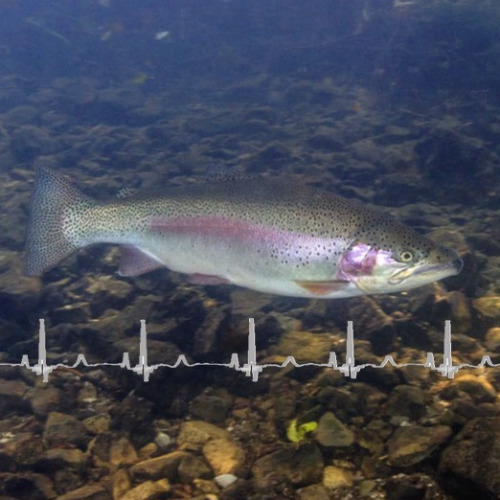
Vesa Paajanen is a University Lecturer at the University of Eastern Finland's Faculty of Science, Forestry and Technology, specializing in the Department of Environmental and Biological Sciences. His teaching emphasizes learner-centered blended-learning (flipped classroom) and work-related methodologies to prepare students for careers in education and biological laboratories. He has led multiple university-supported pedagogical development projects and received the 2018 Good Teacher Award (Biology Student Union) and Excellent Teacher in Practice Award (University of Eastern Finland) for innovation in online education. His research bridges two domains: Animal Physiology (cardiac electrophysiology in fish, ion channels, thermal adaptation) and Educational Innovation (flipped classrooms, learning analytics). He actively collaborates with the Animal Physiology research group and develops tools like the Digiopettajan starttipaketti (Digital Teacher Starter Package). Publication trends reveal a shift: earlier work (2002–2009) focused on molecular cardiology and environmental adaptation in fish , while recent outputs (2022–2024) prioritize pedagogical analytics, peer-supported online teaching, and LMS efficiency . His articles consistently address core themes of adaptation—whether biological (thermal stress, anoxia) or educational (digital transition, collaborative learning). Awards & Recognition: Good Teacher Award (2018) Excellent Teacher in Practice Award (2018) He contributes to faculty development through peer-support frameworks and learning analytics initiatives , enhancing institutional pedagogy. No advising relationships or grants are detailed in available sources.
Peter Mattjus is a Senior Lecturer in Biochemistry and Docent in Lipid Biochemistry at Åbo Akademi University's Faculty of Natural Sciences and Engineering, Department of Biochemistry and Cell Biology. His research focuses on lipid transfer proteins, particularly the glycolipid transfer protein (GLTP), and their role in intracellular lipid transport and membrane biology. Dr. Mattjus received his M.Sc. in Biochemistry from Åbo Akademi University in 1993, followed by his Ph.D. in Biochemistry from the same institution in 1996. He completed postdoctoral research at the Hormel Institute - University of Minnesota in the Membrane Biochemistry Section under Prof. Rhoderick E. Brown. His research centers on understanding how glycosphingolipids function as recognition sites on cell surfaces, maintaining membrane stability and facilitating cell-to-cell connections to form tissues. The Mattjus lab specifically investigates the intracellular transport mechanisms of glycosphingolipids, with particular focus on the glycolipid transfer protein GLTP. Current research examines GLTP's involvement at ER exit sites, intracellular vesicular trafficking, and its relationship with enzymes responsible for sphingolipid synthesis. The lab also studies the consequences of silencing GLTP on sphingolipid production and identifies proteins that interact with GLTP. Analysis of Dr. Mattjus's recent publications reveals a consistent focus on lipid transport mechanisms, particularly glycolipid transfer proteins and their role in cellular processes. His work spans fundamental membrane biology to disease-related applications, including cancer research where lipid metabolism alterations have significant implications. The research demonstrates increasing sophistication in methodology, from basic protein characterization to complex cellular and disease models. The Per Brahe Prize (awarded December 11, 2007) Dr. Mattjus has supervised numerous doctoral and master's students throughout his career, with recent supervision including PhD candidates Max Lönnfors, Anders Backman, Henrik Nurmi, and Linda Englund. His research has been supported by prestigious funding sources including the Jane & Aatos Erkko Foundation, Magnus Ehrnrooth Foundation, Medicinska Understödsföreningen Liv och Hälsa, and Svenska Kulturfonden. His current major project, 'The glycolipid transfer protein GLTP - A lipid sorting orchestrator in health and disease' (2019-2024), investigates GLTP's fundamental role in lipid sorting and its implications for human health. The Mattjus lab, also known as the Lipid Transfer Protein Research group, maintains an active research program with current members including postdoc Max Lönnfors and graduate students Anders Backman, Henrik Nurmi, and Linda Englund. The lab website (http://www.users.abo.fi/pmattjus/) serves as a hub for their research activities and publications.
Käthe Dahlström is a Senior Lecturer in the Department of Biochemistry and Cell Biology at Åbo Akademi University's Faculty of Natural Sciences and Engineering. She is affiliated with the InFLAMES flagship (Innovation Ecosystem based on the Immune System) focusing on solutions for health. Her academic work centers on structural biology and bioinformatics approaches to understanding protein structure-function relationships. Dr. Dahlström's research primarily focuses on structural bioinformatics , with particular emphasis on protein 3D structure determination using both computational modeling and crystallographic methods. Her work explores the structural basis for ligand specificities, especially for proteins relevant to human health and disease. Key research areas include Notch signaling pathway components, copper-containing amine oxidases, and molecular recognition mechanisms. Analysis of her publication history shows a consistent research trajectory in structural biology with applications in cancer biology, enzymology, and drug design. Her recent work has increasingly incorporated machine learning approaches for protein structure prediction, reflecting current trends in computational structural biology. She has established productive collaborations, particularly with researcher T.A. Salminen, resulting in multiple high-impact publications. Dr. Dahlström is an active member of the Structural Bioinformatics Laboratory (SBL) where she contributes to advancing methodologies for protein structure determination and analysis. Her research has practical implications for understanding disease mechanisms and developing targeted therapeutic approaches.
Taina Heikkilä is a Researcher at Åbo Akademi University's Department of Biosciences within the Faculty of Science and Engineering. She is actively involved in the InFLAMES flagship research program (Innovation Ecosystem based on the Immune System) focusing on solutions for health. Her work spans across cell biology, immunology, and gastroenterology with particular emphasis on understanding intestinal inflammation and epithelial cell function. Dr. Heikkilä's research primarily focuses on the role of keratin intermediate filaments in colon epithelial cells, their relationship with mitochondrial function, and nuclear envelope integrity. Her work has significant implications for understanding inflammatory bowel diseases and developing novel imaging techniques for detecting intestinal inflammation. She has made substantial contributions to understanding how keratins act as guardians of epithelial homeostasis in the colon. Analysis of her publication record shows a clear progression from earlier work in chemical engineering (2013) to her current focus on cellular and molecular mechanisms in gastrointestinal health. Her recent publications (2020-2024) demonstrate increasing specialization in the role of keratins in colonocyte biology, mitochondrial energy metabolism, and inflammatory bowel disease imaging techniques using advanced PET methodologies. Dr. Heikkilä collaborates extensively within the InFLAMES research ecosystem, particularly with Professor Toivola's research group. Her work shows strong interdisciplinary connections between cell biology, immunology, and medical imaging, with applications in diagnosing and understanding inflammatory bowel conditions.
Adrian Goldman is a Professor at the University of Helsinki, Faculty of Biological and Environmental Sciences, working within the Molecular and Integrative Biosciences Research Programme. His research focuses on membrane proteins and protein complexes at or near the cell surface, with significant contributions to structural biology and biochemistry. He holds positions as supervisor for multiple doctoral programmes including the Doctoral Programme in Plant Sciences, Doctoral Programme Brain & Mind, and Doctoral Programme in Integrative Life Science. Professor Goldman's research interests center on membrane protein systems, which are targeted by more than 50% of current drugs. His work spans neuronal protein interactions (including GDNF-GFRα-RET, MANF, and neuronal LRR-proteins) and host-pathogen interactions involving trimeric autotransporters, factor H, and complement. He has developed expertise in studying membrane proteins using advanced techniques that allow for lower amounts and greater spatial and temporal precision than previously possible. His recent publications reveal a strong focus on membrane-bound pyrophosphatases, with numerous papers examining their structure, function, and inhibition mechanisms. Other significant research areas include protein structure related to autism spectrum disorder (PTCHD1 research), oncogenic mutations, and host-pathogen interactions. His work demonstrates a consistent pattern of investigating membrane protein structure-function relationships with implications for drug development. Professor Goldman currently leads several major research projects including 'PTCHD1: towards a molecular and cellular understanding of autism spectrum disorder' (2023-2027, funded by the Research Council of Finland), 'Molecular basis of oncogenic mutations' (2023-2025), and previously led 'Novel inhibitors of protozoan parasites' (2015-2018, funded by the Jane & Aatos Erkko Foundation). His academic service includes extensive supervision of doctoral students, participation in numerous conferences and workshops worldwide, and membership in various review committees including for the Israel Research Foundation, Norwegian Research Foundation, and EU funding bodies. He has been actively involved in international collaborations through projects like the Marie Curie ITN ViBrANT (2018-2021) and RAMP (2017-2021).