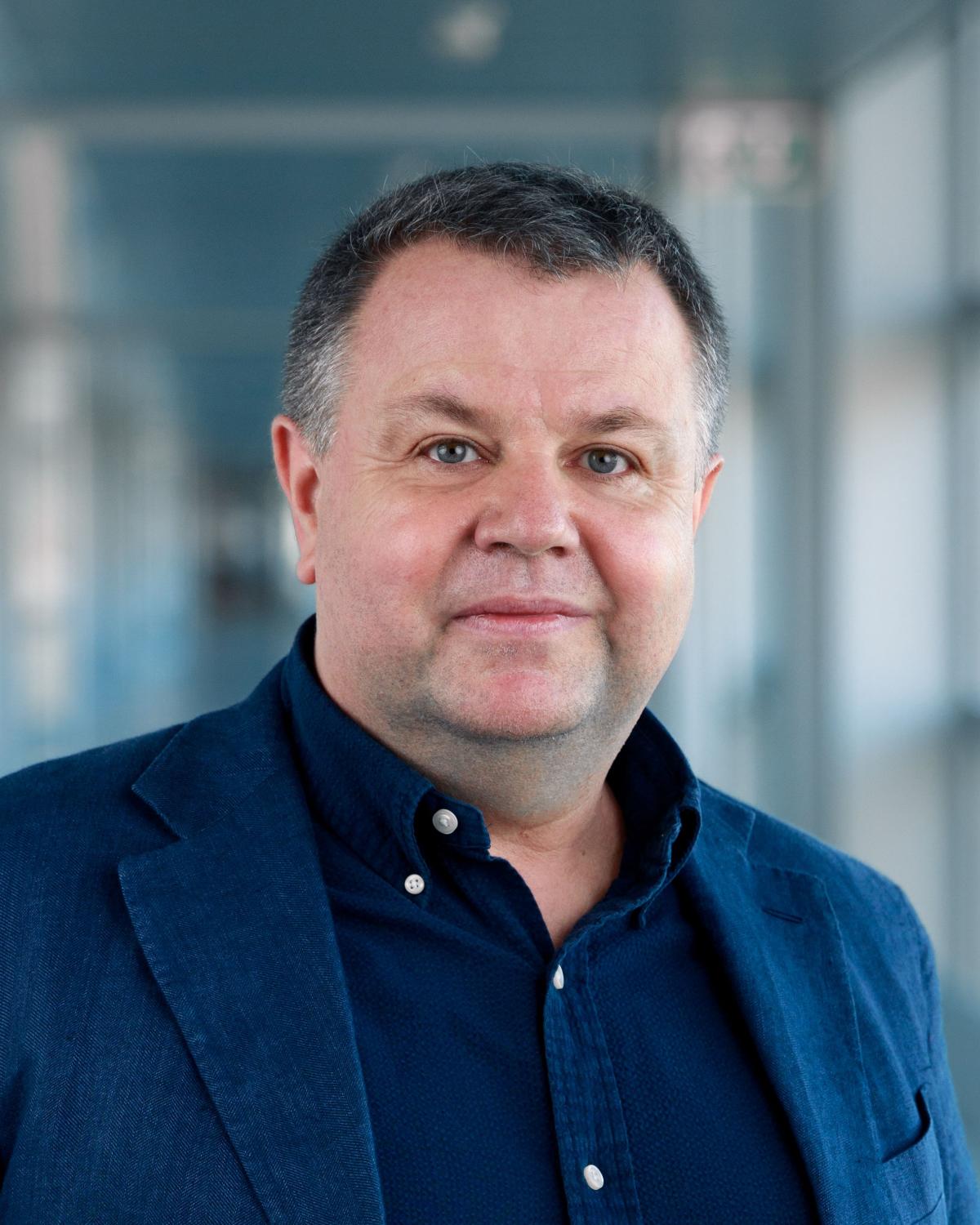
Robert J. Hamers is a Professor of Chemistry and the Steenbock Professor of Physical Science at the University of Wisconsin-Madison . He serves as the Director of the Center for Sustainable Nanotechnology , a multi-institutional collaboration, and is a Senior Editor for Accounts of Chemical Research . Additionally, he co-founded the startup Silatronix, Inc. and leads the ACS/UW-Madison Bridge to the Chemistry Doctorate Program . B.S. in Chemistry, University of Wisconsin-Madison (1980) Ph.D. in Chemistry, Cornell University (1986) Hamers' research focuses on surface chemistry, nanotechnology, and renewable energy , with specific interests in electrochemical energy storage, photoelectron emission mechanisms, and environmental impacts of nanomaterials . His group develops ultra-stable surface chemistries for energy devices and investigates charge-transfer processes at material interfaces . Recent publications highlight advances in diamond-based materials , organosilicon electrolyte additives , and environmental fate of nanomaterials . Scientific recognitions include the Wisconsin Distinguished Professor title. His work bridges fundamental surface science with applied technologies through collaborations with academic institutions, national laboratories, and industry partners like Dow Chemical . The Hamers Group actively trains graduate students and postdoctoral researchers in multidisciplinary approaches.
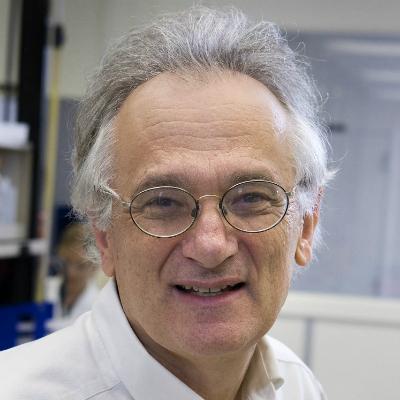
Jörg F. Löffler is a Full Professor of Metal Physics and Technology at the Department of Materials, ETH Zürich , where he has been since 2003. He previously served as Chairman of the Department (2010–2013) and holds Adjunct Professor positions at Tohoku University (Japan) and a Visiting Faculty role at Caltech. His research focuses on bulk metallic glasses , metallic biomaterials , and magnetic materials , combining synthesis, characterization, and applications in biomedical and structural contexts. Educations : Studied Physics and Materials Science at Saarland University (Germany), earned his doctorate at ETH Zurich and Paul Scherrer Institute on magnetism and neutron scattering (1997). Research Trends : Recent work explores additive manufacturing (e.g., laser powder bed fusion), biodegradable magnesium alloys for implants, and magneto-structural coupling in metallic glasses. Collaborative efforts integrate in situ analysis with computational modeling. Scientific Awards : International Magnesium Science and Technology Award (2023) MRS Fellow (2021) DGM 'Breakthrough' Prize (2016) Masing Memorial Prize (2005) ETH Zurich Medal (1998) Alexander von Humboldt Fellowship (1998-2001) Löffler advises the Department of Materials Science and Engineering at UC Davis and serves on editorial boards. His group at ETH Zürich investigates advanced metallic materials using synchrotron radiation and neutron scattering facilities.
Weiping Tang is a Professor of Pharmaceutical Sciences and Chemistry at the University of Wisconsin-Madison, holding the Janis Apinis Professorship in the School of Pharmacy and the Vilas Distinguished Achievement Professorship. He also serves as Director of the Medicinal Chemistry Center at the School of Pharmacy and maintains a faculty appointment with the Department of Chemistry in the College of Letters and Science. Janis Apinis Professor of Pharmaceutical Sciences Vilas Distinguished Achievement Professor Director of Medicinal Chemistry Center Faculty Appointment with Department of Chemistry Dr. Tang received his B.S. in Chemistry from Peking University in 1997, M.S. in Chemistry from New York University in 1999, Ph.D. in Organic Chemistry from Stanford University in 2005, and completed a postdoctoral fellowship in Medicinal Chemistry, Chemical Biology and Drug Discovery at Harvard University in 2007. Dr. Tang's research program focuses on drug discovery for cancer, infectious diseases, and neurodegenerative disorders through three interconnected areas: Organic Synthesis (advancing glycoscience through novel carbohydrate synthesis technologies), Medicinal Chemistry (developing small molecules that selectively remove disease-associated proteins), and Chemical Biology (dissecting biological pathways using novel small molecule probes). His group operates as an interdisciplinary team where chemists and biologists collaborate closely on drug discovery projects, with particular emphasis on developing novel degraders for disease-causing proteins. Analysis of Dr. Tang's publication record reveals a significant shift toward targeted protein degradation technologies, particularly PROTACs and molecular glues, while maintaining strong foundations in carbohydrate chemistry. His most impactful recent work includes developing degraders for extracellular and membrane proteins (previously considered 'undruggable'), creating rapid synthesis platforms like Rapid-TAC and Rapid-Glue, and advancing understanding of ternary complex formation for novel PROTAC design. His research spans both chemical methodology development and therapeutic applications across multiple disease areas. Vilas Distinguished Achievement Professorship Janis Apinis Professorship Numerous high-impact publications in leading chemistry and pharmacology journals Editor's pick and hot paper designations for significant contributions Dr. Tang mentors a diverse team of graduate students, postdoctoral fellows, and staff scientists with expertise spanning synthetic chemistry, medicinal chemistry, carbohydrate chemistry, computational chemistry, biochemistry, and cell biology. His group has developed innovative platforms for the rapid synthesis of protein degraders and has made significant contributions to understanding the mechanisms of action for these novel therapeutics. Current research includes developing selective degraders for cancer targets like RIPK1, BRD4, and CARM1, as well as advancing delivery systems for clinical translation. The Tang Research Group maintains state-of-the-art facilities within the School of Pharmacy at UW-Madison, equipped for comprehensive chemical synthesis, compound characterization, and biological evaluation. The group actively collaborates with researchers across campus and with industry partners to advance discoveries toward clinical applications, with particular focus on cancer therapeutics and protein degradation technologies.
Dr. Steven G. Clarke is a Distinguished Professor at UCLA Department of Chemistry & Biochemistry and director of research at the Molecular Biology Institute . His work bridges protein chemistry , methylation biology , and aging research through studies of spontaneous protein damage and its repair mechanisms. Education: BA in Chemistry and Zoology, Pomona College (magna cum laude, Phi Beta Kappa) PhD in Biochemistry and Molecular Biology, Harvard University (NSF Fellow) Postdoctoral Fellowship at UC Berkeley (Miller Fellow) Dr. Clarke's research focuses on protein isoaspartyl repair via PCMT1/PIMT enzymes , ribosomal protein methylation in Saccharomyces cerevisiae , and PRMT family characterization including PRMT7 and PRMT9. His lab combines biochemical assays , genetic models , and structural analysis to investigate aging mechanisms and disease implications. Recent publications highlight: COQ5 structure-function analysis in coenzyme Q biosynthesis PCMTD1 ubiquitin ligase interactions PRMT7 substrate specificity in histone H2B Protein isoaspartyl impacts on T cell function in lupus Novel PRMT inhibitors for cancer therapy Methionine addiction in osteosarcoma malignancy Major scientific awards: American Chemical Society Ralph F. Hirschmann Award in Peptide Chemistry NIH MERIT Award Ellison Medical Foundation Senior Scholar Award William C. Rose Award, ASBMB UCLA Distinguished Teaching Award (Eby Award winner) Current lab members include PhD candidates Eric Pang (UCSB) and Sining "Cindy" Wang (UCLA), while undergraduates Celeste Medina-Seymoure , Elizabeth Oroudjeva , Olivia Pacheco , and Jasmine Winter contribute to ongoing proteostasis studies. Collaborations with Profs. Jose Rodriguez and Catherine Clarke demonstrate interdisciplinary research approaches.
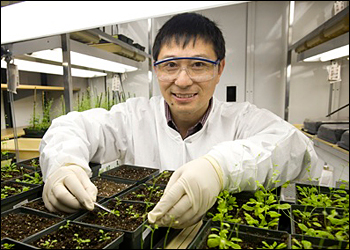
Chang-Jun Liu is a Senior Scientist in the Plant Science Group of the Biology Department at Brookhaven National Laboratory, where he has conducted research on plant phenylpropanoid biosynthesis and lignin metabolism since joining in 2005. He also holds an Adjunct Professor position in the Biochemistry & Cell Biology Department at Stony Brook University and serves as Associate Editor for Plant Cell & Environment (2024-present) and Frontiers in Plant Sciences (2015-present). Dr. Liu's educational background includes: Ph.D. in Plant Biochemistry and Molecular Biology from the Shanghai Institute of Plant Physiology, Chinese Academy of Science (1999) Dr. Liu's research integrates approaches from biochemistry, molecular genetics, biophysics, protein engineering, metabolic engineering, and synthetic biology to investigate phenylpropanoid and lignin biosynthesis in plants. His laboratory addresses fundamental questions about how lignin and related compounds are synthesized and incorporated into cell walls, how regulatory networks govern metabolic activity, and how lignification influences cell wall structure and function. A central aim of his research is optimizing plant feedstocks for efficient lignocellulosic biomass utilization. Analysis of Dr. Liu's publication record reveals a consistent trajectory from fundamental biochemical mechanisms to applied bioenergy solutions. His recent work focuses on cytochrome b5 diversity, electron transfer mechanisms in phenolic biosynthesis, and metabolic engineering approaches to modify lignin composition. This research spans from evolutionary studies of lignin biosynthesis across plant lineages to practical applications in bioenergy crop improvement. Dr. Liu has received recognition for his contributions to science, including: Brookhaven National Laboratory Science and Technology Award (2018) Dr. Liu serves as Editorial Board Member for the Journal of Biological Chemistry (2020-present), PNAS Nexus (2024-present), and Plant Physiology Journal (2025-). He is Scientific Lead at the Joint BioEnergy Institute, Feedstocks Division, Lawrence Berkeley National Laboratory, and Project Lead at the Center for Bioenergy Innovation, Oak Ridge National Laboratory. His research is funded by the U.S. Department of Energy through multiple Bioenergy Research Centers. Dr. Liu leads a research group at Brookhaven National Laboratory focused on elucidating the posttranslational regulation and macromolecular organization of lignin biosynthesis, with applications toward developing designer lignins and reducing biomass recalcitrance for sustainable biofuel production. His work addresses the critical challenge of lignin's dual nature: while it impedes enzymatic access to polysaccharides in biofuel production, it also represents the most abundant renewable source of aromatic carbon for high-value bioproducts.
Dewey G. McCafferty is Professor of Chemistry at Duke University with appointments in Biochemistry and the Duke Cancer Institute. His research focuses on chemical biology of chromatin-modifying enzymes and ubiquitin signaling pathways relevant to neurodegeneration and infection. Notable work includes discovering the lasso peptide antibiotic Arcumycin, characterizing the Nedd4 ubiquitin ligase in Parkinson's disease models, and developing chemoproteomic approaches for target identification. Key contributions include elucidation of the futalosine pathway in Chlamydia infections, mechanisms of CPAF protease in bacterial pathogenesis, and engineering of histone demethylase enzymes. McCafferty received the Eli Lilly Award in Biological Chemistry (2005) and directs NIH-funded projects on ubiquitin ligases in neurodegeneration.
David Vocadlo is a Distinguished Professor of Chemistry and Molecular Biology & Biochemistry at Simon Fraser University (SFU), holding the Canada Research Chair in Chemical Biology. His research focuses on Chemical Glycobiology, investigating carbohydrate-processing enzymes and developing chemical tools to study glycan roles in health and disease. His lab explores O-GlcNAc signaling, neurodegenerative disorders (e.g., Alzheimer’s, Parkinson’s), and enzyme inhibitors for therapeutic applications. Education: PhD from University of British Columbia (UBC), followed by a CIHR postdoctoral fellowship at UC Berkeley. Key roles include E.W.R. Steacie Memorial Fellow and Royal Society Fellow. Research highlights include O-GlcNAcase inhibitors for neuroprotection, glycan structure-function relationships, and enzyme activity imaging tools. Collaborates globally with experts in glycobiology and employs cutting-edge techniques like chemical synthesis, mass spectrometry, and live-cell imaging. Awards: Distinguished Professor title, Canada Research Chair, Royal Society Fellowship. Active in training researchers through SFU’s graduate programs, emphasizing interdisciplinary approaches. Lab members work on topics ranging from enzyme mechanisms to disease modeling.
Patricia Champion is a Professor in the Department of Biological Sciences at the University of Notre Dame, where she holds the title of Notre Dame Collegiate Professor. Her research is centered on the molecular mechanisms of mycobacterial pathogenesis, with a focus on protein transport and virulence. She is affiliated with the Eck Institute for Global Health and the Center for Rare and Neglected Diseases. PhD in Molecular Biology, Princeton University (2003) B.S. in Biological Sciences, Carnegie Mellon University (1998) Her research interests lie in understanding how pathogenic mycobacteria, including Mycobacterium tuberculosis and M. marinum , cause disease through targeted protein secretion, particularly via the Type VII (ESX-1) secretion system. She investigates how secreted proteins function as effectors and regulate gene expression, and how post-translational modifications like acetylation influence virulence. Her lab employs an interdisciplinary approach combining genetics, molecular biology, proteomics, and transcriptomics. The recent publications highlight a strong focus on ESX-1-mediated secretion, identification of novel substrates, regulatory mechanisms (e.g., WhiB6, EspM), and post-translational modifications. The work spans fundamental bacterial physiology to host-pathogen interactions, contributing to the broader goal of identifying targets for anti-virulence therapeutics against tuberculosis. Her scientific recognition includes being named a Notre Dame Collegiate Professor, a distinguished honor reflecting her scholarly excellence. Dr. Champion leads an active research laboratory committed to fostering an inclusive and respectful environment, emphasizing core values such as integrity, teamwork, and excellence. Her lab's work is supported by ongoing research grants, though specific funding sources are not detailed in the text. The Champion Lab operates within the Department of Biological Sciences and collaborates with key institutes at Notre Dame focused on global and neglected diseases.
Christopher M. Overall is a Full Professor at the University of British Columbia in the Faculty of Dentistry, Department of Oral Biological and Medical Sciences . He is also a Principal Scientist at the Centre for Blood Research and holds associate memberships in UBC's Biochemistry & Molecular Biology , Obstetrics and Gynecology , and Bioinformatics Graduate Program departments. As a Canada Research Chair Laureate , he pioneered the field of degradomics to study proteases in vivo. B.D.S., University of Adelaide Ph.D., University of Toronto Postdoctoral Fellowship, UBC (with Nobel Laureate Michael Smith) Dr. Overall’s research focuses on protease proteomics and systems biology , particularly degradomics to analyze protease substrates in diseases like COVID-19 and immunodeficiency . His work on matrix metalloproteinases has revealed new therapeutic strategies for inflammatory diseases and cancer . His 15 most recent articles (2015–2008) demonstrate expertise in TAILS proteomics , protein terminomics , and protease network analysis with applications in arthritis , antiviral immunity , and precision medicine . Scientific Awards 2022 Helmut Holzer Award 2018 Royal Society of Canada Fellow 2014 Tony Pawson Canadian Proteomics Award 2013 IADR Distinguished Scientist Award Dr. Overall has mentored 61 trainees , including 9 full professors with department chairs, and received the UBC John McNeill Mentorship Award (2023). He leads the HUPO Chromosome-centric Human Proteome Project and consults for Genentech and Novartis .
Professor Matthias Mann is a world-leading scientist serving as Director of the Proteomics and Signal Transduction department at the Max Planck Institute of Biochemistry in Martinsried, Germany, and Director of the Proteomics department at the Novo Nordisk Foundation Center for Protein Research, Faculty of Health Sciences, University of Copenhagen, Denmark. With an h-index exceeding 277 and over 350,000 citations, he is recognized as the highest cited German researcher and one of the most influential scientists globally in proteomics. His educational background includes: Ph.D. in Chemical Engineering from Yale University (1988) Master's Degree in Physics from Georg August University Göttingen (1984) Bachelor's of Arts in Mathematics from Georg August University Göttingen (1982) Professor Mann's research focuses on advancing mass spectrometry-based proteomics to understand biological systems at the protein level. His work spans technological developments in mass spectrometry, bioinformatics and computational analysis, signal transduction and posttranslational modifications, and clinical proteomics applications for disease diagnosis and treatment. The Mann lab has pioneered groundbreaking methods like SILAC for quantitative proteomics and MaxQuant for proteome data analysis. Their vision is to translate proteomics knowledge into clinical practice for predictive, diagnostic, and preventive medicine, with recent work focusing on AI-guided platforms for analyzing proteomes from minimal tissue samples. Analysis of Professor Mann's recent publications reveals a strong trend toward clinical applications of proteomics, particularly in cancer research, metabolic diseases, and neurodegenerative disorders. His work increasingly integrates spatial proteomics, single-cell resolution techniques, and artificial intelligence approaches to uncover disease mechanisms and identify potential biomarkers, with a clear shift from basic technology development toward direct clinical applications and personalized medicine. Professor Mann has received numerous prestigious awards throughout his career: 2025: Elected member of the American National Academy of Sciences 2024: Dr. H.P. Heineken Award for Biochemistry and Biophysics 2023: Otto Warburg Medal 2019: Nominated member of the Bavarian Academy of Sciences 2013: Elected member of Leopoldina German National Academy of Sciences 2012: Körber European Science Award, Louis-Jeantet Foundation Prize for Medicine, Ernst Schering Prize, and Leibniz Prize Professor Mann leads a highly collaborative research team involved in multiple international networks including the Bill & Melinda Gates Foundation, Michael J. Fox Foundation for Parkinson's Research, CLINSPECT-M, and Munich Heart Alliance. His lab has mentored numerous successful researchers, with several former postdocs receiving prestigious ERC Starting Grants. The Mann group has developed innovative clinical proteomics pipelines for analyzing archived tissue specimens and body fluids, aiming to identify protein markers for early detection of diseases such as diabetes and cancer. The Mann lab operates across two major research centers with state-of-the-art mass spectrometry facilities. Their Clinical Knowledge Graph platform integrates multi-omics data with extensive metadata, creating an ecosystem for machine learning applications in proteomics. Current research focuses on developing highly sensitive methods that can profile thousands of proteins from minimal cell samples, enabling the identification of critical disease-related proteins and supporting the development of individualized therapies.
Rotem Karni, PhD, is an Associate Professor of Genetics at the Perelman School of Medicine, University of Pennsylvania, Philadelphia. He leads a research lab focused on understanding how alternative RNA splicing contributes to cancer and genetic diseases, with a strong emphasis on translating these findings into RNA-based therapies. Karni's lab develops decoy oligonucleotides, small molecules, and splice-switching technologies to modulate splicing factors and enhance immunotherapy. Education BSc in Biological Chemistry from The Hebrew University of Jerusalem (1997) PhD in Biological Chemistry from The Hebrew University of Jerusalem, Israel (2002) Postdoctoral Fellowship at Cold Spring Harbor Laboratory, NY (2002-2007) Karni's research explores the deregulation of alternative splicing in oncogenesis, particularly how splicing factors like RBFOX2 and S6K1 influence metastasis, DNA repair, and immune checkpoint modulation. His team investigates m6A RNA modifications for stabilizing mutant genes, with applications in Duchenne Muscular Dystrophy and pancreatic cancer. The lab's work is commercialized through biotech companies: SKIP Therapeutics, Andlit Therapeutics, and RNAble. Selected Research Trends RNA mis-splicing and neoantigen generation (2025) Splicing factor inhibition for tumor suppression (2023) Metastatic splicing signatures in pancreatic cancer (2023) Immune checkpoint splicing in cancer immunotherapy (2021) m6A modulation for mRNA stabilization (2023) Advising & Collaborations Karni has mentored numerous PhD and postdoctoral researchers, many of whom now hold leadership roles in academia, biotech, and medical institutions globally. His lab collaborates extensively on projects involving RNA innovation, including partnerships with the Institute for RNA Innovation. Contact Department of Genetics & Institute for RNA Innovation, One uCity Square, Room 4018, Philadelphia, PA 19104 Phone: 215-898-5072 Email: Rotem.Karni@Upenn.edu
Steven L'Hernault is Professor and Chairman of Biology at Emory University, where he leads research on cellular and developmental processes using Caenorhabditis elegans models. His laboratory investigates molecular mechanisms underlying spermatogenesis, focusing on genetic controls of sperm development and function. The L'Hernault Lab studies highly conserved genome protection mechanisms in germ lines using genetic, molecular, and biochemical approaches. Key research areas include secretory vesicle function, membrane protein interactions, and ubiquitin ligase activity during sperm differentiation. Recent publications examine paternal epigenetic inheritance pathways and palmitoyltransferase functions in spermiogenesis. The lab maintains an extensive collection of C. elegans mutants with defective spermatogenesis to study fundamental cellular processes.
James Van Etten is the William Allington Distinguished Professor of Plant Pathology at the University of Nebraska-Lincoln, affiliated with the School of Biological Sciences and Nebraska Center for Virology. His research focuses on chloroviruses—large dsDNA viruses infecting Chlorella-like algae—with emphasis on DNA replication, restriction systems, and membrane transport proteins. Key research themes include: Viral DNA modification systems Host-virus interactions Structural virology Evolution of organellar genomes Recent work analyzed: SMRT sequencing of viral methylation patterns Chlorovirus cryopreservation methods Potassium channel biophysics Host chemical signaling mechanisms Lab webpage: vanettenlab.unl.edu
Prof. Waldemar Kolanus leads the Molecular Immunology and Cell Biology department at the University of Bonn's Life & Medical Sciences Institute (LIMES) . His research bridges immunoregulation , stem cell dynamics , and metabolic stress responses in immune cells. Unit 2 member at LIMES Principal investigator in SFB 704 and ImmunoSensation Cluster Leads a multidisciplinary lab with postdocs, PhD students, and technical staff His work focuses on intracellular signaling pathways connecting immune activation to tissue homeostasis, particularly through: Cytohesin proteins in integrin-mediated adhesion and migration TRIM71 in stem cell regulation and congenital hydrocephalus High-salt environments affecting macrophage function Publication trends show expertise in immune cell migration , genetic models , and chemical inhibition , with frequent use of mice and zebrafish for in vivo studies. Key articles explore: TRIM71's dual role in auditory development and germ cell maintenance Cytohesin family's Golgi regulation and insulin signaling Ruxolitinib's off-target migration inhibition of dendritic cells Contact details: Address: LIMES Institute, Carl-Troll-Straße 31, Bonn Email: kolanus.sekretariat@uni-bonn.de Phone: +49 228 73-62788
Michael Groll serves as Professor and Chair of Biochemistry at the Technical University of Munich (TUM), where he leads structural biology and enzymology research with a focus on proteasome mechanisms and inhibitor development. His laboratory, located at the Ernst-Otto-Fischer-Str. 8 campus in Garching, maintains active collaborations in drug discovery for cancer and infectious diseases. His primary research domains include proteasome inhibition, enzyme catalysis, and natural product biosynthesis, employing X-ray crystallography, biochemical assays, and bioengineering to dissect molecular mechanisms. Recent work emphasizes AI-guided enzyme optimization, bacterial stress response targeting, and structural characterization of halogenation enzymes, reflecting interdisciplinary approaches bridging chemistry and biology. Analysis of his 2023-2025 publications reveals consistent innovation in proteasome-targeted therapeutics, with 15 high-impact papers featuring structural insights into enzyme-inhibitor complexes and biosynthetic pathways. Key trends include engineering megasynthetases for immunoproteasome inhibitors, optical control of protein degradation, and elucidating metal-dependent mechanisms in antibiotic biosynthesis. No scientific awards were documented in the provided source material. While specific grant details and student mentorship records were not disclosed, his extensive publication record indicates leadership in collaborative research projects involving structural biology and chemical biology methodologies. The Chair of Biochemistry under Prof. Groll operates as a hub for structural enzymology, housing facilities for protein crystallography, enzyme kinetics, and natural product characterization. His team actively contributes to TUM's research ecosystem through partnerships with pharmaceutical groups and international structural biology consortia.