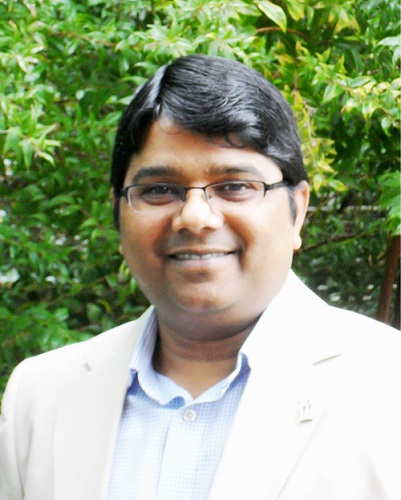
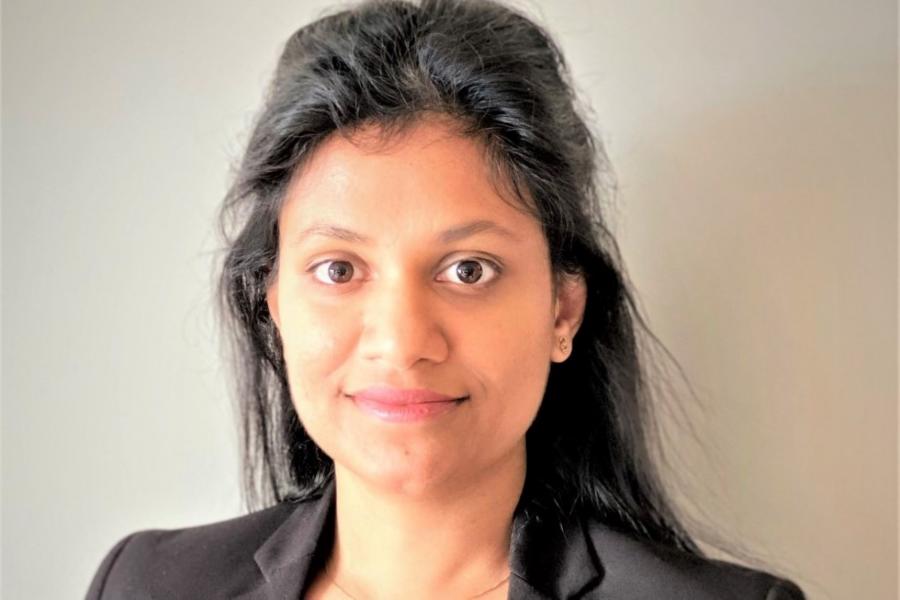
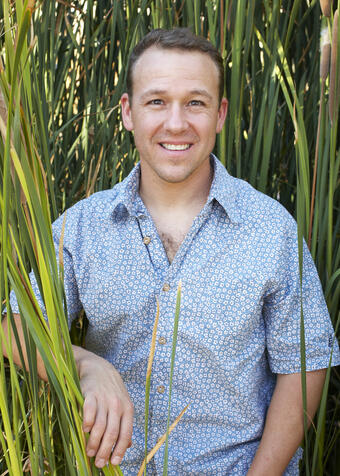
Anand Mohan is an Associate Professor at the University of Georgia , affiliated with the College of Agricultural & Environmental Sciences and the Department of Food Science and Technology . He can be contacted at anandmohan@uga.edu or via mail at 0129 Food Science Building, Athens, GA 30602. Research focuses on food ingredient innovation and meat product safety Teaches courses in food science and meat product development Developed the Food Product & Ingredient Innovation Lab Active in food chemistry and oxidation stability studies His research interests include food product development , physicochemical characterization , and meat safety . He explores oxidation reactions in muscle foods, antimicrobial interventions , and valorization of food byproducts . Recent work emphasizes plant-based meat analogs , edible flowers , and starch-based fortification . Recent publications highlight trends in food chemistry (e.g., lipid aldehyde detection), plant-based food innovation (culinary techniques and packaging), and starch modification . He also investigates meat preservation and enzymatic stabilization of food ingredients.
Dr. Maneka Malalgoda is an Assistant Professor in the Department of Food and Human Nutritional Sciences at the University of Manitoba's Faculty of Agricultural and Food Sciences. Her research focuses on grain chemistry, processing quality, and the development of healthy grain-based food systems. PhD in Cereal Science, North Dakota State University MSc in Cereal Science, North Dakota State University BSc in Medical & Pharmaceutical Biotechnology, University of Applied Sciences, Austria Dr. Malalgoda's research investigates the physicochemical properties of grain proteins and starches, their functionality in food processing, and the biological activity of grain biomacromolecules. She explores how these components contribute to nutritional value, safety, and structural integrity in bakery applications. Her recent publications highlight advancements in protein-enriched wholegrain bread, ancient grain processing optimization, oat protein health benefits, and pesticide residue impacts on cereal chemistry. Key trends include the use of analytical techniques (HPLC, LC-MS) and the intersection of traditional grains with modern nutritional needs. Dr. Malalgoda teaches courses in food science, including FOOD 4100: Current Issues in Food and Human Nutrition , FOOD 3220: Grains for Food and Beverage , and FOOD 3200: Bakery Science and Technology . She supervises graduate research at the University of Manitoba's Ellis Building facility.
Jane Wang is a Professor in the Department of Food Science at the University of Arkansas , where she has served since 1999, progressing from Assistant to Full Professor. She also holds the title of Director of the Experiment Station in the Department of Food Science. Her research focuses on starch structure-functionality relationships , rice quality , and biomaterial utilization , with over 120 refereed publications and 5 patents. Education: B.S. in Agricultural Chemistry (1986) from National Taiwan University , M.S. in Food Science (1989) from the University of Minnesota , and Ph.D. in Food Science (1992) from Iowa State University . Postdoctoral research in starch chemistry at Iowa State University (1993-1994). Research Interests: Jane Wang's work explores starch chemistry, rice processing optimization, and value-added applications of agricultural byproducts. She investigates how starch modifications affect food and pharmaceutical properties, with a particular focus on parboiling, germination, and enzymatic treatments. Her research also examines the impact of environmental factors on rice starch development and quality. Scientific Awards: Outstanding Departmental Research Award (2008) Outstanding Volunteer, IFT Carbohydrate Division (2007) Outstanding Mentor, University of Arkansas (2005) Grants & Professional Service: She has secured over $3M in research funding, including USDA-NIFA grants and industry contracts with more than 50 food companies. Jane has served on numerous academic committees (Patent, Promotion & Tenure, Curriculum) and held leadership roles in professional organizations like IFT and AACC. She has also acted as associate editor for Cereal Chemistry and Carbohydrate Polymers , and reviewed for multiple journals and agencies. Labs & Teams: Dr. Wang leads the Carbohydrate Research Program at the University of Arkansas, focusing on starch structure-functionality, rice fortification, and biomaterial development. Her lab collaborates with industry partners and academic institutions to advance food science applications.
Glenn H. Fredrickson is the Mitsubishi Chemical Professor of Functional Materials in the Department of Chemical Engineering at the University of California, Santa Barbara, with additional appointments in the Materials Department. He directs the Mitsubishi Chemical Center for Advanced Materials (MC-CAM) and the Complex Fluids Design Consortium (CFDC), and previously chaired the Chemical Engineering department (1998-2001). He is an elected member of both the National Academy of Engineering and the National Academy of Sciences. Education Ph.D. Chemical Engineering, Stanford University (1984) M.S. Chemical Engineering, Stanford University (1981) B.S. Chemical Engineering, University of Florida (1980) Research Interests Fredrickson leads an internationally recognized program in theoretical and computational polymer science , focusing on self-assembly of block copolymers , complex fluids , and field-theoretic simulation methods . His group pioneered field-theoretic simulations (FTS) —numerical techniques to solve statistical field theories of polymers—enabling predictive design of advanced materials including high-performance plastics, ion-conducting electrolytes, and nanostructured membranes. Current themes include quantum-fluid analogs, machine-learning-accelerated discovery, and sustainable polymer formulations. Recent Publication Trends Between 2022 and 2025, Fredrickson’s group published extensively on block copolymer morphology control , polymer electrolytes for energy storage , phase-separation kinetics , and quantum many-body analogs in soft matter . Notable advances include machine-learning-enhanced self-consistent field theory, molecularly informed models for surfactant and polyelectrolyte systems, and the application of polymer field theory to spin-orbit-coupled Bose-Einstein condensates. Scientific Awards & Honors Election to National Academy of Sciences (2021) Materials Theory Award, Materials Research Society (2017) William H. Walker Award, AIChE (2016) Polymer Physics Prize, American Physical Society (2007) Election to National Academy of Engineering (2003) Alfred P. Sloan Fellow (1992) Camille and Henry Dreyfus Teacher-Scholar Award (1991) Presidential Young Investigator Award, NSF (1991) Research Group & Funding The Fredrickson Research Group comprises ~15 graduate students and several post-doctoral researchers. The group is supported by multi-agency grants including NSF, DOE, and industry partnerships through the Mitsubishi Chemical Center for Advanced Materials and the Complex Fluids Design Consortium. Laboratory & Collaborative Networks State-of-the-art computational facilities are housed in the Materials Research Laboratory (MRL) at UCSB. Collaborative projects extend to leading experimental groups worldwide, integrating theory with synthesis, characterization, and device testing to accelerate materials innovation.
Manfred Zinn serves as a Professor at the University of Applied Sciences and Arts Western Switzerland (HES-SO), specifically within the School of Chemistry and Life Sciences. He leads the Biotechnology and Sustainable Chemistry research group at the Life Science Engineering department in Sion, Switzerland. His academic position includes significant research leadership responsibilities and active contributions to the field of bioplastics and sustainable materials. Professor Zinn's research focuses primarily on biotechnology applications for sustainable materials, with particular expertise in polyhydroxyalkanoates (PHAs) and other bioplastics. His work spans microbial biosynthesis, material characterization, and industrial applications of biodegradable polymers. He investigates the metabolic pathways of PHA-producing microorganisms, develops novel analytical methods for biopolymer characterization, and explores practical applications of bioplastics in medical and industrial contexts. His research integrates microbiology, polymer chemistry, and process engineering to address challenges in sustainable materials development. Analysis of his recent publications (2019-2024) reveals a strong focus on advancing the science and technology of bioplastics, particularly polyhydroxyalkanoates. His work addresses key challenges in monomer composition control, polymer characterization, biosynthesis optimization, and industrial applications. A significant trend in his research involves developing sophisticated analytical methods for biopolymer production monitoring and exploring novel applications for biodegradable materials in medical and industrial contexts. His collaborative work spans multiple countries and institutions, reflecting the international nature of bioplastics research. Professor Zinn has secured significant research funding through multiple competitive grants, including Innosuisse and Swiss National Science Foundation projects. His research portfolio includes projects on biosynthesis of Chlorella, electroplating processes for biodegradable materials, and online flow cytometry analysis for microbial bioplastic production. These projects demonstrate his ability to secure funding for interdisciplinary research at the intersection of biotechnology, materials science, and sustainable chemistry. His collaborations extend to institutions including the Frauenhofer Institute and Chulalongkorn University in Bangkok. The Biotechnology and Sustainable Chemistry research group led by Professor Zinn maintains strong laboratory facilities for microbial cultivation, biopolymer synthesis and characterization. The group utilizes advanced equipment including bioreactors, flow cytometry systems, and polymer analysis instrumentation. Their research bridges fundamental science with practical applications, focusing on developing sustainable alternatives to conventional plastics while addressing technical challenges in production, characterization, and implementation.
Dr. Barak Ratzker is a researcher at the Max Planck Institute for Sustainable Materials , affiliated with the Microstructure Physics and Alloy Design department. His work focuses on the sustainable synthesis of materials, particularly through hydrogen-based reduction pathways and advanced sintering techniques like spark plasma sintering (SPS) and hot isostatic pressing (HIP). His research spans transparent ceramics, MAX/MXene phases, and alloy design. Key research areas include: Hydrogen reduction of oxides for sustainable metallurgy Pressure-assisted sintering (SPS/HIP) of transparent ceramics Microstructure engineering in refractory materials Development of MXene-based composites for electronics Thermodynamic and kinetic analysis of solid-state reactions His recent publications highlight trends in: Environmentally conscious processing of ferromanganese oxides High-pressure synthesis of MAX phases and MXenes Optimization of optical and mechanical properties in ceramics Dynamic deformation behavior under extreme conditions Biological material interactions (e.g., crusticul-chitin systems)
Theo van de Ven is a Professor and holds the Sir William C. Macdonald Chair in Chemistry at McGill University's Department of Chemistry. He serves as Director of the Quebec Centre for Advanced Materials (QCAM/CQMF). His research focuses on cellulose chemistry and its applications in novel materials, including nanocellulose-based composites, biodegradable products (e.g., straws, films), and advanced materials for drug delivery and environmental applications. His work also explores polyphenolic chemistry, such as lignin and tannic acid interactions with proteins in viral and neurodegenerative contexts. Van de Ven teaches CHEM 233 (Physical Chemistry for Engineers) and CHEM 585 (Colloid Chemistry), emphasizing phase boundary dynamics, electrochemistry, and surfactant science. His labs are located at the Pulp & Paper Building, with research emphasizing green chemistry and sustainable materials. His scientific contributions include pioneering work on hairy nanocellulose architectures and functionalized cellulose derivatives, earning recognition through prestigious awards. His research spans environmental and biomedical applications, including carbon fiber production from asphaltenes, silica/cellulose hybrids for catalysis, and tannic acid's role in protein interactions (e.g., SARS-CoV-2 and Alzheimer's). Collaborative efforts with industry and academia aim to bridge fundamental research with industrial applications, such as scalable cellulose-based filaments and films.
Professor David Bannerman is a leading academic in Behavioral Neuroscience at the University of Oxford's Department of Psychiatry. He heads the Behavioural Neuroscience Unit, focusing on neural mechanisms underlying anxiety, learning, and memory. His research integrates neurophysiological, genetic, and pharmacological approaches to study neuropsychiatric disorders such as Alzheimer’s, schizophrenia, and sleep disturbances. Education: BSc (Hons) and PhD qualifications are listed. His research interests span synaptic plasticity, neurodegenerative processes, and the neurobiology of fear/anxiety. Notable areas include the role of orexin pathways in anxiety, tau protein effects on spatial cognition, and the impact of psychedelics like 5-MeO-DMT on neural states. He also investigates sleep spindles’ role in brain state regulation and the consequences of SSRI discontinuation on serotonergic systems. Recent work emphasizes Alzheimer’s disease mechanisms (e.g., amyloid β’s synaptic effects), schizophrenia models (NMDA receptor dysfunction), and the neuroplasticity linked to working memory training. His lab employs cutting-edge techniques, including optogenetics and in vivo neural recordings, to dissect complex behaviors and circuit-level dysfunction. His publications highlight interdisciplinary approaches, bridging basic neuroscience with translational research. Key themes include: synaptic dysfunction in neurodegeneration, environmental influences on neurobehavioral outcomes (e.g., magnetic fields), and the neurobiological basis of psychiatric symptomatology.
Brian Hedlund is a Professor in the Department of Life Sciences at the University of Nevada, Las Vegas (UNLV). His research focuses on microbial ecology and genomics, particularly in extremophilic environments such as geothermal springs. He leads studies exploring microbial biodiversity, including 'dark' lineages of bacteria that remain underexplored. Hedlund employs advanced techniques like single-cell genomics, metagenomics, and stable isotope analysis to understand microbial roles in ecological processes. His work bridges fundamental research with applied biotechnology, including biofuels development and disease diagnostics. Hedlund’s research is funded by major agencies like NSF, NASA, DOE, and NIH. He co-authored the SeqCode, a nomenclatural system for naming uncultivated prokaryotes based on genomic data, and serves on grant review panels for national funding bodies. Education: Ph.D., Microbiology, University of Washington B.S., Biology, University of Illinois Research Interests: Microbial biodiversity in extreme environments Functional genomics of uncultivated microorganisms Applications in astrobiology and biotechnology International collaborations, particularly with China Grants & Funding: Major support from NSF, NASA, DOE, and NIH SeqCode development and microbial naming initiatives Labs & Teams: Hedlund collaborates with industrial and academic partners on projects ranging from biofuels to human microbiome studies, emphasizing interdisciplinary approaches.
Sylvie Morin is a Full Professor in the Department of Chemistry at York University, affiliated with the Faculty of Science. She holds a Canada Research Chair in Surface and Interfacial Electrochemistry and has been recognized with awards such as the Premier’s Research Excellence Award (2004) and the Petro-Canada Young Innovator Award (2000). Her research focuses on electrochemical systems, nanomaterials, and energy storage solutions, particularly exploring electrodeposition techniques and nanostructured coatings for catalytic applications. Dr. Morin’s educational background includes a Ph.D. in Chemistry from the University of Ottawa (1996), an M.Sc. from the University of Guelph (1991), and a B.Sc. in Honours Chemistry from Université de Sherbrooke (1988). She has held academic positions at York University since 1999, including roles as Associate Dean and Interim Director of One WATER. Her research group collaborates on projects involving hydrogen production via water electrolysis and the development of sustainable electrocatalysts. Her research interests span scanning tunneling microscopy (STM), electrochemistry of transition metal oxides, and functionalized surfaces for biomedical analysis. Key projects include investigating nanostructured materials for energy conversion and corrosion-resistant coatings from deep eutectic solvents. Dr. Morin has supervised numerous graduate students and postdoctoral researchers, contributing to the training of high-quality human resources in materials science and electrochemistry. Scientific awards include: Canada Research Chair (2001–2010) York University’s Petro-Canada Young Innovator Award (2000) Alexander von Humboldt Research Fellowship (Germany, 1996–1999) Her research has been funded through grants supporting interdisciplinary work in electrochemistry, materials science, and sustainable energy technologies. Collaborations include studies on vaccine adjuvants and viral genome organization, demonstrating her cross-cutting scientific contributions. Dr. Morin’s lab focuses on advancing low-dimensional material systems, with ongoing projects exploring novel electrodeposition methods and the structural-properties relationships in nanomaterials.
Xiaoqiang Wang is a Professor in the Department of Scientific Computing at Florida State University (FSU). His research focuses on numerical analysis, applied partial differential equations, mathematical biology, image processing, and scientific computing. He holds a Ph.D. from Pennsylvania State University (2005). His work emphasizes phase-field modeling for elastic bending energy, biological microstructures, and computational methods for complex systems. Notable contributions include advancements in centroidal Voronoi tessellation algorithms for image segmentation and high-performance computing techniques for scientific visualization. Recent publications highlight innovations in topology-preserving phase-field models, neural network-based energy minimization, and stochastic resource competition models. His research bridges theoretical mathematics with practical applications in biophysics, materials science, and biomedical engineering. Wang collaborates actively with interdisciplinary teams, contributing to FSU's computational science initiatives. His lab focuses on developing novel numerical methods and simulations for biological and physical systems, reflecting a commitment to both foundational and applied research.
Christine Campagne is a full professor at ENSAIT since 2010, affiliated with the Multifunctional Textiles and Processes Group. Her research activities focus on advanced textile functionalization and polymer surface modification techniques, with significant contributions to sustainable textile technologies and smart materials development. Professor Campagne's research interests span multiple cutting-edge areas of textile science. Her primary focus involves physical surface treatments using atmospheric plasma technology for textile functionalization, chemical surface treatments to impart antibacterial, hydrophilic, and hydrophobic properties to textiles, and 3D printing applications for textile innovation. She also specializes in surface nanostructuration for self-cleaning textiles, physico-chemical characterization of polymer surfaces, and processing of polymer nanocomposites including conductive and antibacterial multifilaments. Her work extends to the characterization and study of climatic ageing of textile materials, ensuring durability in various environmental conditions. Analysis of Professor Campagne's recent publications reveals a strong trend toward sustainable and multifunctional textile development. Her work increasingly focuses on bio-based solutions (like milk casein for antimicrobial textiles), eco-friendly processing techniques (plasma treatments replacing chemical mordants), and multi-functional applications where single textile systems provide multiple benefits (UV protection, water detection, chemical hazard protection). The research demonstrates growing integration of nanotechnology with traditional textile processes and increasing emphasis on circular economy principles in textile development. Professor Campagne serves as Principal Investigator or co-PI on several significant research projects including Autonotex, MA(T)TISSE, Phototex, Autotherme, Duratex, and MONI2TEX. Her teaching portfolio encompasses advanced topics in polymer science including physico-chemical properties of polymers , polymer functionalization , ageing mechanisms of polymers , biopolymers , and surface characterization of textile materials , reflecting her comprehensive expertise across both fundamental and applied aspects of textile science.
Dr. Chris A. Flask is a Professor at the Case Western Reserve University School of Medicine, with joint appointments in Radiology, Pediatrics, and Biomedical Engineering. He serves as Co-Director of the Imaging Research Core and Associate Director of the Medical Scientist Training Program, while also contributing to the Cancer Imaging Program at the Case Comprehensive Cancer Center. Research Focus Quantitative Magnetic Resonance Imaging (MRI) MRI Physics and Pulse Sequence Design Lung Imaging in Cystic Fibrosis Kidney Imaging in Polycystic Kidney Disease, Sickle Cell Disease, and Diabetic Nephropathy Liver Imaging for Inflammation and Fibrosis Scientific Recognition Distinguished Investigator Award 2023 from The Academy for Radiology and Biomedical Imaging Research Reviewer with Distinction for Magnetic Resonance in Medicine Semi-Finalist for ISMRM Young Investigator Award 2013 His recent publications focus on pH-responsive imaging agents, MR fingerprinting techniques, and applications in pediatric and adult diseases. Dr. Flask's work bridges technical MRI innovation with clinical translation across multiple organ systems.
Dr. John J. Fitzpatrick is a Senior Lecturer in Process & Chemical Engineering at University College Cork (UCC) since 2008. He holds a PhD in Agricultural Engineering (Bioprocess Engineering) from Texas A&M University and has extensive industry experience, including roles at the National Dairy Products Research Centre and University College Dublin. His research focuses on Particle and Powder Technology, Sustainability, and Bioprocess Engineering, with notable contributions to dairy powder breakage mechanisms, sustainable process design, and engineering education reform. Education: PhD, Agricultural Engineering (Texas A&M, 1992) MSc, Food Engineering (University of Massachusetts, 1988) MSc, Teaching & Learning in Higher Education (UCC, 2008) Additional qualifications in Environmental Management and Sustainability. Research Interests: His work spans particle technology (food/dairy powders), sustainable energy systems, bioreactor optimization, and integrating ecological economics into engineering curricula. Recent projects include modeling oxygen transfer in bioreactors and analyzing carbon footprints of energy systems. Dr. Fitzpatrick has secured over €300k in research grants, including EU-funded projects on powder technology and Teagasc-supported studies on infant milk formula. He received the President’s Award for Excellence in Teaching (2006/7) and pioneered sustainability-focused educational initiatives at UCC. His 150+ peer-reviewed publications highlight interdisciplinary approaches to engineering challenges, emphasizing real-world applications and environmental stewardship. Grants & Awards: Walsh Fellowship (2018–2022) EU Research Training Network BIOPOWDERS (2004–2008) Teagasc-funded project on dairy powder breakage (2018–2022) Labs/Teams: Leads the Particle and Powder Science group at UCC, collaborating with industry partners like Teagasc and international universities. Active in curriculum development for sustainable engineering education programs.
Anirban Chakraborti is a Professor at the School of Computational and Integrative Sciences, Jawaharlal Nehru University (JNU), New Delhi, India, where he has been a faculty member since 2014. He previously held academic positions at École Centrale Paris (France) as Chercheur Senior (Associate Professor) and Chargé de Recherche (Assistant Professor), and earlier roles at Banaras Hindu University, Brookhaven National Laboratory (USA), and Helsinki University of Technology (Finland). He is a leading figure in the interdisciplinary field of econophysics and complex systems. Education: Diplôme d’Habilitation à Diriger des Recherches (2013), Université Pierre et Marie Curie – Paris VI, France (Physics) Ph.D. in Physics (2003), Saha Institute of Nuclear Physics, Jadavpur University, India Post-M.Sc. in Physics (1999), Saha Institute of Nuclear Physics, Jadavpur University, India (Ranked First) M.Sc. in Physics (1998), University of Calcutta, India (Ranked First) B.Sc. in Physics (1996), Scottish Church College, University of Calcutta, India His research interests lie at the intersection of physics, economics, and data science. He is particularly known for pioneering work in econophysics , including the statistical mechanics of money, wealth distribution, agent-based market models, and network-based analysis of financial and social systems. He also works on complex systems , computational finance , statistical physics , and nanosciences , with applications in sensing and imaging. His work often involves modeling socio-economic phenomena using tools from statistical physics. His recent publications span topics such as financial fluctuations, wealth inequality, network analysis of conflicts, order book dynamics, and nanomaterial characterization. These works reflect a strong trend toward interdisciplinary research combining physics, economics, and data analytics, with a focus on real-world applications in finance, inequality, and social systems. Scientific Awards: Indian National Science Academy Young Scientist Medal (2009) He has advised Ph.D. students such as Kiran Sharma and leads the ETC (Experimental-Theoretical-Computational) Lab at JNU, which brings together physicists, computer scientists, and mathematicians. The lab has been involved in international collaborations, including projects funded by the Estonian Ministry of Education and Research and consultancies with TCS Innovation Labs and DONO Consulting. His research has been supported through grants and collaborative projects, reflecting strong industry and global academic engagement.