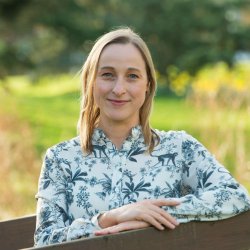
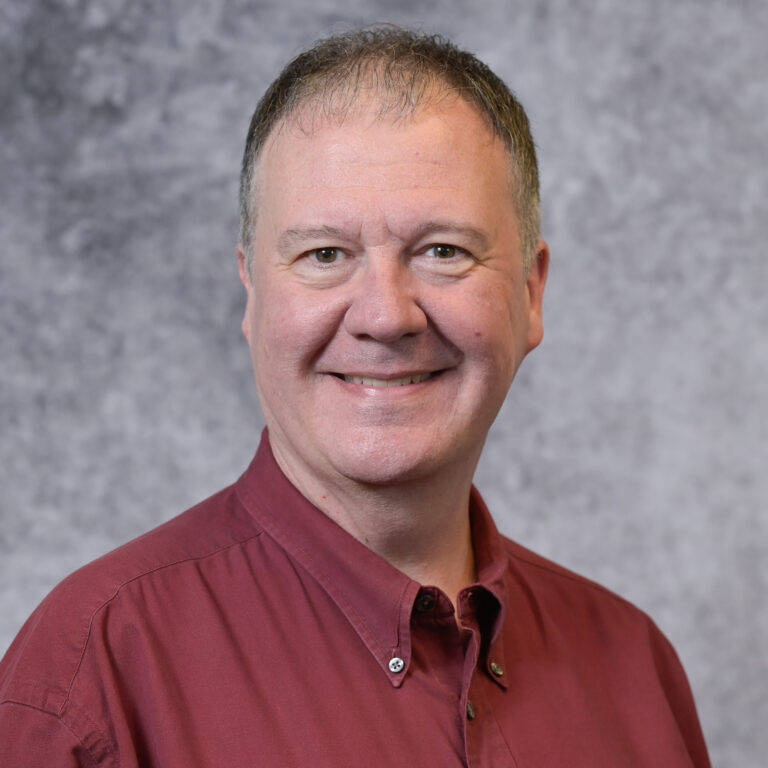
Bernadette Byrne is a Professor and Associate Dean (Equality, Diversity and Inclusion) at the Faculty of Natural Sciences, Imperial College London, within the Department of Life Sciences. She leads research on membrane protein structure and function, focusing on transporters, receptors, and advanced vibrational spectroscopy techniques for antibody behavior analysis in collaboration with Prof. Sergei Kazarian. Her work is funded by BBSRC, EPSRC, MRC, and EU programs. Affiliations include the Agri Futures Lab, Bacterial Pathogenesis Group, Centre for Structural Biology, and Industrial Biotechnology Hub. She has served as an external examiner at the University of Cambridge and University of Edinburgh, and chairs the BBSRC Committee D. Research interests span membrane biology, biochemistry, structural biology, and biophysics. Recent studies emphasize detergent engineering for protein stabilization and industrial bioprocessing challenges. Her publications highlight innovations in membrane mimetic systems, GPCR signaling, and protein aggregation analysis. She actively contributes to interdisciplinary initiatives such as the Chemical Biology CDT and the Membrane Receptor Network.
Dr. Natalie Riddell is a Senior Lecturer in Immunology and Ageing at the School of Biosciences, University of Surrey. She holds roles as Academic Lead for the FACS facility, Member of the University Ethics Committee, and Chair of the Surrey Healthy Ageing Research Partnership (SHARP). Her research focuses on neuroendocrine and age-associated changes in immune function, particularly how adrenergic signaling contributes to immunosenescence and inflammation in aging. Key areas include T cell senescence, metabolic disorders linked to immune decline, and interventions to promote healthy longevity. Education: BSc and PhD in Biosciences from the University of Birmingham, followed by postdoctoral research at University College London (2010-2017). Research interests emphasize the interplay between stress, aging, and immunity. Collaborations include work with Dr. Sian Henson (Queen Mary University) on T cell metabolism and Dr. Anis Larbi (Singapore Immunology Network) on immunosenescence biomarkers. She supervises BSc, MSc, and PhD students, including current advisees Dennis Affram and Chidie Ubachukwu. Teaching includes undergraduate modules like BMS1052: Exploring Biochemistry and BMS3102: Advanced Topics in Molecular and Cellular Immunology. Her 15 most recent articles span immunology, virology, and chronic disease, with notable work on tuberculosis diagnostics and stress-HIV interactions. Labs/Teams: Active leadership in SHARP, a multidisciplinary partnership addressing healthy aging through immunity research.
Dmitri Beglov, PhD is a Research Assistant Professor in the Department of Biomedical Engineering at Boston University's College of Engineering. His primary appointment is within the Biomedical Engineering division as Research Faculty. Education includes a PhD in Molecular Biophysics and M.Sci. in Chemistry from Moscow Institute of Physics and Technology (Moscow, Russia). His research focuses on computational chemistry/biology, protein structure/function analysis, and biomolecular interaction modeling. Current projects include molecular modeling of biological channels, computational drug design screening, and predicting protein-protein interactions. His technical work involves developing potential functions for protein docking and computational solvent mapping techniques. No specific grants, awards, or advisees are listed in this profile.
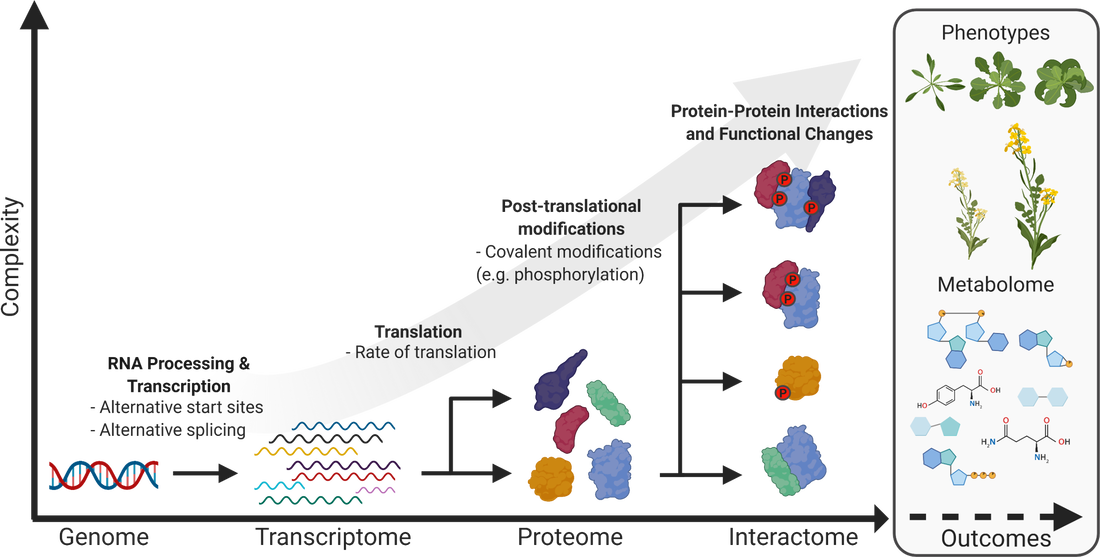
R. Glen Uhrig, PhD, is an Associate Professor of Plant Biology at the University of Alberta within the Department of Biological Sciences, Faculty of Science. His research focuses on plant functional genomics and proteomics, particularly examining diurnal regulation of cellular processes via quantitative proteomics in Arabidopsis thaliana and agriculturally relevant crops. The Uhrig Lab investigates post-translational modifications (PTMs) such as phosphorylation and acetylation to understand plant adaptation to environmental changes. Educationally, he holds a B.Sc.H. (2005) and M.Sc. (2008) from Queen’s University, followed by a Ph.D. from the University of Calgary (2013). His postdoctoral training at the Swiss Federal Institute of Technology (2017) furthered his expertise in plant systems biology. R. Glen Uhrig teaches courses including BIOL 343/543 (Macromolecular Characterization Techniques) and BOT 380 (Drug Plants), emphasizing hands-on proteomics and plant biotechnology. His awards include the ASTech Award (2022), NSERC Post-Doctoral Award (2015–2017), and the Marie Curie Plant Fellowship (2013–2015). His work bridges fundamental research with applications in agri-food production and crop resilience. Key research themes include: 1) Diurnal regulation of plant proteomes and PTMs, 2) Molecular mechanisms of plant immunity and stress responses, and 3) Leveraging proteomics to enhance crop productivity. The lab employs cutting-edge tools like quantitative mass spectrometry and multi-omics integration to address these questions.
Surl-Hee Ahn is an Assistant Professor in the Department of Chemical Engineering at the University of California, Davis. Her research focuses on using molecular dynamics (MD) simulations and enhanced sampling methods like the weighted ensemble (WE) to study biological systems, including proteins, nanocrystals, and drug discovery for tuberculosis and other diseases. She leads the Ahn Lab, which develops cutting-edge computational tools, such as ParGaMD and DeepWEST, to advance kinetic and thermodynamic sampling in simulations. Education: Ph.D. in Chemistry (Chemical Physics), Stanford University M.S. in Chemistry, University of Pennsylvania M.A. in Mathematics, University of Pennsylvania B.A. in Biochemistry and Mathematics, University of Pennsylvania (Magna Cum Laude, Vagelos Scholar) Research Interests: Molecular dynamics simulations, enhanced sampling methods, computational drug discovery, vaccine design, protein interactions, and nanomaterial dynamics. Her work bridges computational biology, materials science, and pharmacology, with applications to infectious diseases and neurodegenerative disorders. Awards and Recognition: 2020 ACM Gordon Bell Prize Winner (SC20) for SARS-CoV-2 spike dynamics simulations 2021 Chancellor’s Outstanding Postdoctoral Scholar Award Finalist MIT Rising Stars in Mechanical Engineering (2018) ACS PHYS Division Young Investigator Award (2021) Grants & Collaborations: Her research is supported by grants from SC20/SC21 and leverages high-performance computing for multiscale modeling. She collaborates on projects like #COVIDisAirborne, combining AI with computational microscopy. Labs & Teams: The Ahn Lab at UC Davis emphasizes interdisciplinary training in computational methods and their application to real-world biomedical challenges.
Michael Daniele is an Associate Professor at North Carolina State University, jointly appointed in the Department of Electrical & Computer Engineering and the Joint Department of Biomedical Engineering . His research focuses on bioelectronics engineering, particularly in developing microsystems for monitoring, mimicking, and augmenting biological functions. He leads the @BiointerfaceLab , exploring wearable/implantable biosensors, microphysiological systems, and process analytical technologies for biomanufacturing. Education : Ph.D. in Materials Science & Engineering (Clemson University, 2012) Bachelor's in Materials Science & Engineering (Rutgers University, 2009) Research Highlights : Developing "injury-on-a-chip" models for coagulation studies Pioneering hydrogel microneedles for diagnostic devices Advancing light-controlled peptide ligands for protein purification Collaborating with Novartis on viral vector manufacturing Award Recognition : 2024 William F. Lane Outstanding Teaching Award 2019 NSF CAREER Award 2022 University Faculty Scholar Grants & Initiatives : Co-leader of the NC-Viral Vector Initiative (2023–present) NSF-funded projects in biosensor integration and biomanufacturing His work bridges engineering and medicine, with applications in gene therapy, wearable diagnostics, and precision agriculture.
Nancy C. Horton is a Professor in the Department of Molecular and Cellular Biology at the University of Arizona, with joint faculty appointments in Biochemistry. Her research focuses on understanding the structures and mechanisms of proteins involved in DNA and RNA processing, particularly enzymes that modulate their activity through filament formation. She leads the Horton Lab, which employs structural techniques like X-ray crystallography, NMR, and cryo-electron microscopy alongside biochemical and high-throughput methods. Dr. Horton received her B.S. in Chemistry from Southern Illinois University (1986) and Ph.D. in Biological Chemistry from the University of Pennsylvania (1994). She completed postdoctoral training at The Upjohn Company and the University of California, Santa Barbara, before establishing her independent lab at the University of Arizona in 2001. Her work has contributed significantly to understanding enzyme filamentation in cellular defense mechanisms and host-virus interactions, particularly with Human Parvovirus B19. Research interests include structural biology, biophysics, and the functional implications of protein filaments. Her lab has elucidated the structural basis of enzyme activation via filamentation and its role in DNA cleavage specificity. She also engages in education initiatives, teaching courses on the molecular basis of life and professional development for graduate students. Key contributions include the discovery of enzyme filamentation as a regulatory mechanism and structural studies of SgrAI and NS1 proteins. The lab collaborates broadly, leveraging multi-scale modeling and experimental approaches to study macromolecular complexes. Dr. Horton’s work bridges basic science and translational research, with implications for antiviral drug development and understanding fundamental biological processes.
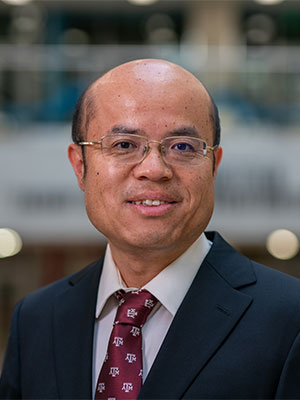
Shuiwang Ji is a Professor and Truchard Family Endowed Chair in the Department of Computer Science & Engineering at Texas A&M University, where he also holds Presidential Impact Fellow and Chancellor EDGES Fellow titles. He specializes in machine learning, AI for science/engineering, and language models/agents. His research bridges theoretical advances and practical applications in materials science, quantum chemistry, and biomedical engineering. Education: Ph.D. in Computer Science from Arizona State University (2010). Research focuses on equivaraint neural networks for symmetry-aware learning, graph-based molecular modeling, and generative AI for scientific discovery. He develops algorithms that integrate physics principles with deep learning, addressing challenges in materials design, PDE solving, and biomolecular structure prediction. Publications emphasize symmetry-aware architectures (e.g., equivariant Fourier neural operators), efficient interatomic potential computations, and diffusion models for protein/DNA design. Recent work explores trustworthiness in LLMs and causal reasoning in graph neural networks. Awards include NSF CAREER Award (2014), IEEE Fellow (2023), and Texas A&M teaching excellence awards. His work has been recognized in top venues like NeurIPS, ICML, and ICLR. His research group collaborates on projects funded by NSF, NIH, and industry partners, advancing AI applications in healthcare, robotics, and environmental science.
Alisha Jones is an Assistant Professor of Chemistry at New York University, affiliated with the Department of Chemistry within the College of Arts & Science. She holds a Ph.D. in Chemistry from the University of Washington and dual Bachelor’s degrees in Chemistry and Zoology from Miami University of Ohio. Her research focuses on RNA structural dynamics, particularly the role of long noncoding RNAs (lncRNAs) in gene regulation and disease mechanisms. Dr. Jones employs a combination of biochemical, biophysical, and computational approaches to study RNA structure and function, including chemical probing, molecular dynamics simulations, and machine learning. Her group investigates how structural conformations of lncRNAs influence their biological roles, such as regulating gene expression through conformational changes. They also explore therapeutic strategies to target these RNA structures in diseases like cancer and viral infections. Notable projects include studying the Xist lncRNA’s A-repeats, SARS-CoV-2 methylation complexes, and the functional core of the lncRNA Cyrano. Publications highlight her work on RNA structure probing techniques, cooperativity effects in chemical experiments, and the interplay between RNA dynamics and biological function. Her lab, the Jonesy Research Group, emphasizes interdisciplinary approaches and hosts outreach initiatives to promote RNA science. Dr. Jones is based at NYU’s Silver Center, and her contact information includes aj3863@nyu.edu.
Christopher B. Gorman is a Professor in the Department of Chemistry at North Carolina State University (NC State), affiliated with the College of Sciences. His research focuses on nanoscale materials chemistry, including synthesis of novel polymers and materials with tailored electronic and biological properties. He holds a Ph.D. from the California Institute of Technology (1991) and a B.A. in Computer Science and Chemistry from Drew University (1987). Education: Ph.D. in Chemistry, California Institute of Technology, 1991 B.A. in Computer Science and Chemistry, Drew University, 1987 Research Interests: Synthesis of conducting polymers for organic electronics Dynamic surfaces with self-regulating properties Drug delivery systems for biological barriers Nanomaterials for environmental remediation (e.g., phosphorus removal) Biomaterials with anti-fouling or antimicrobial functions Recent Publications: Focused on nanoscale materials for biomedical, environmental, and electronic applications. Key themes include quantum dots for antimicrobial materials, functionalized polymers for drug delivery, and surface coatings with controlled degradation. Labs/Teams: Leads the Gorman Research Group at NC State, mentoring students in nanomaterials synthesis and characterization. Current group members include Sam, Juliana, Dylan, Will, Quy, Carson, Lihan, and Ivan.
Luis Emilio Bruni is an Associate Professor at Aalborg University’s Department of Architecture, Design and Media Technology, within The Technical Faculty of IT and Design. He leads the Media Cognition and Interactive Systems (MeCIS) research group and coordinates the Master of Science in Medialogy. Bruni is also the founder and director of the Augmented Cognition Lab, focusing on perception, cognition, and immersive technologies. His academic roles include PI on multiple interdisciplinary projects and board memberships in international associations like the Nordic Association for Semiotic Studies (2011–2017) and the International Society for Biosemiotic Studies (founding member, 2005). Academically, Bruni holds a Ph.D. in Molecular Biology and Theory of Science (University of Copenhagen), M.Sc. in International and Global Relations (Universidad Central de Venezuela), and B.Sc. in Environmental Engineering (Pennsylvania State University). His research spans narrative cognition, extended reality, biosemiotics, and the interplay between technology, cognition, and culture. He has conducted projects on neurocinematic analysis, interactive storytelling, and the psychological impact of digital media. Key research contributions include studies on EEG responses to branded advertising, functional connectivity in psychiatric disorders, and the role of narrative in immersive technologies. Bruni’s work bridges cognitive science, computer science, and semiotics, with applications in healthcare (e.g., pediatric counseling tools) and cultural engagement (e.g., citizen curation systems). Over 80+ publications and active participation in conferences and media discussions highlight his interdisciplinary impact.
Associate Professor Freda Passam is a Clinical Academic Haematologist at Royal Prince Alfred Hospital, University of Sydney, specializing in thrombosis and haemostasis. She leads the Haematology Research Group at the Charles Perkins Centre, focusing on platelet biology, endothelial cell dysfunction, and translational research in cardiovascular diseases. Her work integrates basic science with clinical applications, including developing microfluidic technologies like the Endo-chip for thrombosis diagnosis and therapy screening. Education: MD and PhD in Greece (angiogenesis in Hodgkin’s lymphoma), postdoctoral training at UNSW and Harvard University. Research spans platelet hyperactivity in diabetes, immune thrombosis (e.g., HIT), and thiol isomerase inhibitors as antithrombotics. Collaborates globally with institutions like Harvard and the University of Utah. Research Interests: 1) Platelet biomarkers in diabetes-related cardiovascular risk; 2) Immune thrombosis diagnostics/therapies (e.g., Endo-chip); 3) Bone marrow-on-chip models for thrombopoiesis. Current projects include SEC61B regulation of calcium flux, endothelial thromboinflammation, and ERp5/ERp57 roles in platelet production. Grants: Over $6M in funding from NHMRC, MRFF, NSW Health, and industry partnerships. Notable awards include Sydney Nano Grand Challenge Award (2022) and SLHD VTE Stewardship Award (2020). Advising: Mentors over 6 PhD/master’s students in thrombosis research, emphasizing clinical/research integration. Teaching includes Sydney Medicine curriculum, bedside tutorials, and student engagement in lab activities. Labs/Teams: Haematology Research Group (Charles Perkins Centre), collaborations with Sydney Health Partners, Harvard, and international haematology groups. Develops technologies like the Endo-chip and bone marrow-on-chip models.
Vaishnav Krishnan, M.D., Ph.D., is an Associate Professor at Baylor College of Medicine with joint appointments in the Department of Neurology, Neuroscience, and Psychiatry and Behavioral Sciences . He also holds an Adjunct Associate Professor position in Electrical and Computer Engineering at Rice University. As a physician-scientist, he leads the Laboratory of Epilepsy and Emotional Behavior , focusing on the neurobiological mechanisms linking epilepsy to psychiatric comorbidities. Education: BS in Neuroscience and Chemistry, New York University (2003) MD-PhD in Behavioral Neuroscience and Molecular Neuroplasticity, UT Southwestern Medical Scientist Training Program (2010) Internship and Residency in Internal Medicine and Adult Neurology, Parkland Memorial Hospital (2011) and Beth Israel Deaconess Medical Center (2014) Postdoctoral Fellowship in Seizures and Autism-Related Behavior, Beth Israel Deaconess Medical Center (2016) His research employs genetically valid mouse models and home-cage behavioral monitoring to study interictal behavioral derangements, using EEG and wearable devices to translate findings to humans. His work has been supported by grants from NINDS , the American Epilepsy Society , Gulf Coast Center for Precision Health , and the Mike Hogg Fund . He has received awards such as the NINDS K08 Career Development Award and American Epilepsy Society Fellow . The Krishnan Lab has published extensively on epilepsy spectrum disorders , circadian and ultradian rhythms , and seizure prediction algorithms , with recent studies in Journal of Comparative Neurology , Brain Communications , and Epilepsia . He collaborates with epilepsy-focused labs, including those of Dr. Jeffrey Noebels and Dr. Berge Minassian. Scientific Awards and Recognitions: Outstanding Resident Teaching Award (Harvard Medical School, 2013) NINDS R25 Award (2014-2015) Clinical Research Training Fellowship in Epilepsy (American Academy of Neurology, 2016-2018) Mentored Clinical Scientist Research Career Development Award K08 (NINDS, 2019-2024) Junior Investigator Award (American Epilepsy Society, 2020-2021) Mike Hogg Fund Award (2021-2022) Gulf Coast Center for Precision Health Pilot Award (2022-2023) Fellow of the American Epilepsy Society (2022) Lab Members and Trainees: The lab includes current researchers like Medical Students Vanuli Arya and Anna Norman , Research Technician Saifina Karedia , and Postdoctoral Associate Arindam Mazumder . Former trainees include Paarth Kapadia (MD, BCM 2023) and Anney Tuo (Rice B.S., now in medical school), among others pursuing careers in medicine, research, and engineering.
Hannah Wunsch is a Professor of Anesthesiology at Weill Cornell Medical College , Cornell University. She serves as an Attending Anesthesiologist at NewYork-Presbyterian/Weill Cornell Medical Center. M.D. from Washington University School of Medicine (2003) M.Sc. from London School of Hygiene and Tropical Medicine (2002) A.B. from Harvard University (1997) Her research focuses on critical care medicine , with particular emphasis on sepsis outcomes , mechanical ventilation practices , opioid use in postoperative and ICU settings , and health services research utilizing large administrative datasets. Key trends in her recent publications include ICU staffing models , opioid prescription patterns , mechanical ventilation strategies , and long-term outcomes after critical illness . She has published extensively in top-tier journals like Critical Care Medicine , JAMA , and The Lancet .
Kevin T. Vaughan is an Associate Professor in the Department of Biological Sciences at the University of Notre Dame, with a research focus on the cell biology of cancer and neurodegenerative diseases. He is a member of the Harper Cancer Research Institute and conducts mechanistic studies on mitosis, organelle transport, and cholesterol trafficking. Research Interests: Cell Biology of human diseases Mitosis and cell cycle regulation Neurodegeneration, particularly Niemann-Pick Type C disease Cancer therapeutics and combinatorial drug treatments Cholesterol transport mechanisms Cytoplasmic dynein function in cellular dynamics His research employs mass spectrometry and animal models to investigate novel regulatory pathways in mitosis and to develop new therapies for pancreatic and breast cancer. The lab has discovered a new cholesterol transport pathway disrupted in NPC disease and is exploring potential corrective strategies. Recent Research Trends: Dr. Vaughan's recent publications emphasize the role of cytoplasmic dynein in mitotic processes, kinetochore dynamics, and organelle transport. His work bridges fundamental cell biology with translational applications in cancer and rare genetic disorders. Key themes include motor protein regulation, mitotic spindle assembly, and intracellular trafficking defects in disease. Scientific Affiliations: Member, Harper Cancer Research Institute Faculty, College of Science, University of Notre Dame Advising and Research Support: As a principal investigator, Dr. Vaughan leads a research laboratory focused on cellular mechanisms of disease. He collaborates on interdisciplinary projects related to cancer therapeutics and neurodegeneration. His lab receives institutional support through the University of Notre Dame and the Harper Cancer Research Institute, enabling studies in both basic and applied biomedical research. Laboratory and Team: The Vaughan Laboratory is based in the Galvin Life Science Center and conducts research on mitotic regulation and cholesterol transport. The team utilizes biochemical, cellular, and imaging approaches to study disease mechanisms and test novel therapeutic strategies in model systems.