Gary Blissard is an Adjunct Professor in the Department of Entomology at Cornell University, affiliated with the Boyce Thompson Institute. His research spans virology, genomics, and cell biology, focusing on baculovirus interactions with insect cells. Virology Genomics Cell Biology Blissard's lab investigates baculovirus biology through three key areas: envelope protein structure (e.g., GP64 glycoprotein), cellular entry/egress mechanisms (hijacking ESCRT pathways), and gene expression dynamics during infection. Recent work (2024) revealed polarized trafficking in insect midguts, critical for understanding vector-borne disease transmission. His publications from 2015-2024 demonstrate expertise in membrane fusion processes , insect-microbe interactions , structural virology , and transcriptomic analysis . Collaborative projects like the 2016 Manduca sexta genome sequencing highlight his interdisciplinary approach. Blissard holds patents related to baculovirus engineering and apoptosis-resistant cell lines , advancing viral vector technology. His lab maintains active research in insect virology and pathogenesis models .
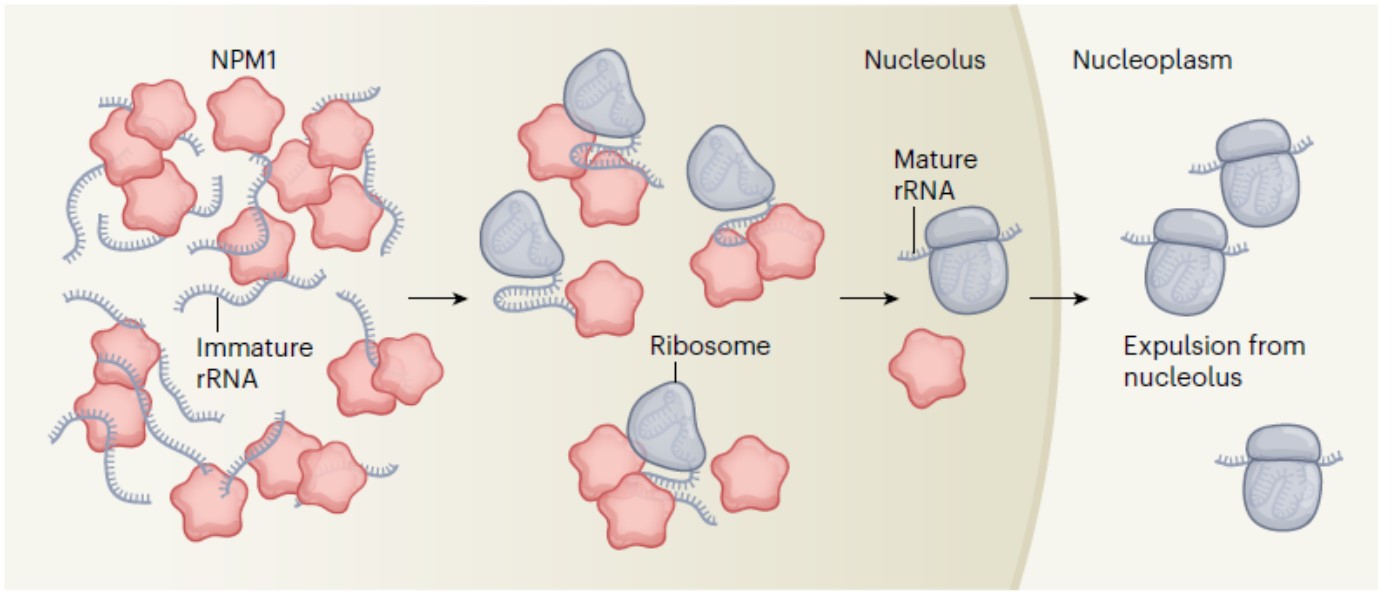
Christine Mayr, MD, PhD, is a faculty member at Memorial Sloan Kettering Cancer Center (MSKCC) within the Cancer Biology & Genetics Program of the Sloan Kettering Institute . Her groundbreaking research explores the regulatory and structural roles of mRNAs in the cytoplasm, with a focus on how 3' untranslated regions (3'UTRs) control protein activity and function independent of protein abundance. She has made seminal discoveries about mRNA-based translation environments like TIS granules, the FXR1 network, and TIAL1-associated structures, and their impact on cellular processes such as transcription factor activity and chromatin regulation.
Daniel Vercauteren is a Professor at the University of Namur, affiliated with the Namur Institute of Structured Matter in the Unit of theoretical and structural physico-chemistry. He earned his Doctor of Science from the University of Namur in 1981, focusing on non-empirical LCAO-MO-SCF studies of cyclic/linear oxocarbons. His research integrates computational and theoretical approaches to address complex chemical systems. Research Focus: Vercauteren's work spans electron density analysis, zeolite characterization, protein interactions, and catalytic materials. Key methodologies include molecular dynamics, density functional theory (DFT), and topological analysis of electron density maps. His research contributes to sustainable development goals through innovations in materials science and biomolecular design. Publications (2019-2024): Recent articles emphasize catalytic nanomaterials (Pd monolayers), magnetic shielding in zeolites, non-covalent interactions in crystals, and computational drug discovery. Common themes include DFT validation, molecular confinement effects, and interdisciplinary applications in chemistry/biophysics. Projects & Supervision: He has led 41 research projects, including studies on peptide inhibitors for autoimmune diseases (DoIFAD), opioid receptor assembly, and electron density mapping techniques. He has supervised 81 researchers/students, with collaborations extending to institutions like Université de Nantes.
William E Theurkauf is a Professor in the Program in Molecular Medicine at UMass Chan Medical School's T.H. Chan School of Medicine. He also holds appointments in the RNA Therapeutics Institute, Systems Biology, and multiple graduate programs including the Interdisciplinary Graduate Program and MD/PhD Program. His research focuses on genome maintenance mechanisms during germline development, particularly the piRNA pathway's role in transposon silencing and genome evolution. BA in Biochemistry from Brandeis University (1980) PhD in Biochemistry from Brandeis University (1988) Postdoctoral fellow at UCSF Department of Biochemistry and Biophysics (1988-1993) Faculty at SUNY Stony Brook Department of Biochemistry and Cell Biology (1993-1998) Theurkauf's research centers on the mechanisms that maintain genome integrity during germline development. His laboratory investigates piRNA production and function, particularly how these small RNAs silence transposons to protect the inherited genome. His work has revealed how the piRNA pathway acts as an adaptive immune system against mobile genetic elements, with discoveries showing that transposon invasions trigger structural changes in genome architecture that enhance silencing capacity. His lab also studies how DNA damage checkpoint pathways control key developmental processes like embryonic axis specification and the maternal-to-zygotic transition. Analysis of Theurkauf's recent publications reveals a consistent focus on piRNA biology, transposon control, and genome evolution. His work spans from fundamental mechanisms of piRNA biogenesis to evolutionary adaptations in response to transposon invasions, with recent studies examining retroviral integration in koalas. The publications demonstrate interdisciplinary approaches combining molecular genetics, biochemistry, computational analysis, and evolutionary biology to understand genome defense mechanisms. Theurkauf directs the Program in Cell and Developmental Dynamics and maintains an active laboratory investigating cell cycle control, chromosome segregation, and embryonic patterning using Drosophila as a model system. His lab offers rotation projects for graduate students focusing on cell cycle checkpoint pathways during embryogenesis and mechanisms of cellular asymmetry establishment. The laboratory employs a range of techniques including classical and molecular genetics, high-resolution in vivo imaging, and biochemical approaches to define fundamental biological processes.
Zemer Gitai is the Edwin Grant Conklin Professor of Biology and Professor of Molecular Biology at Princeton University, where he leads the Gitai Lab in the Department of Molecular Biology. His research focuses on the fundamental mechanisms of bacterial cell biology, including cytoskeletal dynamics, cellular polarity, and morphogenesis. Institution: Princeton University Department: Department of Molecular Biology Lab: Gitai Lab Contact: zgitai@princeton.edu Gitai’s research explores how bacteria achieve complex subcellular organization and how these processes contribute to pathogenesis and antibiotic resistance. His lab uses interdisciplinary methods including genetics, biochemistry, live-cell imaging, genomics, and computational modeling to study bacterial self-organization, microbe-host interactions, and novel antibiotic discovery. A central theme is understanding how bacterial cytoskeletal proteins like MreB regulate cell shape and chromosome segregation. His recent publications (2022–2024) reveal trends in mechanosensing , trans-kingdom signaling , and transgenerational epigenetic inheritance mediated by bacterial small RNAs. His work spans model organisms like Caulobacter crescentus , Pseudomonas aeruginosa , and C. elegans , uncovering how bacteria sense surface stiffness, regulate nitrogen metabolism to influence host behavior, and dynamically control pilus-based motility. Scientific honors include: NIH Pioneer Award (2015) Gitai actively mentors students and postdoctoral researchers, with several advisees contributing to high-impact publications. His lab has developed innovative tools such as MitoRiboSeq for monitoring mitochondrial translation and M3-Seq for single-cell microbial transcriptomics. He also investigates how antibiotics can be used to probe bacterial cell biology and combat resistance through anti-virulence strategies. The Gitai Lab fosters collaborative research with Princeton colleagues across disciplines.
Dr. Nicolae Viorel Buchete is an Associate Professor at the University College Dublin (UCD) School of Physics . He serves as Vice Principal for Graduate Studies in the College of Science and leads UCD's Computational Physics postgraduate program . Buchete holds academic degrees from Boston University (PhD) , Al. I. Cuza University , and University of Patras . Current appointments: 2022-Present (Vice Principal), 2014-Present (MSc Program Director) Previous roles: NIH Research Fellow (2003-2008), Visiting Assistant Professor at Boston University (2009-2010) His research focuses on theoretical and computational biological physics with applications in nanoscience , molecular dynamics of biomolecular systems , and multiscale modeling of complex fluids . Recent work includes conformational kinetics of oncogenic proteins , physics-based modeling of nanocarriers , and amyloid peptide dynamics in Alzheimer's disease . Scientific Contributions: Developed advanced Markov State Models and Milestoning frameworks for long-time MD simulations Identified novel salt bridge mechanisms in kinase activation and drug resistance Explored piezoelectric properties of diphenylalanine nanostructures Teaching Innovation: Advocates for research-oriented teaching at both undergraduate and MSc levels. Coordinates modules including Computational Biophysics and Thermodynamics & Statistical Physics at UCD.
Barbara Campanini is an Associate Professor of Biochemistry (SSD BIO/10) at the Department of Food and Drug Sciences, University of Parma, where she has held a full-time position since 2016. She obtained her honors degree in Medicinal Chemistry (1998) and PhD in Molecular Biology and Pathology (2002) from the University of Parma, with research conducted at the University of Oklahoma and University of Illinois at Urbana-Champaign. Research Focus: Her work centers on enzyme characterization, particularly pyridoxal 5'-phosphate-dependent enzymes in bacterial and human systems. Key areas include: Bacterial cysteine biosynthesis enzymes as antibiotic targets Heme capture mechanisms in Staphylococcus aureus Human PLP-dependent enzymes for drug development Metabolic pathways in neurological disorders Publications & Trends: Recent articles (2024-2025) demonstrate strong emphasis on antimicrobial strategies targeting bacterial iron acquisition, enzyme inhibition for neurological disorders, and structural analysis of protein interactions. Over 60 peer-reviewed papers reflect interdisciplinary approaches combining biochemistry, biophysics, and medicinal chemistry. Academic Roles: Supervised >30 Master/PhD students PhD program committees: Biochemistry & Molecular Biology (2006-2012), Drugs & Biomolecules (2013-present) Lecturer at international summer schools (ULLA, Paris Sud) Professional Service: Editorial Board member for Scientific Reports , Frontiers in Chemistry , and Frontiers in Molecular Biosciences since 2018; reviewer for major journals including Journal of Medicinal Chemistry . Laboratory: Conducts research at Biochemistry and Molecular Biology Laboratories, Parco Area delle Scienze 23/A, Parma.
James B Moseley is a Professor and Chair of the Department of Biochemistry and Cell Biology at the Geisel School of Medicine, Dartmouth College. He is a leading researcher in cell biology, with a focus on fission yeast as a model organism to study cell cycle regulation, cytokinesis, and cell polarity. His research interests lie at the intersection of molecular biology and cell signaling, particularly in understanding how cells control size, shape, and division. Key areas include the regulation of Cdr2 and Wee1 kinases, the formation of protein nodes, and the integration of spatial and temporal signals during the cell cycle. His work has significant implications for understanding fundamental cellular processes conserved across eukaryotes. The recent publications highlight a consistent focus on fission yeast systems, with recurring themes in protein kinase networks, cytoskeletal organization, and cell morphogenesis. His research often combines genetic, biochemical, and imaging approaches to dissect molecular mechanisms underlying cell division and polarity. While no formal scientific awards are listed in the provided text, his sustained publication record in high-impact journals reflects significant scholarly contributions. He mentors several researchers, including Magliozzi JO, Miller KE, and Opalko H, who appear as co-authors on multiple studies. Moseley leads an active research group focused on cell signaling and division mechanisms, contributing to both basic science and broader understanding of cellular regulation. His lab’s work continues to advance models of cell size control and cytokinetic fidelity.
Chiu Fan Lee is an Associate Professor in Theoretical Biophysics at the Department of Bioengineering, Imperial College London. Their research focuses on applying statistical mechanics, soft matter physics, and computational methods to uncover universal principles governing biological systems. Key areas of investigation include protein amyloid self-assembly, cytoplasmic pattern formation, tissue homeostasis, and collective behavior in living organisms. The group maintains close collaborations with experimentalists in biology and bioengineering. Research Interests: Protein amyloid self-assembly Cytoplasmic pattern formation Tissue homeostasis Collective behavior in active systems Scientific Awards: Nature Physics Thesis article feature Science Perspective article feature Physical Review Letters Editors' suggestion Recent Work Trends: 2025: Hydrogelation and meiotic chromosome alignment 2024: Universality classes in flocking systems 2023: Cell mechanoadaptation and vacuole dynamics 2022: Nematic behavior in confluent tissues 2021: Interfacial protein clusters regulating condensates 2020: Composition-dependent organelle formation
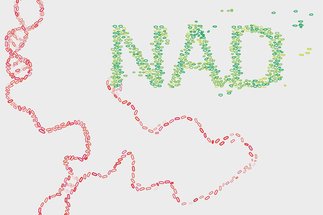
Prof. Dr. Katharina Höfer is a Max Planck Research Group Leader at the Max Planck Institute for Terrestrial Microbiology in Marburg, Germany, where she heads the Research Group for Bacterial Epitranscriptomics. She is affiliated with SYNMIKRO, the Center for Synthetic Microbiology, a collaborative research center between the Max Planck Institute and Philipps-Universität Marburg. Her work bridges molecular biology, biochemistry, and microbiology to unravel the complex world of RNA modifications in bacteria. Dr. Höfer completed her academic journey with a Bachelor of Science from the University of Hannover in 2008, followed by a Master of Science in Molecular Biotechnology from Heidelberg University in 2011. She earned her Dr. rer. nat. from Heidelberg University's Institute of Pharmacy and Molecular Biotechnology in 2017, and continued as a Postdoctoral Researcher there until 2020. Dr. Höfer's research focuses on bacterial epitranscriptomics, particularly the study of NAD-capped RNAs in bacteria using Escherichia coli as a model organism. Her lab investigates how RNA modifications serve as epitranscriptomic mechanisms for gene regulation, exploring the connections between redox biology, gene expression, and regulation. By combining cell biological, biochemical, structural, chemical, and bioinformatic approaches, her team uncovers novel insights into RNA modifications and their functional implications in bacterial systems. Her recent work has expanded into bacteriophage research, examining the enigmatic epitranscriptome of phages and how viral infections alter host RNA modification landscapes. This interdisciplinary approach has positioned her at the forefront of understanding RNA-protein interactions, particularly through discoveries related to RNAylation - the conjugation of RNAs to proteins. The analysis of her recent publications reveals a strong focus on viral ADP-ribosyltransferases, phage engineering, and the functional consequences of RNA modifications during host-pathogen interactions. Dr. Höfer's scientific achievements have been recognized with several prestigious awards, including: ERC Starter Grant (2023) EMBO Young Investigator (2024) Otto Meyerhof Award from the German Society for Biochemistry & Molecular Biology (GBM) (2024) LOEWE Spitzenprofessur from Philipps-Universität Marburg (2024) As an advisor, Dr. Höfer has supervised numerous Master's and Bachelor's students, guiding research on topics ranging from phage infection mechanisms to RNA modifications and protein-RNA conjugation. Her group has received significant funding, most notably the ERC Starter Grant, which supports innovative research at the intersection of RNA biology and microbial systems. She maintains collaborative relationships with researchers across multiple institutions, as evidenced by her diverse publication record. The Höfer Lab, located at the Max Planck Institute for Terrestrial Microbiology, consists of a diverse team of doctoral researchers, technical assistants, guest scientists, and students. Current members include Elyés Gaaloul, Lydia Garrido Garcia-Dorado, Kitty Johnson, Helene Keuthen, Moritz Weber, Nurseda Yilmaz Demirel, Petra Mann (Technical Assistant), and several others. This collaborative environment fosters interdisciplinary research that combines molecular biology, biochemistry, and computational approaches to tackle fundamental questions in RNA biology.
Dr. Richard Henderson CH FRS FMedSci HonFRSC is a pioneering British molecular biologist and biophysicist at the MRC Laboratory of Molecular Biology, University of Cambridge. He was a Fellow of Darwin College (1981-2012) and served as Director of MRC LMB (1996-2006). Henderson shared the 2017 Nobel Prize in Chemistry with Jacques Dubochet and Joachim Frank for developing cryo-electron microscopy for high-resolution structure determination of biomolecules in solution. Education : BSc Physics (1st Class Honours, University of Edinburgh, 1966); PhD (University of Cambridge, 1969). Institutional Affiliation : MRC Laboratory of Molecular Biology (since 1973); Yale University (postdoctoral, 1970-1973). Henderson's research revolutionized structural biology by demonstrating that electron microscopy could achieve atomic resolution without crystallization. His work on bacteriorhodopsin (1975) established transmembrane alpha-helices as a common structural feature, while his 1990 atomic model of this protein became the second ever membrane protein structure determined by electron crystallography. Collaborative efforts with Chris Tate on conformational thermostabilization enabled breakthroughs in GPCR crystallography, leading to the formation of Heptares Therapeutics (2007). Key contributions include: 1975 - First 3D structure of a membrane protein (bacteriorhodopsin) by electron microscopy 1990 - Atomic resolution electron crystallography of bacteriorhodopsin 1995 - Early theoretical framework for single-particle cryoEM 2017 - Nobel Prize in Chemistry for cryoEM development Development of direct electron detectors that achieved atomic-level imaging Henderson's scientific awards include: 1978 - William Bate Hardy Prize 1983 - Elected Fellow of the Royal Society 1984 - Sir Hans Krebs Medal 1993 - Louis-Jeantet Prize for Medicine 1998 - Elected Foreign Associate of the US National Academy of Sciences 2016 - Copley Medal of the Royal Society 2017 - Nobel Prize in Chemistry 2018 - Member of the Order of the Companions of Honour As mentor, Henderson trained multiple independent researchers including David Agard (UCSF), Per Bullough (Sheffield), Nikolaus Grigorieff (HHMI Janelia), Christopher Tate (MRC LMB), and Vinzenz Unger (Northwestern University). His current research focuses on advancing single-particle cryoEM for routine atomic structure determination without crystals, emphasizing lower voltage (100 keV) microscopes and improved detector technologies.
Dr. Shi-Zhen WANG is an Associate Professor at the Department of Chemical and Biochemical Engineering, College of Chemistry and Chemical Engineering, Xiamen University, China. She holds a PhD from Zhejiang University (2009) and a BSc from Fuzhou University (2004). Her research focuses on biocatalysis, enzymatic engineering, and biosynthesis of chiral compounds. Education: PhD (Zhejiang University), BSc (Fuzhou University) Current Position: Associate Professor, Xiamen University Previous Roles: Assistant Professor (Xiamen University), Postdoctoral Fellow (MIT), Visiting Scholar (Hamburg University of Technology) Her research involves controlled assembly of multi-enzyme systems for biosynthesis, discovery of novel enzymes from extremophiles , and graphene-based biosensors . Recent publications demonstrate expertise in enzyme immobilization, cofactor regeneration, and biocatalytic pathway engineering for pharmaceutical and chemical production. Publications highlight trends in multi-enzyme cascades , extremophile enzyme applications , and bioinspired immobilization techniques . Key methodologies include peptide linker fusion, metal ion substitutions, and biomineralization approaches.
Rebeca Garcia Fandiño is a Full Professor in the Department of Organic Chemistry at the Faculty of Biology, University of Santiago de Compostela. She leads the SupraNanoBioMol research group focused on supramolecular systems, nanobiomimetics and molecular biophysics. Develops cyclodextrin-based therapeutics for age-related diseases Studies cyclic peptide nanotubes for antimicrobial applications Specializes in molecular dynamics simulations of biomolecular systems Her research explores hierarchical membrane structures, water model effects in nanoconfined environments, and membrane-targeted therapies. She has published extensively on: Toxic oxysterol removal using cyclodextrin dimers Antimicrobial D,L-α-cyclic peptide interactions Quantum-classical simulation hybrid approaches Post-COVID condition molecular characterization Augmented reality applications in education The SupraNanoBioMol group at CIQUS center utilizes experimental and computational techniques including DSC, ATR-FTIR and MD simulations. Recent work addresses antimicrobial resistance through membrane disruption mechanisms and AI-driven drug discovery.
Daniel Kaluka serves as Associate Professor of Chemistry in the Chemistry & Biochemistry Department at Taylor University since 2022, following his tenure as Assistant Professor at Nyack College (2013-2019) and Postdoctoral Fellowship at Albert Einstein College of Medicine (2012-2013). Education: PhD in Biophysical Chemistry from Marquette University MS in Biophysical Chemistry from Marquette University BS in Biochemistry from University of Zimbabwe His research integrates advanced spectroscopic methodologies including 2D NMR and Resonance Raman spectroscopy to investigate protein structure-function relationships. Specializing in enzyme mechanisms, Kaluka examines cytochrome P450 systems, malarial proteins, and bacterial oxygen reductases with emphasis on active site dynamics and intermediate characterization. His work bridges biophysical techniques with biochemical applications to elucidate fundamental molecular processes. Analysis of his publication record reveals consistent focus on structural refinement of metalloenzymes and pathogen-related proteins. Key trends include spectroscopic characterization of enzyme intermediates, conformational coupling in respiratory complexes, and mutagenesis approaches to human protein function. His research demonstrates interdisciplinary integration of biophysics, biochemistry, and microbiology through both computational and experimental frameworks. No scientific awards were documented in the source material. Kaluka founded the UC Davis Design to Data (D2D) CURE program at Taylor University in 2022 and initiated undergraduate research on malarial protein characterization in 2019. These initiatives demonstrate his commitment to developing course-based research experiences that integrate computational and experimental approaches for undergraduate training. He leads research teams within the Chemistry & Biochemistry Department focused on the D2D CURE program and malarial protein projects, fostering hands-on research opportunities that connect classroom learning with real-world biochemical challenges.
Dr. Juanfang Ruan is a researcher at the University of New South Wales (UNSW), working at the Electron Microscope Unit within the Faculty of Science. She is located in Room G35, Ground floor of the Chemical Sciences Building (F10) at the Kensington Campus. Her educational background includes: PhD from Stockholm University, where she used electron microscopy to solve the structure of self-assembled materials Dr. Ruan's research focuses on structural biology and biochemistry, with particular expertise in advanced microscopy techniques. She specializes in determining the structure and function of biological macromolecular assemblies using single particle analysis, cryo electron tomography, and microcrystal electron diffraction. Her work has significant implications for understanding protein structures and bacterial systems. Early in her career, Dr. Ruan made notable contributions by revealing the structure of the flagellar motor of marine bacteria using cryo electron tomography and single particle analysis. This work demonstrates her expertise in applying cutting-edge microscopy techniques to solve complex biological problems. Her research spans from basic structural analysis to practical applications in understanding biological mechanisms. Dr. Ruan has an extensive publication record with 48 journal articles, 2 book chapters, and 8 preprints, reflecting her active research career and significant contributions to her field. Her work bridges the gap between fundamental science and practical applications in structural biology. She is based at the Electron Microscope Unit at UNSW, which provides state-of-the-art facilities for advanced microscopy research. This unit supports a wide range of research projects across structural biology, materials science, and related disciplines, positioning Dr. Ruan at the forefront of cryogenic microscopy techniques in Australia.