معرفی
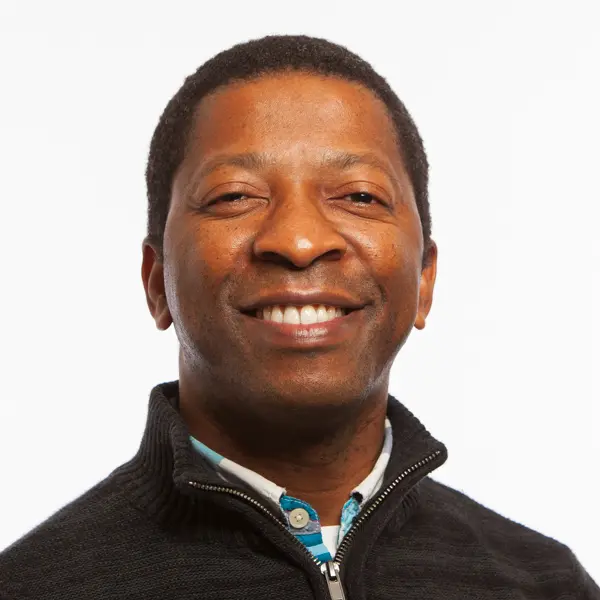
Daniel Kaluka serves as Associate Professor of Chemistry in the Chemistry & Biochemistry Department at Taylor University since 2022, following his tenure as Assistant Professor at Nyack College (2013-2019) and Postdoctoral Fellowship at Albert Einstein College of Medicine (2012-2013).
Education:
- PhD in Biophysical Chemistry from Marquette University
- MS in Biophysical Chemistry from Marquette University
- BS in Biochemistry from University of Zimbabwe
His research integrates advanced spectroscopic methodologies including 2D NMR and Resonance Raman spectroscopy to investigate protein structure-function relationships. Specializing in enzyme mechanisms, Kaluka examines cytochrome P450 systems, malarial proteins, and bacterial oxygen reductases with emphasis on active site dynamics and intermediate characterization. His work bridges biophysical techniques with biochemical applications to elucidate fundamental molecular processes.
Analysis of his publication record reveals consistent focus on structural refinement of metalloenzymes and pathogen-related proteins. Key trends include spectroscopic characterization of enzyme intermediates, conformational coupling in respiratory complexes, and mutagenesis approaches to human protein function. His research demonstrates interdisciplinary integration of biophysics, biochemistry, and microbiology through both computational and experimental frameworks.
No scientific awards were documented in the source material.
Kaluka founded the UC Davis Design to Data (D2D) CURE program at Taylor University in 2022 and initiated undergraduate research on malarial protein characterization in 2019. These initiatives demonstrate his commitment to developing course-based research experiences that integrate computational and experimental approaches for undergraduate training.
He leads research teams within the Chemistry & Biochemistry Department focused on the D2D CURE program and malarial protein projects, fostering hands-on research opportunities that connect classroom learning with real-world biochemical challenges.