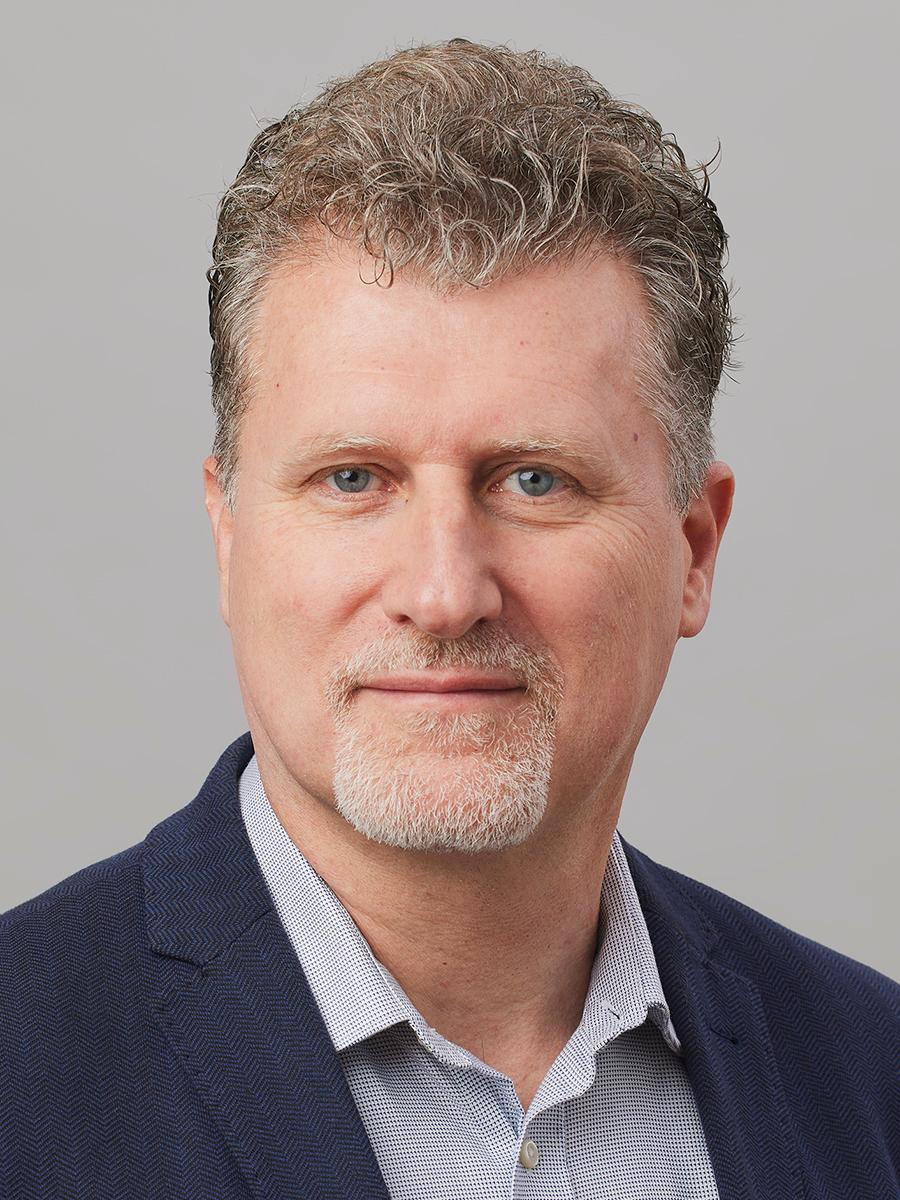
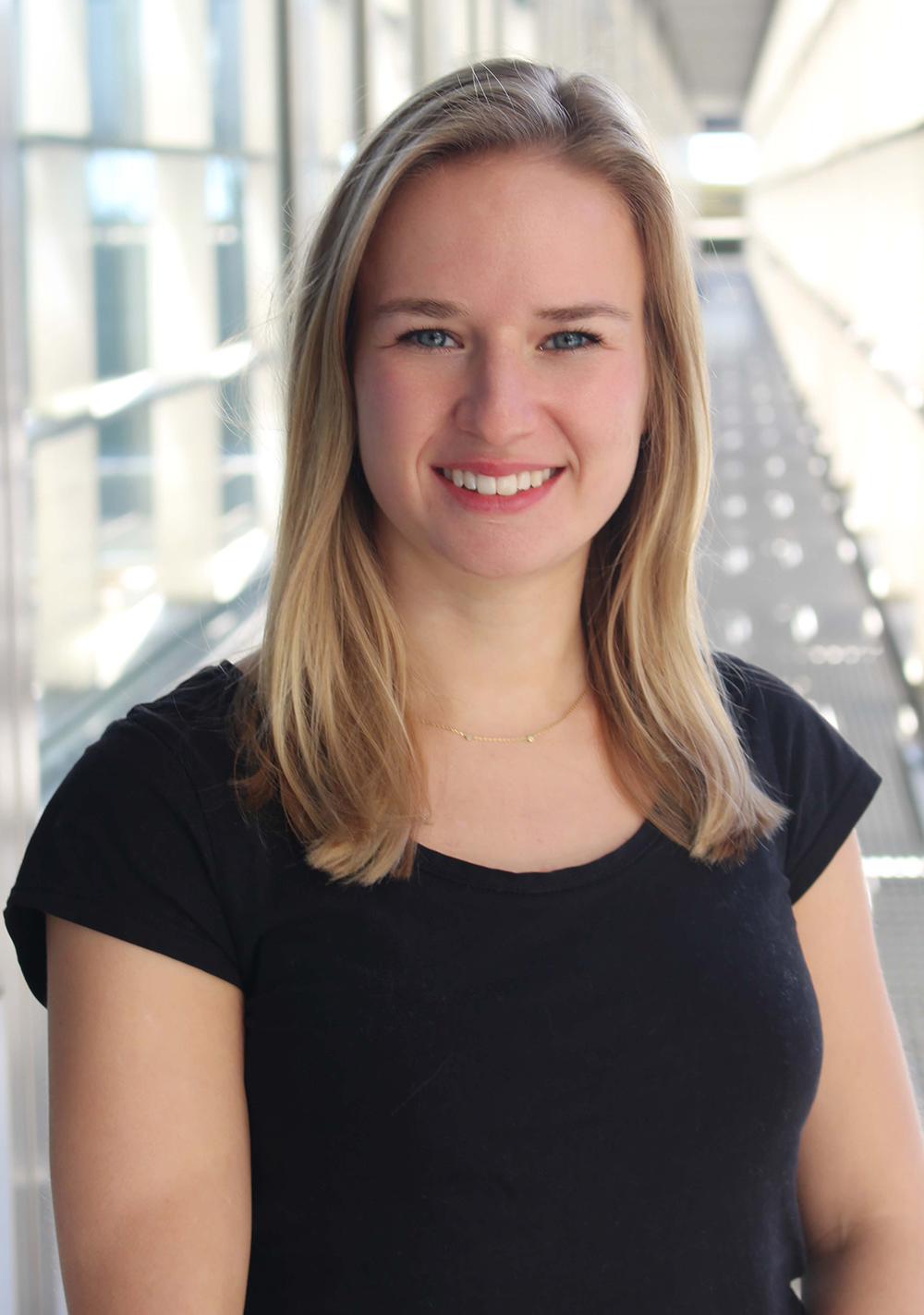
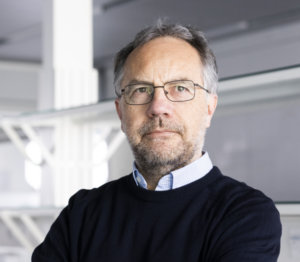
Thomas Michaels is an Assistant Professor at the Department of Biology, ETH Zürich, leading the Michaels Group . His research focuses on theoretical models of biomolecular condensates and protein aggregation in biological systems. Research Themes : Protein aggregation, liquid-liquid phase separation, membrane biophysics, and the role of condensates in neurodegenerative diseases like Alzheimer’s and Parkinson’s. Collaborative Approach : Integrates theoretical physics, control theory, and computational biology with experimental validation to design therapeutic strategies. Recent Publications highlight his work on amyloid formation mechanisms, lipid interactions, and phase-separated compartments as biochemical reactors. His group trains PhD students in systems biology and biocondensate physics.
Prof. Raffaele Mezzenga is a Full Professor at ETH Zürich's Department of Health Sciences and Technology and Head of the Institute of Food, Nutrition, and Health. He earned his master's from Perugia University (Italy) and a PhD in Polymer Physics from EPFL, followed by postdoctoral work at UC Santa Barbara. His career includes roles at the Nestlé Research Center and the University of Fribourg before joining ETH in 2009. His research focuses on self-assembly processes in polymers, biopolymers, and colloidal systems, with applications in environmental remediation, bioplastics, and biomedical materials. Key contributions include pioneering protein-based materials and advancing understanding of amyloid fibrils. Education: Master's, Materials Science & Engineering, Perugia University PhD, Polymer Physics, EPFL Research Interests: Self-assembly, biopolymers, amyloid materials, sustainable technologies, food colloids, and soft condensed matter. Awards: 2011 AOCS Award, 2017 APS Fellowship, and 2013 Biomacromolecules Young Investigator Award. Visiting Roles: Held visiting professorships at Aalto University, RMIT, Monash University, Nanyang Technological University, and others. Labs/Teams: Leads the Institute of Food, Nutrition, and Health at ETH, focusing on interdisciplinary research in food science and biomaterials. His work bridges fundamental science and applied innovation, addressing global challenges in sustainability and health through materials science. Recent projects include creating bioplastics from food waste, developing amyloid-based water purification systems, and advancing targeted drug delivery via lipidic mesophases.
Dr. Lukas Frey is a Researcher at ETH Zurich, affiliated with the Chair of Physical Chemistry and the Institute of Molecular Physical Sciences (IMPS). His work focuses on biophysical studies of membrane proteins, lipid dynamics, and protein aggregation mechanisms. Key research areas include structural biology of ion channels, NMR spectroscopy of membrane proteins in nanodiscs, and the role of lipid environments in modulating protein dynamics. Frey employs advanced techniques like mass photometry and solid-state NMR to investigate molecular mechanisms in biological systems. His recent studies address amyloid fibril formation, pH-dependent α-synuclein polymorphism, and cholesterol-mediated modulation of membrane protein behavior. Based at the HCI F 228 facility in Zurich, Frey collaborates on projects involving lipid bilayer environments, ion channel function, and the structural basis of protein aggregation. His email is lukas.frey@phys.chem.ethz.ch, and he holds an ORCID identifier 0000-0002-1052-1104. Research contributions span from fundamental biophysical insights to methodological advancements in membrane protein analysis.
Dr. Joseph Dumpler is a Lecturer at the Department of Health Sciences and Technology at ETH Zürich, specializing in Sustainable Food Processing. He holds a PhD in Dairy Science and Technology from the Technical University of Munich, Weihenstephan, with a focus on UHT treatment of concentrated milk. His work emphasizes advancing food processing technologies, particularly in protein refinement, non-thermal methods, and membrane filtration. Educations: PhD in Dairy Science and Technology, Technical University of Munich, Weihenstephan (2017) MSc Food Engineering, Technical University of Munich, Weihenstephan His research interests include Natural Deep Eutectic Solvents (NADES) for plant protein extraction, microwave vacuum drying of dairy products, and membrane filtration optimization for microalgae and dairy systems. He has pioneered methods to refine rapeseed and pea proteins while minimizing antinutrients, and his work on microfiltration of milk products addresses emerging microbial risks. Key contributions span kinetic modeling of heat-induced protein aggregation, sustainable food processing , and non-thermal concentration techniques . His articles reflect a focus on bridging lab-scale innovations with industrial applications. Awards: J.T.M. Wouters Young Scientist Award Julius Maggi Research Award (2018) Best PhD Thesis Award from the Association of Dairy, Food and Biotechnologists (Weihenstephan) Dr. Dumpler collaborates with industry partners to translate research into scalable processes, such as NADES-based protein extraction and microwave drying systems. His current role at ETH Zürich’s Sustainable Food Processing Lab (Prof. Mathys) focuses on plant-based meat analogs and novel protein refining concepts .
Dr. Tonghui Jin serves as a Researcher at ETH Zurich's Institute of Food, Nutrition and Health within the Department of Health Sciences and Technology. Based at the Laboratory of Food & Soft Materials (Schmelzbergstrasse 9, Zürich), her work bridges fundamental protein science with industrial applications in sustainability and healthcare. Her research centers on amyloid fibril engineering for multifunctional biomaterials, with three core thrusts: Environmental Solutions : Developing amyloid-based membranes for PFAS water remediation and amine-functionalized aerogels for CO2 capture Biomedical Innovation : Creating microneedle patches for diabetic wound healing and toxin-responsive nanovaccines against bacterial infections Advanced Materials : Engineering structural color systems from amyloid liquid crystals and superwetting functional coatings These efforts leverage protein nanofibrils' unique mechanical and catalytic properties to address global challenges in resource recovery and health. Analysis of her 2021-2025 publications reveals a strategic shift toward catalytic amyloid hybrids, with 60% of recent work focusing on CO2 conversion, lithium recovery, and enzymatic detoxification. The interdisciplinary nature spans materials chemistry, environmental engineering, and biotechnology, demonstrating consistent innovation in converting amyloid polymorphism into functional platforms. No scientific awards were documented in available sources. Dr. Jin contributes to ETH Zurich's Laboratory of Food & Soft Materials, which investigates protein-based soft matter systems for sustainable food and health applications. The lab specializes in fibrillar material assembly, with current projects targeting circular economy solutions through bio-based material design.
Prof. Dr. Roderick Lim is an Associate Professor at the Biozentrum, University of Basel , where he leads a research group since 2014. His work bridges biophysics, nanotechnology, and molecular biology , focusing on the nuclear pore complex (NPC) and mechanobiology of cells . He develops biomimetic systems for selective molecular transport and ARTIDIS , a nanomechanical tissue diagnostic platform commercialized for breast cancer prognosis . Education : BSc (UNC Chapel Hill), PhD (NUS/IMRE Singapore), Postdoc (Swiss Nanoscience Institute) Positions : Argovia Professor (2014–present), Tenure Track Asst. Prof. (2009–2013), Postdoc (2004–2008) His research on NPC transport selectivity reveals how karyopherins modulate the FG Nup barrier via multivalent interactions, with implications for viral entry and Alzheimer’s disease . His ARTIDIS platform uses atomic force microscopy to detect cancer via tissue softness, linking hypoxia to metastasis . Recent 2025 publications explore bacterial nanoharpoon defense mechanisms and DNA origami-based NPC mimics . Scientific Awards : Pierre-Gilles de Gennes Prize (2008), A*STAR Fellowship (2004) Collaborations : NCCR Molecular Systems Engineering, NanoTera, KTI He mentors PhD students in institutions across Switzerland, Singapore, Sweden, and the UK , with alumni working on polymersome delivery, mechanotransduction, and pathogen transport . His lab pioneered high-speed atomic force microscopy for real-time NPC dynamics and plasmonic nanopores for synthetic biology applications.
Jinghui Luo is a Research Professor and Principal Investigator at the Paul Scherrer Institute's Laboratory for Multiscale Bioimaging in Switzerland. Her research focuses on neurodegenerative diseases, particularly amyloid protein aggregation mechanisms. Luo's team investigates amyloid oligomers using nanopore engineering, cryo-electron microscopy, and single-molecule techniques to understand their role in Alzheimer's and Parkinson's diseases. Key research areas include α-synuclein phase separation, tau protein dynamics, and metal ion interactions with amyloid proteins. Her recent work demonstrates strong emphasis on protein oligomer characterization, liquid-liquid phase separation phenomena, and developing innovative trapping methods for single-molecule analysis. Publications consistently integrate structural biology with biophysical approaches. Luo has received prestigious awards including the NIH Director's Early Independence Award and Siebel Scholarship. She currently mentors six graduate students and postdoctoral researchers in her laboratory.
Swiss Federal Institute of Technology in LausanneSwitzerland
Aleksandra Radenovic is a Full Professor at École Polytechnique Fédérale de Lausanne (EPFL) holding multiple positions across the institution. She is a Full Professor at the Laboratory of Nanoscale Biology (LBEN) within the School of Engineering (STI), a Full Professor in Teaching at the School of Life Sciences (SV), and a Full Professor in Teaching at the School of Engineering (STI). Additionally, she serves as Co-Director of both the IBI-STI and IBI-SV administrative units, and is a Member of both the STI School direction and SV School direction. Dr. Radenovic received her PhD from the University of Lausanne in 2003, where she worked with Prof. Dietler in the Laboratory of Physics of Living Matter. Prior to that, she studied physics at the University of Zagreb from 1994-1999, and completed her baccalaureate at a Classical gymnasium in 1994. She conducted postdoctoral research at the University of California, Berkeley from 2004-2007 in the group of Prof. Liphardt. Her research focuses on single molecule biophysics, with particular emphasis on developing techniques and methodologies based on optical imaging, biosensing, and single molecule manipulation. Her laboratory works on three major research directions: (i) developing and using nanopores as platforms for molecular sensing and manipulation, particularly solid-state nanopores in glass nanocapillaries and 2D-material membranes; (ii) studying biomolecular function, especially protein and nucleic acid interactions, using force-based manipulation techniques like optical tweezers and Anti-Brownian Electrokinetic traps; and (iii) developing super-resolution optical microscopy based on single molecule localizations for quantitative cellular imaging. Her work bridges physics, engineering, and biology to create innovative tools for understanding molecular processes at the nanoscale. Analysis of her recent publications reveals a strong focus on nanofluidics, 2D materials (particularly MoS 2 and hBN), nanopore sensing, super-resolution microscopy, and the development of novel instrumentation for biophysical applications. Her research demonstrates increasing interdisciplinary collaboration, integrating materials science, nanotechnology, and biological applications to address fundamental questions in molecular biophysics. Dr. Radenovic has received numerous prestigious awards and grants, including: 2021: ERC Advanced Grant 2021: Optica Fellow 2016: CCMX Materials challenge award 2015: SNSF-ERC Consolidator Grant 2010: ERC Starting Grant 2003: SNSF Fellowship She has successfully advised numerous PhD students whose research spans single molecule biophysics, nanofluidics, and optical techniques. Her laboratory, the Laboratory of Nanoscale Biology (LBEN), is well-equipped for advanced biophysical research, with capabilities in nanopore fabrication, optical trapping, super-resolution microscopy, and 2D materials characterization. Dr. Radenovic has secured significant research funding through competitive grants, including multiple ERC grants, which have supported her innovative research program at the intersection of physics, engineering, and biology.
Dr. Laura Galazzo is a Lecturer at the Department of Chemistry and Applied Biosciences, ETH Zurich, affiliated with the Institute of Molecular Physical Sciences (IMPS). Her research focuses on biophysical chemistry and molecular dynamics, employing advanced spectroscopic techniques like Electron Paramagnetic Resonance (EPR) to study protein structure, phase transitions, and membrane transport mechanisms. She investigates topics such as liquid-liquid phase separation in proteins, ABC transporter function, and nitroxide radical dynamics in aqueous environments. Dr. Galazzo also contributes to methodological advancements in pulsed dipolar spectroscopy and neural network applications in spectroscopic data analysis. Her work bridges theoretical and experimental approaches, combining computational methods (e.g., ab initio molecular dynamics) with experimental techniques to address complex biological systems. Key areas of study include protein aggregation, conformational changes in large complexes, and the interplay between solvent effects and biomolecular behavior. Recent research highlights include studies on mycobacterial iron uptake mechanisms and the structural dynamics of pro-apoptotic peptides. Dr. Galazzo’s publications reflect a strong emphasis on interdisciplinary approaches, integrating spectroscopy, computational modeling, and structural biology. Her contributions have advanced methodologies for distance measurements in biomolecules and provided insights into fundamental biological processes such as phase separation and membrane-mediated transport. She is actively engaged in promoting sustainable education through initiatives like the EquipSent project, aiming to enhance global access to scientific resources.
Swiss Federal Institute of Technology in LausanneSwitzerland
Julian Charles Shillcock is a Lecturer and computational modeling specialist at École Polytechnique Fédérale de Lausanne (EPFL), affiliated with the School of Life Sciences and the Lashuel Lab. He also serves as a Scientist in the UPDALPE group (Prof. Dal Peraro Group) and teaches in EPFL’s SSV (Teaching) and EDNE (Doctoral Education) sections. His work bridges biophysics, computational modeling, and cellular dynamics. PhD in Physics from Simon Fraser University (1996) Group Leader at Max Planck Institute of Colloids and Interfaces (2000-2005) Associate Professor at University of Southern Denmark (2005-2011) Blue Brain Project member since 2011 Shillcock’s research focuses on biomolecular condensates , membrane dynamics , and computational cell biology . He develops mesoscale simulation methods like Dissipative Particle Dynamics to study vesicle fusion , neuronal morphology , and neurodegenerative disease mechanisms . Recent work includes POETS computing platforms for accelerating simulations and Shiga toxin clustering on membranes. His publications (2022-2024) reveal trends in soft matter physics , computational neuroscience , and biomolecular condensate structure . Key collaborations include Imperial College London and University of Southampton on the POETS project. Scientific recognition includes: 2021 Polysphère prize for Best Teacher in Life Sciences He has advised PhD student Lida Kanari in computational morphology and contributed to neocortical microcircuit reconstruction . His research spans computational biophysics , toxin entry mechanisms , and novel computational platforms for life sciences education.
Swiss Federal Institute of Technology in LausanneSwitzerland
Patrick Aebischer is an Honorary Professor at EPFL, where he previously served as President from 2000 to 2016. He holds a medical degree from the University of Geneva (1980) and a PhD in Neuroscience from the University of Fribourg (1983). Before his tenure at EPFL, he held academic roles at Brown University (1984–1992) and the University Hospital of Lausanne (CHUV). His research focuses on neurodegenerative diseases, particularly through cell therapy and gene transfer approaches. Education : - Medicine (1980), University of Geneva - Neuroscience (1983), University of Fribourg Research Interests : Dr. Aebischer's work addresses neurodegenerative diseases such as Alzheimer's and Parkinson's. His lab develops therapies targeting amyloid-beta, tau pathology, and α-synuclein, using gene therapy and cell-based approaches. Recent studies include cellular implants for passive immunization and mitochondrial regulation via Urolithin A. Publications : His recent work highlights advancements in gene therapy for deafness, ALS modeling on microchips, and mechanisms linking aging to neurodegeneration. Over 150 publications span topics like viral vector applications and neuroenergetics. Affiliations & Roles : - Board member: Lonza, Logitech, Nestlé - Chair: Novartis Venture Fund Advisory Board - Founder: Three biotechnology startups Labs & Teams : His lab at EPFL focuses on translating research into therapies, collaborating with industry partners to advance clinical applications.
Vera Slaveykova is a full professor in Environmental Biogeochemistry and Ecotoxicology at the Department of F.A. Forel for Environmental and Aquatic Sciences and the Institute for Environmental Sciences at the University of Geneva. She has held leadership roles including Director of the Department and President of the School of Earth and Environmental Sciences. She currently serves on the National Research Council of the Swiss National Science Foundation and represents the University of Geneva in the UNEP Global Mercury Partnership. She is also the Specialty Chief Editor for Biogeochemical Dynamics in Frontiers in Environmental Science. Research Interests: Her work centers on the behavior and impacts of trace elements, nanoparticles, and microplastics in aquatic systems. Key areas include: Speciation and bioavailability of trace elements and nanoparticles Aquatic toxicology of inorganic contaminants, nanoparticles, and microplastics Transcriptomics and metabolomics in environmental stress responses Community ecotoxicology and biodiversity in aquatic ecosystems Publication Trends: Her recent articles (2023–2025) show a strong focus on mercury speciation and transformations, nanoplastic and nanoparticle toxicity, eco-corona formation, and advanced analytical techniques like single-cell Raman spectroscopy and asymmetric flow field-flow fractionation. There is a clear emphasis on mechanistic understanding of pollutant-organism interactions across multiple biological levels. Scientific Leadership: She plays a major editorial and advisory role in environmental science, particularly in mercury research and nanoparticle ecotoxicology. Advising and Grants: She has supervised numerous doctoral students whose theses focus on mercury cycling, nanoparticle bioaccumulation, and ecotoxicological methods. Her research is likely supported by Swiss and international funding bodies, given her leadership in national science councils and global partnerships. Labs and Teams: She leads a research group focused on biogeochemical dynamics and ecotoxicology, collaborating with experts in analytical chemistry, microbiology, and environmental engineering, particularly through the Institute for Environmental Sciences and the F.A. Forel Department.
Maurizio Molinari is a Group Leader at the Institute for Research in Biomedicine (IRB) in Bellinzona, Switzerland, since October 2000. He earned his PhD in Biochemistry from ETH-Zurich in 1995 and conducted postdoctoral research at the University of Padua and ETH-Zurich. His work focuses on protein folding, quality control, and degradation mechanisms within the endoplasmic reticulum (ER), with implications for rare diseases and Alzheimer’s pathology. Affiliation: IRB Bellinzona, Adjunct Professor at EPFL since 2008 Education: PhD in Biochemistry (ETH-Zurich, 1995) Dr. Molinari’s research explores the ER-phagy pathway , proteostasis , and lysosomal degradation as failsafe mechanisms during ER stress. His studies link these processes to neurodegenerative diseases , myelin maintenance , and rare genetic disorders . Recent publications highlight his contributions to allosteric enzyme modulation , organelle fragmentation , and computational tools for autophagy quantification . He received the Friedrich-Miescher Award in 2006 for his work in molecular biology. Scientific Networks: European Research Council (ERC), Rare Diseases Platform (Switzerland) Leadership Roles: Advisory Board, Centro Malattie Rare della Svizzera italiana
Dr. Paride Azzari is a researcher in the Sustainable Food Processing group at ETH Zurich , focusing on interdisciplinary approaches at the intersection of food science, biophysics, and soft matter physics. His work emphasizes scalable and sustainable bioprocessing techniques, particularly for microalgae and plant-based proteins. Key Research Areas : Pulsed electric field processing, liquid-liquid crystalline phase separation, and viscoelastic material behavior. Methodologies : Multiphysics simulations, experimental rheology, and open-source software development (e.g., Extrudion for tensile testing analysis). Recent publications highlight his contributions to optimizing biocompound extraction, understanding amyloid fibril organization, and advancing environmental bioremediation using agricultural waste. Notably, his work bridges fundamental soft matter research with industrial food processing applications.
Prof. Dr. Karsten Weis serves as Full Professor and Deputy Head of the Department of Biology at ETH Zurich, Switzerland, leading the Weis Group at the Institute of Biochemistry since his 2013 appointment. Prior to ETH Zurich, he spent 14 years at UC Berkeley (1999-2013), rising from Assistant Professor to Full Professor through promotions in 2003 and 2006, following a UCSF fellowship after his 1996 EMBL Heidelberg Ph.D. under Angus Lamond. Education: Ph.D. from European Molecular Biology Laboratory (EMBL), Heidelberg (1996) Research Interests: The Weis Lab investigates eukaryotic subcellular compartmentalisation through membrane-bound organelles (e.g., nucleus) and dynamic membraneless structures formed by phase separation (P bodies, stress granules). Core focus areas include nucleocytoplasmic transport , nuclear pore complex assembly , and the role of biomolecular condensates in gene expression. Methodologically, they integrate in vitro reconstitution , live-cell imaging , cryo-EM , omics , and genetic approaches while innovating custom imaging tools to visualize cytoplasmic biophysical properties. Recent publications reveal a critical emphasis on experimental methodology in cellular organization research, particularly how fluorescent protein tags distort biomolecular condensation observations (2025 MBoC paper) and structural analysis of nuclear pore complexes (2025 review), highlighting technical rigor in the field. Advising and Grants: The lab actively mentors postdoctoral researchers like Michaela Ristova (joined February 2025) and Federico (February 2025), and hosts Master's projects as noted on their website. While specific grants are unmentioned, their multidisciplinary toolkit suggests robust funding for imaging and biochemical research. Labs and Teams: Situated at the Institute of Biochemistry (Otto-Stern-Weg 3, Zürich), the Weis Group collaborates with ETH Zurich's network of cell biology teams including Allain Group, Barral Group, Helenius Group (emeritus), Jagannathan Group, Kleele Group, Kutay Group, Michaels Group, Neurohr Group, and Peter Group, driving innovation in cellular organization studies.