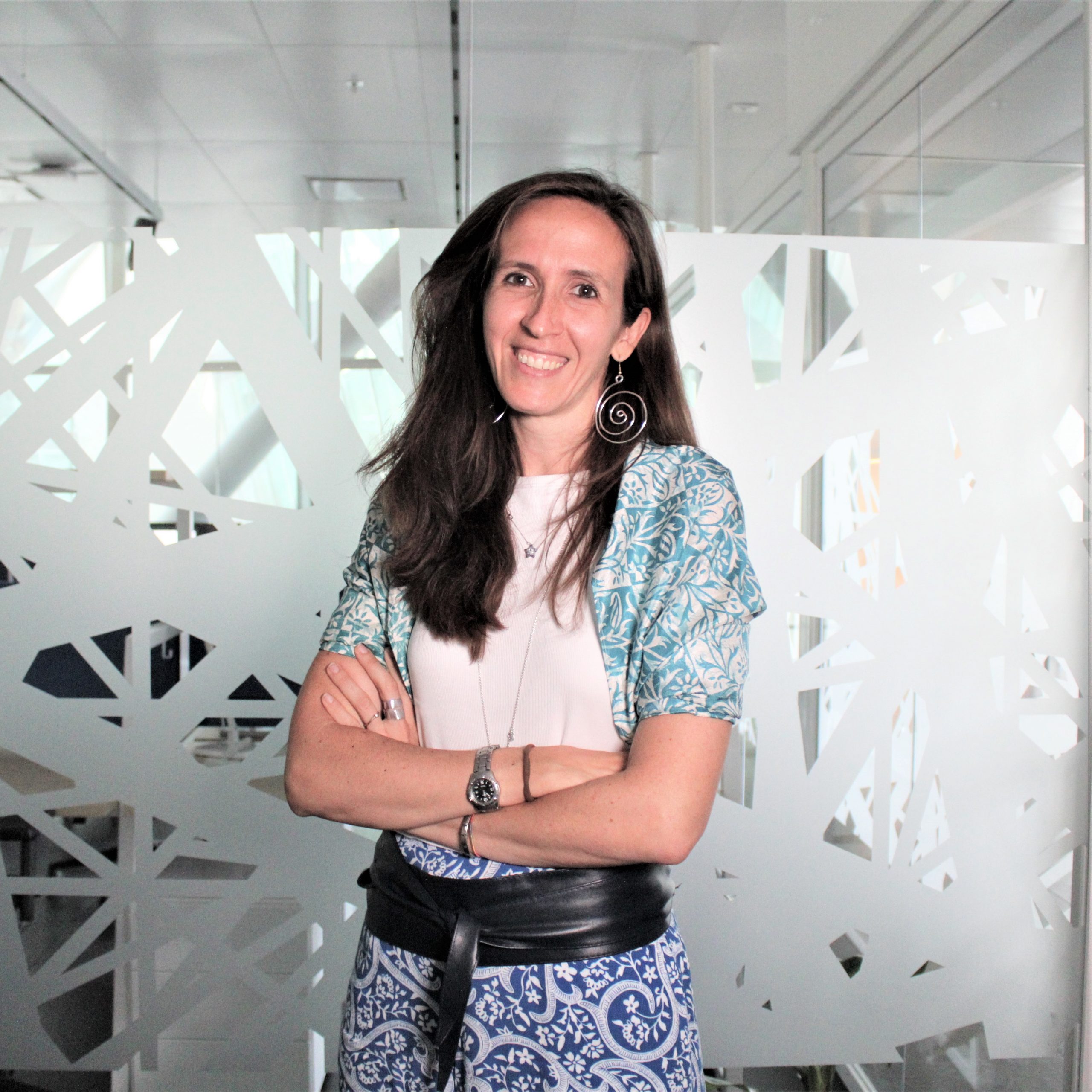
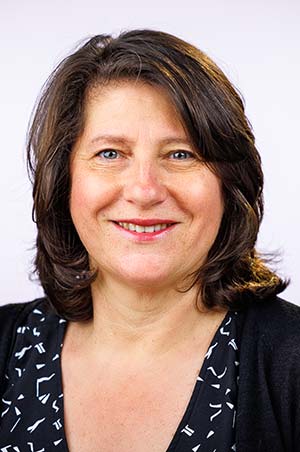
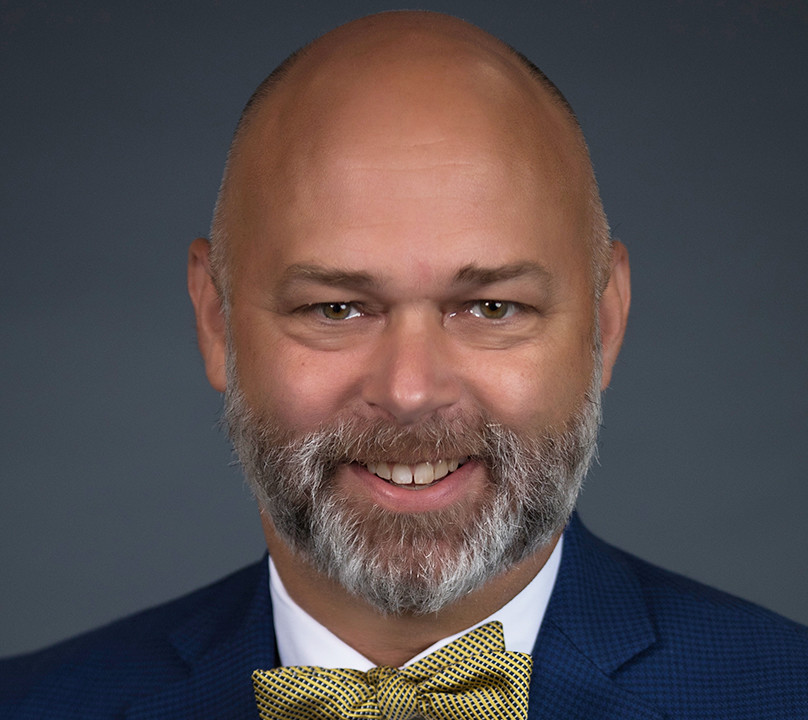
Yang Kuang is Professor of Mathematics at Arizona State University's School of Mathematical and Statistical Sciences, with joint affiliations with the CRESMET and Mathematical Computational Modeling Sciences Center. His research bridges mathematical biology, oncology, population dynamics, and delay differential equations. His cancer modeling investigates glioblastoma growth mechanisms, tumor-immune interactions, and prostate cancer treatment optimization. Ecological work pioneers stoichiometric modeling of producer-grazer systems and virus-host-environment interactions. He directs NSF-funded projects including 'Mathematical Classification of Complexity in Population Dynamics' and 'Predictive Modeling of Pattern Formation'. Publications demonstrate recurring themes: reaction-diffusion tumor models, wastewater-based epidemiology during pandemics, and ecological stoichiometry. His textbook Introduction to Mathematical Oncology establishes core frameworks for cancer modeling.
Francesca Ieva serves as Associate Head of the Health Data Science Centre at Human Technopole and Associate Professor of Statistics at the Politecnico di Milano, where she leads the MOX - Modeling and Scientific Computing laboratory within the Department of Mathematics. She also co-leads the Di Angelantonio & Ieva Group, a collaborative research team focused on integrating molecular data with clinical information to advance precision medicine. Dr. Ieva received her PhD in Mathematical Models and Methods for Engineering in 2012. Her academic journey has positioned her at the forefront of health data science, bridging statistical methodology with biomedical applications. Her research focuses on statistical learning in biomedical sciences, with particular emphasis on developing advanced models for integrating complex clinical data to inform predictions in clinical decision-making. Francesca's work spans multiple domains including: Development of novel survival analysis techniques for healthcare applications Integration of DNA methylation data for cardiovascular risk prediction Application of machine learning to clinical pathway analysis in mental health Innovative approaches to polygenic risk scoring incorporating SNP interactions Development of radiomics models for cancer prognosis and treatment response Analysis of Dr. Ieva's recent publications reveals a strong trend toward federated learning approaches in healthcare data analysis, reflecting growing concerns about data privacy while maintaining analytical power. Her work increasingly integrates multiple data types (genomic, epigenetic, imaging, and clinical records) to create more comprehensive patient profiles for precision medicine applications. A notable pattern is her focus on translating complex statistical models into clinically actionable tools that can directly inform patient care and healthcare policy decisions. As Associate Head of the Health Data Science Centre at Human Technopole, Dr. Ieva oversees a research group comprising epidemiologists, statisticians, and data scientists working collaboratively to bridge the gap between genotype and phenotype. The Di Angelantonio & Ieva Group develops innovative studies that integrate biomolecular data with medical records, imaging, and portable medical device data. Her team utilizes both existing healthcare data and newly generated population-based studies, applying novel analytical methods that integrate clinical epidemiology with health research to improve data interpretation. Dr. Ieva actively mentors several PhD students including Andrea Lampis, Katherine Marie Logan, Alessia Mapelli, Michela Carlotta Massi, and Andrea Mario Vergani. Her research has been supported by collaborations with major healthcare institutions and likely receives funding from research councils and health technology initiatives, though specific grant details are not provided in the available information.
Dr. Isis W. Gayed is an Adjunct Professor in the Radiology & Imaging Sciences department. She is a board-certified nuclear medicine physician with additional certification in nuclear cardiology. Education: MBBS from Faculty of Medicine, University of Khartoum Fellowship at Baylor College of Medicine Residency at Baylor College of Medicine Internship at Hahnemann University Hospital Graduate Training at Michener Institute School of Applied Health Sciences Post-Graduate Training at Toronto General Hospital Research Interests: Nuclear medicine applications in cancer imaging (PET-CT, SPECT/CT) Cardiovascular imaging in oncology patients Diagnostic accuracy of imaging modalities Lymphatic mapping and sentinel node detection Functional imaging for treatment planning Endocrine and parathyroid imaging Publication Trends: Over 20 peer-reviewed articles in clinical nuclear medicine Focus areas: oncology imaging, cardiovascular nuclear medicine, diagnostic techniques Collaborative research with surgical and oncology departments Methodological improvements in SPECT/CT and PET-CT applications Longitudinal studies on radiation therapy outcomes Technical innovations in parathyroid and breast cancer imaging Professional Background: Board certifications in nuclear medicine and nuclear cardiology Extensive clinical training across North America Primary research focus on hybrid imaging modalities (SPECT/CT, PET/CT) Contributions to cancer imaging guidelines and treatment protocols
Michael J. Orlich, MD, PhD serves as Assistant Professor in both the School of Medicine (Department of Preventive Medicine) and School of Public Health at Loma Linda University, where he also directs the PhD Program in Epidemiology. His academic appointments reflect a dual commitment to clinical preventive medicine and public health research. His research focuses on nutritional epidemiology within the Adventist Health Study-2 cohort, with particular expertise in vegetarian/vegan diets, cancer epidemiology, and microbiome research. Key investigations include examining relationships between plant-based diets and chronic disease outcomes, dairy consumption and cancer risk, and sunlight exposure effects on mortality. His work consistently leverages the unique dietary patterns of Seventh-day Adventist populations to isolate dietary effects on health outcomes. Analysis of his 32 publications (2013-2025) reveals dominant themes in cancer epidemiology (particularly prostate and breast cancer), nutritional biochemistry of plant-based diets, and methodological innovations in dietary assessment. Recent work increasingly incorporates metabolomics and epigenetic analyses to understand biological mechanisms linking diet to health outcomes. His clinical work focuses on obesity treatment and chronic disease prevention at Loma Linda University Health's Center for Health Promotion. He maintains active community engagement through Street Medicine programs serving homeless populations and participates in professional organizations including The Obesity Society and American College of Lifestyle Medicine.
Professor J. Debus is a distinguished academic in Radiation Oncology at Heidelberg University's Medical Faculty, with extensive research focused on particle therapy, medical physics, and cancer treatment optimization. His work spans clinical trials, radiobiology, and technical innovations in radiation delivery systems. Primary Affiliation: German Cancer Research Center (DKFZ), Heidelberg Research Focus: Particle therapy, radiation oncology, medical physics Key Collaborations: Mein S., Liew H., Tessonnier T., and other leading researchers in radiation oncology Professor Debus' research interests center on advancing particle therapy techniques including proton, carbon ion, and emerging modalities like helium and oxygen ion therapy. His work addresses critical challenges in radiation oncology such as normal tissue sparing, hypoxia-induced radioresistance, and precision treatment delivery. He has made significant contributions to understanding the biological effects of different radiation types and optimizing treatment protocols for various cancer types including head and neck cancers, brain metastases, and prostate cancer. His recent publications demonstrate leadership in clinical trials (GUARD, ESTRON, PROBASE) and technical innovations in radiation delivery systems, particularly in the emerging field of FLASH radiotherapy and ultra-high dose rate treatments. Professor Debus has published extensively on treatment planning optimization, radiation-induced biological effects, and imaging techniques for precise radiation delivery. Leading clinical trials in particle therapy Developing novel techniques for normal tissue protection Advancing understanding of radiation biology across different modalities Professor Debus has secured significant research funding for his work in radiation oncology and particle therapy. His research has contributed to clinical implementation of advanced treatment techniques at the Heidelberg Ion-Beam Therapy Center (HIT), one of the world's leading facilities for particle therapy. He supervises numerous doctoral students and postdoctoral researchers in the radiation oncology field. His laboratory and research team focus on translational research bridging basic radiobiology with clinical applications, with particular emphasis on optimizing treatment protocols for challenging tumor types and improving patient outcomes through precision radiation therapy.
Ruth Etzioni is a Professor in the Biostatistics Program within the Public Health Sciences Division at Fred Hutchinson Cancer Center. She holds the Rosalie and Harold Rea Brown Endowed Chair and is a Member of the Translational Data Science Integrated Research Center (TDS IRC) at Fred Hutch. Dr. Etzioni received her PhD in Statistics from Carnegie Mellon University in 1990, following an MS in Statistics from the same institution in 1987, and a BS in Statistics from the University of Cape Town in 1985. As a biostatistician, Dr. Etzioni primarily focuses on cancer screening and early detection, with significant work in prostate and breast cancer. Her research involves developing methods for evaluating diagnostic tests, creating mathematical models to assess screening impact on cancer incidence and mortality, calculating costs and benefits of preventive screening, and tracking population trends related to screening behaviors. She has a longstanding interest in researching overdiagnosis associated with certain screening tests, evaluating novel cancer biomarkers, and tracking patterns and outcomes of cancer care. Her work bridges biostatistics, epidemiology, and clinical oncology to inform evidence-based cancer screening practices. Dr. Etzioni's recent research has increasingly focused on multi-cancer early detection technologies, surveillance-dependent outcomes, and applying sophisticated statistical modeling to understand cancer progression. Her publications demonstrate a strong emphasis on health disparities research, particularly regarding prostate cancer screening in Black men and racial inequities in treatment. Her notable recognition includes: Rosalie and Harold Rea Brown Endowed Chair at Fred Hutchinson Cancer Center Dr. Etzioni leads the biostatistics core for the National Cancer Institute-funded multicenter Northwest Prostate Cancer Specialized Program of Research Excellence (SPORE). She serves as a central consulting resource for prostate cancer investigators at Fred Hutch and the University of Washington, providing expertise in trial design and analysis. Her lab develops innovative statistical and computer modeling approaches to study cancer control outcomes, with expertise in simulation modeling, survival analysis, Bayesian methods, and data visualization. She is a key member of the FHIND Cancer (Fred Hutch Investigators in Novel Diagnostics for Cancer) Research Group, which brings together investigators across multiple disciplines to advance cancer diagnostic technologies and realize the promise of precision oncology.
Scarlett Lin Gomez is Professor and Vice Chair of Faculty Development in the Department of Epidemiology and Biostatistics at the University of California San Francisco (UCSF) School of Medicine. She serves as Co-Leader of the Cancer Control Program for the UCSF Helen Diller Family Comprehensive Cancer Center and Director of the Greater Bay Area Cancer Registry, part of the NCI SEER Program. Her research centers on structural and social drivers of health disparities, with pioneering work on Asian American, Native Hawaiian, and Pacific Islander cancer patterns. She developed the California Neighborhoods Data System to evaluate neighborhood environment impacts on disease outcomes and leads the Female Asian Never Smokers (FANS) Study investigating lung cancer etiology. Key funding includes multiple NIH R01 grants focused on ovarian cancer disparities, breast cancer prognosis in Asian populations, and lung cancer in never-smokers. Racial/Ethnic Disparities in Ovarian Cancer Treatment (R01CA243188) Insights from Asian Populations into Breast Cancer Prognosis (R01CA241125) Lung Cancer Etiology Among Asian American Female Never Smokers (R01MD014859) Cancer Registry for Understanding Survivorship Experiences (R01CA241128) Dr. Gomez has received numerous honors including the 2024 AACR Distinguished Lectureship on Cancer Health Disparities and the 2022 ASPO Joseph F. Fraumeni, Jr. Award. Her recent publications analyze neighborhood redlining effects, immigrant health patterns, and cancer disparities across diverse populations using innovative registry linkages and multiethnic cohort studies. As an active AACR leader, she co-chaired the 2024 Cancer Disparities Progress Report and serves on editorial boards for Cancer Epidemiology, Biomarkers & Prevention . Her work fundamentally advances understanding of how structural racism, immigration status, and neighborhood environments shape cancer outcomes across underrepresented populations.
Dr. Chenghui Li is an Associate Professor at the University of Arkansas for Medical Sciences (UAMS), College of Pharmacy, Department of Pharmacy Practice. She specializes in applied health econometrics and economic evaluation of pharmaceutical products, leveraging her expertise in secondary database analysis for health policy research. Education: Bachelor of Science (BS), Saint Vincent College, Latrobe, PA Doctor of Philosophy (PhD), Indiana University, Bloomington, IN Dr. Li’s research focuses on cancer prevention, treatment outcomes, and quality of care; healthcare database research; applied econometrics; economic evaluation of pharmaceuticals; tobacco cessation; and mental health/substance abuse. Her work utilizes large datasets like All-Payer Claims Database, SEER-Medicare, and cancer registries to address health disparities and policy impacts. Her publications span topics such as opioid misuse prevention, cancer survivorship disparities, healthcare utilization in Medicaid vs. commercial insurance, and cost-effectiveness of pharmaceutical interventions. She has received recognition including the UAMS Medical Research Endowment Award (2008) and a Biomedical Informatics MBL/NLM Course Fellowship (2009). Scientific Awards: 2006 Post-doctoral Fellow, Rutgers University 2008 UAMS Medical Research Endowment Award Spring 2009 Biomedical Informatics MBL/NLM Course Fellow
R. Lawrence Van Horn is an Associate Professor of Management, Law, and Health Policy at the Owen Graduate School of Management, Vanderbilt University. He directs the Center for Healthcare Market Innovation and holds courtesy appointments in the medical and law schools. His research focuses on consumer-driven healthcare markets, nonprofit governance, and price transparency. Van Horn has advised the White House on healthcare price transparency, co-directs the Nashville Healthcare Council Fellows Program with Senator Bill Frist, and serves on multiple healthcare company boards. Education includes a Ph.D. from the Wharton School (1997), an MBA and MPH from the University of Rochester (1992 and 1990). His work appears in journals like the Journal of Health Economics and New England Journal of Medicine. He has consulted with major hospitals and insurers on antitrust and data analysis, and his research influenced the 2019 Executive Order on healthcare price transparency. Professional roles include board memberships at Community Health Care Realty Trust (NYSE: CHCT), Savida, and Harrow Health. Beyond academia, he manages a cattle farm in Tennessee.
Eduardo Eyras is a Professor at the Australian National University (ANU) and EMBL Australia Group Leader, leading research in computational RNA biology and cancer genomics. He directs the Centre for Computational Biomedical Sciences and is part of the Shine-Dalgarno Centre for RNA Innovation. His work focuses on transcriptome and epitranscriptome analysis using long-read sequencing, machine learning, and computational methods to study cancer mechanisms. Eyras holds a PhD in Mathematics from the University of Groningen (1999) and previously led research at the Sanger Institute and Pompeu Fabra University. Affiliations: Director, Centre for Computational Biomedical Sciences Researcher, Shine-Dalgarno Centre for RNA Innovation Member, Division of Genome Sciences and Cancer Leader, The Eyras Group - Computational RNA Biology Research Interests: Development of algorithms for long-read sequencing Machine learning applications in RNA biology Epitranscriptomic modifications and cancer Therapeutic mRNA platform steering Key Projects: Novel algorithms for transcriptome variation analysis Predictive models of RNA modifications in disease Ribosomal DNA variation analysis Advisees & Grants: Supervises PhD students (e.g., Favour Oyelami, Stefan Prodic) and leads ARC-funded projects on mRNA diagnostics and epitranscriptomic therapies. Collaborates with global teams on forensic genomics, cancer drug resistance, and AI-driven translational research. Labs/Teams: Leads the Eyras Group, collaborating with the Hannan Group (Cancer Therapeutics) and Shirokikh Group (Protein Biosynthesis).
Prof. Dr. rer. nat. Sabine Riethdorf is a leading researcher at the Institute of Tumor Biology, University Medical Center Hamburg-Eppendorf (UKE). With over 216 publications, her work focuses on circulating tumor cells (CTCs) in liquid biopsy for cancer diagnostics, prognosis, and treatment monitoring across metastatic breast cancer, prostate cancer, NSCLC, and other malignancies. Research Themes : CTC characterization, tumor heterogeneity, treatment resistance mechanisms, PSMA imaging, HER2 status in CTCs, machine learning applications in tumor cell detection. Recent Article Trends : Analysis of CTC transcriptional profiles, PSMA heterogeneity in prostate cancer, machine learning strategies for CTC detection, and comparative CTC studies between blood compartments. Scientific Collaborations : Key partnerships with Klaus Pantel (UKE), Annette Schneeweiss (Heidelberg), and teams across Germany and international institutions. Infrastructure : Utilizes UKE's research information system (FIS), core facilities for molecular analysis, and participates in multicenter clinical trials like DETECT and PREDICT.
Helle Damgaard Zacho is a Clinical Professor at Aalborg University's Faculty of Health Sciences and Senior Physician at Aalborg University Hospital's Department of Clinical Physiology and Nuclear Medicine . Her work bridges clinical practice with advanced nuclear medicine research. Primary Affiliation: Aalborg University Hospital Academic Role: Clinical research and education at Faculty of Health Sciences Research Focus: PET/CT imaging for cancer diagnostics Zacho leads or co-leads multiple high-impact projects including FAPI/PSMA PET/CT studies for prostate, ovarian, and gastric cancers . Her fingerprint highlights expertise in: Prostate Cancer (100%) Positron Emission Tomography-Computed Tomography (84%) Bone Metastasis (50%) Gallium 68 applications (65%) Deep learning in radiology Cancer staging methodologies Her recent publications focus on optimizing FAPI and PSMA PET/CT for metastatic cancer detection, with active clinical trials in ovarian and prostate cancer diagnostics. While no formal awards are listed, her 147+ publications and 8 ongoing projects demonstrate substantial research output. Media coverage highlights her team's potential 'super-weapon' for cancer diagnostics (2023-2024), including national press attention for Denmark's best clinical trial 2025. She serves as a peer reviewer for journals like World Journal of Gastroenterology and participates in major urological cancer conferences.
Maria Hedelin serves as a Senior Lecturer at Karolinska Institutet's Department of Medical Epidemiology and Biostatistics since 2023, specializing in nutrition-dietetics intersections with cancer epidemiology, particularly prostate cancer research through dietary interventions and biomarker analysis. She earned her Doctor of Philosophy (PhD) from Karolinska Institutet's Department of Medical Epidemiology and Biostatistics in 2006, establishing her academic foundation in epidemiological methods and nutritional sciences. Hedelin's research centers on nutritional oncology, investigating how phytoestrogens, dietary fiber, and fatty acids influence cancer development and progression. Her work bridges clinical practice and population health through randomized controlled trials like PRODICA and cohort studies examining dietary patterns in Swedish cancer populations. She develops innovative assessment tools including mobile applications for dietary monitoring, emphasizing methodological rigor in nutritional epidemiology. Analysis of her 15 most recent publications reveals consistent thematic focus on prostate cancer nutrition interventions, with evolving methodological sophistication from cohort studies (2008-2013) to contemporary randomized trials (2021-2025). Her research spans dietary assessment validation, genetic-diet interactions, radiotherapy side effect mitigation, and cross-cancer applications from prostate to breast and colorectal malignancies. No major scientific awards or prizes are documented in publicly available information regarding her career achievements. While specific student advising details remain unpublicized, her doctoral thesis supervision and extensive publication record suggest active mentorship roles. Departmental context indicates involvement in Karolinska's Medical Epidemiology and Biostatistics unit which recently secured 120 million SEK in Swedish research funding (2024), supporting collaborative projects in cancer epidemiology and nutritional interventions. As a core faculty member in one of Europe's leading medical research institutions, Hedelin contributes to Karolinska Institutet's mission through interdisciplinary collaborations spanning oncology, nutrition science, and biostatistics, with growing emphasis on personalized dietary approaches based on genetic profiling in cancer care.
Dr. Mark Baillie is an Assistant Professor in the Department of Chemistry at the University of Arkansas at Little Rock. He also serves as Director of the STRIVE Program and the Mobile Institute on Scientific Teaching (MoSI) Workshop. His research focuses on Chemistry Education Research and Institutional Change Research, exploring how faculty training, teaching strategies, and student backgrounds impact STEM success. He holds a PhD in Organic/Medicinal Chemistry from Emory University and a BS from Bucknell University. Education highlights include a Post-Doctoral Fellowship in Chemical Biology at EPFL (Switzerland), an Emory University NSF Fellowship, and a Six Sigma Green Belt from General Electric. His work bridges educational innovation with organic chemistry expertise, addressing barriers to equitable STEM participation through programs like Learning Assistant initiatives and evidence-based teaching workshops. Research trends show a transition from medicinal chemistry (e.g., Enigmol anti-cancer agents) to STEM education analytics, using machine learning for classroom monitoring. Awards include multiple Student Faculty Appreciation Awards and recognition as a Rising Star in STEM education. His Baillie Research Group collaborates on institutional reforms and active learning frameworks, emphasizing student mindset and belongingness in STEM retention. Key Awards: Student Faculty Appreciation Award 2023 NSF Graduate Fellowship (2007–2008) Outstanding Teaching Assistant Award (2006) Advising/Grants: Leads workshops and programs without explicit grant mentions in provided texts. Labs/Teams: Directs the Baillie Research Group, focusing on education research and institutional change.
Jürgen Bernard is an Assistant Professor of Computer Science at the University of Zurich (UZH), affiliated with the Digital Society Initiative (DSI). He leads the Interactive Visual Data Analysis (IVDA) Group and holds a joint position in the Department of Informatics within the Faculty of Business, Economics, and Informatics. His research focuses on interactive visual data analysis, explainable machine learning, and human-centered AI interfaces. Bernard completed his PhD at TU Darmstadt in 2015, followed by postdoctoral roles at TU Darmstadt and the University of British Columbia. He has received prestigious awards, including the EuroGraphics Young Researcher Award (2022) and EuroVis Young Researcher Award (2021). His work emphasizes combining human expertise with algorithms in domains like healthcare, climate science, and digital humanities. Key research interests include visual analytics for time-oriented data, interactive machine learning, and applications in healthcare. His projects address challenges such as medical data interpretation, sensor data analysis, and decision-making support systems. Bernard actively contributes to conferences like IEEE VIS and chairs workshops such as VAHC 2023. Education: PhD in Computer Science (2015, TU Darmstadt); Diploma in Computer Science (2009, TU Darmstadt) Grants: SNF Grant on Personalized Visual Analytics (2024), BMW collaboration on manufacturing analytics Labs/Teams: IVDA Group, DSI Health Community