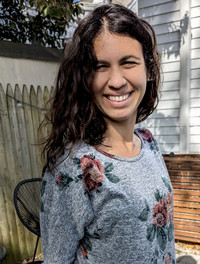
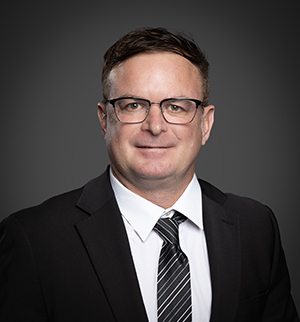
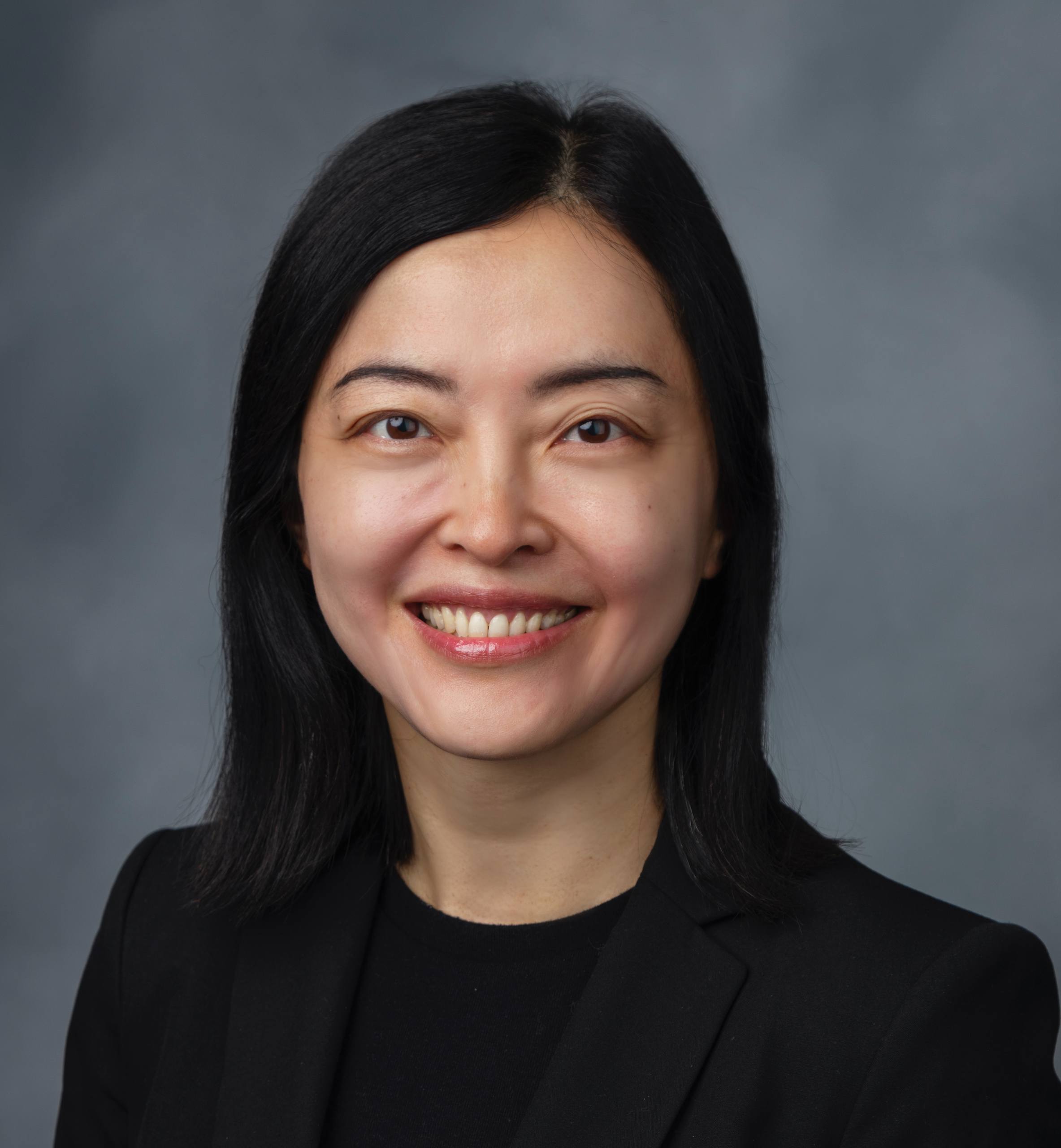
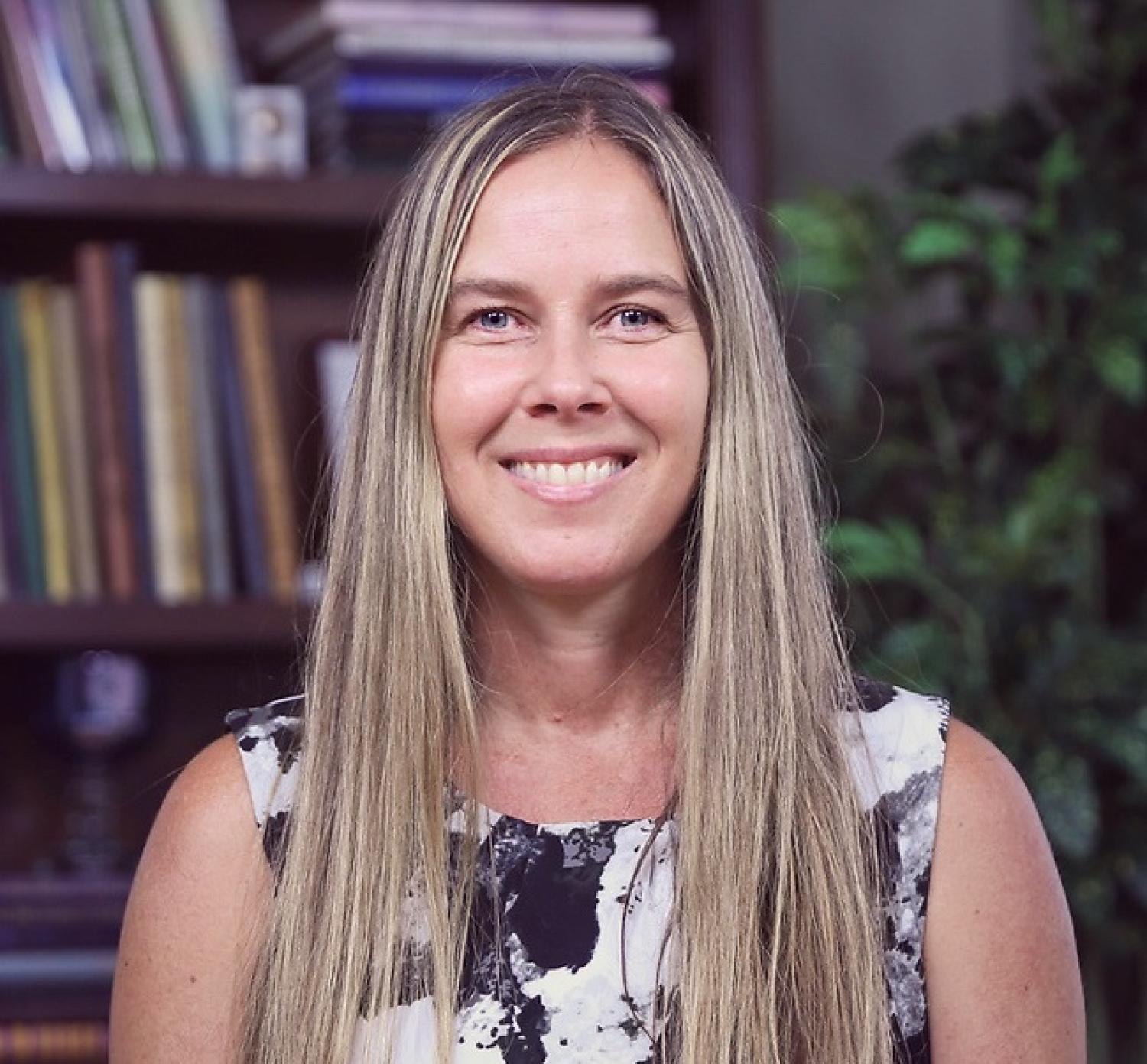
Carolyn Wiles Higdon is a tenured Professor of Communication Sciences & Disorders at the University of Mississippi, with a dual appointment at the University of Mississippi Medical Center. She holds academic credentials including EdD, CCC-SLP, F-ASHA, and F-NAP. Her research focuses on augmentative and alternative communication (AAC), assistive technology, interprofessional education, and life care planning for individuals with disabilities. Dr. Higdon has held leadership roles in multiple professional organizations, including founding ASHA's SIG 17 and SIG 12, and serves on editorial boards for journals like Journal of Interprofessional Education and Practice . Education: B.S. (1970), M.A. (1972) in Communicative Disorders from Kent State University; Ph.D. (1987) from the University of Georgia. Professional affiliations include the American Speech-Language-Hearing Association (ASHA), National Academies of Practices, and Rehabilitation Engineering Society of North America. Her research spans AAC implementation, pediatric autism interventions, and the role of speech-language pathologists in litigation and life care planning. Notable publications include foundational texts on life care planning in CRC Press handbooks and contributions to Journal of Life Care Planning . Awards include ASHA's 2022 Certificate of Recognition for International Achievement. Dr. Higdon has advised on national licensure policies, testified as an expert witness, and led global rehabilitation initiatives.
Lonny Grafman is a Lecturer in the School of Engineering at Cal Poly Humboldt, specializing in Environmental Resources Engineering. He founded Appropedia, authored "To Catch the Rain" and "To Catch the Sun," and leads the Practivistas international program, focusing on sustainable design, appropriate technology, and community-based innovation. Education: BA, BS from Humboldt State University Grafman's research spans renewable energy systems (solar and water), international development, social entrepreneurship, and appropriate technology. He prioritizes community engagement in designing practical solutions for sustainability challenges, implementing projects like rainwater harvesting and solar power systems in resource-limited settings globally. His work emphasizes education and capacity building through hands-on application. His publications consistently address sustainable development via appropriate technology and community empowerment. Key themes include rainwater harvesting, solar energy deployment, and leveraging information technology for global collaboration. His research bridges engineering, education, and social innovation, prioritizing scalable solutions for water, energy, and waste management with real-world applicability. Scientific awards: Distinguished Alumni Award from Humboldt Magazine (2015) Grafman mentors students through service-learning courses and international programs like Practivistas, fostering practical engineering skills. He has secured grants for innovative projects including Waterpod, Flock House, and Swale—floating ecosystems exploring public access to sustainable resources—and collaborates with cross-disciplinary teams and community partners to advance regenerative ventures. He directs the Northern California Hub of BlueTechValley supporting energy entrepreneurs and the AWEsome Business Competition for Agriculture, Water, and Energy initiatives. Grafman is integral to the Campus Center for Appropriate Technology (CCAT) and leads teams for floating art projects that merge sustainability with public engagement, demonstrating resilient community models.
Dr. Melek Somai is an Assistant Professor of Medicine at the Medical College of Wisconsin (MCW). His expertise lies in health informatics, data engineering, and public health, with a focus on leveraging technology to improve healthcare provision and global health outcomes. He holds an MD and MPH, and has held roles such as former Fulbright Scholar and Associate Director at the Centre for Cryptocurrency Research and Engineering, exploring blockchain in healthcare. He also founded and leads the Tunisian Center for Public Health. Education: MD Degree MPH Degree Research Interests: Impact of information technology and data science on healthcare Telemedicine adoption and disparities AI applications in medicine and neurology Global health challenges using data science His research trends span telemedicine effectiveness, AI-driven healthcare solutions, and addressing health disparities through digital tools. Notable themes include the integration of blockchain in healthcare systems and the use of causal inference in drug repurposing for neurodegenerative diseases. Awards: Fulbright Scholar Dr. Somai's work includes global health initiatives, such as his role in the Tunisian Center for Public Health, and projects in MENA region health analysis. He has contributed to clinical trials and systematic reviews on neurology interventions and telemedicine strategies.
Jorge Saucedo, MD, MBA, is a Professor and Division Chief of Cardiology at the Medical College of Wisconsin (MCW) and Director of Heart and Vascular Services for the Froedtert & MCW health network. He holds leadership positions in interventional cardiology and has extensive experience in clinical care, research, and academic administration. Medical School: Universidad Nacional Autónoma de México (1989) Fellowships: Cardiology at National Institute of Cardiology (Mexico City, 1992–1995) Interventional Cardiology at University of Michigan (Ann Arbor, 1995–1996) Interventional Cardiology at Washington Hospital Center (Washington, DC, 1997) MBA from University of Arkansas at Little Rock (2002) Dr. Saucedo's research focuses on acute coronary syndromes (ACS), bleeding complications during antithrombotic therapy, and transcatheter valve interventions. He leads the BleeMACS registry, a global effort analyzing post-discharge bleeding risks in ACS patients. His work emphasizes optimizing dual antiplatelet therapy, managing comorbid conditions like cancer and diabetes, and improving outcomes for patients undergoing PCI. His recent studies highlight the impact of AI tools like GPT-4 in cardiology, the efficacy of novel antiplatelet agents, and the role of transcatheter mitral valve replacement. He has published over 100 peer-reviewed articles and serves on prestigious committees such as the American Heart Association (AHA) Board. Awards include FACC, FAHA, and FSCAI fellowships. He is actively involved in advancing cardio-oncology care and transitioning medical education during pandemics, leveraging telemedicine to maintain continuity of care for complex patients.
Mike Reid, MD, MPH, MA is an Associate Professor in the Department of Epidemiology & Biostatistics at the University of California, San Francisco (UCSF) School of Medicine. He currently serves as Chief Science Officer for PEPFAR in the U.S. State Department and Associate Director of the Center for Global Health Diplomacy, Delivery and Economics. As an HIV clinician, he practices at San Francisco General Hospital. Reid holds advanced degrees including an MPH from UC Berkeley, an MBBS from Imperial College London, and a MA in Political Sciences from Cambridge University. His research focuses on global health equity, HIV/AIDS, tuberculosis (TB), and pandemic preparedness. Key contributions include advancing long-acting HIV treatments, leveraging AI for HIV response, and addressing climate threats to health systems. He has led initiatives like the Lancet Commission on Tuberculosis and AFRICOS HIV study in sub-Saharan Africa. Reid has received numerous awards including the Edison T. Uno Award (2025), Mann-Sewankambo Mid-Career GH award (2023), and Cooke Award for Teaching (2021). He pioneered innovative training programs for global health workers, including virtual contact tracing academies during the COVID-19 pandemic. His work emphasizes interdisciplinary collaboration and policy-driven solutions to health inequities.
Kimberly Mattison is a Clinical Instructor in the Department of Speech and Hearing Sciences at the University of New Mexico. She holds a clinical doctorate from Rocky Mountain University of Health Professions, a master's in Speech-Language Pathology from Old Dominion University, and a bachelor's in Communication Sciences and Disorders from James Madison University. Her clinical expertise spans schools, specialized programs, outpatient facilities, and early intervention. Her primary clinical focus is serving individuals with complex communication needs, particularly children using augmentative and alternative communication (AAC) devices. She specializes in developing foundational language skills across therapeutic settings. Her research interests include AAC implementation strategies and language development in autism spectrum disorders. Professional Focus: AAC intervention for children Language development across clinical environments Therapeutic approaches for ASD
David J. Roof serves as Associate Professor in Ball State University's Teachers College Department of Educational Studies and Director of the Center for Economic and Civic Learning (CECL). He leads the U.S. Department of Education-funded CREATE initiative promoting active citizenship, and has directed State Department projects including the U.S./Uzbekistan UNITED program and Afghan Junior Faculty Development Program across Central Asia and Africa. His educational background includes: Ph.D. in Educational Policy Studies, University of Illinois, Urbana-Champaign (2011) M.Ed. in Educational Policy Studies, University of Illinois, Urbana-Champaign (2009) B.S. in Education, New Mexico State University (1999) Roof's research centers on civic education innovation in high-need districts and international contexts, with emphasis on democratic resilience and voter engagement. His work bridges policy analysis and practical implementation through initiatives like Indiana's civic education legislation and Ball State's Nonpartisan Democratic Engagement Action Plan. Recent scholarship examines language barriers for Bangladeshi students, Central Asian exchange programs, and women's higher education in Afghanistan. His publications reveal consistent focus on democratic education frameworks, with increasing attention to global applications and marginalized populations. The research trajectory shows progression from U.S. civic pedagogy toward international comparative studies, particularly in conflict-affected regions. Award recognition includes: ALL IN Campus Democracy Challenge Highly Established Action Plan Seal for 'Cardinals Vote!' Grant leadership spans federal projects including U.S. Department of Education funding for CREATE and State Department support for Central Asian initiatives. Roof serves on the Fulbright U.S. Student Program National Screening Committee and American Institute of Pakistan Studies Board of Trustees, while advising civic engagement programs that registered over 2,000 student voters in 2024. He directs the Center for Economic and Civic Learning while maintaining affiliations with the Varieties of Democracy Institute (Gothenburg) and Educating for American Democracy Community of Practice. Roof co-founded 'Cardinals Vote!' with Student Life and Community Engagement offices, establishing Ball State as national leader in nonpartisan voter mobilization.
Fei Gao is an Associate Dean for Faculty Affairs & Research and a Professor in the College of Technology Architecture and Applied Engineering at Bowling Green State University. She holds a Ph.D. in Educational Psychology and Educational Technology from Michigan State University (2004–2009). Her research focuses on enhancing learning in online STEM environments through self-regulated learning strategies, gamification, and virtual simulations. Key interests include goal setting, motivation, and cognitive/affective dimensions of learning. She coordinates the online master’s program in Instructional Design & Technology. Education: Ph.D., Michigan State University, Educational Psychology and Educational Technology (2004–2009) Research Interests: Dr. Gao’s work emphasizes designing effective online learning tools such as gamified environments and simulations. She investigates how these tools influence motivation and learning outcomes across disciplines, including medical education and language learning. Her studies also explore peer assessment dynamics, social media integration, and flipped classroom implementations within educational systems. Publications Trends: Recent articles (2020–2024) highlight advancements in gamification theory, VR applications in medical training, and social messaging effects on peer assessment. Earlier works (2017–2018) analyze social annotation tools and microblogging in educational contexts, showing a consistent focus on leveraging technology to improve learning experiences. Advising & Grants: Dr. Gao oversees faculty and research affairs, contributing to program development and professional learning initiatives. No specific grants or student advisees are listed in the provided text. Labs & Teams: No specific labs or research teams are explicitly mentioned. Her research is likely conducted through the College’s broader faculty collaborative structures.
Emily Pfaff is an Associate Professor of Medicine and Lead Faculty in the Master of Applied Data Science program at the University of North Carolina (UNC) School of Medicine. She holds a PhD and MS from UNC and a BS from Wesleyan University. Her primary affiliation is the Division of Endocrinology and Metabolism within the Department of Medicine. Dr. Pfaff's research focuses on Clinical Informatics, with emphasis on leveraging electronic health record (EHR) data to study post-acute sequelae of SARS-CoV-2 (Long COVID) and other chronic conditions. She is a key contributor to the NIH-funded RECOVER initiative and the National COVID Cohort Collaborative (N3C), leading efforts in data governance, computational phenotyping, and EHR-based cohort studies. Her work integrates machine learning, epidemiology, and clinical research to address public health challenges. Dr. Pfaff has published extensively on Long COVID epidemiology, viral reinfection dynamics, and EHR data standardization. She co-developed computational tools like CLARK and FHIR-Ontop-OMOP to enhance clinical data interoperability. Her educational roles include teaching Advanced Databases for Data Science and mentoring trainees in translational informatics.
Raichle (Rai) Farrelly is a Teaching Associate Professor and TESOL Director in the Department of Linguistics at the University of Colorado. She also serves as an English language instructor in the International English Center and holds leadership roles in professional organizations like TESOL International Association (2022-2025). Her academic background includes a Ph.D. in Linguistics from the University of Utah. Prior roles include Assistant Professor positions at the American University of Armenia and St. Michael’s College. Dr. Farrelly specializes in second language teacher education, reflective teaching practices, and educating adult refugee-background learners with limited formal schooling. She co-authored Fostering International Student Success in Higher Education and co-edited volumes such as Educating Refugee-Background Students and Handbook of Research on Cultivating Literacy in Diverse Classrooms . Her current project involves editing Developing Materials for Innovative Teaching and Sustainable Learning . Her professional service includes former roles as Executive Director of Girls Education International and co-founder of Project Wezesha, both focused on expanding educational access for marginalized groups. Her research emphasizes community-engaged learning, literacy development for underserved populations, and global TESOL professional development. Dr. Farrelly’s work bridges theoretical and practical aspects of language education, particularly in refugee contexts. She has presented widely on pedagogical innovations and teacher training at international conferences, advocating for socially just and responsive educational practices.
Elvia Andía Grágeda is an Associate Professor of Teaching at The Ohio State University, located at 120 Hagerty Hall, Columbus, OH. She specializes in Quechua and Spanish language instruction, with expertise in Indigenous language policy and multilingual education. Education includes a B.A. in Linguistics Applied to Language Teaching (Universidad Mayor de San Simón, 2008), a Certificate in University Teaching (2009), a Certificate in Quechua Text Production (2010), and an M.A. in Linguistic Politics of Indigenous Languages in Higher Education (Universidad Cosmos, 2014). Research focuses on Quechua's role in Bolivia’s educational policies, particularly within the Quechua Public Indigenous University. She previously served as Departmental Coordinator in Bolivia’s Ministry of Education for Intra-/Intercultural Multilingual Education. Teaching responsibilities include Quechua language courses for undergraduates and graduates, as well as introductory Spanish. She offers certified Quechua testing, translation services between Quechua and Spanish, and tutoring across proficiency levels. Publications include the Juch’uy chaki textbook series (2013-2015), designed for Quechua language learners. Her work integrates linguistic theory with practical pedagogy to support Indigenous language preservation.
Boragan Aruoba is a Professor in the Department of Economics at the University of Maryland, where he has been a faculty member since 2004. He is a macroeconomist with theoretical and empirical interests in monetary economics, nonlinear macroeconomic dynamics, and econometric methods. His research has been supported by the National Science Foundation, and he serves as an editor for the Journal of Monetary Economics and as a Research Associate at the National Bureau of Economic Research (NBER). Education: PhD in Economics, University of Pennsylvania, 2004 Research Interests: Aruoba's work spans both theoretical and empirical macroeconomics. On the theoretical side, he studies nonlinearities in macroeconomic models, particularly dynamics near the zero lower bound (ZLB) on nominal interest rates. His empirical research focuses on data revisions, yield curve modeling, and real-time macroeconomic measurement. His tools include dynamic stochastic general equilibrium (DSGE) models, state-space methods, and machine learning techniques applied to policy shocks. Scientific Contributions: Developed the Aruoba-Diebold-Scotti Business Conditions Index , now produced by the Federal Reserve Bank of Philadelphia. Created Aruoba Term Structure of Inflation Expectations (ATSIX) , also implemented by the Philadelphia Fed. Co-developed GDPplus , a new measure of U.S. GDP growth, adopted by the Federal Reserve Bank of Philadelphia. Advising and Grants: Aruoba has advised students such as Pablo Cuba-Borda, now at the Federal Reserve Board of Governors. His research is supported by the National Science Foundation and he teaches macroeconomics, computational methods, and forecasting at both undergraduate and graduate levels. Affiliations and Roles: Editor, Journal of Monetary Economics Research Associate, NBER (Monetary Economics Program) Faculty member, Department of Economics, University of Maryland
Lily Popova Zhuhadar is a Professor of Analytics & Information Systems at Western Kentucky University's Gordon Ford College of Business, where she also serves as Director of the WKU Center for Applied Data Analytics and Coordinator of the Undergraduate Business Data Analytics Program. Her academic journey began with a Master of Sciences in Computer Science from Western Kentucky University in 2004, followed by a Doctor of Philosophy in Computer Engineering and Computer Science from the University of Louisville in 2009. Dr. Zhuhadar's educational background includes: Doctor of Philosophy, Computer Engineering and Computer Science, University of Louisville (2009) Master of Sciences, Computer Science, Western Kentucky University (2004) Her research interests span Machine Learning, Artificial Intelligence, Data Mining, Pattern Recognition, Data Science, Analytics, Semantic Web, Smart Cities, and Computers in Human Behavior. Dr. Zhuhadar's work bridges theoretical computer science with practical applications in healthcare, business analytics, and educational technology. She has made significant contributions to semantically enriched e-learning resources, intelligent tutoring systems, and data analytics for crisis management, with particular expertise in applying analytical techniques to solve complex real-world problems across multiple domains. Dr. Zhuhadar's publication record demonstrates a consistent focus on applying advanced data analytics techniques to solve real-world problems. Her recent work has increasingly focused on healthcare applications, including stroke prediction, diabetes diagnosis, and ecosystem management. She has also maintained a strong interest in educational data mining, particularly in understanding student success pathways in STEM disciplines. Her research methodology often combines semantic web technologies with traditional data mining approaches to create innovative solutions. Her scientific achievements have been recognized through numerous awards: College Faculty Award for Research & Creativity (2023-2024) College Faculty Award for Service (2023-2024) College Faculty Award for Research & Creativity (2022-2023) College Faculty Award for Teaching (2021-2022) University Award for the Most Prolific Grant Proposer (2014-2015) Dr. Zhuhadar has secured over $600,000 in external research funding and more than $100,000 in internal grants. She has served as Principal Investigator on diverse projects ranging from AI applications in healthcare to financial fraud detection. Her mentorship of undergraduate students through the WKU Faculty-Undergraduate Student Engagement program has resulted in numerous collaborative research projects and conference presentations, with over 15 students co-authoring publications and presentations with her in the past two years alone. As Director of the WKU Center for Applied Data Analytics, Dr. Zhuhadar has built a thriving research infrastructure that supports faculty and student research across multiple disciplines. Under her leadership, the Center secured over $101,000 in research grants in 2022-2023, with 33% of funds allocated to support student educational pursuits. She has organized multiple webinar series and research enrichment programs to build data analytics capacity across the university community.
Mark A. Holliday is a Professor in the Department of Mathematics and Computer Science at Western Carolina University (WCU), part of the College of Arts and Sciences. He holds a Ph.D. (1986) and MS (1982) in Computer Science from the University of Wisconsin-Madison, and a B.A. in Mathematics and Economics from the University of Virginia (1978). His academic roles include serving as Interim Department Head (2007-2009) and Commissioner of the ABET Computing Accreditation Commission (2023-present). Research interests focus on enhancing student learning in computer systems, software development pedagogy, and grid computing concepts. Notable work includes developing memory diagrams for CS1 assessment and creating interactive animations for computer networking education. He has authored over 50 publications in journals like ACM Transactions and IEEE, covering topics such as parallel architecture performance, distributed systems, and educational frameworks. Teaching responsibilities include courses like CS 352 (Programming Languages), CS 453 (Database Systems), and CS 495/496 (Capstone Projects). Holliday’s lab work includes the National Storm Surge Database and the Educational Times Database projects. He actively contributes to curriculum development through initiatives like the Consortium for Distributed Computing Education.
David M. McCord is a Professor of Clinical Psychology at Western Carolina University, based in the Department of Psychology within the College of Education and Allied Professions. He holds a Ph.D. in Clinical Psychology from the University of Alabama, along with a Master’s and Bachelor’s degree from Western Carolina University and Duke University, respectively. His research focuses on clinical psychological assessment methods, particularly the MMPI-3 and MMPI-2-RF instruments, suicide risk screening, and hierarchical-dimensional models of psychological dysfunction. He has developed tools like the M5-50 Questionnaire for personality assessment and contributed to workshops such as the 2017 SEPA MMPI-2-RF Workshop. His work emphasizes evidence-based practices, tele-assessment during crises, and translational tools for primary medical care. Education: Ph.D., University of Alabama; MA, Western Carolina University; BA, Duke University Key Projects: M5-50 Questionnaire, MMPI-3 validation studies, Multidimensional Behavioral Health Screen Affiliations: American Psychological Association, Western Carolina University Research Interests His research spans clinical assessment methodologies , including psychometric validation of instruments like the MMPI-3 and MMPI-2-RF. He explores suicide risk screening in postpartum and primary care settings, emphasizing algorithmic approaches for rapid identification. His work on personality theory includes studies on the Five-Factor Model and its applications in education and clinical practice. He advocates for integrating psychological assessment into healthcare systems through tools like the Multidimensional Behavioral Health Screen (MBHS). Recent Article Trends His recent publications (2020–2024) highlight advancements in MMPI-3 validation , suicide risk detection algorithms , and tele-assessment protocols . He also addresses critiques of restructuring clinical scales and defends their psychometric utility in forensic and medical settings. Awards and Recognition No formal awards are listed in the provided texts. Advising & Grants No specific grants or advisee information is available. His professional contributions focus on developing assessment tools and training programs. Labs & Teams He collaborates with institutions like the University of Minnesota Press and Kent State University on MMPI-related resources. His work is disseminated through workshops and online repositories like PAWS.WCU.EDU.