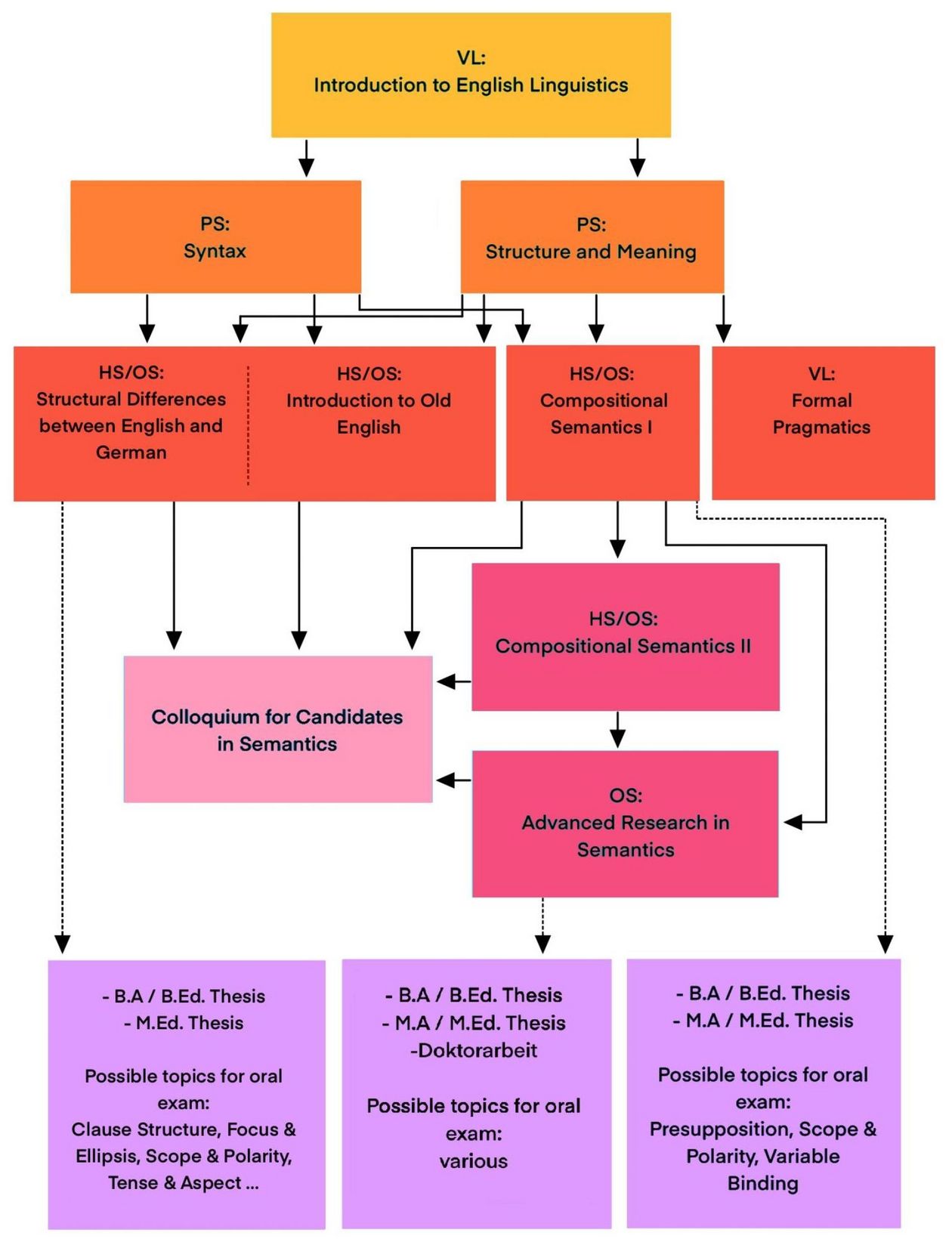
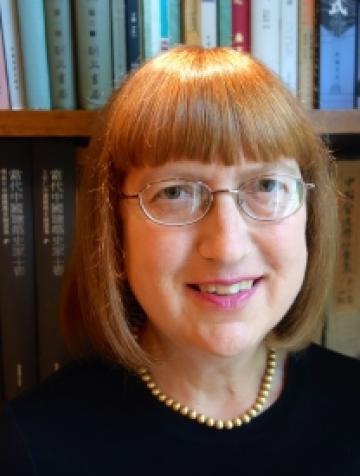
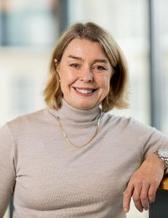
Prof. Dr. Sigrid Beck holds the Chair of Descriptive and Theoretical Linguistics at the Department of English, University of Tübingen. She is affiliated with the Faculty of Humanities and specializes in semantics, focusing on questions, focus structures, plurals, comparison constructions, and decomposition adverbs. Her research integrates crosslinguistic, diachronic, and acquisition data to inform semantic theory. Education: PhD (1996) and Habilitation (2003), University of Tübingen and Goethe University Frankfurt Key positions: Held roles at MIT, University of Massachusetts Amherst, University of Connecticut, and University of Potsdam Publications include Structure and Meaning: Contrasting English and German Grammar (2014) and foundational lecture notes on tense and modality (2011). She teaches semantics and syntax within the Department's structured program. Office hours are Tuesdays 4-5pm via secretary appointment.
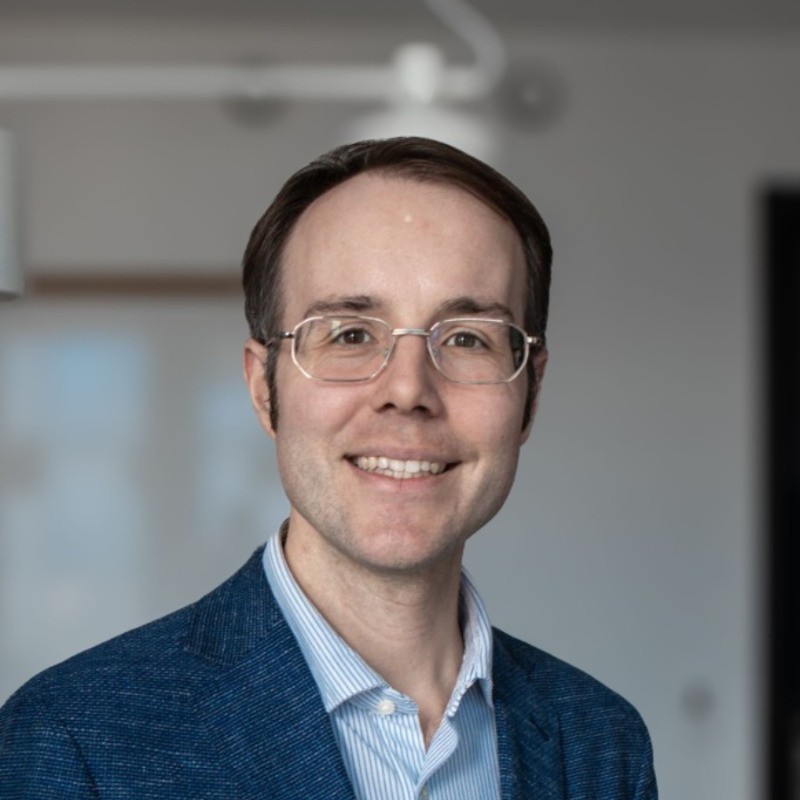
Emanuel Sallinger is a Full Professor at TU Wien's Databases and Artificial Intelligence Group and Vice Dean of Academic Affairs for Business Informatics and Data Science. He leads the Knowledge Graph Lab, focusing on scalable knowledge-based systems, reasoning in knowledge graphs, and AI integration. His research spans computational logic, database theory, and blockchain applications. Education: PhD in Computer Science (awarded 'sub auspiciis praesidentis rei publicae'), Master's degrees in Computational Intelligence and Informatics Management, and a Bachelor's in Software and Information Engineering. Research Interests: Knowledge graphs (construction, reasoning, scalability), logic-based systems, AI/ML integration with databases, enterprise architecture modeling, and financial knowledge systems. His work emphasizes practical applications like enterprise modeling, sustainable waste management, and regulatory compliance. Grants & Projects: Lead Vienna Science and Technology Fund (WWTF)-funded Knowledge Graph Lab. Involved in projects like 'Knowledge Graph-driven Tour Management' (sustainability), 'SustainGraph' (waste processing), and 'Enterprise Architecture Knowledge Graphs'. Teaching: Offers courses on Knowledge Graphs, Generative AI, Database Systems, and research methodology. Supervises doctoral and master's students in AI, databases, and knowledge representation. Labs/Teams: Knowledge Graph Lab at TU Wien, collaborating with industry on blockchain-based systems, financial AI, and enterprise architecture frameworks.
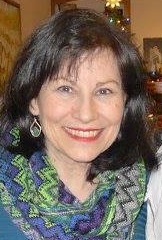
Gaston Bacquet is a Lecturer in Education Studies at the University of Glasgow's School of Education, specializing in Culture, Literacies, Inclusion & Pedagogy. A Chilean teacher trainer and educator based in Scotland, he also holds qualifications as a meditation and yoga instructor. With extensive international teaching experience across K-12 and higher education systems in Chile, Japan, Saudi Arabia, Myanmar, the US, and UK, his work bridges practical pedagogy and theoretical innovation. His educational background includes a DipTESOL from Trinity College London, an MA in TESOL from the Institute of Education (UCL), and a PhD in Education from the University of Glasgow. Bacquet currently teaches in the MSc/MEd Education Studies program and leads the undergraduate Asian Religions course, while supervising dissertation students across the School of Education. Research interests center on nonviolence as transformative educational practice, with emphases on decolonial approaches, contemplative pedagogy, and inclusion of minoritized groups. His work integrates Buddhist philosophy, indigenous wisdom traditions, and international perspectives to challenge Western epistemological dominance. Key methodological commitments include participatory action research and qualitative approaches that prioritize community voices. Recent publications reveal evolving trajectories from language education toward decolonial nonviolence frameworks, with increasing focus on Global South contexts, indigenous knowledge systems, and teacher preparation. His 2024-2025 work shows intensified engagement with Buddhist-Christian dialogue, indigenous contributions to peace education, and practical applications of nonviolence in classroom power structures. As a supervisor, Bacquet mentors Master's students in inclusion, nonviolence, and educational ethics, welcoming PhD proposals aligned with his research interests. His professional activities span editorial roles with Cogent Arts and Humanities and SAGE Open , alongside active participation in international scholarly networks including the Comparative and International Educational Society and the European Network for Buddhist-Christian Studies. Professional affiliations reflect his interdisciplinary reach: British Educational Research Association (2021-present), American Educational Research Association (2022-present), International Society for Contemplative Research (2023-present), and the International Society for the Scholarship of Teaching and Learning (2025-present). His conference presentations consistently address nonviolence pedagogy, decolonial curriculum development, and participatory research ethics across global contexts from Chile to New Zealand.
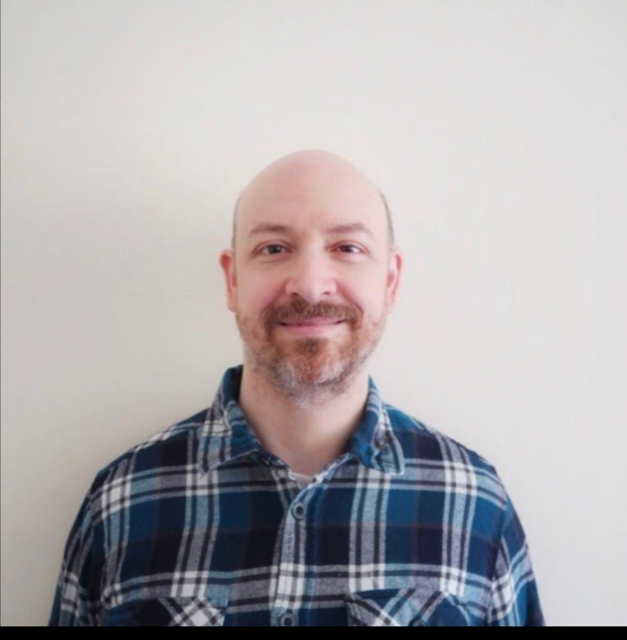
Patrick Wu is a Professor in the Department of Computer Science at American University, with additional affiliations as Faculty Fellow at the Center for Data Science and Faculty Affiliate at the Center for Security, Innovation, and New Technology. He holds a PhD in Political Science and Scientific Computing from the University of Michigan, an MA in Statistics from Michigan, and a BA in Political Science and Statistics from the University of Chicago. His research develops AI/ML and natural language processing approaches for computational social science, focusing on: Political elite and non-elite ideology measurement Affective polarization on social media platforms Detection of hateful/abusive speech and memes Application of large language models to political science research Recent work explores innovative methods for political attitude measurement using LLMs, in-context learning techniques for social media analysis, and frameworks for multimodal representation learning. His publications demonstrate consistent innovation in applying NLP and machine learning to political discourse analysis, with emerging focus on generative AI's impact on political science education and methodology. Wu teaches courses including Object-Oriented Programming and topics in Natural Language Processing/Text as Data.
Edyta Bojanowska serves as Professor of Slavic Languages and Literatures at Yale University with an affiliated appointment in the Department of History. Her academic career bridges literary scholarship and historical analysis, focusing on imperial and postcolonial frameworks within Russian and Central European contexts. Bojanowska earned her Ph.D. in Slavic Languages and Literature from Harvard University and completed her undergraduate studies at Barnard College with a dual major in English and Russian. Her educational trajectory established the foundation for her interdisciplinary approach to Slavic studies. Her research program critically examines 19th-century Russian literature through the lenses of empire, nationalism, and globalization. Key interests include settler colonial dynamics, spatial theory, travel writing, and the interplay between ideology and literary form. She has pioneered methodologies connecting Russian cultural production to global imperial histories, particularly through her award-winning work on Goncharov's The Frigate Pallada and Gogol's Ukrainian-Russian identity negotiations. Bojanowska's publication record reveals consistent engagement with colonial paradigms in Russian literature, evolving from early studies of Gogol and Pushkin toward broader imperial frameworks. Her recent scholarship demonstrates increasing focus on racial discourse, indigenous land rights, and the spatial dimensions of empire, culminating in the Ab Imperio Award-winning analysis of Tolstoy's Bashkir estate. The thematic continuity across her work establishes her as a leading voice in post-Soviet imperial historiography. National Humanities Center Fellowship (Spring 2025) Ab Imperio Award for Best Study in New Imperial History (2022) Guggenheim Fellowship (2020-2021) AATSEEL Best Book in Literary Scholarship (2019) MLA Scaglione Prize for Best Book in Slavic Studies (2007-2008) Bojanowska actively shapes her field through editorial leadership on Ab Imperio and the PMLA Advisory Committee. Her teaching portfolio reflects her research expertise, featuring undergraduate seminars on War and Peace and Russian short fiction alongside graduate courses on spatial theory and imperial culture. Current leave status for Spring and Fall 2025 accommodates her National Humanities Center residency while maintaining her position as a central figure in Slavic literary studies.
Nancy Shatzman Steinhardt is a Professor of East Asian Art and Curator of Chinese Art at the University of Pennsylvania Museum (PENN Museum). She holds a dual affiliation with the Department of History of Art in the School of Arts & Sciences and the Penn Museum. Her research focuses on East Asian art and architecture, blending historical analysis with cultural heritage preservation. While her educational background is not explicitly detailed in the provided texts, her roles indicate expertise developed through advanced academic training in art history or related fields. She is affiliated with key institutions including the James Joo-Jin Kim Center for Korean Studies and Penn Global, which support interdisciplinary East Asian studies. Though no specific awards or grants are mentioned, her curatorial and academic positions suggest recognition within her field. She advises students in the Department of History of Art, though no named advisees are listed here. Her office is located in Williams Hall 853, and she contributes to the museum’s Chinese art collections and exhibitions. Dr. Steinhardt is part of a vibrant academic community at the University of Pennsylvania, where the East Asian Languages and Civilizations (EALC) department and affiliated programs foster research and teaching in East Asia. Her work intersects with ongoing initiatives highlighted in departmental newsletters, such as student achievements and program innovations.
PD Dr. Jens Wolff is a German theologian and researcher at the Faculty of Theology, University of Rostock . His work bridges image theory , cultural hermeneutics , and negative theology , with a focus on Lutheran theology and its intersections with literature and art . Education : Studied at Eberhard-Karls-Universität Tübingen, Martin-Luther-Universität Halle/Wittenberg, Ludwig-Maximilians-Universität München. Academic Timeline : 1995–1998 Heidelberg Academy researcher, 1998–2002 assistant at Münster's Faculty, 2003 PhD, 2005 ordained pastor, 2009–2012 DFG project on Sigmund von Birken, 2012–2015 DFG project on Image Theory, 2015 habilitation. Wolff's research explores image and media theory through theological lenses, interrogating figurative knowledge , religious rhetoric , and intercultural hermeneutics . His work connects Baroque literature (e.g., Klopstock, Hamann) with contemporary philological and deconstructive methods , examining tensions between sacralization and secularization . His recent publications analyze the word of God as performative polysemy in Lutheran thought, death and utopia in Stefan Andres' work, and iconic anthropology in Reformation contexts. He co-edited the two-volume Bild und Tod (2016), a foundational text on image-death relations. Awards: Martin-Luther-Preis für den akademischen Nachwuchs (2005) for his dissertation on Metapher und Kreuz . Wolff's advising and collaborative work focus on interdisciplinary image studies , including DFG-funded projects and symposia like the Image and Sound conference (2014). He maintains links to institutions in Bratislava , Frankfurt , and Brazil .
Andreas Grothey is a Senior Lecturer in the School of Mathematics at The University of Edinburgh, a position he has held since 2011. He completed his MSc in Numerical Algebra and Mathematical Computing at the University of Dundee (1995) and his PhD in Optimization at the University of Edinburgh (2001), supervised by Ken McKinnon. His research focuses on stochastic programming, interior point methods, decomposition approaches, high-performance computing, and energy systems optimization. He has contributed to energy planning, power grid reliability, and emergency response strategies for power networks. Grothey has advised seven PhD students, including work on unit commitment, top-percentile traffic routing, and power flow optimization. His projects include the OOPS solver, CESI energy integration center, and the Structured Modelling Language (SML). Recent work addresses pandemic policy optimization and exascale computational challenges. Education: MSc in Numerical Algebra and Mathematical Computing (University of Dundee, 1995) PhD in Optimization (University of Edinburgh, 2001) Research Interests: Stochastic Programming Interior Point Methods Decomposition Methods High-Performance Computing Energy Systems Optimization Advising & Projects: PhD Supervision (7 students, 2007–2022) OOPS Parallel Solver Development CESI Energy Systems Integration SML Structured Modelling Language Labs/Teams: Member of the Edinburgh Research Group on Optimization, leading projects in power grid stability and energy planning.
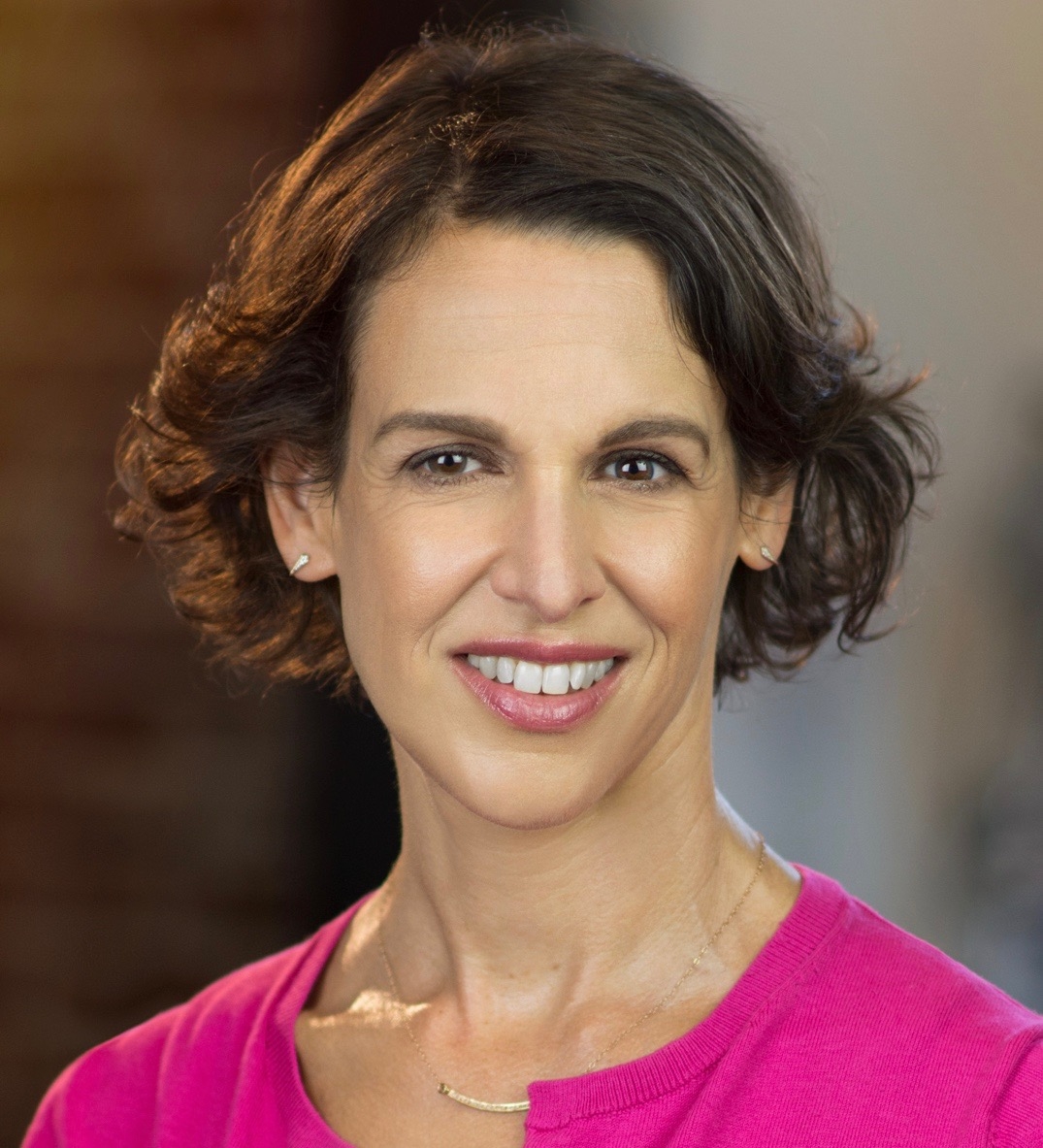
Cristine H. Legare is a Professor of Psychology at The University of Texas at Austin, affiliated with the College of Liberal Arts. She directs the Center for Applied Cognitive Science and the Evolution, Variation, and Ontogeny of Learning Laboratory. Her work bridges cognitive science, cultural anthropology, and developmental psychology to explore how universal cognitive systems interact with cultural variability to shape learning and cultural evolution. Education: Ph.D. in Developmental Psychology from the University of Michigan (Culture and Cognition Program). Undergraduate studies at UC San Diego, double-majoring in Human Development and Cultural Studies. Research Interests: Cognitive development, cultural learning, global public health, STEM education, and the evolution of ritual behavior. Her projects span diverse populations, including studies in South Africa, Brazil, China, Vanuatu, and India. Grants & Funding: Supported by the National Science Foundation, John Templeton Foundation, and others. Her work addresses pressing issues in education and public health through interdisciplinary approaches. Recipient of the 2015 APS Janet Taylor Spence Award 2016 APA Boyd McCandless Award Labs & Initiatives: Founded the Center for Applied Cognitive Science to foster global collaborations between researchers and practitioners. Key projects include the RISE Project (healthcare rituals in India) and Thinkery Connect (museum-university partnerships). Teaching focuses on cognitive science of religion and coevolution of cognition/culture. Over 100 publications in top journals like Psychological Science and PNAS, with media coverage in NPR, Scientific American, and The Wall Street Journal.
Nancy J. Smith-Hefner is a Professor and Department Chair of Anthropology at Boston University, on leave during 2024-25. She specializes in linguistic anthropology, focusing on religion, gender, and youth culture in Southeast Asia, particularly Indonesia and Cambodia. Her research explores intersections of language, identity, and morality among Muslim youth, addressing topics like gender diversity, middle-class subjectivities, and cultural debates. Education: PhD, MA, and BA from the University of Michigan, Ann Arbor. Key research areas include: linguistic anthropology, gender/sexuality studies, youth culture, Islam in Southeast Asia, and diasporic communities. She has authored Islamizing Intimacies (2019) and Khmer American (1999), edited Waithood (2020), and her work is supported by the National Endowment for the Humanities, Spencer Foundation, and the Fulbright Program. Current projects include a monograph on youth romance in Indonesia, analyzing 'experience-near' narratives of young Javanese individuals. Courses taught span sex/gender studies, Southeast Asian modernity, linguistic anthropology, and global sexualities.
Juliet A. Williams is a Professor of Gender Studies and Faculty Director of the UCLA Quarter in Washington Program. She holds a B.A. in Government from Harvard University and a Ph.D. in Government from Cornell University. Specializes in feminist theory, masculinities studies, gender discrimination law, and Title IX Author of The Separation Solution?: Single-Sex Education and the New Politics of Gender Equality (2016) Co-editor of Public Affairs: Politics in the Age of Sex Scandals (2004) Her research examines socio-legal dimensions of gender equality, including NSF-funded work on gender neutrality in U.S. law and activism. Current book project: Daddy’s Home: What Everyone Needs to Know About Patriarchy . Publications appear in Signs , Gender & Society , and Law & Society Review . 2021-2026: Andrew W. Mellon Foundation grant ($5 million) 2017-2021: NSF grant ($325,000) with Abigail Saguy 2015: Kenneth L. Sokoloff Fellow 2009, 2007: Ms. Magazine and UC ACCORD grants Active media commentator on gender politics, appearing in 100+ outlets including New York Times , USA Today , and The Guardian , with expertise in #MeToo discourse, gender discrimination, and socio-legal dynamics.
Vonda Jump is an Associate Professor in the Social Work department at Utah State University's College of Arts & Sciences , based in the USU Brigham Region (Brigham City, Kaysville, Tremonton). Her work bridges social work and early childhood development, emphasizing practical interventions for family support. Vonda Jump’s research focuses on parent-child interaction , home visiting programs , and language development . She specializes in creating and validating tools like the PICCOLO (Parenting Interactions with Children: Checklist of Observations Linked to Outcomes) and HOVRS-A+ (Home Visit Rating Scales—Adapted and Extended to Excellence) to assess and improve parenting behaviors and home visit quality. Her studies often target low-income and migrant families, including Latino communities, to address disparities in child outcomes. Her recent work highlights trauma-informed instruction for student resilience and technology-based design for inclusive education, particularly with deaf/hard of hearing populations . She has contributed to understanding how maternal warmth, responsiveness, and structured activities like family bookmaking enhance child attachment, vocabulary, and self-regulation. Her research spans longitudinal analyses of parenting stress , temperament , and maternal language strategies in early childhood settings.
Dr. Eunice Eunhee Jang is a Professor in the Department of Applied Psychology and Human Development at the Ontario Institute for Studies in Education (OISE), University of Toronto. Her research focuses on synergistic learner modeling, dynamic assessment systems, and the intersection of language testing with educational measurement. PhD with specializations in language testing, educational measurement, and program evaluation Develops interactive digital assessment interfaces for struggling readers Author of "Focus on Assessment" (2014) and co-author of OECD Reviews on Evaluation and Assessment in Education Research Interests Dr. Jang's work explores prismatic assessment analytics to understand learner potential and predict learning pathways. She integrates natural language processing and machine learning to create diagnostic feedback systems that support cognitive, metacognitive, and affective growth in technology-rich classrooms. Scientific Awards Jacqueline Ross TOEFL Dissertation Award Caroline Clapham IELTS Master’s Award Tatsuoka Measurement Award Professional Contributions She has served on major advisory boards including EQAO provincial assessments and TOEFL Committees of Examiners. Currently, she is an elected board member for the International Language Testing Association and contributes to the Broader Measures of Success Advisory Committee for People for Education.
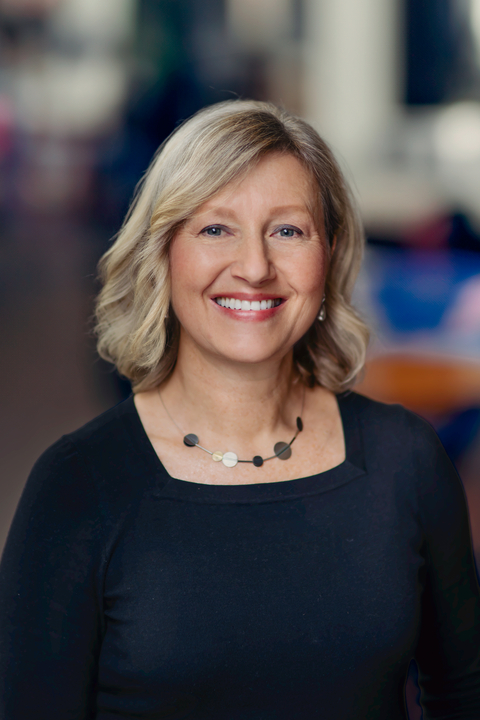
Malin Broberg is a Professor in Psychology and the current Vice-Chancellor (since 2023) and President of the University of Gothenburg. She was previously Dean of the Faculty of Social Sciences at the same institution. Educated at Umeå University, she is a licensed psychologist with a clinical background in child and youth habilitation. Her research focuses on: Welfare systems for families with disabled children Stress coping mechanisms Neurodevelopmental impacts of brain damage in children Augmentative and Alternative Communication (AAC) Parental well-being and resilience Recent publications (2024-2023) highlight her work in neuropsychology, health-promoting learning environments, and AAC interventions for children with profound disabilities. She has collaborated with researchers in Sweden and the USA, and her work appears in journals like Child Neuropsychology and Disability and Rehabilitation-Assistive Technology . Malin Broberg has supervised doctoral and Master’s theses in developmental psychology and disability research. She has also served as General Secretary of the International Association for the Scientific Study of Intellectual and Developmental Disabilities (IASSIDD).
Max Pellert is a computational social scientist and cognitive scientist with faculty appointments at multiple institutions. Since 2022, he has served as an Assistant Professor at the Chair for Data Science in the Economic and Social Sciences at the University of Mannheim . He previously held an interim Professor position at the University of Konstanz and an Assistant Researcher role at Sony Computer Science Laboratories Rome. His work bridges computational methods with social science theory. Education M.Sc., University of Vienna (2017) in Middle European interdisciplinary Master's program in Cognitive Science (with distinction) Ph.D., Medical University of Vienna (2022) in Medical Informatics, Biostatistics & Complex Systems Research interests center on Computational Social Science , Digital Traces , and Natural Language Processing for emotion and sentiment analysis. He develops Temporal Adapters for tracking longitudinal emotional patterns and FAULTANA pipeline for polarization studies. His AI Psychometrics framework assesses personality-like traits in large language models. Recent publications include: (1) 2025 ACL work on political bias in LLMs; (2) 2025 ICWSM study of temporal emotion analysis; (3) 2024 Perspectives on Psychological Science paper on LLM psychometrics; (4) 2024 PNAS Nexus polarization analysis; (5) 2023 Emotion cross-cultural study of pandemic emotions. Scientific Awards Habilitation candidate status at University of Mannheim Teaching includes IS 616: Large Scale Data Analysis , IS 809: Advanced Text Mining Lab , and IS 723: Data Science Seminar at master’s and PhD levels. His Barcelona Supercomputing Center role focuses on principal investigator duties for computational social science projects.