
Dr. Richard Y. Zhao is a tenured Professor in the Department of Pathology and Microbiology-Immunology at the University of Maryland School of Medicine. His research combines molecular biology, fission yeast genetics, mammalian biology, and virology to study virus-host interactions, particularly for HIV and Zika virus. He previously held academic positions at Northwestern University and Columbia University and has contributed to over 120 peer-reviewed articles. B.S., China Oceanography University (1981) M.S., Oregon State University (1995) Ph.D., Oregon State University (1991) Postdoctoral Training, Columbia University (1991-1992) Dr. Zhao's research focuses on: Virus-host interactions and pathogenicity High-throughput drug screening for antivirals Role of viral proteins in neuroinflammation and cancer Translational genomics in precision medicine His recent publications highlight SARS-CoV-2 ORF3a, Zika envelope proteins, and HIV protease inhibitors, emphasizing host-pathogen mechanisms across species. He has served on NIH panels and editorial boards for journals like Cell Research and Retrovirology . Scientific awards include: Fellow, American Academy of Microbiology (2019) Bernard L Mirkin Endowed Chair (2001-2004) Honorary Director, Shandong Gallo Institute (2009) Distinguished Service from SCBA (2015) Outstanding Service from CBA-USA (2016) Dr. Zhao also contributes to clinical diagnostics and personalized medicine through molecular testing and pharmacogenetics programs.
جستجوی استاد راهنمای دانشگاهی
برای مسیر پژوهشیتان، استاد راهنما، استاد دانشگاه و پژوهشگر مناسب را پیدا کنید و با آنها ارتباط بگیرید.
نمایش ۱۶-۳۰ از ۱٬۵۵۲ استاد راهنما
اطلاعات پروفایلها از صفحات عمومی دانشگاهها گرفته شده و ممکن است بهروز نباشد.
Xinxin Songمشاهده پروفایل
استادیار
- Cell Death Mechanisms
- Ferroptosis
- Apoptosis
- +۴ مورد دیگر
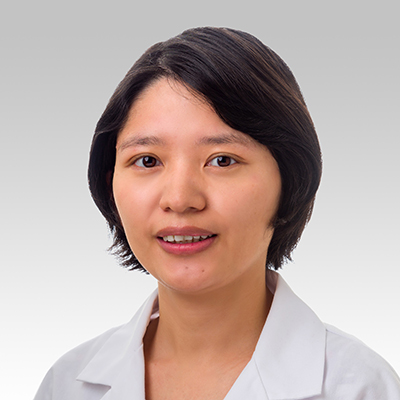
Xinxin Song, M.D., Ph.D., is an Assistant Professor in the Department of Surgery at the University of Texas Southwestern Medical Center. She holds a medical degree from Peking University Health Science Center and a Ph.D. from Peking Union Medical College. After post-doctoral training at the University of Pittsburgh, she became a Research Assistant Professor at Northwestern University's Feinberg School of Medicine before joining UT Southwestern in 2020. Her lab focuses on understanding mechanisms of cell death (apoptosis, ferroptosis, pH-dependent death, immunogenic cell death) and their interplay with drug resistance, tumor microenvironment, and cancer immunogenicity. Education: M.D., Health Science Center, Peking University Ph.D., Peking Union Medical College Post-doctoral Training, University of Pittsburgh School of Medicine Research Interests: Mechanisms of programmed cell death (apoptosis, ferroptosis) Drug resistance in cancer Tumor microenvironment dynamics Immunogenic cell death pathways Labs/Teams: Established her independent lab in the Department of Surgery at UT Southwestern in 2023
- Systems Biology
- Cancer Research
- Drug Resistance
- +۷ مورد دیگر
Sampsa Hautaniemi is a Professor at the Department of Biochemistry and Developmental Biology within the Faculty of Medicine at the University of Helsinki. He serves as Principal Investigator of the Systems Biology of Drug Resistance in Cancer research group and holds docentship in the Faculty of Medicine. Professor Hautaniemi actively supervises doctoral students across multiple programs including the Doctoral Programme in Biomedicine, Doctoral Programme in Clinical Research, and Doctoral Programme in Integrative Life Science. His research focuses on systems biology approaches to understand drug resistance mechanisms in cancer, particularly ovarian cancer. His work integrates computational biology, genomics, epigenetics, and bioinformatics to develop precision medicine approaches for cancer treatment. His laboratory develops innovative computational methods and experimental models including patient-derived organoids to study tumor evolution, identify therapeutic targets, and predict treatment responses. Analysis of his recent publications reveals a strong emphasis on understanding tumor heterogeneity, clonal evolution during therapy, and the development of computational tools for cancer genomics. His work spans multiple disciplines including cancer biology, computational biology, immunology, and precision medicine, with a particular focus on high-grade serous ovarian cancer as a model system. Scientific Awards: The Anders Jahre Medical Prize to young medical scientists (2014) for outstanding research on systems biology and cancer The Finnish Medical Foundation 50-years jubileum award (2010) Professor Hautaniemi has supervised numerous doctoral students and early-career researchers, contributing significantly to cancer research education. His research is supported by multiple active projects including the DECIDER project (Clinical Decision via Integrating Multiple Data Levels to Overcome Chemotherapy Resistance in High-Grade Serous Ovarian Cancer) funded until 2026, as well as projects from the Academy of Finland, Cancer Foundation, and industry partners like Orion Corporation. His laboratory maintains a patient-derived organoid biobank for high-grade serous ovarian cancer and develops computational tools like Jellyfish for visualizing tumor evolution.

Feyruz V. Rassool is a Professor at the University of Maryland School of Medicine, with primary appointment in Radiation Oncology. She serves as Co-director of the Experimental Therapeutics Program at the University of Maryland Greenebaum Comprehensive Cancer Center (UMGCCC) and holds an adjunct Associate Professor position at VARI’s Center for Epigenetics. Her research focuses on DNA damage/repair pathways in cancer, particularly their therapeutic exploitation through PARP and DNMT inhibitors. Education: B.Sc. in Human Genetics (1983, University College London), Ph.D. in Biological Sciences (1990, Royal Postgraduate Medical School) Postdoctoral Training: University of Chicago (1990-1994) Her work explores the intersection of DNA repair , epigenetics , and mitochondrial dysfunction to develop novel therapies for breast, ovarian, lung, and leukemias. Key projects include STING-dependent interferon signaling , pathogen mimicry in cancer cells, and metastasis suppression through PARPi/epigenetic combinations. Dr. Rassool is part of the SU2C Epigenetics Dream Team and has secured multiple grants from NCI, NIH, and the Adelson Medical Research Foundation. Her recent preclinical studies with PARP/DNMT inhibitors are being translated into Phase I/II trials for AML and TNBC. Scientific Awards Ziskin Award (2012) NCI-SPORE Grant Co-Leader NIH/NCI P30 CA134274 Support Grant She has mentored 13 PhD/postgraduate researchers and collaborates on clinical trials with Pfizer, VARI-SU2C, and ASTRO. Her lab employs techniques like DNA repair assays , RNAseq , and mouse xenograft models to investigate mechanisms of action for epigenetic drugs.
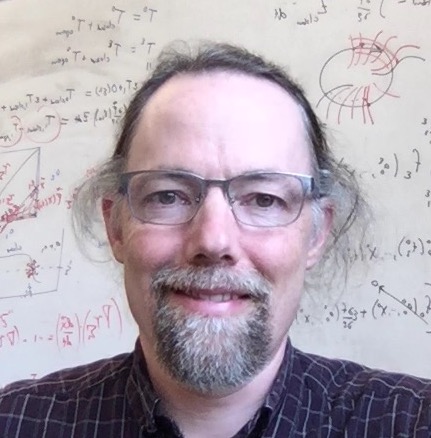
Peter J. Thomas is a Professor in the Department of Mathematics, Applied Mathematics, and Statistics at Case Western Reserve University's College of Arts and Sciences, with secondary appointments in Electrical Engineering and Computer Science, Cognitive Science, and Biology. He serves as Co-Editor-in-Chief of Biological Cybernetics and leads the Computational Biomathematics Laboratory. Primary Affiliation: Department of Mathematics, Applied Mathematics, and Statistics Secondary Affiliations: Department of Electrical Engineering and Computer Science, Department of Cognitive Science, Department of Biology Leadership: Co-Editor-in-Chief of Biological Cybernetics Thomas earned his B.A. in Physics and Philosophy from Yale University (1990), M.S. in Mathematics from the University of Chicago (1994), and both M.A. in Conceptual Foundations of Science and Ph.D. in Mathematics from the University of Chicago (2000). His research spans mathematical neuroscience, theoretical biophysics, and information theory applications to biological systems. Thomas specializes in understanding how noise and stochasticity affect neural coding, developing mathematical frameworks for gradient sensing in cells, and applying graph theory to biological networks. His work on stochastic shielding has provided novel approaches to simplifying complex stochastic models while preserving essential dynamics. His research bridges theoretical mathematics with experimental neuroscience through collaborations with the Chiel laboratory and others. Thomas's recent publications demonstrate a strong focus on stochastic oscillators, sensory feedback mechanisms, and information theory applications to biological systems. His work consistently develops novel mathematical frameworks to address specific biological questions, with significant contributions to understanding phase dynamics in neural oscillators and information processing in biochemical signaling. Core Fulbright Scholar Program (2013) Simons Fellow in Mathematics Program (2014) Multiple NSF grants as Principal Investigator Co-Editor-in-Chief of Biological Cybernetics Thomas has mentored numerous students at all levels, from undergraduates to postdoctoral researchers. His laboratory has produced successful scholars who have gone on to faculty positions at institutions like New Jersey Institute of Technology and the University of Nevada, Reno. He has actively organized workshops at the Banff International Research Station and served on editorial boards for leading journals in computational neuroscience. The Computational Biomathematics Laboratory focuses on developing mathematical frameworks to understand neural dynamics, cellular signaling, and pattern formation. The lab maintains strong collaborations with experimental neuroscience groups and has made significant contributions to understanding rhythmic neural systems, respiratory control mechanisms, and information processing in biological systems.

Jan C.M. van Hest is a Full Professor at Eindhoven University of Technology (TU/e), holding positions in the Department of Chemical Engineering and Chemistry and the Institute for Complex Molecular Systems (ICMS) . He leads research at the intersection of polymer chemistry and biomedicine, focusing on bio-inspired materials, nanomedicine, and artificial cells. His work includes developing synthetic vaccines, drug delivery systems, and adaptive nano/microcompartments mimicking cellular functions. Academic Background : Ph.D. in macro-organic chemistry from TU/e (1996), postdoc at the University of Massachusetts (protein engineering), and industry roles at DSM (1997–2000). Since 2016, he has held the Bio-organic Chemistry chair at TU/e, supervising over 30 PhD students and co-founding startups like Encapson and Noviosense. Research Highlights : His research spans nanomedicine (e.g., polymersomes for cancer treatment) and artificial cells (e.g., synthetic organelles). Recent work includes therapeutic nanovaccines and self-propelled platinum-loaded stomatocytes. His publications span Nature Nanotechnology , Nature Chemistry , and Angewandte Chemie . Awards & Collaborations : Recipient of the ERC Advanced Grant (2015) and NWO Gravitation Grant (2013). Partnerships with GSK, Zoetis, and industry initiatives like the TKI-LSH EUREKA project. Engages in education through courses like Biochemistry and Introduction to Chemistry & Chemical Technology. Labs & Teams : Core member of ICMS, leading interdisciplinary projects in functional molecular systems. Active in training the next generation of researchers through postgraduate programs like ICMS PTN.
Professor Walter C. Prozialeck is a distinguished academic at Midwestern University, serving in the Department of Pharmacology across multiple schools including the Chicago College of Osteopathic Medicine (CCOM), College of Pharmacy, College of Dental Medicine-Illinois, and College of Graduate Studies - Illinois. He holds a Ph.D. in Pharmacology from Thomas Jefferson University (1978) and a B.S. from Juniata College (1974). Dr. Prozialeck's research spans 35 years of cadmium toxicology, focusing on mechanisms of nephrotoxicity, microRNA expression, and biomarker development. He also investigates vancomycin pharmacokinetics and herbal medications like kratom and marijuana, contributing to drug policy discussions. His work has secured over $3.0 million in NIH funding. Recent publications highlight his expertise in cadmium-induced kidney injury biomarkers (e.g., Kim-1, cystatin C), microRNA alterations, and vascular toxicity. He has authored over 100 papers and book chapters. Career Achievement Award, Metals Specialty Section of Society of Toxicology (2021) Dr. Prozialeck teaches Pharmacology to medical, pharmacy, optometry, dental, and allied health students, and lectures in CME programs. He has held leadership roles including President of the Great Lakes Chapter of ASPET and Midwest Regional Chapter of the Society of Toxicology.
Ashley Mosemanمشاهده پروفایل
استادیار
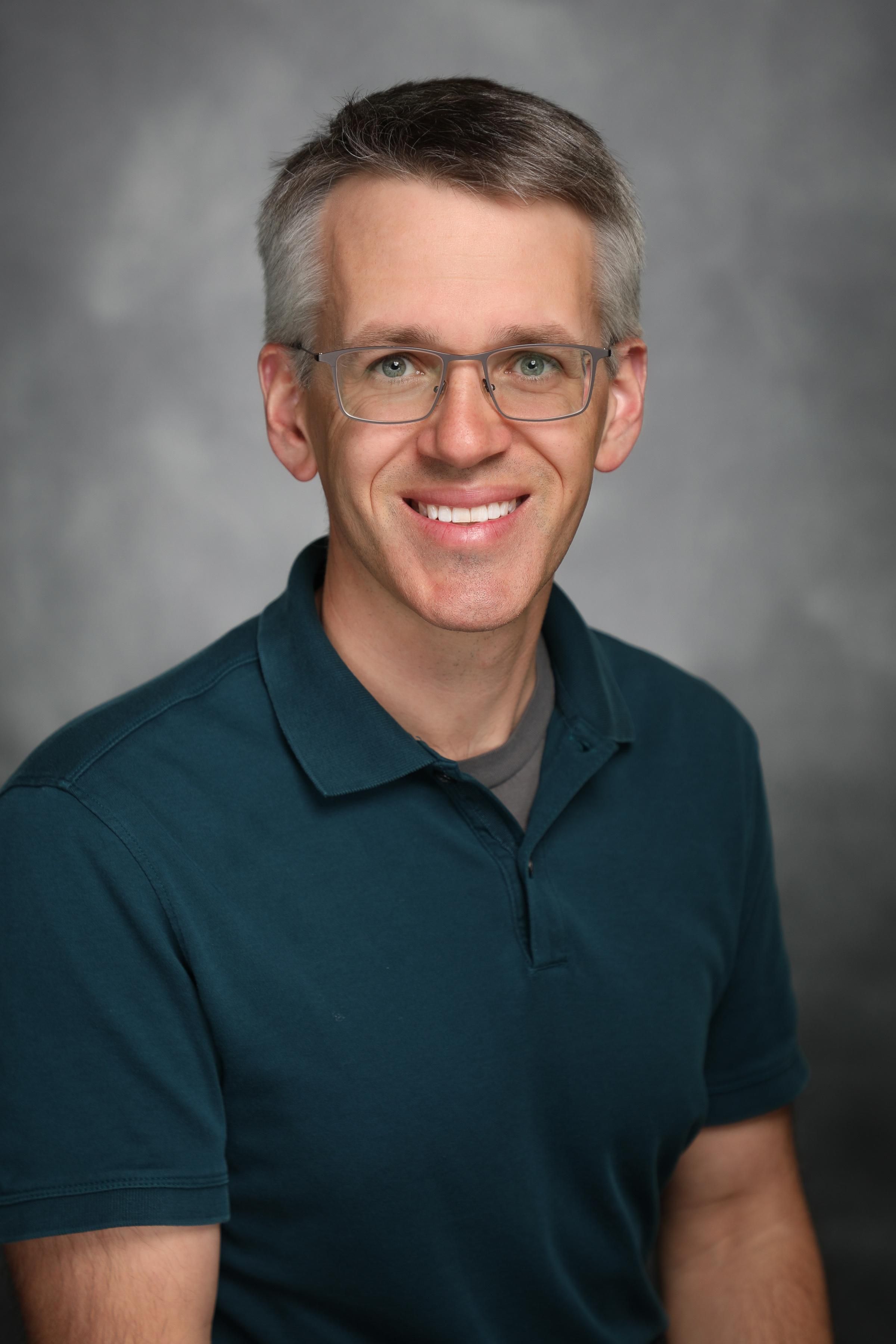
Ashley Moseman serves as an Assistant Professor of Integrative Immunobiology and Assistant Professor of Cell Biology at Duke University School of Medicine. She holds significant affiliations as a Faculty Network Member of the Duke Institute for Brain Sciences and a Member of the Duke Cancer Institute. Her pioneering research examines the delicate balance between neuronal function and immune protection at the olfactory neuroepithelial barrier, where sensory neurons directly interface with the external environment while protecting the central nervous system from pathogens. Dr. Moseman completed her Ph.D. at Harvard University in 2011, establishing the foundation for her interdisciplinary career at the intersection of immunology and neuroscience. Her research program focuses on understanding how immunological surveillance operates at the unique olfactory barrier, where neurons must contact the external environment to perform chemosensory functions while preventing pathogens from entering the CNS. The Moseman Lab employs cutting-edge multiphoton intravital imaging to visualize immune responses in vivo, revealing dynamic cellular interactions during viral infections and responses to pathogens like Naegleria fowleri. Current projects investigate olfactory barrier mechanisms, neuroimmune crosstalk, host-pathogen dynamics, and immune responses to deadly neurotropic pathogens. Analysis of Dr. Moseman's publication record demonstrates a cohesive research trajectory centered on neuroimmunology and mucosal defense mechanisms. Her work spans fundamental immunological processes, host-pathogen interactions at neural interfaces, and translational applications for understanding neurological complications of infections. A significant portion of her recent research addresses SARS-CoV-2-related olfactory dysfunction and the immunological basis of pathogen invasion through the olfactory system into the central nervous system. Dr. Moseman has secured substantial research funding including 'Using tissue-specific Naegleria opportunism to dissect olfactory immunity' (2025-2030), 'Characterizing olfactory plasma cell dynamics and survival niche within the upper airway' (2024-2029), and the 'Advanced Immunobiology Training Program for Surgeons' (2019-2029). She actively contributes to graduate education through the Medical Scientist Training Program (2022-2027) and teaches advanced immunology courses including IMMUNOL 736 and IMMUNOL 494. The Moseman Lab represents a leading center for neuroimmunology research, utilizing in vivo imaging to visualize immune responses within the central nervous system. Their work has significant implications for understanding how pathogens breach neurological barriers and how the immune system protects the brain while preserving essential sensory functions, with potential applications for treating neurological infections and inflammatory conditions.
Jinhong Mengمشاهده پروفایل
پژوهشگر ارشد
- Clinical sciences
- Neurosciences
- Medical physiology
- +۲ مورد دیگر
Jinhong Meng is a Senior Research Fellow at the Department of Genetics & Genomic Medicine, University College London (UCL), focusing on neuromuscular disorders and gene therapy. He earned his PhD and Bachelor’s degrees from the Fourth Military Medical University. Education: Doctor of Philosophy, Fourth Military Medical University (2000) Bachelor, Fourth Military Medical University (1995) Research Interests: Jinhong Meng’s work centers on Duchenne Muscular Dystrophy (DMD), Spinal Muscular Atrophy (SMA), and gene therapy techniques including CRISPR, lentiviral vectors, and antisense oligonucleotides. His studies explore immune responses to dystrophin, vascular defects in SMA, and dystrophin correction via viral and non-viral delivery systems. Publication Trends: Over the past eight years, Jinhong Meng has published extensively on DMD and SMA, with a focus on gene editing, dystrophin restoration, and cellular therapies. His collaborative work spans lentiviral vectors, foamy virus transduction, and necroptosis mechanisms in muscle degeneration. Labs & Collaborations: He works within UCL’s Genetics & Genomic Medicine Department, collaborating on projects involving dystrophic muscle engraftment, circadian signaling, and RNA editing for genetic mutations.
- Neonatal care
- Breastfeeding
- Health disparities
- +۷ مورد دیگر
Margaret G.K. Parker, MD, MPH is a Professor at UMass Chan Medical School in the Department of Pediatrics and also holds a position in the Department of Population and Quantitative Health Sciences at the T.H. Chan School of Medicine. She practices at UMass Memorial Medical Center in Worcester, Massachusetts, where she focuses on neonatal care, breastfeeding support, and addressing health disparities among vulnerable populations. Dr. Parker received her BS in Biochemistry & Cell Biology from the University of San Diego, her MPH from Harvard University School of Public Health, and her MD from Albert Einstein College of Medicine. Her educational background has prepared her for a career focused on the intersection of clinical care, public health, and health equity. Dr. Parker's research primarily focuses on neonatal care, breastfeeding practices, health disparities, and social determinants of health. She has conducted extensive research on racial and ethnic disparities in mother's milk provision among mothers of preterm infants, communication practices for non-English speaking families in neonatal care units, and interventions to support vulnerable populations including low-income mothers and those with opioid use disorder. Her work often examines how social factors impact infant health outcomes and how healthcare systems can better address these challenges through quality improvement initiatives and policy changes. Her publication trends reveal a consistent focus on health equity in neonatal care, with growing emphasis on social determinants of health screening and intervention in the NICU setting. Recent work shows increased attention to financial support programs for low-income families, communication barriers for non-English speakers, and specialized care approaches for infants exposed to substances prenatally. Dr. Parker has been involved in numerous interdisciplinary research collaborations across pediatrics, public health, and social services to address complex challenges in infant care. Her work has been cited extensively, demonstrating significant impact in her field, particularly in the areas of breastfeeding disparities and safe sleep practices. She leads research teams focused on quality improvement in neonatal care, with particular attention to equity and addressing disparities. Her recent projects include evaluating the CuddleCard protocol for financial support to low-income mothers of preterm infants and developing communication strategies for non-English speaking families in the NICU.
- Vascular Biology
- Ovarian Cancer
- Inflammation
- +۶ مورد دیگر
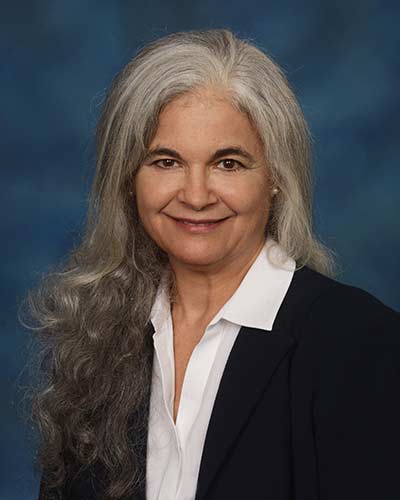
Toni M. Antalis, PhD, is a Professor in the Department of Pharmacology & Physiology at the University of Maryland School of Medicine. She serves as Associate Director of Training and Education for the Marlene and Stewart Greenebaum Comprehensive Cancer Center and Director of the Program in Molecular Medicine. Her research bridges vascular biology and cancer, focusing on membrane-anchored serine proteases and their role in tumor metastasis, inflammation, and coagulation. Doctorate in Biochemistry from Rice University Postdoctoral training in Cell Biology at Baylor College of Medicine Her laboratory investigates how protease-activated receptors (PARs) and the plasminogen activation system influence vascular disease and ovarian cancer progression. Current projects include studying fibrinolysis in thrombus resolution and developing protease-targeted therapies for metastatic ovarian cancer. Recent publications highlight roles of matriptase, testisin, and PAI-2 in tumor dissemination and vascular permeability. Dr. Antalis' research is funded by the National Institutes of Health (NIH), the Department of Defense, and a VA Merit Award. She has previously received support from the Lance Armstrong Foundation and Rivkin Center. She co-directs NIH-funded T32 and PREP programs for cancer training. Mentored numerous PhD students and postdoctoral fellows Developed engineered anthrax toxin prodrugs for ovarian cancer therapy (patents 10,568,929 and 11,013,784)

Robert Hillمشاهده پروفایل
دانشیار
- Neuroscience
- Neurobiology
- Developmental Biology
- +۵ مورد دیگر
Robert Hill is an Associate Professor at Dartmouth College, affiliated with the Biological Sciences department and the Dartmouth Graduate Program in Integrative Neuroscience and Molecular & Cellular Biology. His lab studies neuron-glia interactions focusing on oligodendrocyte development, plasticity, and regeneration in contexts like multiple sclerosis, aging, and Alzheimer's disease. Techniques include high-resolution optical imaging, molecular labels, genetic manipulation, and cellular physiology sensors. Education: B.S. from Trinity College, Ph.D. from University of Connecticut, Postdoctoral Fellow at Yale School of Medicine Research interests span Neuroscience , Developmental Biology , Myelination , and Neurodegenerative Diseases . Recent work explores mitochondrial reorganization in oligodendrocyte generation, CX3CR1-mediated microglial phagocytosis, and age-related myelin plasticity. Scientific awards include the Klingenstein-Simons Fellowship (2022). His lab has received NIH R01 grants (2021, 2025) and seed funding from the Brain Research Foundation (2019). Current lab members include PhD students Zoela Gilani, Kiera Schwarz, and postdoctoral fellows like Yasmine Kamen.
Shadi Daliliمشاهده پروفایل
دانشیار
- Biologically Active Isatin Derivatives
- Hole Transport Materials (HTMs) for Perovskite Solar Cells
- Augmented Reality in Chemistry Education
- +۳ مورد دیگر
Shadi Dalili is an Associate Professor, Teaching Stream at the University of Toronto's Scarborough (UTSC) campus. He specializes in Chemistry Education and Organic Chemistry research. His roles include teaching undergraduate courses like Organic Chemistry I and mentoring students in directed research projects. Education: BSc, University of Tehran, Iran (1999) MSc, University of Toronto (2001) PhD, University of Toronto (2005) Research Interests: His work focuses on synthesizing biologically active isatin derivatives, developing hole transport materials (HTMs) for Perovskite solar cells, and advancing chemistry education through technologies like augmented reality (AR). Collaborations with Dr. Kagan Kerman and Dr. Meissam Norouzifar address renewable energy materials, while his work with Dr. Maryam Abdinejad led to the ARchemy app, supported by grants from the Centre for Teaching and Learning and ITIF. Publications: Key contributions span AR-based educational tools, organic synthesis methodologies, and drug discovery. Recent work highlights include studies on student perceptions of AR in chemistry and lab skills seminars. Grants & Collaboration: Received $20,000 in grants for ARchemy development and partnered with UofT’s MADlab. Research emphasizes bridging technology and education, with applications in molecular visualization and renewable energy materials. Labs/Teams: Lead the ARchemy project team and collaborates on Perovskite solar cell research, fostering interdisciplinary innovation.

- Necrotrophic fungal pathogenesis
- Programmed cell death in plants
- Plant-microbe interactions
- +۴ مورد دیگر
Mehdi Kabbage is a Professor and Director of Graduate Studies in the Department of Plant Pathology at the University of Wisconsin-Madison . His research focuses on necrotrophic fungal pathogenesis, particularly the role of oxalic acid and programmed cell death (PCD) in plant-pathogen interactions. He teaches courses in fungal biology and plant-microbe interactions. Education : Ph.D. in Plant Pathology (Kansas State University), M.S. in Plant Pathology (Kansas State University), B.S. in Engineering (Ecole d'Ingénieurs de Purpan, France) Dr. Kabbage investigates how Sclerotinia sclerotiorum manipulates plant PCD through oxalic acid secretion and explores strategies to inhibit this process for crop protection. His work spans molecular mechanisms of fungal virulence, plant stress tolerance, and genetic resistance in soybeans. Recent publications highlight his research on fungal effector proteins, host-induced gene silencing, oxalic acid signaling, and autophagy-based resistance strategies. He collaborates extensively on soybean and dry bean pathosystems, with a focus on integrated disease management and climate resilience. His lab develops transgenic approaches for stress tolerance, studies BAG protein family functions in plant defense, and investigates fungal enzymatic virulence factors like alcohol oxidases and laccases. Current projects include chemical genomics for resistance pathway discovery and novel antifungal agents such as poacic acid.
- Tissue regeneration
- Immunometabolism
- Wound healing
- +۵ مورد دیگر
Professor Sabine Eming is a Principal Investigator at the Department of Dermatology & FMNS at the University of Cologne, affiliated with the CMMC and collaborating with CECAD. Her research focuses on the molecular basis of age-related skin pathologies and regenerative responses. Investigates tissue regeneration, immunometabolism, and TOR signaling Develops therapeutic strategies for injured/aging tissues Uses cross-species models (mice, zebrafish, Drosophila, humans) Her work bridges basic science and clinical expertise to translate findings into therapeutic approaches, particularly examining: Metabolic reprogramming in wound healing Immune system's role in regeneration vs. scarring Lipid synthesis and filaggrin processing in skin barrier formation Scarless repair mechanisms in zebrafish vs. mammals She leads research into molecular control systems including: Cell death regulation (FADD-RIPK3 pathways) Nutrient-sensing TOR pathway in skin aging Glutamine metabolism in stem cell maintenance Her group develops genetically modified mouse models and collaborates on clinical trials for impaired healing conditions.
نمایش نتایج تا ۷۵۰ مورد اول. برای یافتن نتایج دقیقتر، جستجوی خود را با فیلترها محدود کنید.