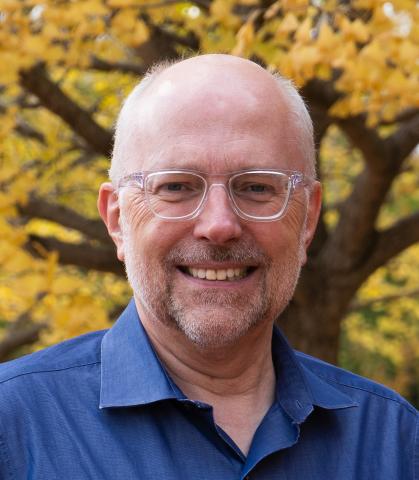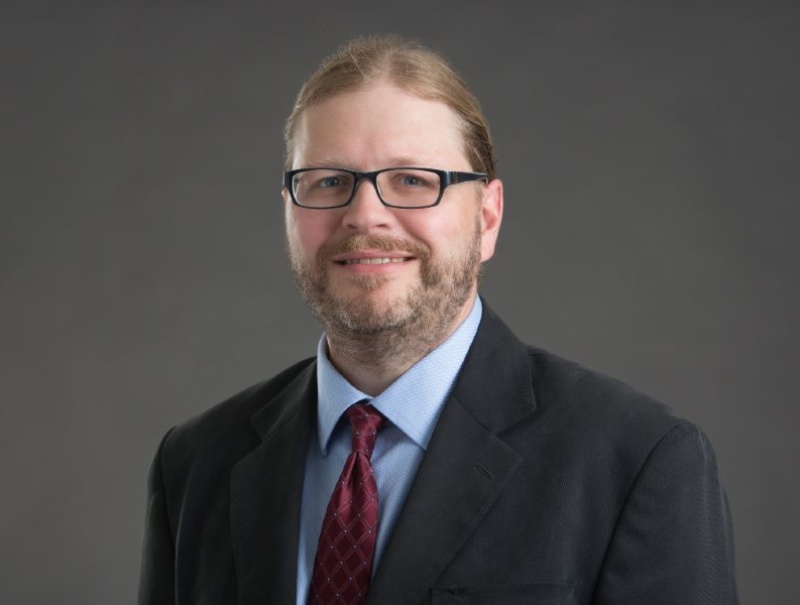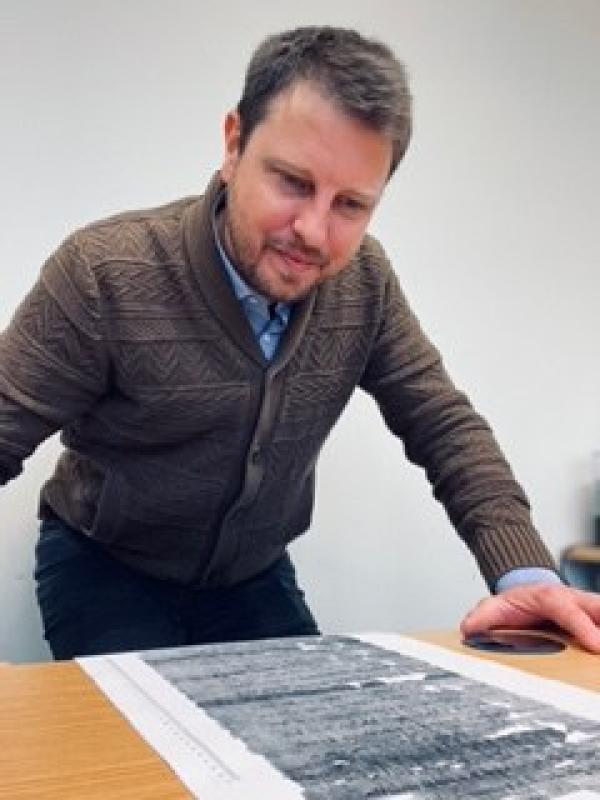
Marcos Caballero serves as Associate Professor at both the University of Oslo's Center for Computing in Science Education and Michigan State University. His work bridges physics education research with computational science instruction across educational levels from high school to graduate programs. His educational background includes: B.S. in Physics from University of Texas at Austin (2004) M.S. in Physics from Georgia Institute of Technology (opto-microfluidics research) Ph.D. in Physics Education Research from Georgia Tech (2011, first PER-focused doctorate there) Postdoctoral research at University of Colorado Boulder Caballero's research investigates how computational tools and science practices shape physics learning, employing both cognitive and sociocultural theoretical frameworks. Key projects examine measurement uncertainty assessment, computational literacy development, and equity in graduate admissions. His work spans micro-level analyses of student coding comprehension to macro-level studies of computing's impact across degree programs, with significant contributions to transforming upper-division physics curricula toward active learning environments. His recent publications (2021-2024) reveal concentrated focus on measurement uncertainty assessment instruments , computational thinking frameworks , and holistic graduate admissions reform . These works demonstrate increasing methodological sophistication through NLP applications and large-scale educational data analysis, while maintaining practical relevance for physics classroom transformation. Caballero co-founded Georgia Tech's Physics Education Research group and currently leads UiO's Center for Computing in Science Education and Michigan State's Physics Education Research Lab . His international partnership for computing in science education drives cross-institutional curriculum development, focusing particularly on integrating computational practices into core physics instruction while addressing equity challenges in STEM education.