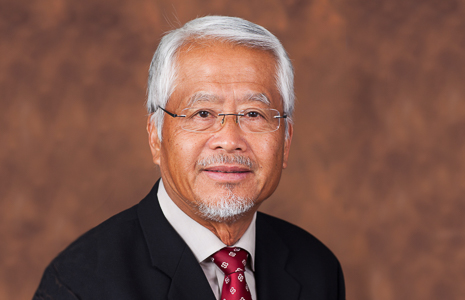
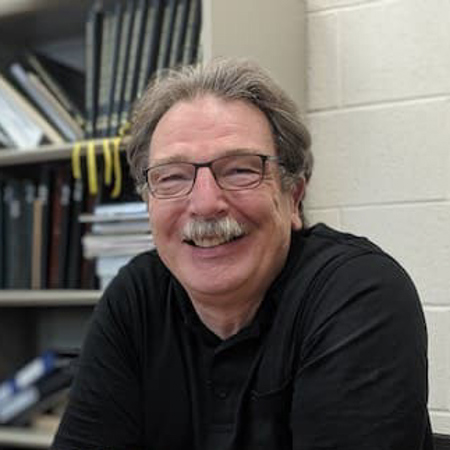
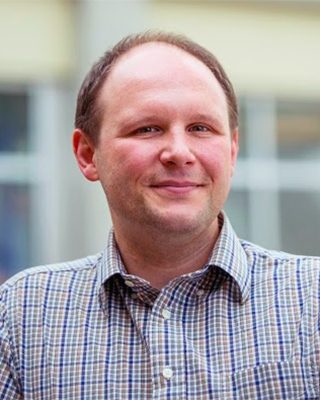
Nan-Yao Su is a Professor at the University of Florida 's Department of Entomology and Nematology, based at the Fort Lauderdale Research and Education Center . Renowned as an authority on termites, his work focuses on termite biology, population ecology, and innovative control strategies. Established the Sentricon baiting system for termite population control, reducing global pesticide use by over 9,000 metric tons. Recipient of the Presidential Green Chemistry Challenge Award for environmentally sustainable pest management. Technical advisor to governments of New Zealand, China, and Vietnam on termite issues. Research Interests span termite foraging behaviors, microbe interactions within colonies, and development of novel termite control tools. His work bridges fundamental biology with practical area-wide management programs, funded by royalty income from the Sentricon system and USDA-ARS grants. Scientific Contributions include over 260 peer-reviewed publications, with key studies on Formosan subterranean termites' economic impact (e.g., $300M annual losses in New Orleans) and drywood termite dispersal mechanisms. His research has led to standardized identification keys for Florida termites and advanced detection methods like termite-sniffing dogs and chemical barriers. Publications reveal a focus on invasive termite species, chitin synthesis inhibitors, and eco-friendly pest management. Awards include: Presidential Green Chemistry Challenge Award (2019) Establishment of the Nan-Yao Su Award for Innovation in Entomology
Vincent Rotello is a University Distinguished Professor of Chemistry at the University of Massachusetts Amherst. He holds multiple affiliations including Faculty in the Graduate Program in Molecular & Cellular Biology, the Center for Bioactive Delivery, the Models to Medicine program, the Center for Personalized Health Monitoring, and the Materials Science and Engineering Interdisciplinary Graduate Program at the Institute for Applied Life Sciences. Dr. Rotello received his B.S. in Chemistry (Honors) from Illinois Institute of Technology in 1985, followed by an M. Phil and Ph.D. in Chemistry from Yale University in 1987 and 1990, respectively. He completed an NSF Postdoctoral Fellowship at the Massachusetts Institute of Technology from 1990-1993 before joining the faculty at UMass Amherst. Professor Rotello's research focuses on supramolecular chemistry, particularly the study and application of non-covalent interactions including hydrogen bonding and aromatic stacking. His work spans nanotechnology, bionanotechnology, bioorthogonal chemistry, drug delivery, and antimicrobial development. His laboratory explores how these molecular recognition concepts can address essential questions in biology, biomedicine, and material chemistry, with particular emphasis on using synthetic organic chemistry to engineer interfaces between synthetic and biological worlds. The group has published over 650 peer-reviewed papers to date. His recent publications reveal a strong trend toward bioorthogonal catalysis, particularly 'nanozymes' and 'polyzymes' - nanomaterial scaffolds incorporating transition metal catalysts for localized drug and imaging agent generation. His research increasingly addresses biomedical applications including cancer treatment, bacterial infection control, and diagnostic development, with significant focus on antimicrobial applications and biofilm eradication. Arthur C. Cope Scholar Award (2023) Highly Cited Researcher by Clarivate (2014, 2015, 2018-2023) Fellow of the American Association for the Advancement of Science Fellow of the Royal Society of Chemistry (UK) NSF CAREER award Cottrell Scholar award Camille Dreyfus Teacher-Scholar Sloan Fellowship Professor Rotello has mentored numerous graduate students and postdoctoral fellows, with recent PhD graduates including Dr. Aarohi Gupta and Dr. Aritra Nath Chattopadhyay. His research group maintains active collaborations across multiple disciplines and has secured significant funding for their work in nanotechnology and bionanotechnology. The group has published over 650 peer-reviewed papers, demonstrating consistent productivity and impact in their field. The Rotello Lab operates within the Lederle Graduate Research Tower at UMass Amherst, with office in room 379 and laboratory space in room 320. The group consists of graduate students, postdoctoral fellows, and visiting scholars from around the world, working collaboratively on projects spanning antimicrobials, bioorthogonal chemistry, drug delivery, and sensing technologies. The lab has documented numerous visiting scholars from institutions across Europe, Asia, and North America, indicating strong international collaborations.
Christoph Benning is a University Distinguished Professor at Michigan State University, holding appointments in the Department of Biochemistry & Molecular Biology , Molecular Plant Sciences Program , Plant Biology , and Genetics & Genome Sciences Program . He leads the MSU-DOE Plant Research Laboratory and contributes to the Cell & Molecular Biology Program and BioMolecular Science Gateway . Ph.D., 1991, Michigan State University M.S., 1986, Albert-Ludwigs Universitaet, Freiburg, Germany Postdoctoral Researcher, 1991-1993, Michigan State University Group Leader, 1993-1997, Institut fuer Genbiologische Forschung Berlin GmbH His research centers on lipid metabolism in photosynthetic organisms , with a focus on chloroplast membrane assembly, lipid remodeling under stress, and biofuel production from algae. His lab uses Arabidopsis and Chlamydomonas to study genetic and biochemical mechanisms governing lipid biosynthesis, stress tolerance, and cellular quiescence in algae. Recent publications highlight advancements in chloroplast nanofactories , ER-chloroplast lipid transport , and WRINKLED1 transcription factor engineering to boost lipid accumulation. These works span synthetic biology , metabolic engineering , and environmental stress responses in plants and algae. Scientific Awards : Fellow of the American Society of Plant Biologists (2025), Member of the National Academy of Sciences (2025), Senior Member of the National Academy of Inventors (2022), and multiple teaching/mentoring awards. Advising : Recognized for mentoring graduate and postdoctoral researchers. Labs & Collaborations : Leads the Benning Lab at MSU, with DOE-funded projects and partnerships in algal biofuel research.
Zachary Tatlock is an Associate Professor at the Paul G. Allen School of Computer Science & Engineering at the University of Washington, where he leads the Programming Languages & Software Engineering Group (PLSE) and the SAMPL Group. His research spans programming languages, formal verification, compilers, and computational fabrication. He is also an Amazon Scholar with AWS's Automated Reasoning Group and previously advised OctoML. Tatlock's work bridges theoretical foundations with practical systems, focusing on making it easier to write tricky code while ensuring correctness through rigorous proofs and measurements. PhD in Computer Science & Engineering, University of California, San Diego (2014) Thesis: Reducing the Costs of Proof Assistant Based Formal Verification Advisor: Sorin Lerner BS in Computer Science (Honors) and Mathematics, Purdue University (2007) Professor Tatlock's research focuses on the intersection of programming languages, formal methods, and systems. His work in compilers and formal verification aims to make it easier to write tricky code while ensuring correctness through rigorous proofs. He explores computational fabrication techniques that bridge digital design with physical manufacturing. His recent work on equality saturation (via the egg framework) has transformed program optimization and synthesis. Tatlock also investigates floating-point numerics, distributed systems verification, and hardware/software co-design, always seeking to balance theoretical rigor with practical implementation. Tatlock's recent publications demonstrate a strong focus on equality saturation techniques (egg framework), computational fabrication, and verified systems. His work increasingly integrates machine learning with program analysis and synthesis. There's a clear trajectory toward more practical applications of formal methods in real-world systems, particularly in numerical computing and fabrication. His research group has made significant contributions to e-graph technology, floating-point accuracy, and the verification of distributed systems. Distinguished Paper Award for Rewrite Rule Inference Using Equality Saturation (OOPSLA 2021) Spotlight Paper Award for Dynamic Tensor Rematerialization (ICLR 2021) Distinguished Paper Award for egg: Fast and Extensible Equality Saturation (POPL 2021) Faculty Appreciation for Career Education & Training (FACET) Award (2020) NSF CAREER Award: Verifying Distributed System Implementations (2017) Distinguished Paper Award for Automatically Improving Accuracy for Floating Point Expressions (PLDI 2015) Distinguished Teaching Award Nomination (2015) Professor Tatlock has advised numerous doctoral, master's, and undergraduate students who have gone on to prominent positions in academia and industry, including faculty positions at the University of Utah and Brown University, and leadership roles at companies like OctoML and Certora. His research is supported by significant funding from NSF, DARPA, DOE, and industry partners, totaling millions of dollars. Current grants include projects on computer-aided reasoning, formal verification, computational fabrication, and machine learning systems. He has served on numerous program committees and organized workshops including FPTalks, EGRAPHS, and PNW PLSE. As co-leader of the Programming Languages & Software Engineering (PLSE) research group and affiliate of the SAMPL Group at the University of Washington, Tatlock has developed influential tools including egg (an equality saturation toolkit), Carpentry Compiler, and Odyssey. His group actively collaborates with industry partners including Amazon Web Services, where he serves as an Amazon Scholar. The group has made significant contributions to equality saturation, floating-point accuracy, program synthesis, and computational fabrication, with applications ranging from compiler optimization to 3D printing.
Leijun Li, PhD, P.Eng., is a Professor in the Department of Chemical and Materials Engineering at the University of Alberta, where he also serves as Chair. With a career spanning institutions including Rensselaer Polytechnic Institute, University of Northern Iowa, and Utah State University, he specializes in physical metallurgy , welding metallurgy , and additive manufacturing . His research focuses on microstructure characterization, mechanical properties, and modeling of non-equilibrium phase transformations during welding and AM processes. Current affiliations: University of Alberta, American Welding Society, ASM International Research themes: Additive manufacturing of alloys, Corrosion science, Pipeline metallurgy, Phase transformations, Welding robotics He has received multiple AWS Hobart Awards (4 times) and Savage Awards (2 times) for his work on pipeline welding and metallurgy. His group has published extensively on topics including delta-ferrite retention in Grade 91 steel, inverse bainite transformations , and welding defect analysis . Recent projects include NSERC Alliance Missions Grant for rare earth mineral recovery and Alberta Innovates Ecosystem Program for advanced manufacturing. Key collaborators: Dr. Tom Lienert, Dr. Xiaoying Fang, Dr. P-Q Xu Labs: Rooms 2-158/3-133 (CME Building), Office 12th Floor DICE Building
Peter Burke is a Professor of Electrical Engineering and Computer Science (joint appointments in Biomedical Engineering and Materials Science and Engineering ) at the Samueli School of Engineering, University of California, Irvine . His research bridges nanoelectronics with biotechnology , focusing on carbon nanotubes , graphene devices , and mitochondrial bioenergetics . He has received prestigious Young Investigator Awards from the Office of Naval Research and Army Research Office. Education: B.A. in Physics, University of Chicago (1992) Ph.D. in Physics, Yale University (1998) His work spans quantum electronics , high-speed semiconductor devices , and bio-nano interfaces . Recent publications highlight drone technology , mitochondrial electrical activity , and AI-driven nanoscale sensing . Research trends include terahertz spectroscopy , super-resolution imaging , and open-source medical devices like the NanoStat potentiostat . Scientific Awards Young Investigator Award, Office of Naval Research Young Investigator Program Award, Army Research Office As director of the BurkeLab , he develops nano-electronic interfaces for biological systems, including mitochondrial membrane potential assays and graphene-based biosensors . His lab's innovations in carbon nanotube arrays and scanning microwave microscopy have advanced bio-nano applications.
Younis Abiedalla serves as an Assistant Research Professor in the Department of Drug Discovery and Development at Auburn University's Harrison School of Pharmacy, where he conducts cutting-edge research in forensic drug chemistry and analytical methodologies for novel psychoactive substances. Education: B.S. in Pharmaceutical Sciences from Omar Al-Mukhtar University (Libya), 2007 M.S. in Pharmaceutical Sciences from Auburn University, 2012 Ph.D. in Pharmaceutical Sciences (Medicinal Chemistry) from Auburn University, 2018 Dr. Abiedalla's research program focuses on separation science and forensic drug chemistry, with particular expertise in analyzing regioisomeric compounds in synthetic novel psychoactive substances (NPS). His laboratory employs advanced hyphenated chromatographic techniques including Gas Chromatography-Mass Spectrometry (GC-MS), Gas Chromatography-Infrared Spectroscopy (GC-IR), and High-Resolution Mass Spectrometry (HRMS) to differentiate between closely related drug compounds that pose challenges for forensic identification. His publication record demonstrates a consistent research trajectory focused on forensic analysis of designer drugs, particularly synthetic cannabinoids and cathinone derivatives. Recent work has expanded into electron ionization fragmentation studies of various substituted compounds, with publications spanning from 2012 through the present, including a 2025 publication currently in press. Dr. Abiedalla collaborates extensively with researchers including Jack DeRuiter and C. Randall Clark, and his work contributes significantly to the forensic science community's ability to identify and characterize emerging designer drugs that present public health challenges.
Barb Morra is an Associate Professor in the Department of Chemistry at the University of Toronto, affiliated with the Faculty of Arts and Science. Her work focuses on integrating real-world applications and green chemistry principles into teaching and laboratory design. She emphasizes discovery-based learning, critical thinking, and collaboration in her courses, often using pharmaceutical synthesis and research scenarios to contextualize organic chemistry concepts. Her research explores innovative teaching methods such as the ‘Chemistry Connections Challenge,’ which encourages students to link course content to real-world problems. She has developed green chemistry-based laboratory experiments and curricula, emphasizing sustainability and modern research practices. These initiatives include solvent-free synthesis techniques and databases for instructional resources. Collaboration is central to her work, involving undergraduate and graduate students in programs like the Research Opportunities Program and Chemistry Teaching Fellowship Program. These partnerships have enhanced course quality and student engagement across multiple levels. Her contributions span journal articles on education and green chemistry, reflecting her dual focus on pedagogical innovation and chemical sustainability. Barb Morra’s efforts have shaped the Department of Chemistry’s approach to education, fostering a culture that bridges academic rigor with practical, sustainable applications. Her teaching and research highlight the importance of making chemistry accessible and relevant to contemporary challenges.
Valerie Welborn is an Assistant Professor in the Department of Chemistry within the College of Science at Virginia Tech. Her research program focuses on multiscale simulation of condensed phase systems, particularly examining the role of electric fields in biological interfaces and biological-like systems. She leads an active research group that bridges computational chemistry with experimental validation through multiple collaborations. Dr. Welborn's research interests span protein dynamics and function, characterization of structural and functional water, polysaccharides in solution, and polymer design for metal chelation. Her work combines morphological, structural, dynamic and electronic factors to develop new models of biological interfaces, with particular emphasis on how water interacts at a fundamental molecular level with biological entities such as proteins and bone tissues. She specializes in electric field calculations to understand protein flexibility in catalysis and ion transport, seeking to reconcile protein dynamics with electrostatic preorganization theory. Her recent publications demonstrate strong activity across multiple domains, with particular emphasis on electric field analysis in protein function, water dynamics at biological interfaces, and polymer design for metal chelation. Her work shows a consistent trajectory toward increasingly complex biological systems and more sophisticated computational approaches, including polarizable force field methods and multiscale modeling techniques. Centre for Doctoral Training (CDT) on Theory and Simulation of Materials (TSM) Ph.D. Prize for Research Excellence, 2014 Outstanding Contribution to Outreach and Public Engagement, CDT TSM, 2014 Engineering and Physical Sciences Research Council (EPSRC) fully-funded Ph.D. Fellowship, CDT TSM, 2011 Editor-selected as '2021 Hot PCCP article' Front cover article in Phys. Chem. Chem. Phys. Dr. Welborn actively mentors a diverse group of researchers, including multiple postdoctoral associates, graduate students across chemistry and related disciplines, and undergraduate researchers. Her lab participates in the NSF Materials Innovation Platform GlycoMIP (DMR-1933525), focusing on polysaccharide research. She collaborates extensively with experimental groups, particularly with Professor Michael Schulz on polymer design for metal chelation projects. Her lab develops computational tools like the ELECTRIC software package for electric field calculations in biomolecular systems. The Welborn group maintains active research programs in four main areas: protein dynamics and function, characterization of structural and functional water, polymer design for metal chelation, and polysaccharides in solution. Each program employs specialized computational approaches to address fundamental questions in biological chemistry, with particular emphasis on how electric fields govern molecular behavior at biological interfaces.
Andrea Garzelli is a Full Professor at the University of Siena's Department of Information Engineering and Mathematical Sciences. His research focuses on remote sensing image processing, particularly in optical and SAR sensor technologies, image fusion, and spatial resolution enhancement. He holds teaching roles in 'Fundamentals of Signal Processing and Telecommunications' and 'Statistical Signal Processing.' He earned his Ph.D. in Computer Science and Telecommunication Engineering from the University of Florence. Notably, he was recognized as a World's Top 2% Scientist by Stanford University for 2019–2023 and his career-long contributions. He served as President of the University of Siena's Quality Assurance Committee (2016–2021) and currently coordinates the graduate program in Computer and Information Engineering. Research interests include satellite data analysis (e.g., Sentinel-2, PRISMA), hypersharpening techniques, and environmental monitoring. His work bridges theoretical advancements (e.g., pansharpening algorithms) and practical applications like urban land classification and vegetation index enhancement. Recent articles emphasize reproducibility, meta-analysis, and synthetic data generation through GANs. Awards: World's Top 2% Scientists (2019–2023 & career). Grants/Advising: Supervises remote sensing theses; no specific grants mentioned. Labs/Teams: Leading research in the department's remote sensing and signal processing groups.
Gerta Bardhoshi is a Professor of School Counseling at the University of Iowa’s College of Education, affiliated with the Department of Counselor Education and the Scanlan Center for School Mental Health. She holds a BS in Psychology (Northern State University), MSED in Counseling, and a PhD in Counselor Education and Supervision (George Washington University). Her research focuses on school counselor well-being, interventions addressing adolescent mental health, LGBTQ+ student experiences, and photovoice methodology. She has been honored as a Senior Research Fellow at the University of Iowa Public Policy Center (2019). Her work emphasizes burnout prevention, culturally responsive counseling practices, and evidence-based interventions. Notable grants include studies on rural Latinx students’ sense of belonging and the psychometric validation of scales like the School Counselor Self-Efficacy Scale. She is certified as a Licensed Professional Counselor (LPC) and Approved Clinical Supervisor (ACS). Awards: Senior Research Fellow (2019), University of Iowa Public Policy Center Grants: Over $200K in grants for counseling interventions, including group therapy for marginalized youth and photovoice studies. Her lab and collaborations emphasize community-based participatory research, advocating for inclusive education policies and counselor training programs to enhance student outcomes.
LaShanda T. J. Korley is a Distinguished Professor of Engineering at the University of Delaware with joint appointments in Materials Science and Engineering and Chemical & Biomolecular Engineering. She directs the Department of Energy's Center for Plastics Innovation (CPI), co-directs the UD CHARM Materials Research Science and Engineering Center, leads the NSF PIRE project on Bio-inspired Materials and Systems, and serves as Associate Director of the Center for Research in Soft matter & Polymers (CRiSP). Her research program pioneers bio-inspired sustainable materials through a bioeconomy framework, focusing on molecular design of functional polymeric systems including thermoplastics, networks, composites, and gels. Core interests span plastics deconstruction/upgrading, sustainable materials development, and novel fiber/composite manufacturing, with emphasis on lignin-derivable polymers and peptide-polymer hybrids for circular polymer solutions. Recent publications (2024-2025) reveal intense focus on polymer upcycling through advanced depolymerization techniques for polyurethanes, polystyrene, and polyethylene. Her group innovates across catalytic conversion, enzymatic deconstruction, vitrimer chemistry, and bio-hybrid hydrogels, demonstrating interdisciplinary approaches to transform plastic waste into high-value materials while addressing performance-sustainability tradeoffs. Scientific Awards 2023 ACS Fellow 2023 RSC Fellow 2023 AIChE Fellow 2023 ACS POLY Fellow 2023 U.S. Science Envoy 2022 AIChE MAC William W. Grimes Award for Excellence in Chemical Engineering 2022 APS Fellow 2022 ACS PMSE Fellow 2021 AIChE MAC Gerry Lessells Award 2021 Chemical and Engineering News Black Trailblazer 2020 AIMBE Fellow 2019 NOBCChE Lloyd N. Ferguson Young Scientist Award Korley secures major federal funding to advance sustainable polymer science, including DOE support for catalytic plastic waste deconstruction and NSF backing for international bio-inspired materials research. Her grants portfolio drives interdisciplinary collaboration across chemistry, engineering, and environmental science to develop circular economy solutions. She mentors a dynamic research group training next-generation scientists in advanced materials characterization and sustainable design principles. Her laboratories at the University of Delaware integrate molecular synthesis, catalytic testing, and advanced characterization to develop next-generation polymer systems. The research environment emphasizes cross-disciplinary teamwork between chemists, materials scientists, and engineers to tackle plastics sustainability challenges through fundamental molecular design and scalable process innovation.
Joshua Garcia is an Assistant Professor in the Informatics Department at the University of California, Irvine (UCI), within the Donald Bren School of Information and Computer Sciences. His research focuses on software architecture, automated testing, and cybersecurity, particularly in autonomous systems and mobile applications. He leads projects like DeltaDroid, Doppelgänger Test Generation, and Darcy, which address software vulnerability management, architectural consistency, and safety-critical systems. Key achievements include an NSF CAREER Award (2025), an NSF CRI Grant (2018), and a DARPA competition win (2024). His work is adopted by organizations like Boeing, Google, and NASA. Garcia collaborates internationally, involving institutions in Padova and researchers like Luca, Jessy Ayala, and Philipp. Research Interests: Software architecture evolution, automated exploit generation, autonomous vehicle testing, and accessibility in software development Grants: NSF CAREER ($500K+), NSF CRI ($1M+) Labs/Teams: HexHive Group, Autonomous Systems Testing Lab
Madeline Endres is an Assistant Professor at the Manning College of Information and Computer Sciences, University of Massachusetts Amherst. She co-directs the LASER Lab and holds a Ph.D. in Computer Science from the University of Michigan (2024), alongside degrees in Computer Science and Cello Performance. Her research focuses on improving programmer productivity and wellbeing through interdisciplinary approaches combining software engineering, psychology, and medicine. Her research interests include: Programmer cognition and skill acquisition Developer tool design and evaluation Impact of external factors (e.g., psychoactive substances, workplace policies) on software development Neuroimaging studies of programming tasks Key achievements include Distinguished Paper Awards at ICSE 2024 and FSE 2023, and an NSF Graduate Research Fellowship (2020). She actively contributes to program committees for major software engineering conferences. Current projects include VR-based spatial reasoning training for novices, TMS experiments to identify cognitive causality in programming, and controlled studies on cannabis use and programming ability. She also maintains the CS Grad Job Guide to support early-career researchers.
Gerome Miklau is a Professor of Computer Science at the University of Massachusetts Amherst, affiliated with the Manning College of Information and Computer Sciences (CICS). He leads the DREAM Lab and focuses on privacy, security, and equitable data management, particularly in differential privacy and fair data analysis. His work includes designing algorithms for private data synthesis, privacy-preserving SQL engines, and auditing systems like AuditGuard. He co-founded Tumult Labs to commercialize privacy technology and advised the U.S. Census Bureau on privacy for the 2020 decennial census. Education: Ph.D. in Computer Science from the University of Washington (2005), B.S. in Mathematics and Rhetoric from UC Berkeley (1995). Research Interests: Differential privacy, secure data management, fairness in algorithms, privacy-preserving data synthesis, and forensic database analysis. His lab develops tools like Ektelo and PrivateSQL, addressing challenges in privacy-accurate tradeoffs and scalable private data processing. Awards: 2006 ACM SIGMOD Dissertation Award, 2007 NSF CAREER Award, 2013 ICDT Best Paper Award, and two ACM PODS Test-of-Time Awards (2020 and 2012). Grants & Service: Co-chair of OpenDP Advisory Board, steering committee member for TPDP workshops, and organizer of the 'Data, Responsibly' Dagstuhl workshop. His service includes program committees for SIGMOD, ICML, and FAT*. He teaches courses on databases, privacy, and programming. Labs/Teams: DREAM Lab (Data systems Research for Exploration, Analytics, and Modeling) and collaborations with the Center for Data Science and Cybersecurity Institute at UMass Amherst.