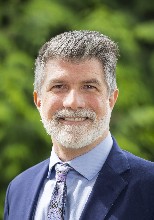
David Rokeby is an Assistant Professor (Teaching Stream) at the University of Toronto and Director of the BMO Lab. He is an internationally renowned new media artist with a 40-year career examining human relationships with digital systems, focusing on surveillance, artificial intelligence, and interactive installations. 2018-2019 JHI Artist-in-Residence (Jackman Humanities Institute) Representation: Pari Nadimi Gallery Education : BFA in Experimental Art, Ontario College of Art (1984) His research explores critical intersections of technology and humanity , including automated surveillance systems , computer vision limitations , and philosophical differences between human/machine intelligence . Works like Very Nervous System (1982-) pioneered gesture-to-sound translation, while Sorting Daemon (2003) critiques algorithmic profiling. Article analysis reveals consistent engagement with interactive systems , digital ethics , and perception studies across his publications. Recent projects examine tactile virtuality and spatiotemporal relationships in digital environments. Scientific Recognition : First BAFTA Award for Interactive Art (2000) World Technology Award for the Arts (2004) Prix Ars Electronica Golden Nica (2002) First Petro-Canada Award for Media Arts (1988) His work has received continuous funding from Canada Council for the Arts and Ontario Arts Council , with permanent installations in major institutions including London Science Museum and Technopolis Brussels. Collaborations span Le Fresnoy Studio National des Arts Contemporains and Wood Street Galleries .
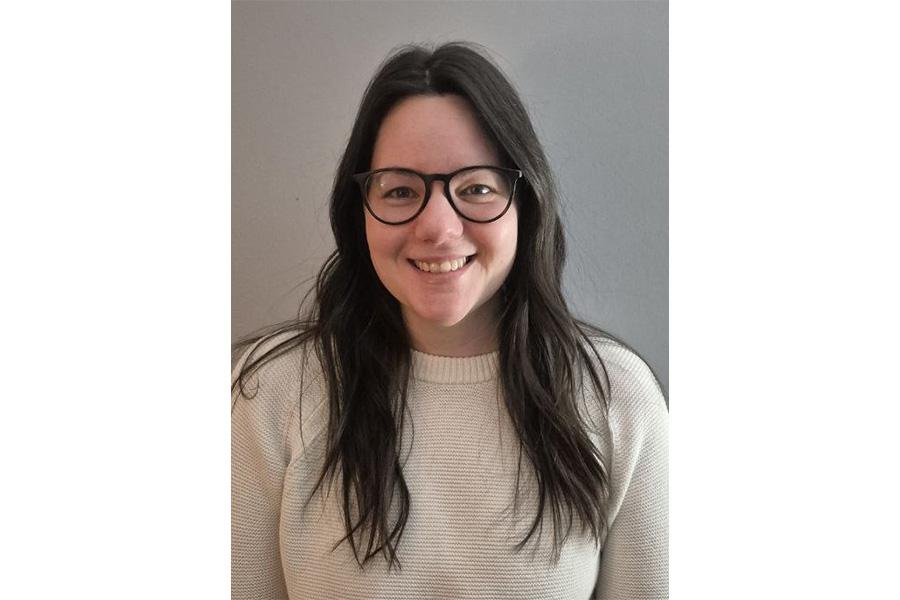
Nicole Brunton is an Assistant Professor in the Department of Respiratory Therapy at the College of Rehabilitation Sciences, University of Manitoba. Her research focuses on improving prognosis and health-related quality of life in individuals with chronic respiratory diseases through integrative systems physiology and causal inference methods. Research Interests: Dr. Brunton's work spans respiratory physiology, exercise physiology, epidemiology, and rehabilitation. She investigates how chronic respiratory diseases develop and progress across the lifespan, with a particular interest in early detection of functional impairments using exercise as a physiological stressor. Her current research includes studying cardiopulmonary responses to exercise in adolescents and young adults with a history of vaping, aiming to detect early signs of Vaping Use-Associated Lung Injury (EVALI) through non-invasive means. Dr. Brunton completed her PhD in Applied Health Sciences at the University of Manitoba in 2024, an MSc in Health and Exercise Science at the University of British Columbia in 2018, and a BSc in Human Kinetics from the same institution in 2013. Her multidisciplinary training enables her to approach chronic disease from both individual and population perspectives. Advising and Grants: She is currently accepting Master's and PhD students and offers undergraduate research opportunities through the Undergraduate Research Awards program (2025). One student project involves conducting a narrative review on exercise responses in youth with vaping history, including literature search, data extraction, and synthesis for publication. Labs and Teams: While specific lab names are not mentioned, Dr. Brunton leads research initiatives within the College of Rehabilitation Sciences focused on respiratory function and rehabilitation. Her collaborative background includes working with physician-scientists and healthcare teams in acute care and rural settings, suggesting strong interdisciplinary engagement.
Louise Potvin is a Full Professor in the Department of Social and Preventive Medicine at the School of Public Health of the University of Montreal . She has held this position since 1988 and leads the Canada Research Chair in Community Approaches and Health Inequalities . Her work focuses on reducing health disparities through community-based programs targeting social determinants of health. Key roles include Director of the CReSP (Centre de recherche en santé publique) since 2019, former Director of the Léa-Roback Research Network on Social Inequalities in Health (2004–2016), and Editor of the Canadian Journal of Public Health (2013–2023). She has authored over 200 peer-reviewed publications and supervised nearly 50 PhD and Master’s students. Research Interests: Intersectoral action for health equity, food security interventions, evaluation of community programs, and social determinants of health. Her work emphasizes participatory research and policy translation to address systemic inequalities. Grants & Projects: Leads major initiatives such as the One Urban Health Canada Excellence Research Chair (2023–2031) , focusing on urban health equity. She has secured over CAD 15 million in funding for projects like Pathways Study (tracking food-aid users) and Reducing Health Inequalities Through Public Health Interventions . Awards: 2021 Pioneer Researcher Award (CIHR), 2017 Pierre-Dansereau Prize, and Fellow of the Canadian Academy of Health Sciences (2008). Labs/Teams: Founder of the CReSP, member of the Quebec Population Health Research Network (RRSPQ), and leader of the Canada Research Chair in Community Approaches lab.
Roxanne Sicotte is an Adjunct Professor at the School of Psychoeducation, Faculty of Arts and Sciences, University of Montreal. Her research focuses on suicide prevention and mental health, particularly among individuals experiencing first-episode psychosis. She integrates clinical, cultural, and community perspectives to improve intervention strategies. Sicotte holds a PhD in Psychiatry (2023) from the University of Montreal, following a Master’s (2017) and Bachelor’s (2015) in Psychoéducation from the University of Sherbrooke. Education: Bachelor’s in Psychoéducation (2015) – Université de Sherbrooke Master’s in Psychoéducation (2017) – Université de Sherbrooke PhD in Psychiatry (2023) – Université de Montréal Roxanne Sicotte’s research investigates trajectories of suicidal behavior in first-episode psychosis and cross-cultural differences in mental health outcomes. She collaborates with clinical teams and policy-makers to co-create actionable interventions. Recent work compares suicide risk factors in Canada and India, highlighting cultural and systemic influences. Her publications emphasize longitudinal studies on psychosis-related suicide risk, early intervention efficacy, and parental training in child welfare. Key themes include identifying protective factors, improving clinical protocols, and fostering dialogue between stakeholders. Awards: Vanier Canada Graduate Scholarship (2019–2022) FRQS Postdoctoral Fellowship (2024–2026) Marie Giguère Travel Award (2022) Top Scientific Poster (Youth Research Network, 2022) Sicotte advises students interested in eating disorder-suicide comorbidity and psychosis-related risk. She leads research teams at GRIP (Groupe de recherche sur l'inadaptation psychosociale chez l'enfant) and the Papageno team, focusing on suicide prevention innovation.
Graham Wakefield is an Associate Professor in the Department of Computational Arts at York University's School of the Arts, Media, Performance and Design (AMPD). He is also a Canada Research Chair in Computational Worldmaking and leads the Alice Lab, focusing on biomorphic intelligence and immersive mixed realities. His research spans generative systems, artificial life, and creative software development, with notable collaborations on the 'Artificial Nature' series and contributions to the AlloSphere project. Wakefield holds a Ph.D. in Media Arts and Technology from UC Santa Barbara and has taught and researched globally, including at institutions like KAIST and Sogang University in South Korea. Education: Ph.D., Media Arts & Technology, University of California, Santa Barbara (2007–2012) M.Sc., Media Arts & Technology, UC Santa Barbara (2004–2007) M.Mus., Composition, Goldsmiths College, University of London (2002–2004) B.A. (Hons), Philosophy, University of Warwick (1994–1997) Research Interests: Wakefield’s work emphasizes open-ended computational systems applied to immersive environments and generative art. His projects explore bio-inspired systems, generative audiovisual composition, and interactive installations. Key themes include real-time systems, modular synthesis, and the intersection of art and AI. The Artificial Nature series exemplifies his focus on evolving ecosystems and user interaction. Publications & Awards: His work has been exhibited at SIGGRAPH, ISEA, and NIME. Notable awards include the VIDA 16.0 competition and a Best Paper at NIME 2013. Recent publications address modular synthesis, live coding, and immersive environments. Grants & Service: He has secured grants from the Canada Foundation for Innovation, SSHRC (Canada Research Chair), and others. Wakefield actively chairs committees for AI initiatives, faculty searches, and interdisciplinary research units like the Centre for Artificial Intelligence & Society. Labs & Collaborations: The Alice Lab at York University develops tools like COSM and gibber , and collaborates on projects such as the Synaptic Time Tunnel for SIGGRAPH 2023. Wakefield co-authored Generating Sound & Organizing Time and contributes to Max/MSP/Jitter through Cycling '74.
Robin Hicks is a Professor in the Department of Chemistry at the University of Victoria and currently serves as the Dean of the Faculty of Graduate Studies. His work bridges synthetic inorganic and organic chemistry with a focus on functional molecular systems. His research centers on coordination chemistry involving transition metals, main group elements, and lanthanides, particularly with ligands that exhibit redox activity, radical character, or intense coloration. These functional ligands are explored for their potential in advanced materials, including applications in optoelectronics, catalysis, and sustainable energy technologies. Robin teaches across inorganic and materials chemistry, including structure and bonding, transition metal chemistry, and graduate-level property-directed synthesis. His leadership extends to academic administration as Dean, supporting graduate education and research excellence at UVic. The available information does not include specific publications, but his research program emphasizes the development of novel coordination complexes with tailored electronic and optical properties, suggesting strong interdisciplinary engagement in materials science and sustainable technology. He has no listed scientific awards in the provided text. Robin Hicks advises students within the chemistry graduate programs and contributes to curriculum development and academic leadership. While specific grants are not mentioned, his NSERC postdoctoral fellowship background indicates a history of competitive research support. He leads the Hicks research group, which employs diverse synthetic and analytical techniques to explore functional molecular systems. The Hicks research program operates within the Department of Chemistry at UVic, focusing on the design and characterization of innovative coordination compounds with potential for real-world technological applications.
Dr. Tanya L. Sharpe is an Associate Professor and Factor-Inwentash Chair in Social Work in the Global Community at the University of Toronto's Factor-Inwentash Faculty of Social Work. She holds a Ph.D. from Boston College and previously served at the University of Maryland, Baltimore School of Social Work. Her research focuses on sociocultural factors influencing coping strategies among Black survivors of homicide victims, emphasizing culturally responsive interventions. She leads The CRIB (Centre for Research & Innovation for Black Survivors of Homicide Victims), advancing policy and practice in global communities. Education: Ph.D., Boston College School of Social Work MSW, University of Connecticut School of Social Work B.A., Hampton University Key Roles: Founder and Director of The CRIB Advisory Board Member, Toronto Police Services and Safe Streets-Baltimore Recipient of awards including the Boston College Distinguished Alumni Award and NASW Educator of the Year Her research interests include homicide grief, trauma in marginalized communities, and community-based interventions. Notable projects include the Homicide Tracker mapping Toronto’s violence, the Tracking (In)Justice database on police-involved deaths, and the RISE YBMen program for Black men’s mental health. She has published extensively on racialized violence, police victimization, and survivor resilience. Grants include projects on Black survivor mental health and youth violence prevention. Dr. Sharpe advocates for anti-racist frameworks in social work education and public health, emphasizing systemic solutions to address homicide grief and violence. Her work bridges academia and community action, fostering healing and justice for impacted communities.
Katherine Morrison is a Professor in the Department of Pediatrics within the Faculty of Health Sciences at McMaster University. She serves as a Pediatric Endocrinologist with clinical activities focused on the Pediatric Lipid Clinic and Growing Healthy Weight management clinic at McMaster Children's Hospital. Her scholarly work spans over 10 years with 169 publications highlighting her significant research contributions. Dr. Morrison's research program centers on pediatric obesity and lipid disorders, with particular emphasis on metabolic health, brown adipose tissue function, and environmental impacts on childhood development. Her work bridges clinical practice with translational research, examining molecular connections between body fat and anxiety, energy-burning brown fat activity in children with obesity, and weight-loss interventions. Recent publications demonstrate her leadership in developing clinical practice guidelines for pediatric obesity management and investigating the complex interplay between social determinants, environmental exposures, and metabolic outcomes in children. Her scholarly impact is evident through extensive media coverage (picked up by 15+ news outlets), social media engagement (39+ X users), and clinical guideline references. Dr. Morrison's research has been featured in high-impact journals including Nature Metabolism, The Lancet, and JAMA Network Open, reflecting the significance of her contributions to understanding childhood obesity from molecular mechanisms to population-level interventions. Dr. Morrison actively leads research initiatives addressing unmet social needs in pediatric weight management and has developed mHealth interventions like Aim2Be for children with overweight and obesity. Her work on the CANadian Pediatric Weight management Registry (CANPWR) demonstrates commitment to understanding real-world clinical practice and improving multidisciplinary care for children with obesity across Canada.
Dr. Erin Mulvihill is an Associate Professor at the Faculty of Medicine, University of Ottawa , affiliated with the Department of Biochemistry, Microbiology and Immunology . She serves as Interim Director of the Biochemistry Graduate Program and conducts research at the University of Ottawa Heart Institute . BSc in Microbiology and Immunology (University of Western Ontario) PhD in Biochemistry (University of Western Ontario) Postdoctoral Fellowship at Mount Sinai Hospital, Lunenfeld-Tanenbaum Research Institute Her research focuses on metabolic syndrome , type 2 diabetes , and cardiovascular disease , particularly mechanisms linking lipid metabolism , gut biology , and nutrient absorption . Key work includes investigating naringenin and nobiletin as therapeutic flavonoids for dyslipidemia and hepatic steatosis . Recent studies demonstrate her group's expertise in mouse genetics and metabolic phenotyping , with publications in journals like Nature Medicine , Diabetes , and Arteriosclerosis, Thrombosis, and Vascular Biology . Her work spans liver biology , cardiac function , and systemic metabolism in diabetic models. Contact: emulvihi@uOttawa.ca | emulvihill@ottawaheart.ca
Dr. Pranesh Chakraborty is an Associate Professor at the University of Ottawa Faculty of Medicine , practicing as a clinician at the Children's Hospital of Eastern Ontario (CHEO) since 2003. He specializes in Medical Biochemistry, Pediatrics, and Biochemical Genetics , with dual certification from the Royal College. Director of Newborn Screening Ontario (NSO) since 2006 Founding Medical Director of BORN Ontario (2008-2017) Principal Investigator for Canadian Inherited Metabolic Disease Research Network (CIMDRN) His research focuses on metabolomics , genomics , and novel diagnostic methods for inborn errors of metabolism . Recent work includes developing core outcome sets for rare diseases and improving newborn screening accuracy using advanced molecular techniques. Scientific achievements include: $2M CIHR grant for CIMDRN $2.5M Gates Foundation funding for global newborn screening initiatives Pioneering metabolomics-based biomarker discovery Leadership in establishing Canada's largest perinatal registry (BORN Ontario)
Pierre D. Harvey is Professor of Chemistry at the Université de Sherbrooke , Canada, where he leads an internationally recognized research program in functional materials, photochemistry, and metal-organic frameworks. He has held prestigious visiting appointments at the University of Tokyo, Université de Franche-Comté, and other leading institutions worldwide. His work bridges fundamental photophysics with urgent applications in solar-energy conversion, environmental remediation, and sustainable agriculture. Education Ph.D. (1985) – McGill University M.Sc. (1983) – Université de Montréal, thesis on “Spectroscopie et photophysique moléculaire de plusieurs dérivés substitués du carbazole” B.Sc. (1981) – Université de Montréal Postdoctoral Fellow (1988) – Massachusetts Institute of Technology Postdoctoral Fellow (1988) – California Institute of Technology Research Interests Professor Harvey’s research centers on the design, synthesis, and photophysical characterization of metal-organic frameworks (MOFs) , porphyrin-based coordination polymers , and organic semiconducting polymers . By integrating advanced spectroscopy with materials engineering, his group develops new platforms for: high-efficiency organic and indoor photovoltaics; photocatalytic degradation of organic pollutants and toxic metals in wastewater; antimicrobial and antifungal nanomaterials for sustainable agriculture; singlet-oxygen photosensitizers for photodynamic therapy and environmental applications. Recent work exploits the unique host–guest chemistry of porphyrinic MOFs to deliver antiviral and antifungal RNA-based biopesticides, positioning the group at the intersection of materials science and global food security. Publication Trends Across more than 40 peer-reviewed articles since 2019, Harvey’s group demonstrates a clear trajectory toward multifunctional MOFs and tailored π-conjugated systems. Studies in 2024 alone reveal intensified efforts in solar-energy materials , environmental remediation , and antimicrobial technologies , frequently combining advanced spectroscopic insight with device-level performance validation. Scientific Awards & Distinctions Invited Professor, Université de Franche-Comté (2019) Guest Professor, University of Tokyo & Science University of Tokyo (2019) Guest Professor, Université de Caen (2019) Guest Professor, Université de Strasbourg I – Louis Pasteur (2015) Grants & Collaborative Funding Harvey has secured continuous major funding exceeding C$14 million since 2012. Current awards include: Principal Investigator, FQRNT–RQRAD “MOFs as alternatives to synthetic pesticides” , C$750 k (2023–2026) Principal Investigator, NSERC Discovery “High-performance near-IR-active MOFs with organic dyes” , C$240 k (2019–2024) Co-Investigator, CQMF-CQAC Centre québécois sur les matériaux fonctionnels , C$5 M (2024–2027) Principal Investigator, CFI–PYRIDINE infrastructure project , C$6.7 M (2021–2022) Multiple Mitacs & institutional grants for student mobility and industry collaboration. Laboratory & Research Team Professor Harvey directs the Centre d’étude des matériaux et des procédés verts de l’Université de Sherbrooke (CÉMAPROVUS) , an interdisciplinary research center recognized by the university in 2022. The team comprises graduate students, post-doctoral fellows, and international collaborators working at the interface of synthetic chemistry, advanced spectroscopy, and device engineering.
Chibueze Amanchukwu serves as Assistant Professor at the Pritzker School of Molecular Engineering, University of Chicago, where he leads the Amanchukwu Lab focused on electrolyte design for sustainable energy technologies. His research integrates experimental and computational approaches to address critical challenges in battery systems and electrocatalytic CO 2 conversion, with significant contributions to fluorinated electrolytes, solid-state systems, and AI-driven materials discovery. His educational background includes: PhD in Chemical Engineering from Massachusetts Institute of Technology B.S. in Chemical Engineering from Texas A&M University Dr. Amanchukwu's research program centers on manipulating ion solvation phenomena to control electrochemical processes. His group pioneers strategies for converting CO 2 into valuable chemicals using renewable energy, while simultaneously developing next-generation electrolytes for high-energy-density batteries. Key innovations include solvent-free molten salt electrolytes, PFAS-free alternatives, and AI-accelerated electrolyte property prediction. His work bridges fundamental interfacial science with practical applications in decarbonization and energy storage. Analysis of his publication record reveals a clear trajectory toward integrating machine learning with experimental electrolyte science, particularly for ionic conductivity prediction and novel material discovery. Recent work emphasizes environmentally sustainable alternatives and solvent-free systems that address safety and performance limitations in conventional battery technologies. His scientific recognition includes: NSF CAREER Award (2022) ECS Toyota Young Investigator Fellowship (2021) DOE Early Career Award (2023) MIT Technology Review Innovators under 35 (2024) CIFAR Azrieli Global Scholar (2022-2024) Dr. Amanchukwu actively mentors PhD students, having graduated three doctoral candidates while supervising numerous undergraduates and postdoctoral scholars. His lab secures substantial funding including the NSF CAREER Award and DOE Early Career Award, supporting both fundamental research and impactful outreach initiatives like the RENEU program for Nigerian undergraduates. The group maintains strong collaborations with Argonne National Laboratory and industry partners including BASF and BMW. The Amanchukwu Lab operates advanced facilities for battery fabrication, electrocatalysis testing, and materials characterization. Through the RENEU program and US-Nigeria PhD workshops, the lab actively builds international research capacity while maintaining strong community engagement through Museum of Science and Industry events and Chicago-area STEM initiatives.
James Analytis is a Professor of Physics at the University of California, Berkeley, and a staff scientist at Lawrence Berkeley National Laboratory. His research focuses on the discovery and characterization of exotic quantum materials with applications in superconductivity, frustrated magnetism, and topological spintronics. He joined UC Berkeley in 2013 as the Charles Kittel Chair in condensed matter physics and served as Department Chair from 2020 to 2023, leading initiatives in education, graduate admissions, and faculty hiring during the SARS-COVID-19 pandemic. D.Phil. in Physics, University of Oxford (Rhodes Scholar) B.Sc. in Physics, University of Canterbury, New Zealand (1st Class) His research explores the universal behavior of quantum critical systems, the role of topology in material interactions, and methods to stabilize quantum phenomena under ambient conditions. He emphasizes material synthesis as a tool to address foundational questions in condensed matter physics. Recent publications highlight studies on CeSb (quantum magnetism), BaFe2(As1−xPx)2 (iron-based superconductors), β-Li2IrO3 (Kitaev materials), and Cd3As2 (Dirac semimetals). These works span experimental techniques like magnetoresistance scaling, Fermi-arc characterization, and field-induced order analysis. Scientific Awards: Department of Energy Early Career Award (2015) Sloan Fellowship (2015) Gordon and Betty Moore Fellow in Materials Synthesis (2014) Kittel Chair, UC Berkeley (2013) As Department Chair, Analytis initiated the Pi2 undergraduate fellowship program and Physics Innovation Lab, driving reforms in graduate admissions, mentoring, and departmental finances. He maintains the Charles Kittel Chair and is affiliated with the Quantum Materials laboratory at UC Berkeley.
Dr. Tuan Trang is a Professor in the Faculty of Veterinary Medicine and Cumming School of Medicine at the University of Calgary, with full memberships in the Hotchkiss Brain Institute, Mathison Centre for Mental Health Research and Education, and Alberta Children's Hospital Research Institute. His research focuses on chronic pain mechanisms and opioid pharmacology, employing multidisciplinary approaches to bridge basic science and clinical applications. Dr. Trang earned his BSc (Honours) in Life Sciences and PhD in Pharmacology & Toxicology from Queen's University, followed by a fellowship at SickKids Hospital. His educational background established the foundation for his current work in neuropharmacology and pain research. His laboratory investigates fundamental molecular and cellular processes in chronic pain, with emphasis on opioid-nervous system interactions and safety optimization. Using behavioral, biochemical, molecular, and single-cell imaging techniques in animal models, his team explores how genetic, cellular, and circuit-level mechanisms contribute to pain persistence and opioid complications. This work directly informs clinical pain management strategies for pediatric and adult patients. Analysis of recent publications (2022-2025) reveals dominant themes in opioid withdrawal mechanisms, pannexin-1 channel modulation, sex-specific pain pathways, and novel therapeutic development. Key trends include translational studies moving from rodent models to human trials, sex-dimorphic mechanisms in pain and opioid responses, and innovative approaches targeting microglial signaling and neural circuitry. Research Excellence Award, Faculty of Veterinary Medicine (2019) Young Investigator Award - International Narcotics Research Conference (2018) Peak Scholar, University of Calgary (2018) Young Investigator Award, Canadian Association for Neuroscience (2017) Piafsky Young Investigator, Canadian Society for Pharmacology & Therapeutics (2017) Award in Pain, Rita Allen Foundation & American Pain Society (2014) New Investigator Salary Award, Canadian Institutes of Health Research (2014) Dr. Trang mentors PhD and MSc students while leading the Spinal Cord, Nerve Injury, and Pain (SCNIP) NeuroTeam. His lab secures significant research funding through CIHR and industry partnerships, participating in strategic university initiatives including Brain and Mental Health, Child Health and Wellness, Infections/Inflammations, and One Health programs. As CEO of AphioTx, he drives commercialization of biotherapeutics targeting chronic pain. The Trang Lab operates within the Health Sciences Centre (HSC2123), integrating wet-lab neuroscience with computational approaches for behavioral analysis. Current projects focus on pannexin-1 channel therapeutics, sex-specific pain mechanisms, cannabinoid-opioid interactions, and neural circuit mapping for pain modulation, positioning the team at the forefront of addressing the opioid crisis through novel biological targets.
Jia Hu is a public health physician and medical lead of the prevention and health promotion team within Population and Public Health at the British Columbia Centre for Disease Control (BCCDC). He also holds a position as a Clinical Assistant Professor at the University of British Columbia's School of Population & Public Health, where he contributes to academic training and research in public health disciplines. Dr. Hu's educational background includes medical training at the University of Alberta, followed by residency training in family medicine and public health and preventive medicine at the University of Toronto. During his residency, he earned a Master of Science in Health Policy, Planning, and Finance from the London School of Economics and the London School of Hygiene and Tropical Medicine. His research interests span multiple critical areas in modern public health, with particular focus on social determinants of health, housing and health, climate change and health, food security, mental wellness, and cancer prevention and screening. Dr. Hu has also developed significant expertise in behavior change and marketing strategies specifically tailored for public health interventions such as vaccination programs and cancer screening initiatives. His work bridges clinical practice with population-level health promotion strategies. Analysis of Dr. Hu's recent publications reveals a strong interdisciplinary research profile that spans public health, epidemiology, and increasingly, computational approaches to health data. While his earlier work focused on traditional public health domains, his recent publications show a growing engagement with artificial intelligence, natural language processing, and speech technology applications in healthcare contexts. This evolution demonstrates his ability to adapt to emerging technological paradigms while maintaining focus on core public health challenges. Dr. Hu's professional journey includes diverse experiences that have shaped his interdisciplinary approach: working at McKinsey advising large organizations on health-related issues, serving as a Medical Officer of Health in Alberta where he contributed to the COVID-19 response, and founding and leading a public health non-profit organization focused on increasing uptake of preventive health behaviors. As medical lead of the prevention and health promotion team at BCCDC, Dr. Hu oversees initiatives that address a wide range of public health concerns across British Columbia. His work integrates evidence-based approaches with practical implementation strategies to improve population health outcomes through prevention-focused interventions and health promotion activities.