- Tumor Progression
- Metastasis
- Molecular Imaging
- +۷ مورد دیگر
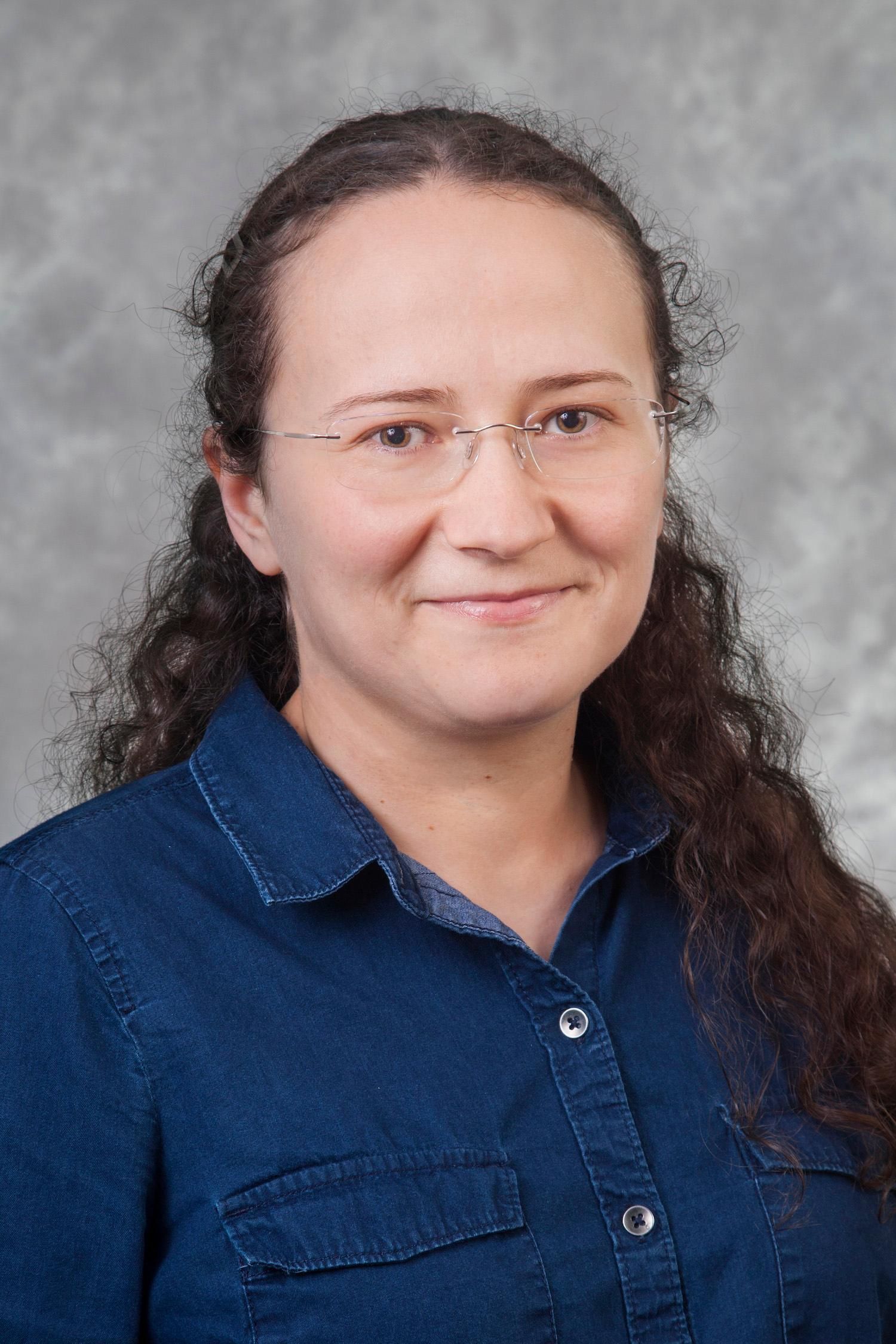
Dr. Wiltrud Lederle serves as a research group leader at the Institute for Experimental Molecular Imaging within the Medical Faculty of RWTH Aachen University. She earned her PhD from the University of Hohenheim following doctoral work at the German Cancer Research Center (DKFZ) in Heidelberg, and conducted postdoctoral research at DKFZ from 2003 to 2008 before joining RWTH Aachen University in 2008. She completed her habilitation at the Medical Faculty of RWTH Aachen University in 2019, establishing her qualification for a professorship in the German academic system. Dr. Lederle's research program centers on understanding tumor-microenvironment interactions through advanced imaging techniques. Her laboratory investigates: The influence of the microenvironment on tumor progression and metastasis Mechanisms of tumor angiogenesis and immune responses Stromal activation during tumor development Non-invasive imaging of stromal remodeling in tissue repair and organ inflammation Development of innovative imaging technologies for cancer research She employs multiple imaging modalities including molecular ultrasound, photoacoustic imaging, MRI, and optical techniques to visualize biological processes in real-time. Her work spans multiple disease areas including colorectal cancer, breast cancer, and various liver conditions, with particular emphasis on angiogenesis, immune responses, and stromal interactions. A significant trend in her recent publications involves developing and validating novel imaging biomarkers for monitoring therapeutic responses and investigating combination therapies targeting both tumor cells and their supportive microenvironment. Dr. Lederle leads the research group 'Tumor Progression and Metastasis' at RWTH Aachen University with continuous funding from major German research agencies including the German Research Foundation (DFG) and the Federal Ministry of Education and Research (BMBF), as well as through industrial partnerships. Her collaborative research program demonstrates strong translational potential, bridging basic science with clinical applications in cancer diagnosis and treatment monitoring.