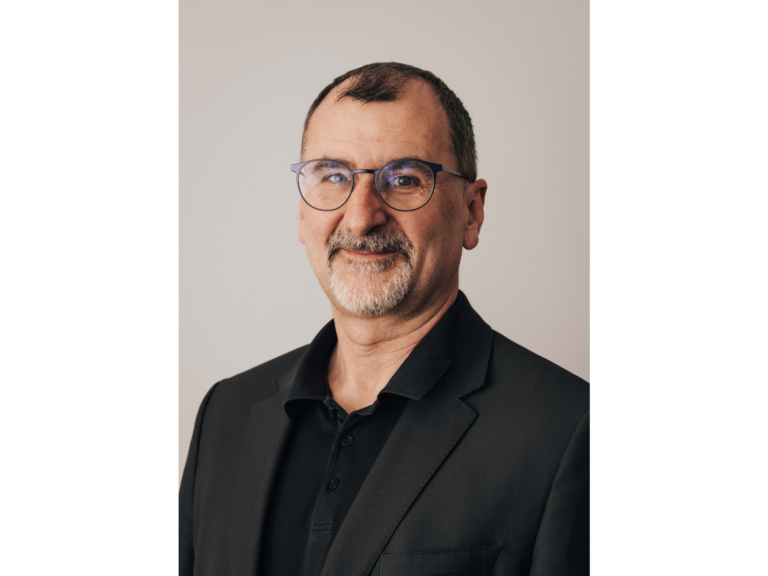
Michael Charlesمشاهده پروفایل
استادیار
Dr. Michael Charles is an Assistant Professor in the Department of Biological and Environmental Engineering at Cornell University, holding affiliate status in the American Indian and Indigenous Studies Program (AIISP) and serving as a Faculty Fellow at the Cornell Atkinson Center for Sustainability. He is also a Cornell Provost’s New Faculty Fellow (2024) and an Engaged Faculty Fellow (2024). His research focuses on computational sustainability frameworks, integrating dynamic ecological models with community-centered approaches, particularly through partnerships with Indigenous nations. He advocates for Indigenous rights in UN climate negotiations and emphasizes reciprocity and balance in environmental engineering. Charles earned his B.S. in Chemical and Biomolecular Engineering (CBE) from Cornell University and his M.S. and Ph.D. in CBE from The Ohio State University. His postdoctoral work at the Newark Earthworks Center analyzed historical ties between Land Grant Universities and Indigenous dispossession. His lab collaborates on projects such as the NORDvik database in Nunavik and participatory system dynamics modeling to address food systems inequities. He advises graduate students Lesedi Kgatla, Parsa Khayatzadeh, and Ashira Mawji, along with undergraduate researchers Pranati Patnam, Peter Thais, and Jeffrey Wang. Key research themes include spatially explicit nature-based solutions, ecosystem services for public health and well-being, and re-evaluating computing’s sustainability via the Food-Energy-Water nexus. His work bridges institutional science with Indigenous knowledge systems, aiming to transform policy and practice through actionable research. Notable awards include the 2025 Community-Engaged Practice and Innovation Award for his impactful collaborations. Advising and advocacy efforts span mentoring Indigenous STEM students and advancing equity in food systems through initiatives like the Chicago convening on racism in food systems. His lab’s partnerships with Attaniuvik, Laval University, and other institutions exemplify his commitment to community-driven science. Future work involves expanding NORDvik’s consultation workshops and deepening system dynamics models that center racial equity in environmental decision-making.