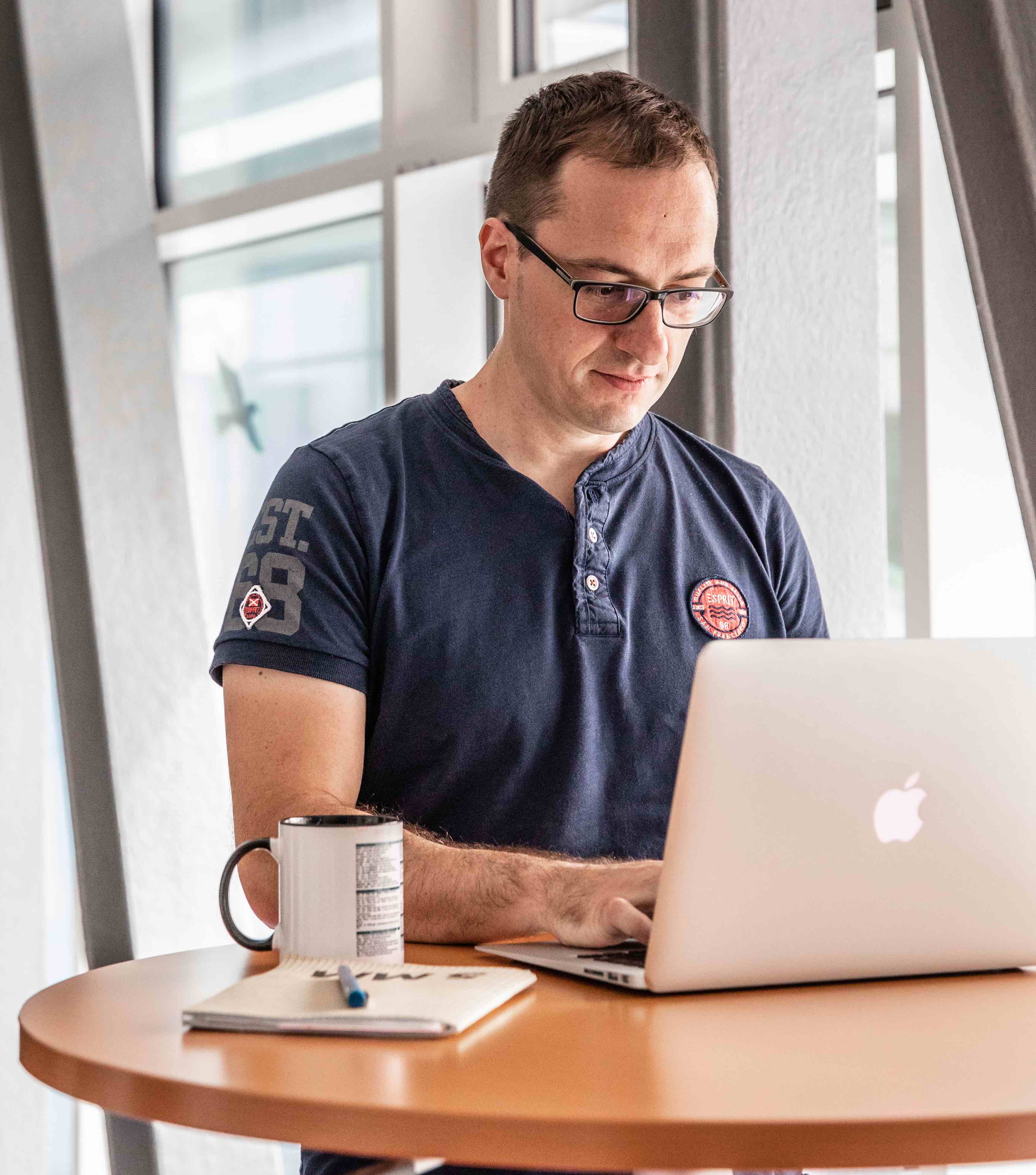
Prof. Dr. Anthimos Georgiadis is a faculty member at Leuphana University Lüneburg's Institute for Production Technology and Systems. His research focuses on advanced manufacturing technologies, production systems, and industrial applications. Georgiadis leads projects in areas including material processing, manufacturing optimization, and industrial diagnostics. Recent publications demonstrate strong emphasis on applied engineering solutions, particularly in bearing dynamics diagnostics using machine learning, surface quality optimization, and medical positioning systems. His work consistently integrates theoretical modeling with experimental validation across mechanical, materials, and medical engineering domains. Technical contributions span predictive maintenance algorithms, manufacturing process improvements, metrology innovations, and healthcare technology development, reflecting interdisciplinary approaches to industrial challenges.
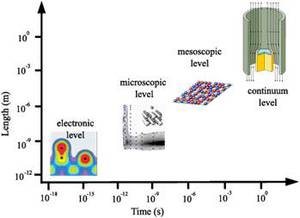
Prof. Dr. Matthias Scheffler is the Director of the Theory Department at the Fritz-Haber-Institut der Max-Planck-Gesellschaft. His research focuses on predictive multiscale modeling in catalysis and energy conversion, integrating electronic structure theory, kinetic Monte Carlo simulations, and machine learning. He leads a diverse team (25+ nationalities) exploring processes in catalysts and energy devices. Research Interests: Computationally modeling materials properties, electrochemical interfaces, and energy conversion. Specializes in density-functional theory (DFT), ab initio methods, and data science for accelerating materials discovery. Current projects include understanding electron spillover effects in electrocatalysis and developing self-driving labs for catalysis research. Recent Highlights: Pioneered the Automatic Process Explorer (APE) for atomic dynamics analysis, revealed quantum mechanical electron spillover in water interfaces, and secured funding renewal for the e-conversion Cluster of Excellence. Collaborates with institutions like TU Berlin, FZ Jülich, and Brown University. Labs/Teams: Heads the Theory Department with subgroups like Light-Matter Interactions (Dr. Matthias Kick) and Machine Learning Interatomic Potentials (Dr. Hendrik Heenen). Hosts retreats and international collaborations, including EU-funded projects and Humboldt Professorships.
Prof. Dr. Christian Gawron is a Professor of Internet Technologies at the University of Applied Sciences Südwestfalen since 2019. He leads the Master's program in Applied Computer Science and has held roles as Department Head and Practice Group Leader at IBM Global Business Services (2014–2018), focusing on Watson AI, chatbots, and text mining. Previously, he was a Senior IT Architect at IBM (1999–2014), specializing in business process digitalization for the insurance sector. He earned his Dr. rer. nat. in 1999 with a dissertation on Simulation-Based Traffic Assignment , and held research roles at the Center for Applied Computer Science (ZAIK) and the Universities of Cologne and Bonn. His research spans internet technologies, software engineering, natural language processing (NLP), and traffic simulation. His academic journey includes a physics degree from the Universities of Cologne and Bonn (1989–1995). His work bridges theoretical computer science and practical AI applications, including projects like BERT-DE-NER for NLP and traffic simulation models for large networks. He advises students on theses and projects, emphasizing real-world applications of technology. Prof. Gawron’s research trends reflect a shift from foundational traffic simulation (1990s) to modern AI-driven solutions (2020s), with notable contributions to transformer models and toxic comment detection. His IBM experience underscores practical IT architecture and AI implementation. Consultations are arranged via Calendly or email. He is a prolific researcher, with key contributions in traffic flow theory (e.g., dynamic user equilibrium algorithms) and NLP (e.g., BERT-based models). His work frequently addresses interdisciplinary challenges, such as environmental impact modeling in traffic simulations (FVU cooperative, 1998). Advising & Grants: Supervised numerous theses in internet technologies and AI. Prior IBM projects included grants for AI-driven insurance process optimization and real-time traffic simulation infrastructure. Labs/Teams: Leads the Internet Technologies research group at FH Südwestfalen, collaborating with industry partners on AI and NLP applications.
Dr. Alex Mitrevski is a Lecturer and postdoctoral researcher at the Institute for Artificial Intelligence and Autonomous Systems (A2S) at Hochschule Bonn-Rhein-Sieg (H-BRS). He completed his PhD in Knowledge-Based Systems at RWTH Aachen University, with a focus on robot action transparency and introspection. His research emphasizes cognitive robotics, lifelong learning, and robots' ability to adapt to human-centered environments. Education: PhD in Knowledge-Based Systems (RWTH Aachen University/H-BRS) Research Interests: His work spans knowledge representation, robot fault detection, simulation-based learning, and assistive robotics. He aims to develop service robots that enhance everyday human life through personalized interactions and robust failure analysis. Projects: KEROL : Developing simulation-based environments for robot skill evaluation. MigrAVE : Creating assistive technologies for children with Autism Spectrum Disorder. ROPOD : Innovating cost-effective autonomous logistics solutions. Advising & Grants: Supervised over 20 master's theses and R&D projects on topics like robot learning, fault diagnosis, and natural language processing. Actively involved in grant-funded initiatives for robotics deployment and therapy applications. Labs & Teams: Leads research at the A2S Institute, collaborating on interdisciplinary projects in cognitive robotics and autonomous systems.
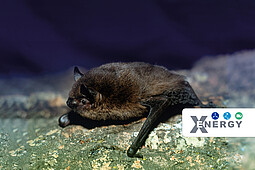
Prof. Veit Dominik Kunz is a Professor of Electrical Engineering and Renewable Energy at the Department of Process Engineering, Hamburg University of Applied Sciences. His academic role includes teaching and research in advanced electrical systems, power electronics, and renewable energy technologies. He is affiliated with the Faculty of Engineering and Computer Science and leads research projects such as FLEDERWIND (focusing on bat detection in wind parks) and Drones4Bats (wildlife impact assessment). His expertise spans semiconductor device design, nanotechnology, and strategic product development. Research interests include optimizing renewable energy systems, mitigating environmental impacts of wind energy, and advancing semiconductor technologies for high-performance electronics. His work bridges academic research with practical applications, particularly in energy management and sustainable technologies. Publications highlight contributions to vertical MOSFET design, renewable energy systems, and product development strategies. He is also involved in academic governance as head of the examination committee for his department.
Andreas Nüchter is a Professor and Chair of Robotics at Julius-Maximilians-University Würzburg (Germany), leading the Chair of Computer Science XVII. He holds additional roles including Visiting Chair at ENSTA - Institut Polytechnique de Paris, Dean of Studies at the Institute of Computer Science, and Vice President of Zentrum für Telematik e.V. His research focuses on robotics, 3D reconstruction, SLAM, and sensor systems for autonomous systems. He has authored influential papers in IEEE Transactions on Robotics, Acta Astronautica, and robotics conferences like ICRA and IROS. Education: Not explicitly detailed in text, but inferred through academic roles. Research Interests: Robotics, computer vision, sensor fusion, autonomous systems, 3D reconstruction, and space robotics applications. His work emphasizes real-time systems, planetary exploration, and open-source software frameworks like SceneFactory and libBICOS. Recent projects include CNN-based spacecraft pose estimation, spherical mobile mapping systems, and radar SLAM (RIV-SLAM). Advising & Grants: Mentors a team including MSc/BSc students (e.g., Luca Anteunis, Fabian Arzberger). Involved in grants related to robotics, mining automation (AMADEE-24), and space exploration. Collaborates with institutions like NASA (CADRE lunar rovers) and Fraunhofer IPM. Labs/Teams: Leads the Robotics Lab at JMU, develops spherical robots for planetary missions, and maintains open-source libraries (libBICOS, SceneFactory). Active in projects like AMADEE-24 Mars simulation for human-robot interaction.
Frieder Enzmann is an Associate Professor and Academic Director at the Institute of Geosciences, Johannes Gutenberg University Mainz. He leads the Computed Tomography Laboratory (currently out of service) and oversees projects like HyINTEGER, ReSKIN, ReSALT, ReSKIN_Move, BIOPORE, MABEIS I/II, and others. His research focuses on geophysical imaging, porous media dynamics, and subsurface processes using advanced computational and tomographic techniques. Research Interests: Computed tomography (CT) applications in geosciences Pore-scale modeling of fluid flow and mineral precipitation Rock physics and reservoir characterization Geomorphological hazards (e.g., landslides, debris flows) Climate-related studies involving ice dynamics and sediment flux Projects highlight interdisciplinary collaboration, such as analyzing rockfall risks in Rhineland-Palatinate and modeling geothermal dynamics in flooded mines. His work bridges geology, engineering, and computer science, with applications in energy storage and environmental risk assessment. Publications span over 20 years, with recent emphasis on AI-driven image analysis and pore-scale simulations. He collaborates internationally on projects like HyINTEGER (hydrogen storage) and ReSalt (reactive reservoir systems).
Dr. Tilmann E. Kuhn is the Deputy Head of the Department Energy Efficient Buildings at Fraunhofer ISE, specializing in energy-efficient building systems and solar technologies. He holds a PhD in Physics from the National and Kapodistrian University of Athens and has been with Fraunhofer ISE since 1999. His research focuses on building-integrated photovoltaics (BIPV), solar thermal systems, and smart building technologies. He has led the Solar Building Envelope Group (2004-2022) and coordinated numerous national and international projects. His work emphasizes interdisciplinary collaboration, standardization, and practical implementation of renewable energy solutions. Education: PhD in Physics: Design, Development, and Testing of Innovative Solar-Control Facade Systems (University of Athens) Studies in Physics (University of Heidelberg) Research Interests: Dr. Kuhn’s work spans BIPV integration, thermal performance of building envelopes, and digital tools for energy-efficient design. His innovations include anti-glare PV modules, solar thermal facade systems, and semantic web-based building data frameworks. He advocates for standardized methodologies to bridge research and industry needs, ensuring practical adoption of sustainable technologies. Projects & Grants: He has coordinated projects like SolConPro and contributed to initiatives like BIPV Baden-Württemberg . His teams develop prototypes (e.g., MorphoColor PV modules) and testing protocols (e.g., GWERT-TRACKER) to advance BIPV and solar thermal applications. Labs & Teams: His division collaborates across Fraunhofer ISE’s R&D infrastructure, focusing on energy-efficient building systems, materials science, and digital simulation tools. Key areas include facade innovation, thermal management, and interdisciplinary energy solutions.
Jan Wilhelm is a Researcher and leader of the Emmy Noether Independent Junior Research Group at the University of Regensburg's Institute for Theoretical Physics. His work focuses on ultrafast electron dynamics and computational methods for electronic structure theory, addressing gaps between experimental capabilities and theoretical predictions in ultrafast processes. He develops low-scaling algorithms for GW calculations to simulate systems with thousands of atoms, enabling studies of materials like 2D heterobilayers and moiré structures. His research intersects quantum technologies, photovoltaics, and nonlinear optics, with collaborations on high-harmonic generation and ultrafast microscopy. Funded by the German Research Foundation (DFG), his work bridges theory and experiment, aiming to understand femtosecond-scale phenomena in materials. Education: Studied physics and mathematics at Karlsruhe Institute of Technology, with a doctorate in theoretical chemistry from the University of Zurich. Prior industry experience in chemical optimization provided insights into applied vs. fundamental research. Research highlights include the development of CUED software for ultrafast dynamics simulations and contributions to the CP2K package. Key projects include ultrafast laser-driven electron dynamics, topological insulator studies, and collaborations with experimental groups at RUN. Future directions involve leveraging the Regensburg Center for Ultrafast Nanoscopy (RUN) to explore uncharted phenomena at atomic scales. Teaching: Lectures on computational methods for nanoscience and condensed matter excitations. Supervised students like Max Graml, who received the Brigitta and Oskar Braumandl Prize.
Marlon Dumas is a leading researcher in business process management and process mining at the University of Tartu, Estonia. With over 467 publications spanning from 1997 to 2025, his work has significantly advanced methodologies in business process analysis, simulation, and optimization. His research bridges theoretical foundations with practical applications, developing tools and frameworks that enable organizations to analyze and optimize operational processes. Dumas's primary research interests include business process management, process mining, business process simulation, prescriptive process monitoring, and data-aware business processes. He has pioneered methods for modeling resource availability, activity delays, and waiting times in business processes. His work on prescriptive process monitoring addresses critical challenges such as resource constraints, uncertainty in predictions, and causal effect estimation for interventions. Recent publications reveal a strong trend toward integrating artificial intelligence with business process management, particularly exploring the application of large language models to process optimization, monitoring, and redesign tasks. His research demonstrates consistent innovation, with publications appearing in top venues including Information Systems, Data & Knowledge Engineering, and the International Conference on Business Process Management. Dumas has developed several influential tools including SIMOD for automated discovery of business process simulation models, Optimos for simulation-driven process optimization, and Kairos for prescriptive monitoring. His collaborative network is extensive, featuring frequent co-authorship with prominent researchers including Marcello La Rosa, Luciano García-Bañuelos, Fabrizio Maria Maggi, and Wil M. P. van der Aalst. His work on privacy-preserving process mining, particularly regarding differentially private release of event logs, addresses critical challenges in applying process mining techniques while maintaining data privacy and compliance with regulations like GDPR. Dumas's research continues to push boundaries, with recent work exploring the integration of large language models with business process management systems, suggesting an ongoing commitment to advancing the field through innovative applications of emerging technologies.
Prof. Ofer Tchernichovski is a Professor in the Department of Psychology at Hunter College, CUNY. He specializes in cultural evolution, social learning, and vocal learning in birds and humans, focusing on mechanisms underlying song learning and cultural transmission. His lab investigates how birds' communication signals shape stable polymorphic cultures and explores applications in designing agile communication systems. He holds a PhD in Zoology from Tel Aviv University. His research spans behavioral neuroscience, developmental processes, and interdisciplinary studies with computational models. He has collaborated on virtual world experiments to study collective intelligence and governance challenges. Tchernichovski’s work bridges animal behavior, cognitive psychology, and neuroscience, contributing to understanding vocal learning and cultural dynamics in both birds and humans. Education: PhD, Department of Zoology, Tel Aviv University. Current Research: Cultural evolution of bird song, social learning dynamics, and neural mechanisms of vocal production. His lab uses zebra finches to study how vocal learning is influenced by auditory experience and social interaction. Recent projects include experiments on online governance and the role of sleep in developmental learning. He also explores applications of social force analysis to design stable communication systems. Key Projects: Laboratory of Social Learning & Cultural Evolution (Hunter College), collaborations on virtual world experiments (e.g., ferry game simulations for collective intelligence), and studies on dopaminergic systems in avian monogamy. His work integrates field studies, neuroimaging, and computational modeling.
Christian Hilbe is a Professor of Game Theory and Evolutionary Dynamics at the Interdisciplinary Transformation University (Linz, Austria) and former Max Planck Research Group Leader at the Max Planck Institute for Evolutionary Biology (Plön, Germany). His work focuses on modeling social behavior, cooperation mechanisms, and evolutionary game theory. He holds a PhD in Mathematics from the University of Vienna, with postdoctoral research at Harvard University, IST Austria, and the Max Planck Institute. Research interests include the evolution of cooperative strategies, direct/indirect reciprocity, and the impact of environmental change on social learning. His studies combine mathematics, computer simulations, and behavioral experiments to analyze how strategic behaviors spread in populations. Recent publications (2024-2025) explore topics such as collective intelligence, memory-driven cooperation, and the co-evolution of social norms. His work emphasizes the role of memory capacity, payoff structures, and population dynamics in sustaining cooperation across diverse social dilemmas. Notable collaborations include projects on asymmetric interactions, opinion synchronization effects, and the computational evolution of norms in structured populations. His research bridges theoretical frameworks with empirical observations to address fundamental questions in evolutionary social science.
Wieland Dietrich is a Researcher and Research Coordinator at the Max Planck Institute for Solar System Research (MPS) , affiliated with the Planetary Science Department. His expertise lies in planetary dynamics, particularly the magnetic fields and atmospheric flows of exoplanets like Hot Jupiters, as well as convection processes in planetary cores and gas giants. Education & Employment : PhD in Physics (2009-2012): IMPRS program at MPS, Katlenburg-Lindau Postdoctoral Research Fellow (2013-2019): University of Leeds (School of Applied Mathematics) and MPS Current roles since 2022: Research Coordinator at MPS Research Focus : Investigates dynamo processes, zonal winds, and satellite measurement correlations with planetary interiors. Recent work emphasizes Hot Jupiter atmospheres and gravity dynamics of gas giants like Jupiter. Publications : Focused on exoplanet magnetism, zonal wind mechanisms, and computational models of planetary convection. Key contributions include studies on KELT-9b's magnetic fields and Jupiter's gravity moments. Awards : None explicitly mentioned in the provided texts. Labs & Teams : Active within the Planetary Science Department at MPS, contributing to interdisciplinary research on solar system and exoplanetary dynamics.
Herbert Dawid is a Professor of Economic Theory and Computational Economics at the Faculty of Business and Economics , Bielefeld University , Germany. He holds multiple roles including Chair Holder, Subproject Manager for SFB 1283, and Founding Director of the Center for Uncertainty Studies (CeUS) . His research focuses on Computational Economics , Agent-Based Modeling , and Innovation Dynamics , with emphasis on uncertainty management and digitalization. Current Appointments Professor (W3), Faculty of Business and Economics, Bielefeld University (since 2010) Subproject Manager, SFB 1283 (Innovation Dynamics in Market Uncertainty) Founding Director, Center for Uncertainty Studies (CeUS) Research Themes Digitalization and Intelligent Products Investing Under Uncertainty Agent-Based Modeling in Economics Dynamic Analysis of Economic Policy Control Theory and Differential Games His work spans economic policy modeling , technological innovation , and financial constraint analysis , with notable publications on AI integration in economic systems and autonomous vehicle policy frameworks. He contributes to interdisciplinary initiatives like AI*IM (Interactive Inclusive AI for People with Cognitive Disabilities) through economic expertise.
Roman Vaculín is a Researcher at IBM Research, focusing on interdisciplinary domains where artificial intelligence, blockchain technologies, and data-centric workflows converge. His work spans automated machine learning, time series analysis, and secure computation via cryptographic methods like homomorphic encryption. Affiliation: IBM Research Key research areas: Time Series Analysis, Blockchain, AI Explainability, Business Process Management Across his publications, Vaculín explores: Time Series Modeling: Developing robust frameworks like TsSHAP and end-to-end architectures for forecasting and imputation. Blockchain Applications: Designing trusted AI systems, secure multi-party computation, and verifiable simulations. Automated Machine Learning: Creating toolkits for industrial AI explainability and automation. Privacy-preserving Techniques: Optimizing encrypted inference and secure decision tree protocols. His methodology often integrates formal verification with practical implementations, emphasizing efficiency and interpretability in complex systems. While no formal awards or students are documented in the provided data, his collaborative publications with institutions like IBM Research and academic partners highlight his role in advancing applied AI research.