- Synaptic Plasticity
- Neuroscience
- Structural Plasticity
- +۱۳ مورد دیگر
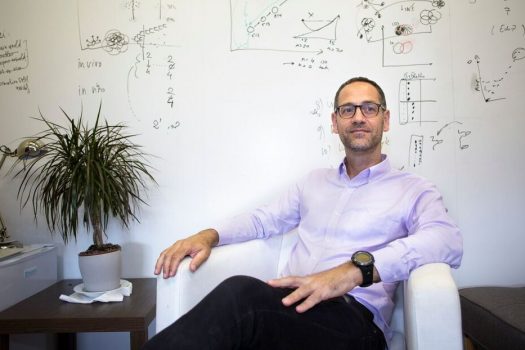
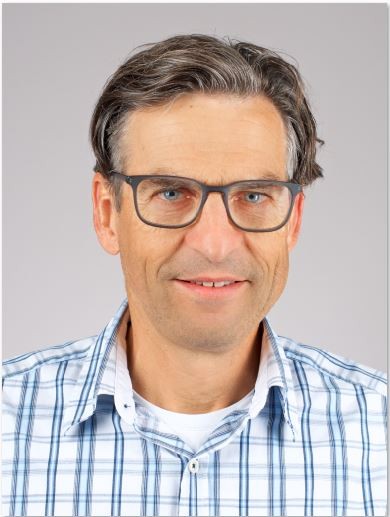
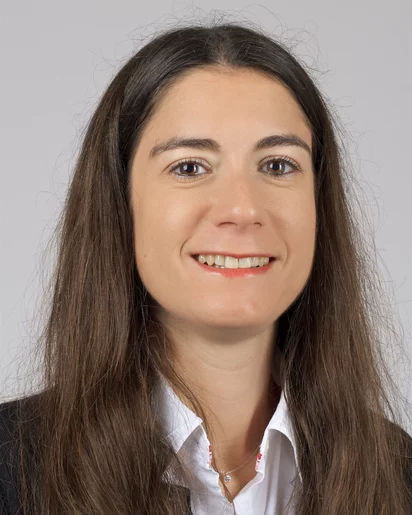
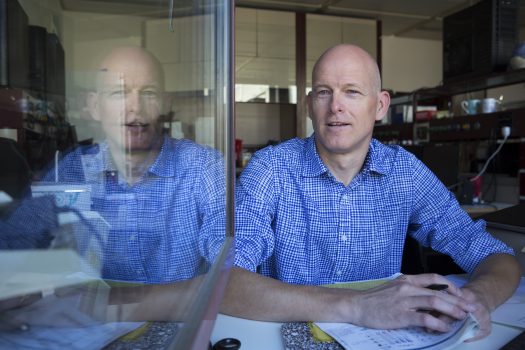
Anthony Holtmaat is a Professor and Group Leader in the Faculty of Medicine at the University of Geneva. He leads a research laboratory focused on synaptic plasticity and cortical network dynamics in the adult brain, utilizing in vivo imaging and molecular techniques in transgenic mouse models. Research Interests: His work centers on understanding how synaptic connectivity changes in response to experience and learning. Using longitudinal in vivo two-photon microscopy, his lab investigates dendritic spine and axonal bouton dynamics, synapse formation and elimination, and the molecular stability of synaptic proteins. His research integrates structural and functional analyses to explore how neural circuits adapt during sensory processing, memory formation, and aging. Recent Research Trends: His latest publications reveal a strong focus on thalamocortical feedback mechanisms, sensory-evoked cortical plasticity, and the regulation of neuronal excitability through metabotropic glutamate receptors. A landmark study generated a comprehensive atlas of synapse protein lifetimes across the mouse brain, linking synaptic stability to brain development, aging, and neurodevelopmental disorders such as autism and schizophrenia. Scientific Awards: No specific awards mentioned in the provided text. Advising and Grants: He mentors a diverse team of postdoctoral researchers, PhD candidates, and technicians, indicating active supervision and training. His research is supported by competitive funding, as evidenced by publications in high-impact journals and collaborations with international teams. The mention of NIH funding (R01 MH060919) in a co-authored paper suggests involvement in externally funded research projects. Laboratory and Team: His lab at the CMU (Centre Médical Universitaire) in Geneva includes多名 researchers such as Tanika Bawa, I-Wen Chen, and Ronan Chereau, working on various aspects of synaptic and circuit plasticity. The team employs cutting-edge techniques including two-photon calcium imaging, optogenetics, viral tracing, and advanced data analysis to dissect neural circuit function.