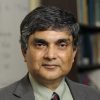
Jan Cieciuch is a university professor at the Faculty of Christian Philosophy of the John Paul II Catholic University of Lublin (UKSW). His research focuses on personality psychology, values, developmental processes, and well-being, with a particular emphasis on the interplay between personality traits, values, and psychopathology. He has contributed extensively to cross-cultural studies on value systems, temperament dimensions, and attachment theories. His work integrates theoretical frameworks like the Circumplex of Personality Metatraits and the refinement of diagnostic tools for personality disorders (e.g., PiCD for ICD-11). Key areas of expertise include the validation of psychometric scales (e.g., SIFS-PL, LPFS-SR), the relationship between personality functioning and mental health systems, and the dynamics of value development in adolescents. With 134 publications and an h-index of 26 (Web of Science), his research spans clinical, developmental, and social psychology, emphasizing practical applications in education and healthcare systems. His articles often explore interconnected themes such as the structural foundations of personality disorders, the role of values in perception and behavior, and the cultural context of emotion regulation strategies. He collaborates internationally, contributing to global efforts in standardizing personality assessments and advancing theoretical models in psychological taxonomy.
Bartosz Grzybowski serves as Distinguished Affiliate Professor at the Institute of Organic Chemistry, Polish Academy of Sciences (PAS), leading the Laboratory of Computer-Assisted Synthesis. His work bridges artificial intelligence and experimental organic chemistry to transform synthesis from trial-and-error into algorithmic science. His research focuses on AI-driven synthesis planning , reaction network analysis , and computational prediction of chemical properties . Key contributions include pioneering algorithms for multistep organic synthesis of complex targets, discovery of novel organic reactions through AI, and design of temporally/spatially synchronized reaction networks. His group develops methods for sustainable chemistry, drug analog design, and enzymatic process optimization. Analysis of his 2023-2025 publications reveals dominant trends in retrosynthetic AI (87% of articles), sustainable chemistry applications (63%), and integration of mechanistic understanding with machine learning. Work frequently appears in Nature , Science , and JACS , emphasizing experimental validation of computational predictions. Prof. Grzybowski currently advises three PhD students and collaborates with a multidisciplinary team: Core team : Assoc. Prof. Michał Michalak (Adjunct), Dr. Anna Żądło-Dobrowolska, Dr. Aleksei Koshevarnikov Active grant : NCN SONATA 2020/39/D/ST4/01890 on hazardous chemical degradation (PI: Żądło-Dobrowolska) The Laboratory of Computer-Assisted Synthesis operates as an integrated computational-experimental unit at IBS-IOC PAS. Current projects include blockchain-orchestrated reaction networks, AI-guided catalyst selection, and metabolic-cycle emulation. The group maintains strong industry/academic partnerships for validating algorithms in drug discovery and green chemistry applications.
Professor Jacek Banasiak holds a prestigious DST/NRF SARChI Chair in Mathematical Models and Methods in Biosciences and Bioengineering at the University of Pretoria, Department of Mathematics and Applied Mathematics. He also maintains strong academic ties with Lodz University of Technology in Poland where he serves as a research professor in the Department of Mathematical Modeling. His career spans several decades with extensive contributions to mathematical modeling, particularly in population dynamics, fragmentation-coagulation processes, and epidemiological modeling. Professor Banasiak's research interests center on mathematical modeling of biological and physical processes, with particular expertise in singular perturbation theory, semigroup theory, and transport equations on networks. His work bridges theoretical mathematics with practical applications in epidemiology, ecology, and population biology. He has developed sophisticated mathematical frameworks for understanding fragmentation-coagulation phenomena, malaria transmission dynamics, and savanna ecosystem modeling. His publication record shows a consistent trajectory of high-impact research, with recent work focusing on climate-based malaria models, multiscale epidemiological systems, and mathematical analysis of growth-fragmentation equations. His publications appear in top-tier journals across mathematical analysis, epidemiology, and mathematical biology fields, demonstrating the interdisciplinary nature of his work. DST/NRF SARChI Chair in Mathematical Models and Methods in Biosciences and Bioengineering Author of numerous influential publications spanning from 1984 to 2025 Editor of special issues and author of several books including 'Introduction to Mathematical Methods in Population Theory' (2025) Professor Banasiak has supervised over 15 PhD students, many of whom have gone on to successful academic careers. His mentoring spans topics including fragmentation-coagulation with transport effects, telegraph systems on networks, and mathematical modeling of malaria transmission. His research has attracted significant funding, particularly through his SARChI Chair position which supports advanced mathematical research in biosciences and bioengineering.
Daria Hemmerling , PhD, Eng., is a Lecturer at the Department of Metrology and Electronics under the Faculty of Electrical Engineering, Automatics, Computer Science and Biomedical Engineering at AGH University of Science and Technology in Kraków. Her research focuses on the intersection of biomedical engineering, voice analysis, and artificial intelligence, particularly for neurological and cardiovascular disease diagnostics. Research Interests : Applying mixed reality and AI for Parkinson’s disease assessment Voice/speech biomarkers for heart failure and neurodegenerative disorders Deep learning techniques in medical imaging (e.g., skull segmentation/reconstruction) Haptic feedback systems for multisensory interaction Simulation training in electrophysiology education Unsupervised learning and modality translation in biomedical signal processing Scientific Trends : Her recent work emphasizes multimodal diagnostic systems integrating voice analysis, VR/MR visualization, and deep learning. She explores explainable AI for medical classification tasks, data augmentation strategies, and innovative haptic/gamification interfaces.
Igor Wojnicki is a Professor at AGH University of Science and Technology's Faculty of Electrical Engineering, Automatics, Computer Science and Biomedical Engineering, where he serves as Vice-Dean of the Faculty of Cooperation and Education. His primary affiliation is with the Department of Applied Informatics, where he maintains an active research laboratory focused on knowledge engineering and smart systems. His research spans multiple domains with evolving focus: Early career: Deductive databases and rule-based inference engines (PhD thesis on "A Rule-based Inference Engine Extending Knowledge Processing Capabilities of Relational Database Management Systems") Mid-career: Graph-based knowledge representation and Tabular Trees (XTT predecessor) Current focus: Smart city applications, particularly energy-efficient lighting control systems and graph-based urban data integration His recent publications demonstrate a clear trajectory toward applied urban computing, with over 15 significant papers in the last five years addressing smart city infrastructure optimization. Key themes include dynamic street lighting control, graph-based computational methods for urban environments, and energy conservation in public infrastructure. Wojnicki actively contributes to academic-practical collaboration through initiatives like the Green AGH Campus Project and IBM academic partnerships. His technical leadership includes development of the ReDaReS system for relational database knowledge processing and the Jelly View technology for advanced database queries. His laboratory maintains strong industry connections, particularly with IBM through student internship programs and technology transfer initiatives. The team produces both theoretical frameworks and practical implementations, with notable outputs including the Osiris GUI system and Magellan GPS software for Poland.
Robert Sitnik is a Professor and Dean of the Faculty of Mechatronics at Warsaw University of Technology, where he is affiliated with The Institute of Micromechanics and Photonics. He earned his Doctorate in 2002 and has established himself as a leading researcher in 3D optical measurement techniques and applications. His research focuses on 3D light measurement, optical shape analysis, structured light techniques, and 3D data processing with applications spanning cultural heritage documentation and medical imaging. As the leader of the 3D/4D Optical Surface Measurement Team, he has pioneered innovative approaches to surface measurement and documentation. His work demonstrates strong interdisciplinary connections between mechanical engineering, computer vision, and practical applications in both cultural preservation and healthcare. His research has led to significant advancements in 3D scanning technologies, particularly for human body analysis and cultural heritage conservation. His publications reveal a consistent research trajectory focused on improving accuracy, efficiency, and applicability of 3D measurement systems. His scientific impact is evidenced by 159 publications, an h-index of 18 in Scopus and 17 in Web of Science, and 103 promoted theses. His research has been supported by 22 projects, resulting in 1 patent and substantial contributions to both academic knowledge and practical applications. As an academic leader, he has supervised numerous students and researchers, contributing significantly to the development of expertise in optical measurement technologies. His work bridges theoretical research with real-world applications in medical diagnostics, cultural heritage preservation, and industrial measurement systems.
Dr. hab. Magdalena Skurzok is an Associate Professor at Jagiellonian University in Krakow, Poland, affiliated with the Faculty of Physics, Astronomy and Applied Computer Science. She conducts research in nuclear physics with a focus on exotic nuclear matter, particularly mesic nuclei and mesonic atoms. Her work bridges fundamental particle physics with practical medical applications through advanced detector systems including the J-PET scanner and SIDDHARTA-2 apparatus. Her educational background includes: Habilitation thesis: "Investigation of exotic nuclear matter in the form of mesic nuclei and mesonic atoms" (2024) Doctoral thesis: "Search for eta-mesic helium via dd -> 3Henpi0 reaction by means of the WASA-at-COSY facility" (2016) Diploma thesis: "Feasibility study of eta-mesic nuclei production by means of the WASA-at-COSY and COSY-TOF facilities" (2010) Dr. Skurzok's research primarily focuses on nuclear physics, particularly the investigation of exotic nuclear matter in the form of mesic nuclei and mesonic atoms. Her work explores the bound states of the eta meson with light atomic nuclei and kaon atoms, contributing to our understanding of strong interactions in nuclear systems. She is also involved in PET tomography research, developing novel imaging techniques with applications in medical diagnostics. Her experimental work utilizes advanced detector systems including the J-PET scanner and the SIDDHARTA-2 apparatus at the DAFNE collider. Analysis of Dr. Skurzok's recent publications reveals a strong focus on kaonic atoms research, precision X-ray spectroscopy, and PET imaging technology development. Her work bridges fundamental nuclear physics with practical medical applications, particularly in brain imaging and cancer diagnostics. The interdisciplinary nature of her research connects particle physics, nuclear spectroscopy, and medical imaging technologies. Dr. Skurzok is actively involved in several major research collaborations: SIDDHARTA-2 experiment at DAFNE collider for kaonic atoms research J-PET collaboration developing novel PET imaging technology AMADEUS experiment investigating low-energy K- interactions with nuclei WASA-at-COSY facility for mesic nuclei research Her laboratory work primarily involves the SIDDHARTA-2 apparatus for X-ray spectroscopy of kaonic atoms and the J-PET scanner for positron emission tomography. These advanced detector systems enable precision measurements of exotic nuclear phenomena and innovative medical imaging applications. Dr. Skurzok's research group collaborates extensively with international institutions including CERN, GSI, and various European research centers.
Dr. Piotr Dragon is an Assistant Professor at the Department of Social Psychology, Institute of Psychology, Jagiellonian University , and a member of the Centre for Social Cognitive Studies in Kraków. He holds dual degrees in Psychology (2010) and Sociology (2011) from Jagiellonian University, with a doctorate in Psychology (2015).
Andrzej Buszko is a Professor at the University of Warmia and Mazury in Olsztyn , affiliated with the Department of Finance under Economic Sciences. He specializes in Economics and Finance, with a focus on the shadow economy, institutional economics, and financial systems. His research spans tax optimization, informal economic activity, and quality management in construction industries. Academic Rank: Professor University: University of Warmia and Mazury in Olsztyn Department: Department of Finance Contact: buszko@uwm.edu.pl Research Interests: Dr. Buszko investigates the shadow economy (tax evasion, informal labor markets), financial systems (optimal currency zones, exchange rates), and institutional economics (quality management, intellectual capital). His work often intersects with political economy (populism’s role in informality) and development economics (FDI in post-transition states). Publication Trends: Over 15 years, his research emphasizes Economics and Finance , with recurring sub-fields like Shadow Economy , Tax Efficiency , Intellectual Capital , and Quality Management . Recent work (2025) explores tax optimization mechanisms in informal economies, building on earlier studies of corruption, FDI, and labor flexibility. Doctoral Supervision: Dr. Buszko has supervised 1 doctoral student and promoted 3 doctors. He welcomes both Polish and international candidates, focusing on topics like grey zone dynamics and financial systems. His department possesses infrastructure to support research in these areas.
Jan Majkutewicz serves as an Assistant lecturer at the Department of Computer Systems Architecture within the Faculty of Electronics, Telecommunications and Informatics at Gdańsk University of Technology. His academic position focuses on advancing computational methodologies in natural language processing and knowledge representation systems. His research spans Natural Language Processing, Machine Learning, and Knowledge Representation with specific expertise in Large Language Models and graph-based embeddings. Current work investigates human-AI alignment through historical text analysis and neural representations of semantic hierarchies. Methodological innovations include cost-effective preference dataset generation and category graph embedding techniques that preserve structural relationships in knowledge bases. Publication analysis reveals consistent specialization in NLP and knowledge representation. The 2025 EditPrefs framework leverages historical text edits to address dataset scarcity in preference learning, while the 2021 Wikipedia category embedding research demonstrates practical applications for taxonomy navigation and parent category prediction through neural graph representations.
Napoleon Waszkiewicz serves as a Professor in the Department of Psychiatry at the Faculty of Medicine with the Division of Dentistry and Division of Medical Education, Medical University of Bialystok, Poland, maintaining active research with over 375 publications documented in institutional repositories. His work bridges clinical psychiatry and biological mechanisms, emphasizing biomarker discovery across mental health conditions. Research interests center on psychiatric disorders with strong emphasis on addictions, autism spectrum disorder, depression, and inflammatory pathways. He investigates environmental interactions including seasonality effects, microplastic exposure from tobacco products, and gut-brain axis dynamics using metabolomics and biomarker analysis. Current projects explore neurodevelopmental impacts of omega-3 fatty acids, probiotic interventions for depression, and diagnostic criteria for behavioral addictions like gaming disorder. Analysis of his 2025 publications reveals thematic clustering around autism-related research (12 articles), depression-inflammation links (7 articles), and novel environmental risk factors (4 articles), demonstrating consistent focus on translational psychiatry through biomarker validation and mechanistic reviews. Methodologically, he favors metabolomics, narrative/systematic reviews, and clinical trial designs. Scientific awards: No specific honors, fellowships, or medals are documented in the provided profile information. Thesis supervision is indicated through the 'Promoted theses' section of his profile, though individual student names and grant funding details remain unspecified. Collaborative patterns show extensive co-authorship across Polish and international institutions, particularly in multi-center clinical trials and review articles spanning psychiatry, cardiology, and public health domains. Laboratory infrastructure and dedicated research teams are not explicitly described in the available text, though his metabolomics studies suggest access to biochemical analysis facilities. Current projects imply ongoing work in autism biomarker validation and microplastic toxicity assessment.
Jacob Fish holds the Rosalind and John J. Redfern Jr. Chair in Engineering at Columbia University's Department of Civil Engineering and Engineering Mechanics within the Fu Foundation School of Engineering and Applied Science. His research program focuses on computational mechanics and multiscale modeling with applications across material science and structural engineering. His research interests center on developing advanced computational frameworks for multiscale analysis of heterogeneous materials. Key areas include computational continua, atomistic-to-continuum coupling, fracture mechanics of composites, and thermomechanical modeling of advanced materials. His work bridges theoretical developments with practical engineering applications through reduced-order modeling and data-physics integration. His recent publications demonstrate strong trends in multiscale computational engineering, particularly in homogenization techniques, phase-field fracture modeling, and data-driven approaches for material behavior prediction. The research spans from atomistic simulations to structural-scale analysis with emphasis on computational efficiency and physical fidelity. Fellow, U.S. Association for Computational Mechanics (USACM) Computational Structural Mechanics Award, 2005 Fellow, International Association for Computational Mechanics (IACM), 2002 National Science Foundation Presidential Young Investigator Award, 1992 Walter P. Murphy Fellowship, Northwestern University, 1986 Fish serves as Editor-in-Chief of the International Journal for Multiscale Computational Engineering and has secured numerous research grants focused on multiscale modeling of advanced materials. His collaborative network spans multiple institutions and disciplines, particularly in computational mechanics and material science. His laboratory develops computational frameworks for multiscale analysis with applications in structural engineering, material science, and biomechanics, focusing on efficient algorithms for complex material behavior prediction.
Dr. Beata Żukowska serves as a Lecturer at the Department of Banking and Financial Markets within the Institute of Economics and Finance at the Faculty of Economics, Maria Curie-Skłodowska University (UMCS) in Lublin, Poland. Her academic work bridges traditional economic research with modern data analytics approaches, focusing particularly on family businesses and their adaptation to contemporary financial and technological landscapes. Her educational background includes: Doctor of Social Sciences in economics and finance (2020) Master's degree in finance and accounting (2014) Postgraduate studies in "Data science in business applications" (2022) Dr. Żukowska's primary research focuses on family businesses and their unique characteristics, with particular attention to professionalization processes, generational transitions, and strategic decision-making. Her work increasingly examines how family businesses can leverage big data and artificial intelligence technologies to enhance their competitive advantage, reflecting her interdisciplinary approach that combines economic theory with data science applications. Her publication record demonstrates strong expertise in family business dynamics, with emphasis on Polish family enterprises. Her research examines business resilience during crises (including the COVID-19 pandemic), sustainable development practices, gender roles in family businesses, and the impact of social capital on economic performance. She frequently collaborates with researchers from the Institute of Economics and Finance at UMCS, producing interdisciplinary work that connects theoretical frameworks with practical business applications. Her notable scientific achievements include: Individual III degree Rector's Award for doctoral dissertation (2020) Team II degree Rector's Award for outstanding work for the university (2017) "Best paper" award at the Entrepreneurship and Family Enterprise Research International Conference (EFERIC 2017) Dr. Żukowska serves as the tutor for the Business Analytics & Data Science program (first year) and coordinates the organization of student conferences, including four national and one international conference. She has collaborated with various institutions including the Polish Academy of Sciences Foundation, Lublin Consulting Center, and Lublin City Office on significant projects such as the Development Strategy for the Creative Industries Sector in Lublin and the report on "Long-term Financial Savings in Poland." Her teaching portfolio spans data mining, quantitative fundamentals, blockchain and AI technologies in finance, banking and financial services, and introduction to data science.
Katarzyna Radzik-Maruszak is a Professor in the Department of Public Administration at the Faculty of Political Science and Journalism, Maria Curie-Skłodowska University (UMCS) in Lublin, Poland. She serves as both Director of the Institute of Political and Administrative Sciences and Head of the Department of Public Administration. She holds a habilitation degree (2019) and has led numerous national and international research projects, including those funded by the National Science Centre (NCN) and the German Research Foundation (DFG). PhD in Political Science, UMCS (2010) Habilitation in Political Science, UMCS (2019) LL.M. in Law, UMCS Her research focuses on comparative public administration, local governance, citizen participation, and sustainable urban development, particularly in Central and Eastern Europe and the Arctic. She has conducted extensive empirical research in countries such as Poland, Finland, the UK, Slovenia, and the Czech Republic. Her recent work explores participatory budgeting, advisory councils, and transnational cooperation in remote urban regions. She has published in journals such as Critical Policy Studies , Politics and Governance , and Studia Regionalne i Lokalne , and has co-authored a 2025 open-access monograph on sustainable urban development in the European Arctic. Her recent publications demonstrate a strong thematic focus on citizen engagement, local co-governance, and democratic innovation, with a methodological emphasis on qualitative research and comparative analysis. She investigates how local institutions evolve, how citizens participate in decision-making, and how governance models differ across national contexts. Award of the Minister of Education and Science (2021) First Prize in the Czesław Mojsiewicz Competition (2022) Multiple Rector’s Awards from UMCS for research and teaching First Prize for best doctoral dissertation from Wolters Kluwer Polska (2011) She has supervised and collaborated with numerous researchers and has led externally funded projects such as Ponad granicami (NCN OPUS-LAP, 2025–2027) on refugee integration and Milczący świadkowie (NCN OPUS, 2022–2025) on youth engagement in local governance. She has also contributed to transnational projects like SUDEA on sustainable development in the Arctic, funded by NCN and DFG. She is an active member of the Polish Political Science Association (PTNP), where she chairs the Public Administration Section, and serves on the editorial board of Ocean & Society . She has also served on expert panels for NAWA and the Polish Fulbright Commission. She is involved in several research teams and networks, including the SUDEA project team on Arctic urban development and collaborative governance research with scholars from Tampere, Prague, and other European institutions. She has participated in summer universities and Erasmus teaching missions across Central Europe.
Somnath Ghosh is the Michael G. Callas Chair Professor at Johns Hopkins University, holding joint appointments in the Departments of Civil & Systems Engineering, Mechanical Engineering, and Materials Science & Engineering. He directs the Computational Mechanics Research Laboratory (CMRL) and founded the Center for Integrated Structure-Materials Modeling and Simulations (CISMMS). His research focuses on multiscale computational mechanics, materials science, and integrated computational materials engineering (ICME). Key areas include additive manufacturing, fatigue and fracture mechanics, machine learning, and uncertainty quantification. Education includes a B.Tech. from IIT Kharagpur, M.S. from Cornell University, and Ph.D. from the University of Michigan. Ghosh has led major initiatives like NASA’s Space Technology Research Institute for Additive Manufacturing (IMQCAM) and the Air Force-funded Center of Excellence in Integrated Materials Modeling (CEIMM). He has authored over 300 peer-reviewed publications, three books, and is a Fellow of multiple societies, including the AAAS, ASME, and TMS. Award highlights include the Theodore von Karman Medal (2025), J.N. Reddy Medal (2024), and Nathan M. Newmark Medal (2013). His work bridges theory and industry applications in aerospace, automotive, and defense sectors. Labs under his leadership (CMRL and CISMMS) develop digital twins and advanced modeling tools for materials qualification and design.