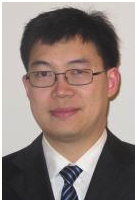
Natalia Semagina is a Professor in the Department of Chemical and Materials Engineering within the Faculty of Engineering at the University of Alberta, where she has been employed since 2008 after previously serving as a research associate at EPFL (Swiss Federal Institute of Technology in Lausanne) and as a senior lecturer/researcher at Tver State Technical University. She holds an undergraduate degree in biotechnology and a Ph.D. in chemical kinetics and catalysis from Tver State Technical University. Her academic journey includes significant research experience in catalytic reaction engineering prior to joining the University of Alberta. Dr. Semagina's research centers on experimental heterogeneous catalysis with three core objectives: understanding reaction mechanisms to design efficient catalysts, minimizing reliance on scarce/expensive materials while maintaining process efficiency, and applying knowledge to energy/environmental chemical engineering processes. Her work spans both fundamental and applied research with strong industry relevance. Current projects focus on turquoise hydrogen production via catalytic natural gas pyrolysis, bio-oil co-processing with bitumen, and process intensification using inductive heating. Past expertise includes catalytic combustion for emissions mitigation, methane reforming, acidic water electrolysis, bitumen upgrading, hydrodesulfurization, and waste-to-value conversion across energy and environmental sectors. No scientific awards were documented in the provided materials. She actively supervises undergraduate research through special projects courses (CME 458/459 variants) requiring departmental consent and minimum 3.0 GPA, while teaching core curriculum including Chemical Engineering Thermodynamics (CH E 343). Grant details and graduate student advising specifics were not explicitly mentioned. Her research group operates from the Donadeo Innovation Centre for Engineering, developing catalytic materials and processes with emphasis on sustainable energy solutions and environmental applications through experimental methodologies.