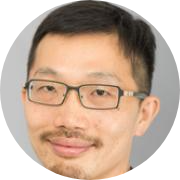
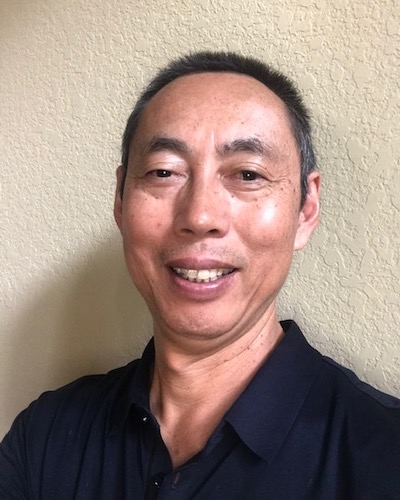
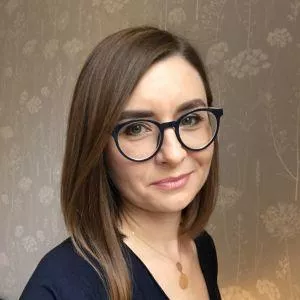
Gabriel Bossé is an Assistant Professor at the Department of Psychiatry and Neuroscience , Faculty of Medicine, Laval University. His research focuses on leveraging zebrafish models to investigate the neurobiology of opioid addiction , neurosteroid effects on behavior , and long-term consequences of neonatal opioid exposure . He employs genetic tools (CRISPR-Cas9, transgenic lines), pharmacology, and imaging to uncover novel biological pathways and therapeutic targets for addiction. Key Techniques: Behavioral assays, molecular imaging, CRISPR-Cas9, miRNA analysis Laboratory: Boosé Lab , focusing on integrative neuroscience and experimental therapies His work bridges addiction biology and drug discovery , emphasizing neurosteroid pathways and genetic/pharmacological interventions . Publications highlight opioid self-administration mechanisms, neurosteroid modulation, and miRNA turnover in neuronal systems. For contact: gabriel.bosse@cervo.ulaval.ca . Lab website and academic profiles are accessible via Twitter , ORCID , and Google Scholar .
Chantal Mérette is a Professor at Laval University's Faculty of Medicine in the Department of Psychiatry and Neuroscience. She serves as a Researcher at the Quebec Mental Health Institute Research Center, Director of the Clinical and Cognitive Neuroscience division at CERVO Brain Research Center, and Director of the Neuroscience Biostatistics Platform. Her research focuses on developing and applying biostatistical methods for neuroscience data analysis. Key interests include biomarker discovery for neurodevelopmental disorders (schizophrenia, bipolar disorder, depression), genetic risk factors, clinical trial design, and prediction modeling. She leads a team specializing in database development, study power analysis, and advanced statistical methodologies for neuroscience research. Dr. Mérette's work spans multiple domains including insomnia treatment efficacy, neurodevelopmental trajectories in at-risk youth, childhood neglect impacts on psychosis development, and genetic variants in suicidal behavior. Her research has produced clinical trials on omega-3 supplementation, tele-rehabilitation, and exercise interventions for psychiatric conditions. She directs the Neuroscience Biostatistics Platform which provides end-to-end methodological support for neuroscience research, from study design to publication. The platform specializes in clinical trial conceptualization, confounding factor analysis, prediction modeling, and non-inferiority testing. Her collaborative work has advanced psychiatric knowledge through endophenotype and biomarker identification for neurodevelopmental diseases. Current projects include developing electroretinogram-based clinical decision tools and studying psychosocial impacts of pandemic restrictions through the MAVIPAN cohort study.
Juan José Lasarte Sagastibelza is a Full Professor of Immunology at the University of Navarra, affiliated with the School of Medicine and the Department of Internal Medicine. He serves as a Principal Investigator in the Immunomodulation and Tumor Microenvironment group at Cima Universidad de Navarra, while also contributing to the Cancer Center Clínica Universidad de Navarra. PhD in Sciences, University of Navarra (1992) Bachelor in Biological Sciences, University of Navarra (1988) Research Interests: His work focuses on immunology and the development of antiviral/antitumor immunotherapies. Key areas include: Characterization of mechanisms inducing cellular/humoral immune responses Development of synthetic peptides as biological process inhibitors Study of tumor immune evasion and regulatory T cell function CAR-T cell therapies and EDA vaccination platform (licensed to Formune Vaccines) Scientific Contributions: He has co-invented 20 patents, including p144 (anti-TGF-beta peptide for systemic sclerosis clinical trial), and developed CD25-targeted nanoliposomes for tumor regression. His research spans EU Horizon 2020, Carlos III Health Institute, and private-industry collaborations (e.g., Hoffman-La Roche). Teaching & Leadership: He has supervised 15 PhD theses (5 awarded Extraordinary Doctorate) and authored 6 books. Active in academic leadership as co-director of the Immunology and Immunotherapy Program and coordinator of the Spanish Network of Cancer Immunotherapy (REINCA).
Jeffrey P. Gonzales is an Associate Professor of Clinical & Administrative Sciences at Notre Dame of Maryland University’s School of Pharmacy. A dual-board-certified specialist in critical-care pharmacy and pharmacotherapy, he teaches within the Doctor of Pharmacy program and maintains an active program of clinical research, national presentations, and professional service. Education Doctor of Pharmacy – Idaho State University Pharmacy Practice Residency (PGY-1) – University of Nebraska Medical Center Critical Care Residency (PGY-2) – Detroit Receiving Hospital & University Health Center Critical Care Research Fellowship – University of Michigan College of Pharmacy Research & Scholarly Focus Dr. Gonzales’ work centers on optimizing pharmacotherapeutic outcomes in critically ill patients. His investigations span sepsis resuscitation, antimicrobial PK/PD, management of acute respiratory distress syndrome (ARDS), ICU delirium, and interprofessional education initiatives that bring pharmacy, nursing, and medical teams together to improve patient care. Recent Publication Themes Across the past 15 peer-reviewed articles (2015–2022), several themes emerge: rigorous evaluation of medication dosing in obesity and renal replacement therapy; quality-improvement analyses of order sets for diabetic ketoacidosis and antipsychotic discontinuation; and original pharmacokinetic studies of vancomycin, ceftolozane-tazobactam, and beta-lactams in sepsis. Collectively, these works advance evidence-based critical-care pharmacotherapy and inform national guidelines. Honors & Certifications Board Certified Critical Care Pharmacy (BCCCP), 2015–present Board Certified Pharmacotherapy Specialist (BCPS), 2002–2024 Presidential Citation, Society of Critical Care Medicine (2012, 2014, 2016–2023) Critical Care PRN Clinical Practitioner Award, ACCP (2016) Critical Care PRN Education Award, ACCP (2013) University of Maryland School of Pharmacy Faculty Preceptor of the Year (2010) Professional Service & Grants Dr. Gonzales is an active member of the American Association of Colleges of Pharmacy, the Society of Critical Care Medicine, and the American Society of Health-System Pharmacists. His leadership roles include directing interprofessional education grants that integrate sepsis simulation into pharmacy and nursing curricula, mentoring residents and fellows, and coordinating continuing-education symposia on critical-care pharmacotherapy. Laboratory & Collaborative Teams While he does not run a wet-lab, Dr. Gonzales collaborates with multidisciplinary critical-care teams at the University of Maryland Medical Center and other regional hospitals. These partnerships support prospective pharmacokinetic studies, quality-improvement initiatives, and translation of findings into bedside practice.
Dr Jasmine Childs-Fegredo is a Senior Lecturer and Programme Director for the Doctorate of Counselling Psychology at York St John University , School of Education, Language and Psychology. As a chartered Counselling Psychologist (HCPC & BPS) and Fellow of the Higher Education Academy, she combines clinical practice with academic leadership. Her teaching spans doctoral and undergraduate psychology programs, with PhD supervision capabilities. York St John University affiliation Health and Care Professions Council registration British Psychological Society accreditation Higher Education Academy fellowship Research focuses on Yoga-integrated Psychotherapy (YiP) and qualitative methodologies like Interpretative Phenomenological Analysis (IPA). Key collaborations include the University of Melbourne's Contemplative Practices Center, NIMHANS India, and Birkbeck London. Recent publications explore mental health screening in schools and yoga-based therapeutic interventions. Professional activities include external examining at New School of Psychotherapy and Counselling and VIVA examination at Teesside University. Conference presentations span Harvard University, NIMHANS India, European Congress of Psychology, and Public Health England events.
Associate Professor Kai-Hsiang Chuang is a Principal Research Fellow at the School of Biomedical Sciences within the Faculty of Health, Medicine and Behavioural Sciences at the University of Queensland. He is also affiliated with the Queensland Brain Institute and the Centre for Advanced Imaging. His research focuses on understanding brain networks, developing advanced imaging techniques, and translating these findings to improve diagnosis and intervention for neurological disorders. Dr. Chuang received his Ph.D. in electrical and biomedical engineering from the National Taiwan University, Taiwan, in 2001. His doctoral research focused on improving the detection of brain activity using functional magnetic resonance imaging (fMRI). Ph.D. in Electrical and Biomedical Engineering, National Taiwan University (2001) Dr. Chuang's research spans multiple areas of brain imaging and neuroscience. His primary focus is on functional brain mapping , where he develops in vivo imaging techniques including functional MRI and multimodal integration with optogenetics, calcium imaging, and electrophysiology. He applies these techniques in both humans and animal models to improve understanding and intervention of brain function, disease processes, and treatment effects. Another key area is brain networks in learning, memory, and dementia . His work explores how brain network wiring and activity underpin cognition and behavior, with particular focus on understanding the causal relationship between brain network activity and memory formation. He develops techniques to modulate behavior by manipulating brain network activity. More recently, Dr. Chuang has expanded into brain waste clearance research, studying the brain's fluid drainage system that clears waste and toxic molecules like amyloid plaques. His lab is developing imaging techniques to track this system's function and understand its regulatory mechanisms, which could provide new treatment targets for dementia. Analysis of Dr. Chuang's recent publications reveals a strong focus on advancing functional MRI techniques for brain network analysis, particularly in rodent models. His work consistently bridges basic neuroscience with clinical applications, especially in understanding memory formation and dementia. A notable trend is the development of multimodal approaches that combine fMRI with optogenetics, calcium imaging, and electrophysiology to establish causal relationships in brain networks. His research increasingly addresses the translation of preclinical findings to human applications, with growing emphasis on Alzheimer's disease mechanisms and potential interventions. Dr. Chuang serves on the editorial boards of multiple prestigious journals including Frontiers in Neuroscience: Brain Imaging Methods , Imaging Neuroscience , and Scientific Reports , reflecting his standing in the field. Editorial Board Member, Frontiers in Neuroscience: Brain Imaging Methods Editorial Board Member, Imaging Neuroscience Editorial Board Member, Scientific Reports Dr. Chuang is actively involved in research supervision, currently serving as Principal Advisor for one PhD student working on "Developing imaging and neuro-technologies for decoding memory formation" and Associate Advisor for two other PhD projects. He has successfully completed supervision of three PhD students on topics related to resting-state networks, memory consolidation, and functional MRI. ARC Discovery Projects (2024-2028): "Decoding the brain network of memory formation" ARC Training Centre for Innovation in Biomedical Imaging Technology (2017-2024) NHMRC-NIH BRAIN Initiative Collaborative Research Grants (2016-2023) Universities Australia - Germany Joint Research Co-operation Scheme (2017-2018) Mater Medical Research Institute Limited grant for mindfulness-based cognitive therapy research (2017-2020) Dr. Chuang leads the Functional and Molecular Neuroimaging Group at the Queensland Brain Institute. His laboratory focuses on understanding the functional connectome of the brain and developing functional and molecular imaging techniques to study brain connectivity associated with behavior. The group has developed various MRI techniques to track neuronal connections, map large-scale brain synchrony, and quantify cerebral blood flow and metabolism in vivo. His research team collaborates extensively with other experts at UQ and internationally, including collaborations with Associate Professor Darryl Eyles, Professor Jürgen Götz, Professor Tianzi Jiang, Dr. Fatima Nasrallah, Professor Linda J. Richards, Professor Pankaj Sah, Professor Elizabeth Coulson, Dr. Patricio Opazo, Professor Feng Liu, and Professor Markus Barth.
Rebecca Crane is a Professor at Bangor University's School of Psychology and Sport Science , directing the Centre for Mindfulness Research and Practice since its founding in 2001. She teaches internationally in Mindfulness-Based Cognitive Therapy (MBCT) and Mindfulness-Based Stress Reduction (MBSR) , focusing on implementation integrity in practice settings. Principle Fellow: Higher Education Academy Fellow: British Association of Mindfulness-Based Approaches Member: Health Professions Council Research Interests center on translating mindfulness evidence into clinical practice, with specific attention to: Implementation processes in UK healthcare Teaching competency assessment (MBI:TAC) Training level-outcome correlations Adaptations for diverse populations Climate crisis integration into mindfulness frameworks Recent publications analyze intervention fidelity (2025), teacher assessment reliability (2024), and adaptations for socio-environmental challenges (2023). Articles show increasing focus on assessment criteria standardization , virtual delivery effectiveness , and systemic transformation through mindfulness. Co-Editor: Essential Resources for Mindfulness Teachers (2021) Principal Investigator: LIGHTMind depression trial (2023) Keynote speaker: International Conference on Mindfulness (2023) Her teaching legacy includes founding Bangor's Mindfulness Master's program (2003) and delivering MBI:TAC training to over 30 international participants (2021). She emphasizes relational mindfulness and social justice in all professional engagements.
Jianmin Guan, Ph.D., serves as Associate Professor of Kinesiology within the College for Health, Community and Policy at the University of Texas at San Antonio (UTSA). His academic work bridges physical education pedagogy, motivational psychology, and cross-cultural fitness assessment methodologies, with emphasis on student engagement in activity settings. Education: Ph.D. in Sport Pedagogy, Texas A&M University (2004) Master of Education in Measurement and Evaluation, Wayne State University (1999) Master of Education in Sport Pedagogy, Shanghai Institute of Physical Education (1993) Bachelor of Science in Kinesiology, Huizhou Normal College (1984) Dr. Guan's research centers on achievement goal theory applications in physical education, examining how work-avoidance and mastery-approach goals influence student persistence across developmental stages. His work extends to health-related fitness evaluation among minority populations and sensory integration interventions using sport-based protocols, with particular focus on Chinese student cohorts. Methodologically, he employs longitudinal growth modeling, MIMIC analyses, and cross-cultural validation techniques. His recent publications (2022-2025) demonstrate consistent investigation of achievement goal trajectories from elementary through college levels, alongside innovative comparative studies of global fitness testing frameworks. The research reveals persistent gender disparities in physical competence perception and identifies declining mastery-goal intensity during adolescent transitions, while establishing basketball training as an effective sensory integration modality. Scientific Awards: Research Fellow, Society of Health and Physical Educators (SHAPE America, 2007) Research Funding: Secured $29,732 across two grants (2018-2019) for Psychological Skills Inventory development targeting law enforcement populations. His presentations at AAHPERD conventions and Pre-Olympic conferences reflect extensive national and international scholarly engagement, particularly with Chinese research institutions on fitness knowledge assessment and sensory processing interventions. Dr. Guan maintains active international collaborations, especially with Chinese universities, developing culturally responsive physical activity interventions while addressing measurement challenges in diverse educational contexts.
Hilde Anette Aamodt is a Professor of Social Work at Oslo Metropolitan University's Faculty of Social Sciences, specializing in child welfare systems and family-centered interventions. Her institutional affiliation includes the Department of Social Work within the Service Organization and Innovation in Social Work and Child Welfare research group. Her research focuses on qualitative analysis of child welfare investigations, care orders, parent-child contact under public care, and family centers. Key interests include: Systems theory applications (particularly Niklas Luhmann) Parental perspectives on care orders Cultural dimensions in contact arrangements Emotional care in social work practice Discursive constructions of risk in child welfare Recent publications reveal a strong emphasis on Norwegian child welfare practices, with 15+ articles (2024-2025) analyzing parent-child contact dynamics, cultural biases in foster care, and systemic flaws in zero-tolerance policies. Her work consistently employs Luhmannian systems theory to deconstruct professional decision-making processes. Award highlights: OsloMet Work Environment Prize (2018) Aamodt leads three active research projects: Care Orders from Parental Perspectives, Parent-Child Contact Under Public Care, and Family Centers for Assessment. She served as editor for Fokus på familien (2019-2022) and teaches at bachelor, master, and PhD levels. Her outreach includes 61 public engagements, including policy briefings and stakeholder workshops on family-centered interventions. She operates within the Knowledge for Practice research group, focusing on developing practice-oriented solutions for child welfare systems through collaborative projects with municipal services and national agencies.
Dr. Manuel Desco Menéndez is a Full Professor at the Department of Bioengineering , Carlos III University of Madrid , focusing on biomedical imaging and instrumentation. He leads the Biomedical Imaging and Instrumentation Group. Key research domains: Medical Imaging , Neuroimaging , Biomedical Instrumentation Primary publication areas: Computed Tomography , PET Imaging , MRI , Biomaterials His scientific contributions (2022-2025) include: Neuroanatomical changes in pregnancy/postpartum and psychiatric disorders Advanced CT reconstruction algorithms with beam-hardening compensation Innovative biomedical nanoplatforms using milk exosomes Preclinical bone regeneration scaffolds in animal models Current technical developments focus on GPU-accelerated image processing and deep learning applications in tomographic reconstruction.
Dr. Kerstin Schneeberger-Verjaal is an Assistant Professor at the Department of Clinical Sciences, Internal Medicine of Companion Animals, Faculty of Veterinary Medicine, Utrecht University. She also serves as a Scientific Advisor at Orgonex B.V. Her research focuses on stem cell biology and tissue engineering, particularly developing mini-livers from patient-derived stem cells to address organ shortages for transplantation. VenI grant recipient (2018) for liver research Co-developer of synthetic growth gel for large-scale liver cell culture Principal investigator in €1.4 million Horizon 2020 bioprinting project Her recent publications highlight advancements in bioprinting technology , hydrogel development , and organoid scalability . Key research collaborations include Dr. Bart Spee and European experts in the ORGANTRANS consortium. Scientific awards: 2018 NWO Veni grant 2018 WFIRM Young Investigator Award 2017 Aegean award (Tissue Engineering Conference) 2017 Best selected presentation at HEPRO symposium 2014 EMBO workshop attendance grant 2013 Best oral presentation (Dutch Stem Cell Meeting) In her ancillary role at Orgonex B.V., she contributes to commercial applications of organoid technology. Her work has generated multiple patents and translational grants for clinical implementation of synthetic growth gels.
Agnieszka Bojanowska, Ph.D. (dr hab.), serves as an Associate Professor at SWPS University of Social Sciences and Humanities within the Faculty of Psychology and Institute of Psychology. Her academic profile centers on the therapeutic applications of psychedelic substances and comprehensive well-being research. Her primary research investigates psychological mechanisms linking psychedelic use to emotional regulation, learning processes, relationship quality, and spiritual dimensions. She leads significant projects including the National Science Centre-funded study 'Can some values facilitate happiness? Values, engagement and self-efficacy and their significance for hedonistic and eudaimonic well-being,' examining how value systems influence different well-being constructs. Bojanowska's publication record reveals consistent focus on value systems, temperament patterns, and their intersections with well-being across diverse populations. Her work spans adolescent development, pandemic impacts, perfectionism pathology, and cross-cultural value comparisons, demonstrating methodological versatility in longitudinal studies, psychometric validation, and experimental interventions. Principal Investigator for National Science Centre grant project on values and well-being Creator of wellbeing-focused platform pathsstowellbeing.nl As an educator, she teaches research methodology and statistics while conducting specialized workshops on well-being psychology. Her collaborative network includes researchers from University of Warsaw, University of Zurich, and Northwestern University, reflecting international engagement in happiness studies.
Raag Airan is an Assistant Professor of Radiology (Neuroimaging and Neurointervention) and by courtesy, Materials Science and Engineering at Stanford University. His work bridges Noninvasive nervous system manipulation Ultrasound and nanoparticle engineering Theranostic applications Behavioral neuroscience His research focuses on Ultrasound-mediated drug delivery systems Neuroimaging of functional connectivity Neuromodulation for chronic pain and psychiatric disorders Glymphatic system modulation Recent publications highlight advancements in Acoustically activatable liposomes Sex-based pharmacological responses Algorithmic psychiatry frameworks Stem cell therapy imaging Deep learning-enhanced ultrasound
Thanos Karatzias is a Professor and Associate Dean for Research & Innovation at Edinburgh Napier University's School of Health and Social Care, with clinical expertise at the Rivers Centre for Traumatic Stress in Edinburgh. His career spans clinical and academic work in psychological trauma, particularly interpersonal trauma, with a focus on Complex PTSD (CPTSD) under ICD-11. Collaborating internationally, he studies trauma effects on general populations, veterans, prisoners, and individuals with learning disabilities. Editor : Traumatology Leadership Roles : Former Chair of British Psychological Society Scotland Working Party for Adult Survivors of Sexual Abuse His research explores trauma's impact on mental and physical health, with recent work validating diagnostic tools like the International Trauma Interview (ITI) and investigating treatment approaches for CPTSD. He has received significant funding, including from the Chief Scientists Office, and contributes to policy through advisory boards like Changing Faces Scotland.
Prof. Dr. rer. nat. Fritz E. Kühn is a Professor of Molecular Catalysis at the Department of Chemistry within the TUM School of Natural Sciences at Technische Universität München (TUM). His research spans organometallic chemistry, medicinal chemistry, and molecular catalysis, focusing on carbene ligated metal precursors for task-specific applications in catalysis and biomedical fields. Current research emphasizes oxidation/hydrogenation catalysis with transition metals Active collaborations with industrial partners for small molecule activation Dean of Studies at TUM School of Chemistry since 2016 Spokesperson for TUM Graduate School (Chemistry department) Recent publications highlight advancements in gold(I) NHC complexes for cancer therapy , single-atom rhenium catalysts , and asymmetric epoxidation systems . His work aligns with UN SDGs through sustainable catalytic processes. Scientific recognition includes the Otto Roelen Medal and Hans Fischer Prize . Key research tools include N-heterocyclic carbenes, computational modeling, and industrial process optimization.


/prod01/yorksjacuk/media/content-assets/staff-profile-images/Jasmine-Childs-Fegredo.jpg)