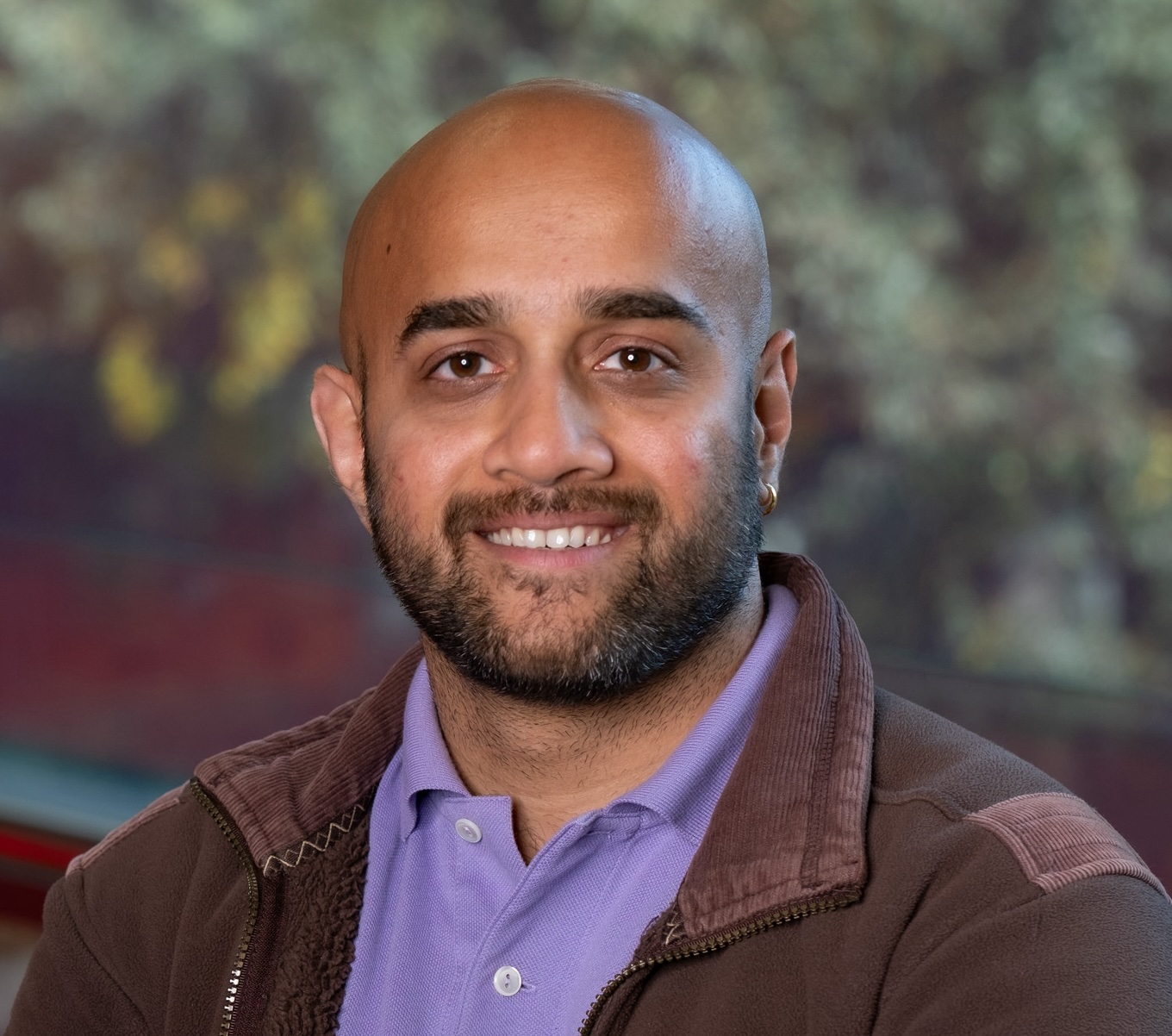
Dr. Aditya Joshi is a Senior Lecturer in the School of Computer Science & Engineering at the University of New South Wales (UNSW). He specializes in Natural Language Processing (NLP), with a focus on sarcasm detection, dialectal NLP, and ethical AI applications in public health and cybersecurity. He joined UNSW in 2023 following industry roles at SEEK, Notiv, and Fractal Analytics, where he developed NLP systems for recommendation engines and meeting analytics. His research has garnered over 3,000 citations (h-index 26) and secured $3.1M in grants, including Defence Trailblazer and Google exploreCSR awards. Education: Joint PhD (2018) from IIT Bombay (India) and Monash University (Australia); MTech in CSE (2011) from IIT Bombay. Research Interests: Making NLP models robust for non-native English speakers and the LGBTI+ community, algorithmic enhancements to transformers, and applications in public health, cybersecurity, and societal issues. His work spans epidemic intelligence (collaborations with EPIWATCH and IFCYBER), cybersecurity tools like AuditNet, and inclusive AI initiatives such as queer-inclusive workshops funded by Google. He designed UNSW's new NLP course (COMP6713) and co-authored a Wiley textbook on NLP. Notable grants include the A$1.4M 'Comprehensive Defence Data Platform' (Lead CI) and A$92K Google exploreCSR grant for benchmarking dialectal sentiment. His awards include the Best PhD Thesis from IITB-Monash and Best Paper accolades at FAccT 2023 and MoMM 2020. He supervises projects on kernel-based attention reformulation, prompt-based sarcasm detection, and multilingual small-scale LLMs. His service roles include Executive Committee Member at ALTA and arXiv moderator for computational linguistics.
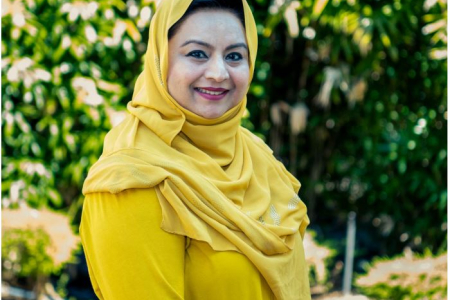
Dr. Farha Sattar is a Lecturer in Education (Mathematics) at the Faculty of Arts and Society, Charles Darwin University. With over thirty years of teaching experience in Mathematics, Science education, GIS, Remote Sensing, and e-Learning technologies at undergraduate and postgraduate levels, Dr. Sattar brings extensive expertise to her academic role. She holds a PhD in Geospatial Science from Charles Darwin University, focusing on Spatial Mathematical Modelling for 3D Gully Mapping and Erosion Quantification. Her educational background includes: PhD in Geospatial Science (Three Dimensional Gully Mapping and Erosion Quantification within a Geoinformatics Framework), Charles Darwin University (2012) Prior academic experience at several Asian and European universities Dr. Sattar's research spans multiple interdisciplinary fields with a strong focus on the intersection of education and technology. Her primary research interests include Mathematics Education, STEM Education, Geoscience Education, Spatial Mathematical Modelling, Drone Technology, Remote Sensing, Geographic Information Systems, and Innovative Pedagogies such as experiential learning and inquiry-based approaches. She has developed expertise in cognitive development, particularly in fostering critical and creative thinking skills through iSTEM approaches. An analysis of Dr. Sattar's recent publications reveals a consistent trajectory toward integrating emerging technologies like drones, augmented reality, and geospatial artificial intelligence into educational contexts. Her work demonstrates a progression from foundational geospatial research on erosion mapping to innovative applications in STEM education. Recent publications increasingly focus on drone technology for educational purposes, spatial data infrastructure for policy development, and computational thinking development through technology-enhanced learning. Dr. Sattar has received numerous accolades for her contributions to education and research: NT Science Week Awards – Inspired NT STEM Hero of the Year award (2021) Long Service Recognition Award (2023) Finalist, CDU Alumni Award (2023) Multiple Best Presentation Awards (2008, 2010, 2017) Australian College of Educators - 2021 College Medal Nominee As a supervisor, Dr. Sattar mentors postgraduate research students including Ayesha Farhan, who is working on "A Framework for Cognitive Development: Fostering Critical and Creative Thinking Skills, Using iSTEM Approach." She actively secures research funding through various projects such as "DBELaSTEM: Drone-Based Experiential Learning and STEM Education," "STEM_D & VR: Youth STEM Learning and Empowerment with Drones and VR," and "CodProg Drone Lab." Her research is supported by grants from NT Government projects and other external funding sources. Dr. Sattar leads the CodProg Drone Lab, an innovative research space exploring drone technology applications in education. She is a certified drone pilot and aeronautical radio operator, which enables her to bridge theoretical knowledge with practical applications. Her work with the "Flying Forward: Drones, STEM Equity, and Indigenous Empowerment" initiative demonstrates her commitment to community engagement and addressing educational disparities through technology.
Tom van Laer is an Associate Professor of Marketing and Deputy Head of Discipline, Research at The University of Sydney Business School. He is globally recognized as the leading expert in storytelling and narrative persuasion, currently occupying the top position on Elsevier's SciVal top 100 list for the most-cited researchers in this domain. His academic journey includes a BA and MA from Nijmegen and a PhD from Maastricht University. Dr. van Laer's research explores storytelling, persuasion, and messaging through an interdisciplinary approach that bridges behavioral experiments, quantitative modeling, and interpretive research. His work spans narrative transportation theory, consumer reviews analysis, digital storytelling, and the psychological mechanisms behind how stories influence consumer behavior. He has developed influential frameworks including the Extended Transportation-Imagery Model and narrative agency theory, with particular expertise in analyzing how stories shape responses to climate change communications and social conflict narratives. His publication record features articles in the most prestigious academic journals including the Journal of Consumer Research (where he serves as Area Editor), Journal of the Academy of Marketing Science, Journal of Business Ethics, Journal of Management Information Systems, and International Journal of Research in Marketing. His recent work shows a strong trend toward meta-analyses of narrative effects, climate change communication, and the psychological mechanisms of 'bleed' between fictional experiences and real-world behavior. Dr. van Laer is an active media commentator whose research has garnered extensive global coverage across Australia, France, Germany, the Netherlands, the UK, and the US, including national television and radio interviews. His media engagement focuses on storytelling in political campaigns, social media marketing, and the psychological impact of narratives in consumer contexts. He teaches MKTG3121 Advertising: Persuasive Principles and MKTG6006 Persuasive Advertising: Illuminating Dark Art, and has received recognition for both research and teaching excellence. His professional affiliations include the Association for Consumer Research, Australian Marketing Institute, Australian & New Zealand Marketing Academy, and International Society for the Study of Narrative. Dr. van Laer is a member of several university research centers including the Sydney Centre for Healthy Societies, Sydney Environment Institute, and Charles Perkins Centre, where he contributes his expertise in narrative persuasion to interdisciplinary research on societal challenges.
Associate Professor David Jeffery is affiliated with the University of Adelaide's School of Agriculture, Food and Wine, within the Faculty of Sciences, Engineering and Technology. He holds an academic rank of Associate Professor/Reader and is based at Wine Innovation Central in the Waite campus. His research focuses on grape and wine chemistry, particularly aroma, flavor, and polyphenol analysis using advanced techniques like HPLC-MS/MS and GC-MS. He investigates the impact of vineyard and winemaking conditions on wine composition, including studies on tannin behavior, sulfur compounds, and oxidative processes. Jeffery co-authored the textbook *Understanding Wine Chemistry*, a global resource in wine science education. His work also explores machine learning applications for predicting sensory traits and authenticating wine origins. Active in mentoring, he supervises Masters and PhD students in topics spanning analytical method development, compound synthesis, and wine quality enhancement. Research highlights include studies on wildfire smoke mitigation in wine production, fluorescence spectroscopy for quality control, and mathematical modeling of anthocyanin interactions. He collaborates with industry partners like Wine Australia and leads projects funded by the ARC Training Centre for Innovative Wine Production. His contributions bridge fundamental chemical research with practical applications in the wine industry, addressing challenges like climate change impacts and sustainable winemaking practices.
Professor Jiti Gao is a Donald Cochrane Chair in Econometrics & Business Statistics at Monash University's Faculty of Business and Economics. He leads the Department of Econometrics and Business Statistics, specializing in non- and semi-parametric econometrics, time-series analysis, and panel data methodologies. His research focuses on developing statistical models for climate change, energy demand, and financial forecasting. Affiliations: Monash University, Impact Labs Grants: Multiple ARC Discovery Projects (e.g., 2020–2025 on climate-energy time series, 2017–2020 on econometric model building) Collaborations: CSIRO, Yale University, and international partners from China, Norway, and Singapore Research interests include climate econometrics, financial time series, and policy evaluation. Over 136 publications span econometric theory and applications, with recent work on nonlinear trending models and quantile regression. His grants emphasize methodological advancements in time series and panel data analysis. Awards: Not explicitly mentioned, but recognition includes Australian Professorial Fellow status and international research leadership roles. Advising/Grants: Primary Investigator on multiple ARC-funded projects, focusing on climate modeling and financial econometrics Labs/Teams: Part of Monash's Impact Labs and collaborates with global institutions on climate and econometric initiatives
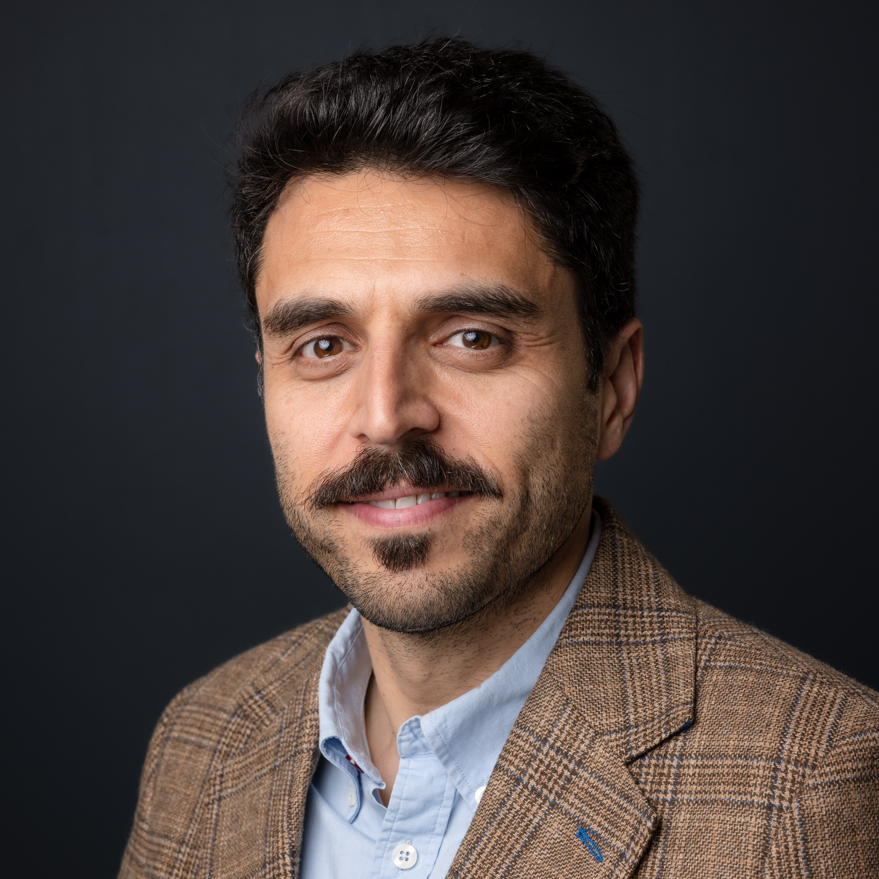
Associate Professor Mohsen Kalantari is a Geospatial Engineering academic at the University of New South Wales (UNSW) School of Civil and Environmental Engineering , with concurrent roles as co-founder of the startup Faramoon . His career spans roles at the University of Melbourne's Department of Infrastructure Engineering and Victorian government's land administration initiatives through DELWP. Education : PhD in Geomatics Engineering (2008, University of Melbourne), Master of GIS Engineering (2004), Bachelor of Surveying Engineering (2001) His research bridges geospatial engineering with construction automation , focusing on 3D cadastre , BIM-GIS integration , and smart cities . Recent publications show trends in underground land administration , digital twins , and LADM standard implementations . Scientific Awards : National educational recognition (2019), Victorian educational grants (2018), and prestigious fellowships (2012) As a supervisor , he guides PhD candidates in topics ranging from BIM for waste management to underground cadastral systems . His industry engagement includes partnerships with the United Nations , Open Geospatial Consortium , and Singapore Land Authority .
Professor Amin Abbosh is a faculty member at the School of Electrical Engineering and Computer Science, University of Queensland. His research focuses on Medical Microwave Imaging and Millimeter-wave Engineering, with contributions to advanced imaging systems, antenna design, and communication technologies. He leads projects in electromagnetic medical sensing, including portable brain scanners and wearable diagnostic systems. His work integrates applied electromagnetics with AI-driven algorithms, addressing challenges in stroke detection, liver health monitoring, and deep vein thrombosis diagnosis. With over 16 patents and collaborations across biomedical and engineering domains, his research bridges clinical needs with cutting-edge electromagnetic techniques. Key projects include the development of low-cost healthcare monitoring systems and reconfigurable antennas for satellite communications. Research interests span medical imaging systems, antenna array design, and signal processing for healthcare applications. His team innovates in areas like phased arrays, dielectric property analysis, and non-invasive diagnostics. Recent advancements include synthetic microwave focusing techniques and self-supervised deep learning models for clutter removal in imaging. Publications highlight contributions in IEEE journals and conferences, emphasizing clinical applications and device prototyping. Collaborations with institutions like the University of Queensland’s medical faculty and industry partners ensure practical implementation of his research.
Dr. Alyas Widita is an Assistant Professor in the Urban Design program at Monash University, Indonesia. He is actively involved in research and teaching, focusing on urban planning, transportation, and smart city technologies. He serves as the Program Coordinator for Urban Design and teaches courses such as Urban Design Studio: Smart City and Smart City Technologies. Education: Ph.D. in City and Regional Planning, Georgia Institute of Technology, United States Dr. Widita's research centers on the built environment, transportation systems, and urban analytics, with a strong emphasis on developing Asian cities. His work explores congestion impacts of mass transit, ride-hailing effects on vehicle ownership, rural-urban migration, walking behavior, and spatial patterns of MSMEs. He employs advanced data analytics and causal evaluation methods to inform urban policy. His recent publications span high-impact journals such as Transport Reviews , Journal of Planning Education and Research , and Travel Behaviour and Society . The research trend shows a consistent focus on data-driven urban policy, sustainable mobility, and equity in urban development across Indonesia and Southeast Asia. Scientific Awards and Recognition: No specific awards listed, but research widely cited and featured in media outlets. Dr. Widita has secured and contributed to multiple research projects funded by international and national agencies, including the World Bank, Korea Transport Institute (KOTI), Central Bank of Indonesia, and Georgia Department of Transportation. He is currently leading or co-leading projects on Jakarta’s subsidence, flood risk management using remote sensing, and the Citarum River revitalization. He collaborates extensively with researchers across disciplines and institutions. His work contributes to UN Sustainable Development Goals, particularly those related to sustainable cities and communities. He is accepting PhD students interested in the built environment, transportation, and urban analytics in developing Asia. He is involved in key labs and research teams including the Citarum Action Research Program (CARP), Intelligent and Dynamic Remote Sensing for Flood Risk, and interdisciplinary urban analytics initiatives at Monash Indonesia.
Associate Professor Jiwon Kim is a leading researcher in Transport Engineering at the University of Queensland's School of Civil Engineering. She serves as Director of Higher Degree by Research and was a DECRA Fellow from 2019-2022. Holding degrees from Korea University and Northwestern University, she specializes in AI/ML applications for transportation systems. PhD, Northwestern University BS & MS, Korea University Her research focuses on Artificial Intelligence and Machine Learning applications in transportation, including: Deep learning for traffic management Reinforcement learning in mixed traffic environments Multi-agent systems for urban mobility optimization Spatiotemporal trajectory analysis Recent publications demonstrate expertise in: Eco-driving strategies Traffic incident prediction Queue length estimation Crash risk modeling Scientific recognition includes: ARC DECRA Fellowship (2019-2022) She supervises doctoral students in: Transportation data analytics Autonomous vehicle systems Intelligent traffic management Current projects explore real-time traffic monitoring, synthetic mobility data generation, and connected vehicle technologies.
Matthew Dunbabin is a Professor at Queensland University of Technology (QUT) and Chief Investigator at the Australian Centre for Robotic Vision (ACRV). His expertise spans environmental robotics, with a focus on vision-based autonomous systems for marine conservation, water quality monitoring, and greenhouse gas management. He holds a PhD from QUT and a BEng (Aerospace) from RMIT. Dunbabin has led projects at CSIRO and QUT, developing robots like COTSBot and RangerBot to combat marine pests and promote reef restoration. His work has earned national and international awards, including the 2019 Australian Water Association Award and 2016 Google Impact Challenge. Education: PhD in Engineering, Queensland University of Technology (Queensland, Australia) BEng (Hons) in Aerospace Engineering, Royal Melbourne Institute of Technology (Melbourne, Australia) Research Interests: Environmental robotics and autonomous systems Vision-based perception and classification Marine habitat restoration and pest control Greenhouse gas monitoring via autonomous vehicles Cooperative robotics and sensor networks Awards & Recognition: 2019 Australian Water Association Award (SAMMI Project) 2019 Good Design Award - Sustainability (RangerBot) 2016 Google Impact Challenge People’s Choice Award (RangerBot AUV) 2010 Australian ICT Industry Association National iAward (iSnet) 2006 Queensland Engineering Excellence Innovation Award (Starbug Project) Grants & Projects: ARC Centre of Excellence for Robotic Vision (ACRV): Leading robotic vision research (2014–present) Revolutionising Protection Against Air Pollution: Air quality monitoring networks (2015–present) Establishing Advanced Networks for Air Quality Sensing: Sensor development for urban environments (2017–present) Labs & Collaborations: ACRV at QUT Institute for Future Environments (QUT) CSIRO Autonomous Systems Laboratory (2001–2013)
Dr. Zara Ersozlu is a Senior Lecturer in Mathematics Education within the School of Education at the University of Newcastle, Australia. With a distinguished international career spanning multiple continents, she has held academic positions at prestigious institutions including North Carolina State University (USA), Gazi and Gaziosmanpasa Universities (Turkey), National Taiwan Normal University (Taiwan), The University of Western Australia, Murdoch University, and Deakin University. Her academic journey includes tenured positions as an Associate Professor and leadership roles as Department Head and Chair in teacher education disciplines. Currently, she teaches undergraduate and postgraduate courses in mathematics education, including Effective Pedagogies in Primary Mathematics, K-6 Mathematics, K-6 Numeracy, and Digitally Supported Learning. Dr. Ersozlu earned her Doctor of Philosophy from Firat University in Turkey and her Master of Art from Sakarya University. Her extensive academic preparation is complemented by five years of practical teaching experience in public schools prior to entering academia. This blend of theoretical knowledge and practical classroom experience informs her approach to teacher education and educational research. At the broadest level, Dr. Ersozlu's research investigates solutions to real-life problems impacting people's well-being, success, and capacity to achieve. Her scholarly work spans primary and secondary mathematics education, the psychology of mathematics (including metacognition, self-regulation, and anxiety), cross-cultural educational studies, teacher education, virtual simulated learning environments, and educational assessment. She has increasingly focused on the transformative potential of AI and machine learning in education, exploring how these technologies alter teaching, learning, and research processes. Her methodological expertise encompasses both quantitative and qualitative approaches, allowing her to effectively analyze both small and large educational datasets. Analysis of Dr. Ersozlu's recent publications reveals a strong emphasis on mathematics anxiety, teacher education, and the integration of technology in learning environments. Her work demonstrates a consistent focus on practical applications of educational research to address real-world challenges in mathematics education. The interdisciplinary nature of her research connects educational psychology, technology integration, and cross-cultural perspectives, with particular attention to how these elements intersect in teacher preparation and student learning outcomes. 2023 ATEA Research Recognition Award from the Australian Teacher Education Association 2021 Fellow of the Higher Education Academy (Advance HE, UK) 2010 Fellowship Program for Postdoctoral Researchers from the Council of Higher Education of Turkey Dr. Ersozlu is deeply committed to mentoring the next generation of scholars, currently supervising four PhD students and having successfully guided ten students to completion. Her grant portfolio includes significant funding for projects such as Best Practice Guidelines for RPL in Initial Teacher Education Programs ($60,000), Exploring the Reciprocal Relationship Between Mathematics Anxiety and Mathematical Resilience ($2,599), and multiple conference travel awards. She serves as an Associate Editor for several prominent journals including the International Electronic Journal of Mathematics Education and as Editor for Interdisciplinary STEM Education. Her editorial work reflects her standing as a respected voice in mathematics education research. Dr. Ersozlu's academic leadership extends to her role in developing innovative teaching approaches that integrate virtual simulation technology and learning analytics. Her work with TeachLivE™, a mixed-reality classroom simulation platform, demonstrates her commitment to creating authentic learning experiences for teacher education students. Through these initiatives, she bridges the gap between educational theory and classroom practice, preparing future educators to effectively implement evidence-based teaching strategies in diverse learning environments.
Professor Jun Zhang is a leading academic in cybersecurity at Swinburne University, Australia, where he directs the Cybersecurity Lab. He has been honored as Australia's top cybersecurity researcher and instrumental in establishing Swinburne as a globally recognized cybersecurity research institution. His work includes high-impact papers and multi-million-dollar R&D projects, culminating in awards like the 2021 'Top Cybersecurity Research Institution' accolade. As course director of the Bachelor of Cyber Security, he pioneered an industry-driven teaching model with Deloitte and CSIRO, significantly boosting course enrollment. His collaborations extend to Adobe's Curriculum Innovation Program and the Australian P-TECH initiative, promoting STEM education and cybersecurity awareness. He supervises doctoral candidates and leads grants focused on AI-driven cybersecurity, smart home security, and blockchain-based edge computing. His research spans vulnerability detection, GAN forensics, IoT security, and privacy preservation in OSNs. Research interests include cybersecurity fundamentals, data science applications, and distributed systems. Notable achievements include the PTFix framework for Java vulnerabilities, the IoTFuzz smart home testing system, and CTI mining methodologies. Awards reflect his mid-career research excellence and industry partnerships. His grants with CSIRO and defense organizations emphasize real-world impact, addressing challenges from malware detection to adversarial machine learning. The Cybersecurity Lab and collaborative projects like Artchain demonstrate his commitment to bridging academia and industry. Professional activities include supervising over 20 HDR students and securing grants totaling millions. His work on blockchain-based edge storage (CSEdge) and SDCCP congestion control highlights innovation in networking. Future directions include advancing AI for design collaboration with CSIRO and enhancing privacy in smart energy technologies. His contributions span technical, educational, and community outreach domains, positioning him as a pivotal figure in cybersecurity's evolution.
Dr. Kanchana Thilakarathna is a Senior Lecturer in Distributed Computing at the University of Sydney's School of Computer Science, and a member of the Centre for Distributed and High Performance Computing. They hold a PhD from the University of New South Wales (UNSW) and a B.Sc. Eng (Hons) from the University of Moratuwa, Sri Lanka. Prior to academia, they worked as a Research Scientist at CSIRO/Data61 and had industry experience as a Mobile Radio Network Engineer. Research Interests : Dr. Thilakarathna focuses on cybersecurity, privacy in mobile and IoT systems, mixed reality privacy, and distributed computing platforms. Their work emphasizes user-centric solutions like the Yalut social media app, which enables decentralized data sharing. Key themes include privacy-preserving techniques, edge computing, and secure federated learning frameworks. Recent Work : Recent articles (2023–2025) explore machine unlearning for large language models, federated learning security, and IoT network slicing using P4 programmability. Their work on synthetic video traffic generation (VideoTrain++) and drone detection (DronePrint) demonstrates cross-disciplinary innovation. Awards : Malcolm Chaikin Prize (2015), Meta Research Awards (2020/2022), and Heidelberg Laureate Fellowship (2019). Grants : ARC Research Hub for Future Digital Manufacturing (2024), NSW Defence Innovation Network Projects (2024/2021), and Facebook Research Awards (2022/2020). Students : Advising 4 current PhD students on topics like wireless trust establishment and machine unlearning. Labs/Teams : Part of the Centre for Distributed and High Performance Computing and Sydney Nano Institute.
Dr. Suresh Bhargava is a Distinguished Professor and Director of AcSIR at RMIT University's Research & Innovation department. He has led interdisciplinary research in materials science, catalysis, and environmental engineering for over three decades, with a focus on strengthening Indo-Australian scientific collaboration. His work bridges academia and industry, addressing challenges in pollution control, nanotechnology, and cancer treatment. Research & Leadership: Established RMIT's Centre for Advanced Materials and Industrial Chemistry (CAMIC), pioneering translational research with industry applications. Supervised 70+ PhD students (100% employment rate), many now leading roles at global institutions. Holds distinguished professorships across six countries and advises governments and Fortune 500 firms on environmental and industrial issues. Awards & Recognition: Recipient of Australia's Member of the Order of Australia (2022), India's P.C. Ray Chair (2014), and the Khwarizmi International Award (2016). His work on mercury pollution control and gold-based anticancer drugs has garnered global acclaim, with over 800 publications (26,000+ citations, h-index 86). Key Contributions: Architect of the Australia-India Strategic Research Fund and the RMIT-AcSIR Joint Research Program. Innovated eco-friendly graphene production from eucalyptus bark and patented anti-cancer gold compounds. Advises on sustainable mineral processing, hydrogen energy, and CO₂ valorization. Industry Engagement: Consulted for Rio Tinto, BHP Billiton, and CSIRO on resource efficiency, pollution mitigation, and nanotechnology applications. His research has created jobs and driven innovation in Australia and Asia-Pacific.
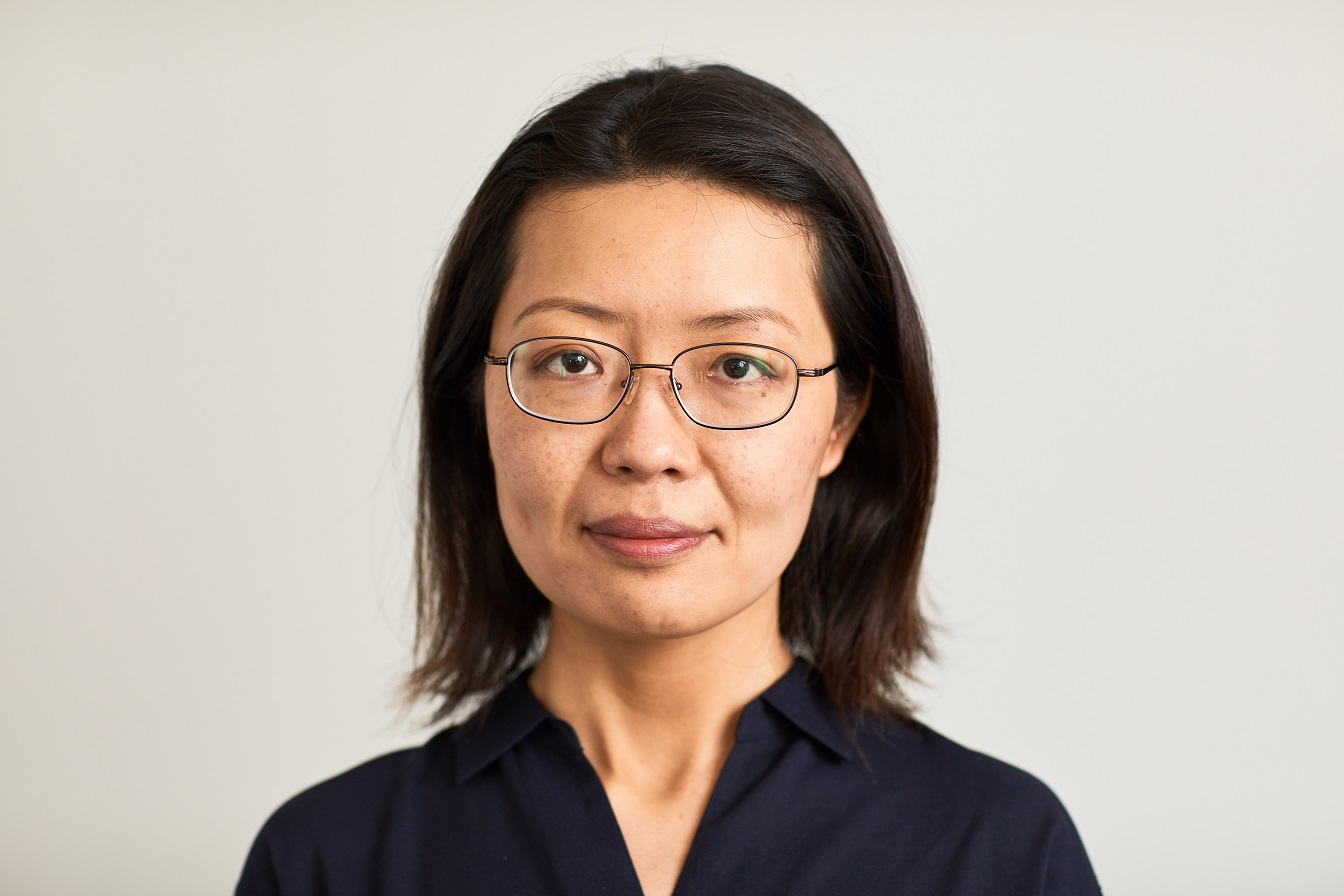
Yang Song is an ARC Future Fellow and Scientia Associate Professor at the School of Computer Science and Engineering , University of New South Wales (UNSW) . She serves as Associate Head of School (Research) and Co-Director of iCinema , focusing on AI and Computer Vision applications for social good. Education: BEng in Computer Engineering (Nanyang Technological University, Singapore), PhD in Computer Science (UNSW, 2013) Research Areas: Biomedical image analysis, human-centred AI, graph data modeling, neuro-symbolic learning, and AI trustworthiness. Her work develops domain-specific deep learning models for radiological segmentation, histopathology cancer analysis, and 3D reconstruction. Recent projects address explainability in LLMs, fairness in AI, and human-robot interaction frameworks. With over 200 peer-reviewed publications in top venues like CVPR , MICCAI , and NeurIPS , her research spans biomedical imaging, robotics, and general multimodal AI. Scientific Awards include: 2024: ARC Industrial Transformation Research Hub for Human-Robot Teaming 2023: Google Inclusion Research Award 2022: NHMRC Ideas Grant for computational brain imaging 2021: UNSW Engineering Research Excellence Award 2020: Scientia Fellowship (UNSW) 2019: ARC Future Fellowship She supervises 24 current PhD/MPhil students and has graduated 15 advisees, including placements at Harvard University and Siemens Healthineers. Her grants include collaborations with Surf Life Saving Australia and industry partnerships for AI-driven solutions.