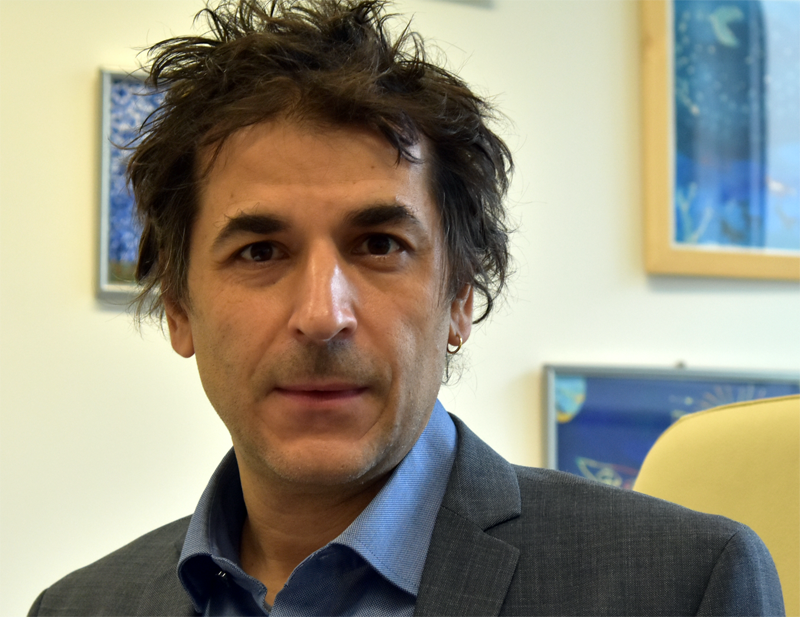
Livia Veselka is an Assistant Professor at the DAN Department of Management & Organizational Studies, Western University. She holds a Ph.D. in Psychology from Western University, specializing in Personality and Measurement. Her research focuses on psychological assessment, maladaptive behaviors, and individual differences using psychometric and quantitative behavioral genetic methodologies. Education: Ph.D., Psychology (University of Western Ontario) Her work explores overlooked personality traits in traditional models and their implications for maladaptive tendencies, including policy impacts of adolescent problematic gaming/gambling. She has conducted postdoctoral research at the Institute for Mental Health Policy Research, Centre for Addiction and Mental Health. No specific articles or awards are listed in the provided materials.
Samuel M. Tham is an Assistant Professor in Journalism & Media Communication at Colorado State University (College of Liberal Arts). His work bridges academia and industry, focusing on media psychology, digital advertising ethics, and problematic media use in gaming. Prior to academia, he spent over a decade in advertising and PR roles, including founding an online gaming company. Education: Ph.D. in Journalism & Media Communication, Michigan State University M.A. in Journalism, University of Missouri Research Focus: Examines digital advertising’s impact on vulnerable populations, ethical messaging in video gaming, and the intersection of media use with mental/social health. Notable projects include studies on loot box ethics, problematic gaming correlates (sleep/diet hygiene), and influencer authenticity perceptions. Awards: 2024 CSU Best Teacher Award 2022 AEJMC Media Ethics Top Faculty Paper Addy Awards for advertising excellence Advising & Pedagogy: Develops industry-connected curricula, mentoring students for academic and professional careers. Advocates for closing academia-industry gaps through applied research. Labs/Initiatives: Leads projects integrating media psychology principles with digital advertising practice, emphasizing ethical frameworks for emerging platforms.
El-Lim Kim is an Assistant Professor of Psychology, specializing in media consumption behaviors and their psychological impacts. Holding a Ph.D. from Iowa State University (2024), M.S. from Ewha Womans University (2019), and B.S. from The University of Hong Kong (2017), their research focuses on problematic media use, healthy media engagement strategies, and aggression linked to entertainment media. They teach courses such as Introductory Psychology, Media Psychology, and Social Psychology. Recent work explores VR meditation efficacy, video game violence effects, and longitudinal predictors of digital addiction in youth. No awards are listed, though their scholarly contributions span media psychology, aggression studies, and behavioral addictions. They advise no listed students and have no cited grants here.
Marlies Van de Casteele is a researcher at Ghent University (UGent) specializing in social psychology, adolescent development, and the impact of digital behavior on mental health. Her work explores how modern technologies like social media and video games influence psychological well-being, sleep patterns, and need-based experiences. Her research focuses on: Adolescent mental health in the social-media era Interplay between digital engagement and basic psychological needs Effects of screen time on affective states and daily goal management Behavioral interventions (e.g., social media restriction studies) Public health implications of digital technology use Recent publications analyze: Longitudinal causal effects of social media on self-esteem and mindfulness Need crafting profiles in young adults' digital environments Problematic gaming dynamics in educational contexts Saliva testing compliance during the COVID-19 pandemic Collaborators include Prof. Maarten Vansteenkiste, Prof. Bart Soenens, and Dr. Koen Ponnet in interdisciplinary studies combining psychology, education, and public health.
Zsolt Demetrovics is a Professor of Psychology at ELTE Eötvös Loránd University and Chair of the Centre of Excellence in Responsible Gaming at the University of Gibraltar. He holds dual roles as former Dean of the Faculty of Education and Psychology and Director of the Institute of Psychology at ELTE. His academic journey includes leadership positions such as Head of the Department of Clinical Psychology and Addiction, which he founded in 2011, and establishment of the Clinical Psychology and Addiction PhD program. Education: MA in Psychology and Cultural Anthropology from ELTE (dates not specified), PhD in Personality and Health Psychology (addictive behaviors) from ELTE. Certified clinical psychologist from University of Pécs. Research focuses on behavioral addictions (gaming, social media, internet), personality assessment, addiction epidemiology, and mechanisms of technological addictions. He pioneered the Problematic Internet Use Questionnaire (2008) and contributed to DSM-5 criteria for gaming disorder. Over 400 publications and 30 authored/edited books reflect his prolific output. Awards highlight his impact: Szent-Györgyi Albert Award (2021), Bolyai Plaque (2016), and others recognize his contributions to addiction science. He leads international organizations like the International Society for the Study of Behavioral Addictions and serves on editorial boards of journals including Addictive Behaviors. Advocacy includes policy work on digital addiction prevention and founding initiatives addressing problematic gaming features in video games. His research group has developed assessment tools for internet gaming disorder and explored pandemic-related internet overuse challenges.
Baxter Adams is a full-time Lecturer in Psychology at the School of Psychological Sciences, University of Tasmania, while also serving as Deputy Clinic Director for the University Psychology Clinic (UPC) across Hobart, Launceston, and Burnie campuses. As a board-approved clinical psychologist, he focuses on delivering mental health care to rural and remote populations, emphasizing family involvement in treatment outcomes. Lecturer in Psychology Deputy Clinic Director, University Psychology Clinic School of Psychological Sciences, University of Tasmania His research spans three primary domains: Problematic Video Game Use (examining its relationship with anxiety and depression), Rural Health Care (developing access solutions), and Family-Centered Mental Health Interventions . These interests intersect with health psychology and clinical practice frameworks. Recent publications highlight his work on gaming disorders (2018-2019), traumatic brain injury guidelines (2025), and longitudinal analyses of gamer-avatar relationships. These outputs demonstrate interdisciplinary approaches combining clinical psychology, behavioral technology studies, and rural health policy. Adams coordinates the Professional Psychology Placement 2 unit, which trains students in the scientist-practitioner model for psychological assessment and intervention. The placement emphasizes competency development across lifespan psychological presentations, requiring students to integrate research with clinical practice.
Dr. Manuel Martí-Vilar is a Professor of Basic Psychology at the Faculty of Psychology and Speech Therapy, Universitat de València. With 28 years of teaching experience, he specializes in emotional intelligence, prosocial behavior, and addictive disorders. His research spans systematic reviews and meta-analyses on topics like smartphone addiction, caregiving burden, and neurocognitive interventions. Current research focuses on prosocial behavior mechanisms (GIN Neurodret and GISProsoc groups) Editorial roles: Former Editor of Anuari de Psicologia de la SVP and Guest Editor of RIDU Recipient of Extraordinary Awards for Llicenciatura and Doctorat Active participant in international research stays and academic committees His recent publications analyze psychosocial factors in gaming addiction, resilience in digital dependence, and neurocognitive patterns in prosocial behavior. Over 185 publications reflect his expertise in behavioral psychology and intervention design. Scientific contributions include: 2021 Ministry of Science and Innovation project on knowledge generation Meta-analysis frameworks for psychometric instruments (Zarit Burden Interview, Wong-Law Emotional Intelligence Scale) Comparative studies on problematic internet use across Italy, Spain, Ecuador, and Peru
George Farmer is a Doctoral Researcher at the University of Westminster’s Centre for Psychological Sciences, focusing on video game psychology and its psychosocial impacts. His work examines motivations behind gaming and their effects on well-being and stress, grounded in Self-Determination Theory and Uses & Gratifications theory. George employs both quantitative surveys and qualitative interviews, with three studies completed or planned. Teaching responsibilities include leading seminars on 'Individual Differences' and 'Biological Psychology' since 2022. His research methods emphasize mixed approaches, including reflexive thematic analysis (Braun & Clarke, 2021). Publications explore gaming during the pandemic’s lockdowns and dual effects of gaming on stress relief versus addiction. He is a member of the British Psychological Society’s Cyberpsychology subsection and skilled in SPSS.
Sevtap Gurdal is a Senior Lecturer at the University West, affiliated with the Department of Educational Science and Languages. Her research focuses on social sciences, psychology, and cross-cultural studies, particularly examining parenting, adolescent development, and mental health. She has collaborated internationally on projects involving parenting practices, adolescent behavior, and the impact of global events like the COVID-19 pandemic. Her work emphasizes cross-cultural analyses, including studies on attachment theory, life history strategies, and the effects of environmental adversity. She has contributed to understanding parent-child relationships, adolescent gaming behaviors, and the role of parental psychological control on youth outcomes. Her research frequently employs longitudinal studies and involves collaborations in multiple countries. Key themes in her publications include the interplay between parenting styles and adolescent substance use, the moderating effects of adolescent temperament, and the influence of socioeconomic factors on family dynamics. She has also explored the impact of legal bans on corporal punishment and the role of caregiver attitudes in child-rearing practices. Grant funding from institutions like the NIH supports her work on global parenting and child adjustment. Her contributions highlight the importance of culturally sensitive approaches in education and mental health interventions for youth.
Wayne A Warburton is a Professor of Developmental Psychology at Macquarie University’s School of Psychological Sciences and a registered psychologist. His research focuses on aggressive behavior, media impacts on youth, screen disorders, and social equality issues such as homelessness and financial literacy. He has developed programs like the RES@T-A for teens with problematic screen use and the Reboot-Sandbox intervention for families. He holds a PhD from Macquarie University and has received numerous awards, including the Distinguished Scientific Contributions Award from the American Psychological Association (2018) and multiple teaching accolades. His work has been featured on Australian Story and Channel Seven’s Spotlight. Research Interests: Violent/prosocial media effects, screen addiction, body image, cyberbullying, and financial counseling. Projects: Collaborates internationally on topics like video game impacts (with Iowa State University), body-affirming music lyrics (with Brigham Young University), and global cyberbullying (with Gettysburg College). Teaching roles include leading the Psychology Capstone unit and courses on Developmental Psychology and Psychotic Illness. His media engagements include ABC’s Australian Story and interviews on radio and TV.
Dr. Margot Peeters is an Associate Professor at Utrecht University's Faculty of Social and Behavioural Sciences, specializing in the Department of Youth in Changing Cultural Contexts. She holds a Research Master's from Radboud University and a PhD (Cum Laude) from Utrecht University, focusing on adolescent substance use. Her research emphasizes adolescent development, addiction, mental health promotion, and digital media's role in youth behavior. She leads projects like the TRAILS study (longitudinal mental health research) and the Minding the Gap project (mental health in poverty-stricken youth). Peeters is also involved in education as the program coordinator for Youth Development and Social Change. Research Themes: Dynamics of Youth (DoY), Game Research, and Youth Got Talent. Her work bridges science and practice through participatory methods, aiming to improve youth mental health. She collaborates with organizations like the Trimbos Institute and advises the National Expertise Center Alcohol (TECA). Key projects include the DiYo project (gaming behavior analysis) and the Youth and Family Central Knowledge Center, focusing on school stress and attendance. Publications & Grants: Over 70 publications since 2010, including studies on problematic gaming, anxiety-drinking links, and socioeconomic impacts on health. She has received grants for co-creation approaches to academic stress and leads the 'Mental Capital' study on school-related stress. Her work is published in journals like Journal of Adolescent Health and Media Psychology . Awards & Recognition: PhD Cum Laude (2014) for research on alcohol use in at-risk youth. Her contributions to bridging academic and practical youth health interventions are widely recognized.
Caroline Fitzpatrick is an Associate Professor at Université de Sherbrooke, specializing in developmental psychology, child behavior, and digital media impact. Her research focuses on screen time, cognitive development, and mental health outcomes in children and adolescents. Her academic background includes a Ph.D. from Université de Montréal (2012), a Master's from Concordia University (2007), and a B.A. from McGill University (2004). She has held academic positions at Université Sainte-Anne (2015-2020) and conducted postdoctoral research at Concordia University, Centre hospitalier de l'Université de Montréal, and New York University. Her research interests span developmental psychology, behavioral problems, digital media effects, and public health interventions. Recent studies examine bidirectional relationships between video gaming and ADHD symptoms, executive function in early childhood, and digital media's impact on emotional regulation. Her publications (2024-2025) address adolescent internet use, preschool screen time trajectories, and longitudinal assessments of media habits. She collaborates internationally across eight countries and is a member of the CAFÉ consortium, focusing on family media exposure. Scientific awards : Tremplin en recherche et en création (Université de Sherbrooke), Research recognition award (Quebec Institute of Statistics). Grants : Over $3 million in funded projects from SSHRC, FRQS, CNPq, and FRQSC (2021-2027), covering topics like screen time policy, digital media ecosystems, and parental leave impacts. She teaches courses in child development, psychopathology, and applied statistics, and has supervised numerous graduate students (e.g., *Tiraboschi GA, *Binet M-A). Her work informs social policy in child education and well-being.
Dr. Máté Smohai is an Assistant Professor at the Department of General Psychology and Methodology within the Faculty of Humanities and Social Sciences at Károli Gáspár University of the Reformed Church in Hungary. He holds a PhD in Psychology from ELTE (2015) and an MA from KRE (2010), with additional qualifications as a Sports Psychologist from Semmelweis University (2013). His research focuses on: Logotherapy & Existential Analysis : Exploring meaning-centered therapeutic approaches. Sports & Developmental Psychology : Investigating athlete motivation, burnout, and youth development. Methodological Innovation : Specializing in individual-focused experiments, psychometrics, and robust statistical analysis. Digital Behavior : Studying video game psychology, flow states, and problematic gaming patterns. His recent publications (2017-2024) cluster into three themes: (1) Psychometric validations of Hungarian adaptations for clinical/sports tools, (2) Cross-contextual studies of technology impacts (gaming, work-family balance), and (3) Educational/sports performance optimization. Notably, 73% of his post-2020 work uses mixed-methods approaches. Awards & Leadership He received: OTDK First Place (2009) Hungarian Republic Scholarship (2009) Best Workshop Award (ENYSSP, 2022) He serves as Deputy Editor-in-Chief of Psychologia Hungarica Caroliensis (2017-2024) and heads the Sports Psychology Specialist Training Program. He is a member of the Research Ethics Committee (2016-2023) and represents Hungary in the European Network of Young Specialists in Sport Psychology. Research Groups He actively contributes to: Personality and Family Science Research Group Psychometrics-Educational Methodology Research Group Psychological Statistics Research Group
Rachael Hutchinson is the Elias Ahuja Professor of Japanese and Game Studies at the University of Delaware's College of Arts & Sciences, affiliated with the Department of Languages, Literatures and Cultures. She holds a D.Phil. from Oxford (2000) and a B.A. from the University of Newcastle, Australia (1995). Her research focuses on Japanese identity through narrative media like literature, film, manga, and videogames, with emphasis on postcolonialism, nuclear discourse, and transmedia storytelling. Educational Background: D.Phil. Oriental Studies, University of Oxford (2000); B.A. Honours History & Japanese, University of Newcastle (1995). Key Roles: Faculty Fellow for the 'Translating Japanese Videogame Theory' project (2023-2025); advisor to UD's Anime/Manga Club, Kendo Club, and Video Game Tournament Club. Her research interests span colonialism in Japanese games, nuclear imagery in Final Fantasy, and transmedia analyses of titles like Naruto. Recent projects include editing Japanese Role-Playing Games: Genre, Representation, and Liminality (Lexington, 2022) and co-editing The Handbook of Japanese Games and Gameplay (forthcoming). She has received grants for game studies initiatives and women's studies research, including a Title VI grant for gaming course materials and the Mae Carter Endowment Award (2016). Award-winning publications include Japanese Culture Through Videogames (2019) and Negotiating Censorship in Modern Japan (2013). Her work bridges cultural theory and gameplay mechanics, exploring how Japanese identity is mediated through digital and analog narratives.
Morgan Ellithorpe is an Associate Professor in the Department of Communication at the University of Delaware since 2020. Her research focuses on media psychology, investigating how media use impacts mental and physical health. She examines strategic media engagement for well-being, as well as problematic outcomes when such strategies fail. Key areas include media enjoyment, character involvement, and the role of media in health behaviors. Her work has been funded by the National Institutes of Health and published in journals like Journal of Communication and Media Psychology . Education: Ph.D. and M.A. from The Ohio State University, B.S. from Cornell University. Research interests emphasize media's dual roles in promoting health and causing harm, with recent studies on sleep patterns, social media addiction, and racial stereotypes in media. Awards: None explicitly listed. Grants: NIH-funded projects on media effects. Advising: No students listed. Professional activities: Active in qualitative content analysis methodologies and media health communication.