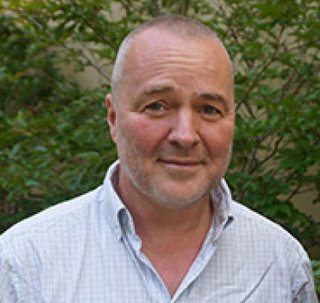
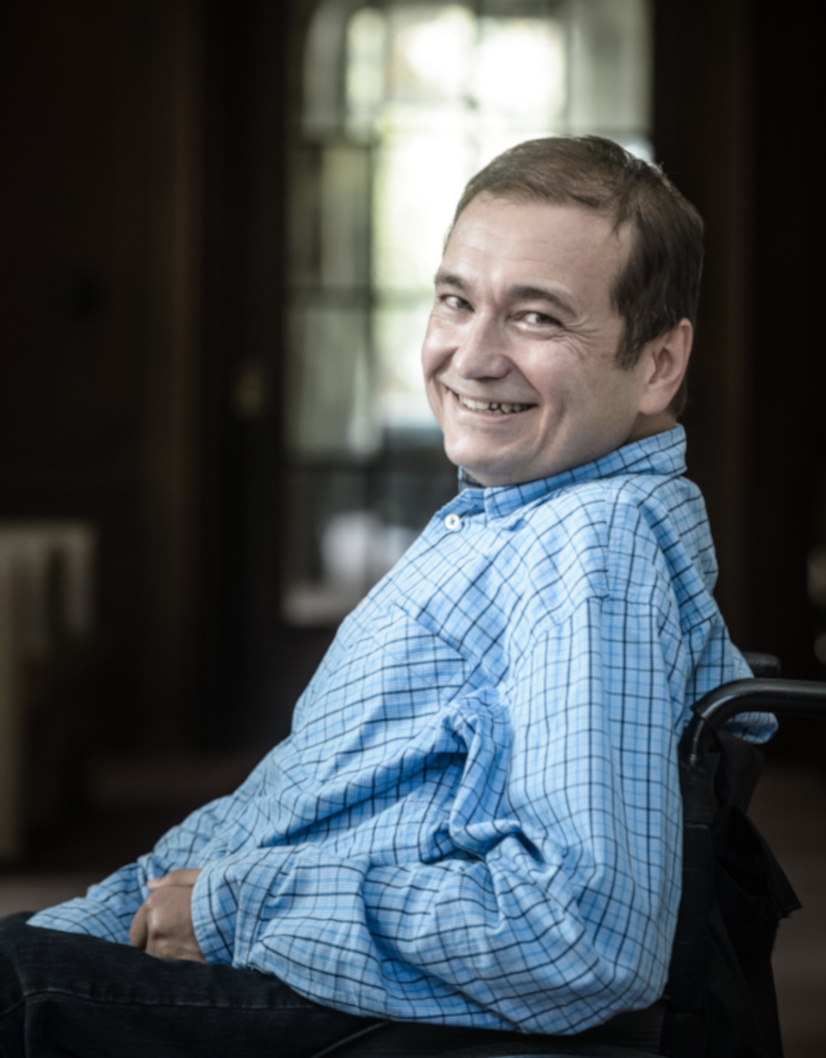
Prof. Matthias Schlesewsky is a Professor of Psychology at the University of South Australia. Previously, he held positions as Professor of General Linguistics at the University of Mainz and as a Junior Professor at the University of Marburg. With a unique background in chemistry and a PhD in linguistics, he specializes in interdisciplinary research at the intersection of science and humanities. His research focuses on the neurobiological foundations of language and how language processing evolves across the lifespan. Key interests include sentence comprehension mechanisms, cross-linguistic neurocognitive models, and the interplay between auditory processing and language evolution. Prof. Schlesewsky’s work integrates experimental methods like EEG and eye-tracking to explore real-time language processing. His contributions have advanced understanding of linguistic universals and neural mechanisms underlying language.
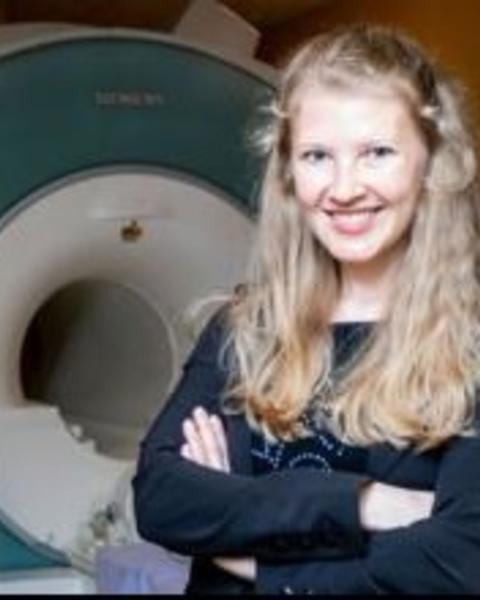
Evelina Fedorenko is an Associate Professor in the Department of Brain and Cognitive Sciences at the Massachusetts Institute of Technology (MIT) , with affiliations at Massachusetts General Hospital (MGH), Boston Campus . Her research focuses on the cognitive and neural mechanisms underlying language processing, including interactions with artificial systems like language models. Lab: Language Lab at MIT , exploring minds and brains creating language Key Research Areas: Cognitive Neuroscience of Language and Music, Neural Representations, Computational Models Her recent work examines how artificial language models map to human brain regions , investigates the universality of language networks across languages and individuals, and explores non-classical aspects like cerebellar involvement. She develops advanced methodologies for neuroimaging, including individualized brain mapping and standardized stimuli creation. Scientific contributions include debates on language localization, studies of language evolution, and frameworks for semantic analysis. Her team employs fMRI , MEG , and precision imaging to dissect the language-selective network and its interactions with other cognitive systems.
Pascal Gagneux is an Associate Director at the Center of Academic Research and Training in Anthropogeny (CARTA) and a joint faculty member in the Anthropology and Pathology Departments at the University of California San Diego. His research bridges evolutionary biology, glycobiology, and reproductive medicine, focusing on glycan roles in human-chimpanzee divergence and disease susceptibility. Education: PhD in Zoology (1998), MS in Population Biology (Basel University, Switzerland) Faculty: Cellular and Molecular Medicine (2007-present), CARTA (2008-present) As a molecular primatologist, he investigates glycan-mediated cellular recognition in reproduction and infection. His lab discovered sperm-associated neuraminidases critical for fertilization and demonstrated how influenza A viruses exploit sialic acid pathways. Current work explores human-specific glycan evolution through comparative anthropogeny frameworks. His publications span 2025-2020 , emphasizing: Glycan dynamics in age-related macular degeneration Human susceptibility to Alzheimer’s disease Microbial-glycan interactions in infectious disease Evolution of postreproductive cognitive protection Sialome evolution in host-pathogen systems Transdisciplinary anthropogeny research While no specific awards are mentioned, his work integrates UCSD’s biological anthropology labs with sociocultural implications of glycan biology. He also directs a graduate specialization in anthropogeny across eight PhD programs. The Gagneux Lab operates at the intersection of glycobiology, reproduction, and evolutionary medicine, using primate models to decode molecular mechanisms distinguishing humans from other apes.
Daniel Hanus is a Researcher at the Max Planck Institute for Evolutionary Anthropology in the Department of Comparative Cultural Psychology . He coordinates the Wolfgang Köhler Primate Research Center and Global Primate Study Network, with over 15 years of experience in African chimpanzee sanctuaries. His work spans Physical cognition Causal understanding Visual illusions Numerical competence Meta-cognition research in human and non-human primates. As an International Primatological Society member and ad hoc reviewer for journals like Animal Behaviour and Science , he contributes to methodological advancements. He teaches at the University of Leipzig and has held visiting positions at Free University Berlin and University of Tübingen. Hanus's research combines fieldwork at chimpanzee sanctuaries with controlled experiments to explore cognitive evolution. His 2025 publications in Nature Communications and Animal Behaviour examine neural precursors of language and social attention mechanisms, while 2023 work in Nature Ecology & Evolution reveals cognitive stability across primate development. 2009 Poster Competition Winner, Workshop on Cognition and Evolution, Rovereto 2003 Poster Competition Winner, German Primatological Society, Leipzig He coordinates research collaborations with Chimfunshi (Zambia) Tacugama (Sierra Leone) LCRP (Liberia) sanctuaries and maintains active research stays at Ngamba Island (Uganda) and Tchimpounga (Congo). Fluency in German, English, and French supports cross-cultural research initiatives.
Lomax Boyd is an Assistant Research Professor at the Johns Hopkins Berman Institute of Bioethics and a Civic Science Fellow. His work focuses on the ethical and scientific implications of emerging brain models such as organoids, chimeras, and genetically engineered organisms. He holds a PhD in Genetics and Genomics from Duke University and completed postdoctoral training in neurogenetics at The Rockefeller University. Education: BS in Biochemistry & Molecular Biology, University of Richmond MS in Biology, College of William and Mary PhD in Genetics & Genomics, Duke University Postdoctoral Research, The Rockefeller University Research Interests: Boyd explores how neurobiological discoveries intersect with ethical questions, particularly regarding moral status, public epistemology, and science communication. His work bridges neuroethics education, the governance of organoid research, and the societal implications of biotechnologies. Grants & Funding: Kavli Foundation: Studying epistemic beliefs and public attitudes toward science Dana Foundation: Neuroscience trainee ethics engagement programs Key Projects: Leads the Neuroscience & Society initiative connecting neuroscientists with stakeholders. Co-authored the Baltimore Declaration on organoid intelligence governance.
Dr. Noah Snyder-Mackler is an Associate Professor in the School of Life Sciences at Arizona State University. His research program spans aging biology, primatology, genomics, and immunology, with particular focus on non-human primate models and canine aging. His work investigates how social, environmental, and biological factors influence healthspan and aging processes across species. Recent publications demonstrate diverse methodological approaches including high-throughput DNA sequencing, transcriptomic profiling, field endocrinology, and behavioral observation. Article trends reveal strong emphasis on: 1) Socioecological influences on health in wild primates, 2) Genomic and epigenetic mechanisms of adaptation, 3) Multi-omics approaches to aging (Dog Aging Project), and 4) Host-parasite interactions in natural populations. His team frequently employs longitudinal designs in free-ranging populations to understand life history trade-offs.
Prof. Dr. Sabine Begall is a Researcher at the Department of General Zoology , Faculty of Biology , University of Duisburg-Essen. With over 25 years of experience, she focuses on the sensory ecology of subterranean mammals, particularly Fukomys anselli , exploring magnetoreception , acoustic communication , visual adaptations , and physiological responses to underground environments . Key Research Areas: Subterranean mammal sensory ecology Thyroid hormone regulation in aging Magnetic field orientation mechanisms Comparative auditory and visual systems Domestication syndrome in rodents Evolutionary adaptations in burrowing species Recent Article Trends: 2025 study on retinal ganglion cell diversity in microphthalmic mammals 2024 thyroid hormone and hypoxia research in mole-rats 2023 comparative analyses of burrow acoustics and dental structures Scientific Awards: Honor for outstanding dissertation (2001), University of Essen Fritz Frank Prize (2001), German Society for Mammalogy She serves as a reviewer for journals including Journal of Morphology , Animal Behaviour , and Scientific Reports , and has contributed to major publications on subterranean rodent ecology.
Zeray Alemseged is a Professor in the Department of Organismal Biology and Anatomy at the University of Chicago . He is a paleoanthropologist specializing in human evolution, particularly the origin and diversification of early hominins in the Mio-Pliocene and their ecological context. Education: B.Sc. in Geology (Addis Ababa University, 1990), M.Sc. in Paleontology (University of Montpellier II, 1994), Ph.D. in Paleoanthropology (University of Paris VI/National Museum of Natural History, 1998) His research focuses on: Phylogenetic relationships among early hominins Environmental and ecological drivers of human evolution Application of imaging and visualization techniques to fossil analysis Study of non-human primates (Cercopithecidae) in hominin sites His recent work explores cranial and dental morphology trends in Plio-Pleistocene hominins, isotopic dietary analysis, and the thoracolumbar transition in Australopithecus afarensis . Articles highlight his contributions to understanding brain growth patterns, enamel thickness, and the role of digital imaging in non-destructive fossil studies. Scientific Recognition: Donald N. Pritzker Professorship (2018) Emerging Explorer, National Geographic Society (2004) Fellow, AAAS (2013) and California Academy of Sciences (2011) Full Scholarship, Centre National des Oeuvres Universitaires (1993-1998) Zeray leads the Alemseged Lab , which combines fieldwork in East Africa (Dikika, Mille-Logya) with virtual paleoanthropology and digital imaging. He was appointed Chair of the Sub-Saharan Africa Faculty Working Group at UChicago in 2025, emphasizing his role in academic engagement with African institutions.
Professor Marco Prinz serves as Principal Investigator leading the Innate Immunity research group at the Institute of Neuropathology, University of Freiburg Faculty of Medicine. His laboratory investigates the critical role of brain-specific innate immune cells, particularly microglia, in neurological health and disease. Dr. Prinz's research focuses on understanding how microglia—the brain's resident macrophages—contribute to both protective and pathological processes in the central nervous system. His work examines microglial function in neuroinflammation, neurodegeneration, and autoimmune conditions like multiple sclerosis using advanced mouse models including EAE and cuprizone models. A significant portion of his recent research employs single-cell analysis techniques to characterize the heterogeneity of microglial cells in various disease states, particularly in chronic active lesions and paramagnetic rim lesions in MS patients. The laboratory has made important contributions to understanding microglial development, showing how these cells emerge from specific precursors and establish themselves in defined niches within the CNS. Their work has revealed how microglia act as both guardians and potential contributors to neurological damage, with implications for Alzheimer's disease, Parkinson's disease, and multiple sclerosis. Dr. Prinz's research team includes multiple postdoctoral researchers, PhD students, and technical staff who contribute to ongoing investigations into CNS immunity. His laboratory has pioneered techniques for studying microglia, including novel genetic tools and single-cell analysis approaches that have provided unprecedented insights into the cellular composition of brain lesions and the dynamic behavior of immune cells in neurological disorders.
Kate M Chapman is a Teaching Assistant Professor in the Department of Psychology within the College of Arts & Sciences at the University of Arkansas. Her academic work bridges cognitive and comparative psychology, with a focus on motor planning and goal-directed behavior in humans and animals. Education: Ph.D., Pennsylvania State University, 2013 M.S., Pennsylvania State University, 2010 B.A., New College of Florida, 2004 Her research investigates how adults, children, and nonhuman animals plan motor actions in anticipation of future goals, particularly during object manipulation and tool use. She explores cognitive planning across species, including primates such as lemurs and tamarins, examining evolutionary roots of motor behavior. She also contributes to pedagogical research in undergraduate psychology education. The recent publications reflect a strong trend in motor cognition, comparative psychology, and action planning. Her work frequently appears in high-impact journals such as Psychological Bulletin , Journal of Experimental Psychology , and Behavioral and Brain Sciences , emphasizing interdisciplinary approaches combining psychology, neuroscience, and evolutionary biology. Scientific Awards: No awards listed in the provided text. Advising and Grants: While no students or grant funding are explicitly mentioned, Dr. Chapman is actively engaged in research and teaching. She mentors students through her research in comparative motor planning and contributes to academic development via her instruction in core psychology courses such as Research Methods, Cognitive Psychology, and Comparative Psychology. Labs and Teams: Though specific lab names or research teams are not mentioned, her research activities suggest involvement in cognitive and comparative psychology research groups at the University of Arkansas, likely collaborating with experts in motor behavior, animal cognition, and educational psychology.
Dora Biro is the Beverly Petterson Bishop and Charles W. Bishop Professor of Brain and Cognitive Sciences at the University of Rochester, serving as Interim Chair of the Department of Brain and Cognitive Sciences. Her research focuses on animal cognition, collective behavior, and decision-making in primates and other species. Key interests include navigation, tool use, social learning, and animal culture. She leads studies in Gorongosa National Park, Guinea-Bissau, and other野外 environments, employing deep learning technologies for behavior analysis and social network mapping. Research emphasizes primate behavioral ecology, particularly in chacma baboons and chimpanzees, exploring how environmental factors (e.g., predation, seasonality) shape social and foraging strategies. She investigates cumulative culture in animal groups, collective intelligence, and cognitive evolution through tool-use studies. Her work bridges neuroscience, ecology, and anthropology. Education: Not explicitly stated in provided text. Affiliations: School of Arts & Sciences, Department of Brain and Cognitive Sciences, University of Rochester. Recent studies analyze leadership hierarchies in homing pigeons, collective learning dynamics, and the impact of human activity on wildlife behavior. She collaborates on projects involving genomic analysis of baboon populations and fossil records in Mozambique. Her lab integrates field observations with computational models to explore emergent behaviors in animal groups.
Onur Güntürkün serves as Professor for Psychology at Ruhr University Bochum and holds a Permanent Fellowship at the Wissenschaftskolleg zu Berlin (Institute for Advanced Study). His academic career spans decades of pioneering research in comparative cognition, with a focus on evolutionary parallels between avian and mammalian cognitive systems. As a Permanent Fellow, he leads the "One Cognition" project investigating convergent evolution of cognitive abilities across species with vastly different neuroanatomies. Academic Background: Diploma in Psychology, Ruhr University Bochum Dr. phil. in Psychology, Ruhr University Bochum Güntürkün's research centers on the paradox of equivalent cognitive abilities emerging from radically different neural architectures—specifically how birds with tiny brains (3-25g) and no neocortex achieve cognitive feats matching chimpanzees. His work demonstrates that corvids and parrots exhibit identical cognitive capabilities to primates in working memory, problem-solving, and social cognition. He investigates whether algorithmic constraints or neural implementation bottlenecks drive this convergence, using working memory as a model system due to its well-defined parameters across species. His experimental approach integrates behavioral studies with neural circuit analysis to uncover universal principles of cognitive evolution. Analysis of his publication history reveals a consistent trajectory from foundational neuroanatomical studies toward theoretical frameworks for cognitive convergence. The most recent works (2021-2024) emphasize circuit-level homologies between avian pallium and mammalian neocortex, while earlier publications established birds as valid models for complex cognition. Key thematic clusters include neural lateralization mechanisms, sensory modality effects on cognition, and evolutionary constraints on information processing. His 2024 Trends in Cognitive Sciences paper synthesizes two decades of evidence showing birds solve mental problems using cognitive mechanisms nearly identical to mammals despite 300 million years of divergent evolution. Professional Recognition: Honorary Doctorate (Dr. h.c.) Güntürkün actively contributes to scientific discourse through invited colloquia, including an upcoming presentation at Wiko on November 25, 2025. While specific grant details aren't documented in the source material, his sustained research output and leadership in major projects indicate significant funding acquisition. His work bridges neuroscience, evolutionary biology, and cognitive psychology, fostering interdisciplinary collaborations evident in co-authored publications with researchers from diverse fields. As Principal Investigator of the "One Cognition" project, Güntürkün directs a research initiative examining why evolution repeatedly produces similar cognitive solutions across phylogenetically distant species. This work involves comparative analysis of neural circuits across avian and mammalian models, with particular focus on working memory constraints and neural implementation strategies. His laboratory at Ruhr University Bochum collaborates with international teams studying bird cognition, contributing to the growing paradigm shift recognizing avian intelligence as a powerful model for understanding universal cognitive principles.
Caroline Schild-Poulter is a Professor and Scientist at the Robarts Research Institute, affiliated with the Schulich School of Medicine & Dentistry at Western University in London, Ontario, Canada. She leads research in the Molecular Medicine department, specifically within the Vascular and Brain Health Group, focusing on DNA damage response mechanisms and their implications in cancer development. Education: Undergraduate in Biology at the University of Lausanne, Switzerland (Major in Molecular Biology) Master's and PhD at the University of Lausanne (Topic: Mechanisms regulating gene expression) PhD training included a 2-year stage at the National Institutes of Health, Bethesda, USA Dr. Schild-Poulter's research program centers on DNA repair/signaling pathways activated by double-stranded DNA breaks, one of the most dangerous forms of DNA damage. Her work specifically investigates how DNA gets repaired and how apoptosis is activated when repair is not completed. Her research has significant implications for understanding cancer development, stroke, and aging processes. She has made notable contributions to understanding the roles of RanBPM in controlling apoptosis in response to DNA damage and how the DNA repair factor Ku functions to repair and signal from double-stranded DNA breaks. Analysis of her publication record shows consistent focus on DNA repair mechanisms, with recent work expanding into RNA-mediated immunity and protein degradation pathways. Scientific Awards: Natural Sciences and Engineering Research Council Canada (NSERC) Discovery Accelerator Award (DAS) Post-doctoral Fellowship, Medical Research Council of Canada and the Arthritis Society Post-doctoral Fellowship, Association pour la Recherche sur le Cancer (France) Fellowship, Centre National de la Recherche Scientifique (France) Post-doctoral Fellowship, Swiss National Science Foundation (Switzerland) Dr. Schild-Poulter has received significant research funding through competitive grants, including the prestigious NSERC Discovery Accelerator Award which supports her innovative work in DNA repair mechanisms. Her research program has led to numerous publications in high-impact journals and has contributed significantly to our understanding of genomic instability and cancer development. While specific students aren't listed in the available information, her position as a Professor suggests she mentors graduate students and postdoctoral fellows in her laboratory, contributing to the next generation of molecular biologists and cancer researchers. Dr. Schild-Poulter is a key member of the Molecular Medicine research group at Robarts Research Institute, where she maintains an active laboratory investigating DNA damage response pathways. Her work bridges basic molecular mechanisms with potential clinical applications in cancer treatment and prevention, particularly focusing on the critical balance between DNA repair and programmed cell death that prevents malignant transformation.
Isaac Kauvar is a Postdoctoral Fellow at the Department of Electrical Engineering, School of Engineering, Stanford University. He holds a B.S. in Engineering Physics specializing in Photonics, an M.S. in Electrical Engineering focusing on Imaging and Optimization, and is currently pursuing a PhD in Electrical Engineering under the co-advisement of Prof. Gordon Wetzstein. Education B.S. Engineering Physics, Stanford M.S. Electrical Engineering, Stanford His research bridges Neuroscience, Photonics, and Computational Modeling to develop advanced imaging and neural activity measurement technologies. Key contributions include optical brain-computer interfaces, light-field microscopy innovations, and neural circuit analysis across species. Recent publications highlight work in cortical imaging, emotional response modeling, and neurotechnology development. His expertise spans optical systems design, neural dynamics analysis, and brain state modulation. Contact: ikauvar@stanford.edu
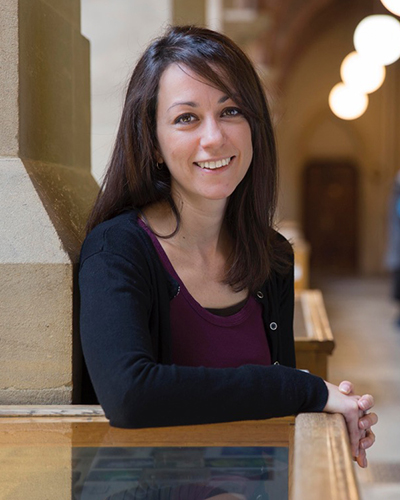
ROSA RUGANI is an Associate Professor at the University of Padua, Italy, specializing in cognitive and developmental psychology with a focus on numerical cognition. Her work explores how numerical and spatial representations emerge in non-human animals and humans, particularly through studies on domestic chicks, rhesus monkeys, zebrafish, and insects. She investigates foundational questions about innate numerical abilities, spatial-numerical associations, and the evolutionary origins of mathematical concepts. Her research integrates behavioral experiments, comparative approaches, and developmental studies to understand cross-species cognition. Research interests include proto-arithmetic capacities in animals, the mental number line in non-linguistic species, and the interaction between animacy, numerosity, and spatial processing. She has pioneered studies demonstrating that newborn chicks exhibit left-to-right spatial-numerical associations similar to humans, suggesting evolutionary conservation of these mechanisms. Her work challenges anthropocentric views of numerical cognition, emphasizing cognitive capacities in animals. Rugani's studies often use interdisciplinary methods, combining behavioral testing with computational modeling and neurobiological insights. She has contributed to debates on the biological basis of numerical concepts, the role of early environmental influences on cognitive development, and the relationship between numerical processing and other cognitive domains like object individuation and spatial attention.