Carina Mallard is Professor of Experimental Perinatal Brain Injury Research and Pro-Vice-Chancellor at the University of Gothenburg since July 2023, where she oversees research infrastructure and chairs the Research Board. She previously served as Deputy Vice-Chancellor (2021–2023) and Head of Core Facilities (2018–2021). Her academic career began with a Physiology degree from Lund University and a PhD in Pediatrics at the University of Auckland (1995), followed by a professorship appointment in 2006. Her research focuses on perinatal brain injury , particularly in premature infants , investigating neuroinflammatory mechanisms maternal dietary interventions neurovascular unit dynamics microglia activation long-term consequences of maternal obesity . Recent publications highlight her work on neonatal rodent models , transcriptomic profiling , and anti-inflammatory therapies . Key themes include RNA degradation , mitochondrial protection , and immune-neurovascular interactions . She has supervised 20 doctoral students since 2004 and collaborates internationally with institutions like King's College London. Contact details include two institutional emails and physical addresses across Gothenburg's biomedical campuses. Her leadership roles span research strategy, doctoral education, and EU-level scientific initiatives.
Dr. Steven P. Miller is a Professor and Head of the Department of Pediatrics at the University of British Columbia's Faculty of Medicine. He also serves as the Chief of Pediatric Medicine at BC Children's Hospital & Sunny Hill Health Centre under the Provincial Health Services Authority. Additionally, he holds the Hudson Family Hospital Chair in Pediatric Medicine and is an Investigator at BC Children's Hospital. Dr. Miller's research focuses on neonatal neurology, particularly brain development and injury in newborns. His work utilizes advanced magnetic resonance techniques and bedside brain monitoring to understand how a baby's critical care experience influences their risk of brain injury and developmental trajectory. His research areas include birth defects, concussion, preterm labor, and steroid effects on neonatal brain development. Analysis of Dr. Miller's recent publications reveals a strong emphasis on understanding the relationship between neonatal pain exposure, analgesia, and brain development in preterm infants. His work also extensively examines neurodevelopmental outcomes in infants with congenital heart disease, exploring how fetal hemodynamics, surgical interventions, and brain imaging findings correlate with long-term cognitive outcomes. A significant portion of his research investigates the impact of socioeconomic status on brain development and neurocognitive outcomes in preterm infants. Dr. Miller is actively involved in graduate education, supervising students in Neuroscience and Women+ and Children's Health Sciences programs at UBC. His research group, part of the Brain, Behaviour & Development Research Theme and the Neurodevelopmental and Neurological Disorders Visualizing the Brain Research Group, has published extensively in top-tier journals across neurology, pediatrics, and neuroscience.
Dr. Chanel Watson is a Senior Lecturer and Programme Director in the School of Nursing and Midwifery at the Royal College of Surgeons in Ireland (RCSI), where she also serves as Deputy Director of Academic Affairs and coordinates Erasmus activities. She holds a Doctorate in Higher and Adult Education from Maynooth University (2020) and has additional postgraduate qualifications in Healthcare Ethics and Health Professions Education. Her research focuses on nursing education and prescribing practices, employing qualitative methodologies. She currently co-supervises 3 PhD students and is the primary supervisor for an additional 3. Dr. Watson has held roles in research ethics committees, including appointment to the National Research Ethics Committee for clinical trials in 2024, and has led national initiatives in nurse prescribing education frameworks. She has secured grants totaling over €1.6M for projects including nurse prescribing programs, gerontology education, and clinical trial coordination. Dr. Watson is an external examiner at multiple universities and actively reviews submissions for journals like Nursing Ethics and Journal of Nursing Education and Practice . Her professional engagements include leadership in national healthcare education reforms and international conference speaking engagements. Education: MSc in Healthcare Ethics and Law, RCSI (2004–2006) Post Graduate Diploma in Health Professions Education, RCSI (2014–2015) Doctorate in Higher and Adult Education, Maynooth University (2016–2020) Research Interests: Dr. Watson’s work emphasizes advancing nurse and midwife prescribing education, healthcare ethics, and clinical trial coordination. She has pioneered programs such as Ireland’s first Professional Certificate in Musculoskeletal Casting and Splinting. Her qualitative research explores nurse-patient interactions in acute care settings and the impact of burnout on pediatric nursing outcomes. She advocates for evidence-based practices in pain management and patient safety. Grants & Awards: €968,830 National Tender for PGDip Gerontology (2024) €450,000 Sexual Assault Forensic Nurse Examiner Education (2025) €225,180 Residential Care Education (2024) Fellowship of the Faculty of Nursing and Midwifery Committees & Leadership: National Lead for Nurse/Midwife Prescribing Competency Framework (HSE/NMBI) Member of National Research Ethics Committee CT-D External Examiner for University of South Wales and University College Cork
Dr. Nirupama Laroia is a Clinical Professor at the University of Rochester School of Medicine and Dentistry , affiliated with the Department of Pediatrics and specializing in Neonatology . Her clinical expertise spans neonatal resuscitation, cardiopulmonary physiology, and global neonatal survival. Education : M.B.B.S., Christian Medical College & Hospital (India), 1980 Fellowship, Neonatology, University of Rochester Medical Center, 1994–1996 Residency, Pediatrics, Medical College of Virginia, 1993–1994 Residency, Pediatrics, Banaras Hindu University (India), 1981–1984 Dr. Laroia's research focuses on neonatal seizures , hypoxic-ischemic injury , and neuroprotective strategies . She has explored auditory toxicity in jaundiced infants, oxygen saturation targets for preterm infants, and cultural factors affecting breastfeeding. Her work emphasizes translational outcomes, linking EEG monitoring to seizure prediction and evaluating donor milk benefits for preterm infants. Her recent publications highlight trends in neonatal neurology , respiratory care , and metabolic studies . Notable topics include bilirubin-induced auditory neuropathy, oxygen saturation thresholds in preterm infants, and heat loss prevention in neonates. Scientific Awards : Best Doctors in America , 2004 Strong Star , University of Rochester Medical Center, 2008 & 2013 2005 Nominee, Father Norton Award , Rochester General Hospital
Geoffrey Handsfield is an Assistant Professor at the University of North Carolina at Chapel Hill, holding appointments in the Department of Orthopaedics and the Lampe Joint Department of Biomedical Engineering. His work integrates advanced medical imaging, computational modeling, and mechanical experimentation to improve clinical orthopaedic medicine and understand musculoskeletal form and function. Educated at East Carolina University (B.S. Physics, Summa Cum Laude with Mathematics Minor), the University of Virginia (Ph.D., Biomedical Engineering), and as a Whitaker Postdoctoral Scholar at the University of Auckland, his research focuses on musculoskeletal MRI, computational modeling of muscle-tendon interactions, and pediatric cerebral palsy rehabilitation. Education: Ph.D., Biomedical Engineering, University of Virginia, 2014 Postdoctoral Fellowship, Auckland Bioengineering Institute, 2014–2016 (Whitaker Scholar) B.S., Physics (Summa Cum Laude), Mathematics Minor, East Carolina University, 2008 Research Interests: Dr. Handsfield’s lab pioneers techniques like ultra-high contrast MRI and 3D ultrasound to study muscle-fascia interactions, tendon mechanics, and pediatric cerebral palsy. Key areas include: Image-based computational models for personalized musculoskeletal analysis Muscle architecture and regeneration in children and athletes Biomechanical interventions for cerebral palsy rehabilitation Non-invasive muscle profiling for clinical decision-making Awards: Aotearoa Early Career Research Fellow, Robertson Foundation Early Career Research Award, Australia-New Zealand Orthopaedic Research Society Whitaker Postdoctoral Scholar Academic All-American in Swimming & Diving (2007–2008) Advising & Grants: While specific grant details are not listed, his lab’s focus on pediatric cerebral palsy and musculoskeletal modeling suggests involvement in NIH-funded or foundation-sponsored research. No formal advisees are listed in the provided data. Labs & Teams: His interdisciplinary lab collaborates with clinicians and engineers to translate imaging and modeling innovations into clinical practice, focusing on tools like the dSIR MRI sequence and high-dimensional muscle clustering for athlete and pediatric populations.
Dr. Kelly Crossley is a Senior Research Fellow at the Fetal and Neonatal Health Research Group, The Ritchie Centre, Hudson Institute of Medical Research, and an Adjunct Senior Research Fellow in the Department of Obstetrics and Gynaecology at Monash University, within the Faculty of Medicine, Nursing and Health Sciences. She is actively involved in perinatal research and is accepting PhD students. Senior Research Fellow – Hudson Institute of Medical Research Adjunct Senior Research Fellow – Department of Obstetrics and Gynaecology, Monash University Dr. Crossley earned a Bachelor of Science (Honours) from Monash University (1991–1995), focusing on fetal behavioural states regulated by progesterone. Her research centers on perinatal physiology, particularly the respiratory and cardiovascular transition at birth. She investigates mechanisms of brain injury in newborns and develops interventions to improve spontaneous breathing in preterm infants. Her work employs advanced preclinical models in rabbits and sheep and leverages synchrotron imaging from Australian and Japanese facilities. Key areas include neonatal resuscitation, congenital diaphragmatic hernia, transient tachypnoea, and mechanical ventilation. The recent publications highlight a strong trend in preclinical neonatal physiology, focusing on resuscitation techniques, lung development, and circulatory recovery. Her work bridges animal models and clinical translation, especially in oxygenation strategies and cord clamping. Reducing respiratory distress after caesarean delivery Phase-contrast neuroimaging for early detection of brain injury Improving neonatal transition in CDH Reducing pulmonary hypertension in CDH Mechanisms to improve newborn respiratory function via X-ray imaging Dr. Crossley has led multiple research projects as a Primary Chief Investigator and collaborates widely with clinicians and scientists. She has secured active and completed grants from diverse sources, including Congenital Diaphragmatic Hernia Australia. While no awards are listed, her leadership in high-impact, peer-reviewed research underscores her scientific contributions. She is a key member of the Fetal and Neonatal Health Research Group at The Ritchie Centre, Hudson Institute, where she conducts collaborative, multidisciplinary research integrating physiology, imaging, and clinical innovation.
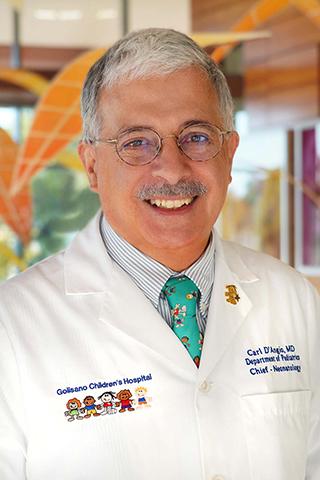
Carl T. D'Angio, M.D. is Professor of Pediatrics at the University of Rochester School of Medicine and Dentistry , Chief of the Division of Neonatology, and attending neonatologist at both URMC and Rochester General Hospital. With over three decades of clinical and research leadership, his work focuses on improving outcomes for at-risk newborns through clinical trials, infection/immunity research, and neonatal ethics. MD from Johns Hopkins University (1983) Pediatrics Residency at Children's Hospital of Philadelphia (1985-1987) Neonatology Fellowship at University of Rochester (1991-1994) His research leadership includes principal investigator roles in the NICHD Neonatal Research Network for multi-center trials on immunizations in premature infants , lung injury prevention , and catheter-related infections . Recent work examines antibiotic effects on preterm outcomes and social determinants of care . Scientific contributions span bronchopulmonary dysplasia pathogenesis , vaccine immunogenicity in preterm infants, and hyperoxia-induced lung injury mechanisms. Awards include Best Doctors in America (multiple years) and Buswell Fellowship . Collaborative studies address neonatal ethics , developmental outcomes , and global perinatal health through publications in JAMA , JAMA Pediatrics , and Pediatrics . As a principal investigator, he bridges clinical practice with research through the Prematurity and Respiratory Outcomes Program (PROP) and AWAKEN acute kidney injury studies.
Laura R. Ment, MD, is a Professor of Pediatrics (Neurology) and Associate Dean for Admissions and Financial Aid at Yale School of Medicine . She specializes in neonatal brain injuries and neurological conditions in infants, including intraventricular hemorrhage , periventricular white matter injury , and epilepsy . Her research focuses on the adaptive mechanisms of the developing brain , utilizing advanced MRI techniques and molecular technologies to identify biomarkers for brain maturation. Education : MD, Tufts University School of Medicine (1973) Pediatrics & Pediatric Neurology Training, Massachusetts General Hospital (1974–1979) Research Interests : Dr. Ment leads studies on neonatal brain injury , neurodevelopmental sequelae of preterm birth , and genetic mechanisms in developmental disorders . She pioneered multicenter trials on prevention of preterm brain injury and neural connectivity in preterm infants . Scientific Awards : Leah Lowenstein Award (2009) Norman Siegal Award (2023) Leadership & Grants : As a former member of the NIH/NINDS Council and Chair of its Clinical Trial Subcommittee, she has driven national research priorities. She currently oversees the START Program at Yale and serves as a sub-investigator for the Genomic Basis of Neurodevelopmental and Brain Outcomes in Congenital Heart Disease trial (HIC ID 2000020449).
Sonia Caprio, MD is a Professor of Pediatrics (Endocrinology) at Yale School of Medicine. She serves in multiple roles including as a member of the Pediatric Endocrinology & Diabetes department, Diabetes Program, Diabetes Research Center, Liver Center, Obesity Research Working Group, Pediatric Weight Solutions Program, Yale Medicine, Yale Stress Center, and Yale Ventures. Dr. Caprio is a leading researcher in childhood obesity and type 2 diabetes with over 25 years of experience in patient-oriented research. Dr. Caprio received her medical degree from Universita di Medicina e Chirurgia in 1978. She completed residencies at Ospedale Cardarelli (1980), Universita' di Medicina e Chirurgia (1980), and Temple University Hospital (1983), followed by a fellowship at Yale University School of Medicine (1989). Dr. Caprio's research focuses on understanding the pathophysiology of childhood obesity and type 2 diabetes, with particular emphasis on insulin resistance and beta-cell dysfunction. Her work has demonstrated a faster progression of beta-cell failure in obese adolescents, which helped stimulate funding for major clinical trials like TODAY and RISE. She has assembled two large multiethnic cohorts: the Pathogenesis of Youth Onset Diabetes (PYOD) study and the Yale Pediatric NAFLD/NASH Cohort to investigate the roles of insulin resistance, beta-cell dysfunction and NAFLD in the earliest stage of T2D. Her research spans clinical and basic science in metabolism, genetics, and imaging. Analysis of Dr. Caprio's most recent publications reveals a continued focus on metabolic disorders in youth, with particular attention to insulin resistance mechanisms, genetic factors in obesity, and treatment approaches for conditions like familial hypercholesterolemia. Her work spans basic science, clinical research, and translational applications, often examining how metabolic processes differ between youth and adults, and how these differences impact disease progression and treatment response. K24 Investigator Award in Patient Oriented Research (2001-2011) Bayer Scholar Award in Diabetes Research (2003) Distinguished Clinical Scientist Award, American Diabetes Association (2008-2012) Distinguished Leader in Insulin Resistance Award, International Committee for Insulin Resistance (2015) The Samuel J. Fomon Nutrition Award from the American Academy of Pediatrics (2017) Dr. Caprio has served as Principal Investigator for multiple clinical trials including "Semaglutide Effects in Obese Youth With Prediabetes/New Onset Type 2 Diabetes and Non-Alcoholic Fatty Liver Disease," "The Role of Hepatic De Novo Lipogenesis (DNL) in the Pathogenesis of Hepatic Steatosis," and "Children's Health Study to investigate adipocyte cell and lipid turnover in obese adolescents." She has also been a Sub Investigator for studies like "Preventing Obesity in Preterm Infants." Her research has been funded by NIH-NICD and other national and international organizations. Dr. Caprio emphasizes family-centered approaches to treating childhood obesity and diabetes, incorporating cutting-edge genetic testing to understand individual patient metabolism. Dr. Caprio leads research teams focused on pediatric endocrinology and metabolism, with particular expertise in obesity, type 2 diabetes, and NAFLD in children and adolescents. Her work involves collaborations with researchers across multiple disciplines including genetics, imaging, and basic science to understand the complex mechanisms underlying metabolic disorders in youth. She is recognized for demonstrating the faster tempo of progression of beta-cell failure in obese adolescents, which has significantly influenced the field's understanding of youth-onset type 2 diabetes.
Dr. Brian Henry Walsh is a Principal Investigator at the INFANT Research Centre and a Consultant Neonatologist at Cork University Maternity Hospital. He holds an academic appointment at Harvard Medical School and has collaborated on neonatal neuroprotection projects across 14 regional sites. Education: MD from Trinity College Dublin (2004), PhD from University College Cork (2014) Professional Experience: Completed neonatal training at Harvard (2013–2017), served as Attending Neonatologist at Brigham and Women’s Hospital His research focuses on early identification of brain injury in newborns , optimization of neuroprotection strategies , and analysis of MRI patterns in neonatal encephalopathy . He has pioneered studies on mild hypoxic-ischaemic encephalopathy (HIE), therapeutic hypothermia eligibility guidelines, and machine learning applications for risk prediction. Current projects include investigating HIE-epilepsy associations and EEG-neurodevelopment links in preterm infants. Scientific contributions include: Regional consensus guidelines on therapeutic hypothermia Multi-centre imaging cohort for at-risk newborns Regional database development for outcome assessment As a clinician-scientist, he bridges clinical practice with cutting-edge research in newborn neurology, maintaining collaborations in both Boston and Cork.
Topun Austin is a Consultant Neonatologist at Cambridge University Hospitals NHS Foundation Trust and holds the title of Honorary Professor in the Department of Medical Physics and Biomedical Engineering at University College London (UCL). Since 2008 he has led neonatal neurocritical care services in Cambridge, secured over £3 million in competitive research funding, and established the Evelyn Perinatal Imaging Centre at the Rosie Hospital. Education & Clinical Training Medical degree and specialist training leading to accreditation as a Consultant Neonatologist (details not specified in text). Research Interests Professor Austin’s work centres on three interconnected themes: Cerebrovascular physiology in preterm infants – developing novel autoregulation markers and exploring cardiac–cerebrovascular coupling. Brain function & behaviour – leading neoLAB , an interdisciplinary Cambridge–UCL collaboration using optical and EEG systems to study functional brain development in healthy and sick newborns. Neonatal neurocritical care translation – integrating research findings into award-winning regional neuroprotection services in the East of England. Research Funding & Awards His programme has been supported by major funders including the Bill & Melinda Gates Foundation, Medical Research Council, Engineering and Physical Sciences Research Council, Health Foundation, Evelyn Trust, Rosetrees Trust and British Academy/Leverhulme Trust, among others. Collaborative Networks & Infrastructure Local collaborations span Cambridge’s Department of Neurosurgery (Prof Marek Czosnyka), Autism Research Centre (Prof Simon Baron-Cohen), Department of Psychiatry (Prof John Suckling) and Department of Psychology (Dr Vicky Leong). National and international partners include UCL’s Department of Medical Physics & Biomedical Engineering (Profs Jem Hebden & Clare Elwell), Birkbeck Centre for Brain and Cognitive Development (Prof Mark Johnson, Dr Sarah Lloyd-Fox) and the Department of Neonatology, University of Copenhagen (Prof Gorm Greisen).
Prof. Thomas Mayrhofer is a Professor of Economics at Stralsund University of Applied Sciences since 2015 and concurrently serves as Lecturer at Harvard Medical School. He holds a doctorate in Health Economics from the University of Duisburg-Essen, after studying Economics at Otto-von-Guericke University Magdeburg. His career includes research roles at CINCH (Essen) and Massachusetts General Hospital (Boston). Education: PhD in Health Economics (University of Duisburg-Essen) MSc Economics (Otto-von-Guericke University) Research Focus: Health Economics Medical Decision Theory Cardiovascular Disease Pathophysiology Atherosclerosis Mechanisms Imaging Biomarkers Sustainability in Healthcare Key Article Trends: Recent work emphasizes cardiovascular outcomes in HIV populations (REPRIEVE Trial), epicardial adipose tissue imaging, air pollution-cardiovascular links (PROMISE Trial), and preterm infant neurodevelopment. His research bridges clinical medicine and economic decision frameworks. Labs/Teams: Collaborates with Harvard Medical School's cardiovascular imaging group and CINCH Health Economics Research Center.
Anne Gallagher is Full Professor at the Department of Psychology, Faculty of Arts and Sciences, University of Montreal, and researcher at the CHU Sainte-Justine Research Center. She directs the LIONLAB (Laboratory of Optical Imaging in Neurodevelopment) and holds the Canada Research Chair in Child Neuropsychology and Brain Imaging. Her research examines cognitive and language development using neuroimaging techniques like fNIRS and EEG. Research focuses on: Typical language development in early childhood Cognitive effects of pediatric conditions (epilepsy, congenital heart defects, prematurity) Development of neuroimaging assessment techniques Her publications demonstrate strong focus on pediatric neurodevelopment, particularly in congenital heart disease populations and neuroimaging methodology advancement. Recent work explores early intervention efficacy and neurophysiological biomarkers. Awards include: Canada Research Chair (2019-2024) FRQS Chercheur-Boursier Junior 2 (2019-2022) Rising Star, Canadian League Against Epilepsy (2015) Directs the CerebrUM neuropsychology research hub and supervises graduate students in neuropsychology/neuroscience programs. Leads multiple CIHR-funded projects on neurodevelopmental outcomes in clinical pediatric populations.
Jon Skranes is a Professor and Chief Physician specializing in pediatrics at NTNU. He holds positions as Senior Consultant at Sørlandet Hospital HF and Head of the Habilitation Service for Children and Adolescents (HABU). His roles include leading the Pediatric Brain Research group within the Agder Brain Circuit (ABCDE) research cluster and serving on the board of FASD Alliance in Europe. His work focuses on neurodevelopmental outcomes in preterm infants, cognitive deficits in pediatric populations, and neuroimaging applications in developmental medicine. Research interests emphasize brain structure-function relationships in children born preterm, including white matter development, cortical thickness trajectories, and long-term neurocognitive outcomes. He has pioneered studies on working memory training interventions for pediatric and elderly populations with cognitive impairments. Collaborations span institutions like Harvard Medical School and the University of Oslo, leveraging advanced neuroimaging techniques and genetic analyses. Publications (2016-2009) highlight work on neurodevelopmental origins of brain changes, preterm birth impacts on brain structure, and molecular genetics of cerebral palsy. His clinical contributions include establishing regional expertise centers for prenatal exposure disorders and evaluating digital health literacy tools for parents of sick children. Key roles: Research Group Leader, Clinical Neurologist, Academic Supervisor Research Foci: Prematurity effects, Neuroplasticity, Cognitive Rehabilitation Notable Projects: Memory Aid Study (working memory training), neonatal brain atlas development
Dr. John Flibotte is an Associate Professor of Clinical Pediatrics at the Perelman School of Medicine, University of Pennsylvania, and holds multiple leadership roles at Children's Hospital of Philadelphia (CHOP). As Co-Medical Director of the Neonatal Neurocritical Care Program and Associate Program Director for both the Neonatal-Perinatal Fellowship and Pediatric Residency programs, he bridges clinical care, education, and research. His expertise spans neonatal neurocritical care, infant brain injury, and medical education innovation. Dr. Flibotte graduated from Harvard College and Harvard Medical School, completing residency and fellowship training at CHOP. His research focuses on neurodevelopmental outcomes after hypoxic-ischemic encephalopathy, hydrocephalus management, and neonatal neuroimaging. He collaborates with Neurology, Neurosurgery, and Radiology teams in the Neonatal/Infant Intensive Care Unit (N/IICU) and participates in high-risk prenatal consultations through the Special Delivery Unit. His educational contributions include mentorship programs for junior faculty and trainees, earning awards such as the Istvan Seri Teaching Award. He leads quality improvement initiatives addressing developmental follow-up for preterm infants and CLABSI reduction in neonatal care. Dr. Flibotte also serves on multiple institutional committees, including the Data Safety Monitoring Board for clinical trials in neonatal conditions. His publications span 20+ years, emphasizing translational research in neonatal neurology and critical care innovations. Key areas include predictive modeling for neurodevelopmental outcomes, parental decision-making in trials, and novel imaging techniques for brain injury detection. Awards: Early Career Honor Roll (Pediatric Residents Teaching) Istvan Seri Teaching Award (Neonatology Fellows) Schmidt-Kirpalani Mentoring Award (Fellows/Junior Faculty) His clinical and research teams collaborate across CHOP's Neonatology, Fetal Diagnosis and Treatment Center, and Neurocritical Care Program, integrating translational science with bedside care to improve outcomes for neonates with complex neurological conditions.