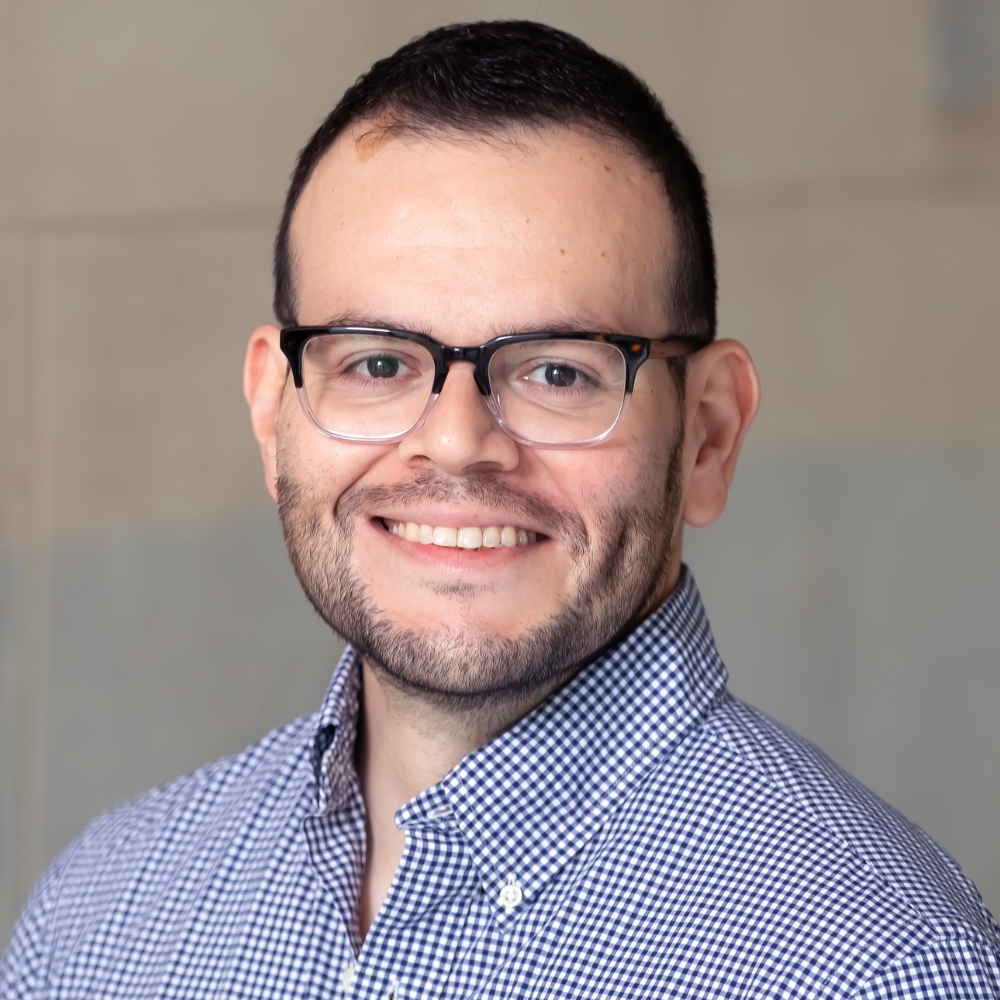
Dr. Sergio Ascencio is a Lecturer in the Department of Government at the University of Essex. He holds a PhD from the University of Rochester (2018). His academic career includes roles as Assistant Professor at the University of New Mexico (2019–2021) and Postdoctoral Associate at NYU Abu Dhabi (2018–2019). His research focuses on comparative politics, electoral systems, and political behavior, with a regional emphasis on Mexico and South Asia. Key themes include primary elections, vote buying, political dynasties, and party strategies. His work employs experimental methods and institutional analysis to explore questions of governance and democratic accountability. Recent publications (2021–2024) examine nomination rules, primary adoption, and voter dynamics across multiple countries. His 2019 study on partisan poll watchers and electoral manipulation highlights expertise in electoral integrity. Earlier work (2015, 2009) addresses issue salience modeling and delegation mechanisms in Mexican state legislatures. Contact: Email at sergio.ascencio@essex.ac.uk or via Zoom during academic support hours (Tuesdays 2–4 PM).
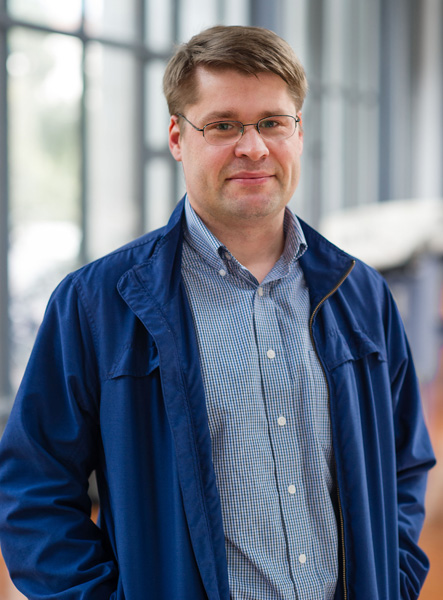
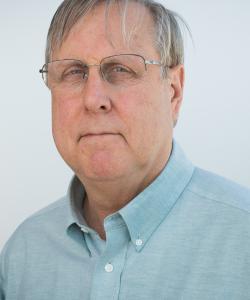
Prof. Dr. Heiko Paulheim is a Professor of Data Science and currently serves as University Vice President at the University of Mannheim. He leads the Data and Web Science Group (DWS), which focuses on Web Data Mining, Knowledge Graphs, and Semantic Web technologies. His research group contributes to open source knowledge graphs like DBpedia and develops new knowledge graphs such as WebIsALOD and DBkWik. As of October 1, 2024, he has limited teaching capacity due to his vice presidential duties. Prof. Paulheim's research interests span Knowledge Graphs, Semantic Web, Web Data Mining, Machine Learning, and Natural Language Processing. His work particularly focuses on knowledge graph refinement, embedding techniques (notably RDF2vec), and applications in various domains including news recommendation, biomedical informatics, and environmental monitoring. His group develops practical tools like the RapidMiner Linked Open Data Extension and RDF2vec for knowledge graph applications. His recent publications demonstrate a strong focus on knowledge graph embeddings, with particular attention to RDF2vec variants, applications in news recommendation systems, biomedical data integration, and spatio-temporal knowledge graphs for environmental monitoring. His work bridges theoretical advances in knowledge representation with practical applications across multiple domains. Among his notable achievements are a nomination for the Best Paper Award at CAiSE 2025 and securing an Open Science Grant for the SpatialBenchRAG project. His research has significant impact in both academic and industrial contexts, with multiple papers accepted at top conferences like ISWC and ESWC. Prof. Paulheim has supervised numerous PhD students including Alexander Brinkmann and Michael Schlechtinger, and has led several research projects including the DFG Project Mine@LOD, State of BW Project SyKoW², and BMBF Project DS4DM. His group maintains strong industry connections with partners like SAP AG, Daimler AG, and IDS.
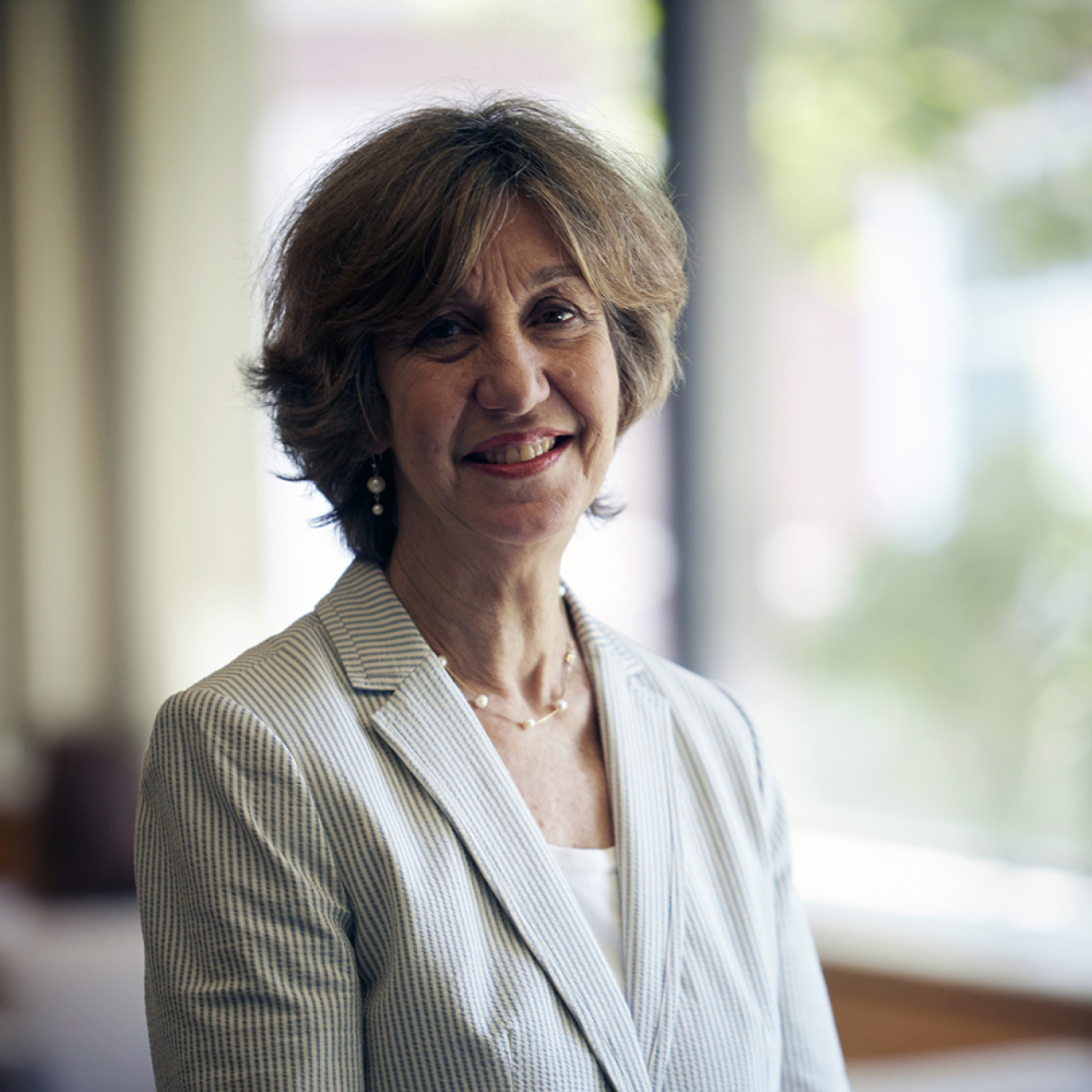
Diego Riveros-Iregui is a Professor in the Department of Geography at the University of North Carolina at Chapel Hill, recognized for pioneering research in ecohydrology and biogeochemistry. His work focuses on water-carbon-nitrogen interactions in tropical ecosystems, urban-rural gradients, and climate-impacted watersheds, employing high-frequency monitoring and advanced modeling techniques to address critical environmental challenges. His research interests center on tropical ecohydrology, particularly in Andean páramos and Galápagos Islands, examining carbon cycling in peatlands, nitrogen dynamics across land-use gradients, and stormwater impacts on urban streams. He integrates stable isotope analysis, machine learning, and field observations to study how geomorphology and climate variability regulate biogeochemical fluxes, with emphasis on vulnerable ecosystems facing anthropogenic pressures. Analysis of his 15 most recent publications (2021-2025) reveals dominant trends in high-resolution watershed monitoring, tropical carbon emissions, and urban hydrology. Key methodological innovations include machine learning for water use estimation, isotope-based tempestology, and bias correction in contaminant plume mapping, demonstrating interdisciplinary approaches spanning environmental engineering, climatology, and ecosystem science. Professor Riveros-Iregui has received the following scientific awards: Presidential Early Career Award for Scientists and Engineers (PECASE), the U.S. government's highest honor for early-career scientists, nominated by the National Science Foundation As a PECASE awardee, he leads NSF-funded research programs examining watershed processes across tropical and temperate regions. His collaborative work includes contributions to the EU-funded WELL CARE consortium on water security, though specific grant details and student mentorship records aren't documented in the source material. Current research priorities involve scaling point observations to watershed-level fluxes and assessing climate change impacts on island hydrology. While no dedicated laboratory is specified, his field studies leverage international partnerships in Ecuador's páramos and the Galápagos archipelago, focusing on microclimate-soil microbiome interactions and sustainable water resource management in high-elevation ecosystems.
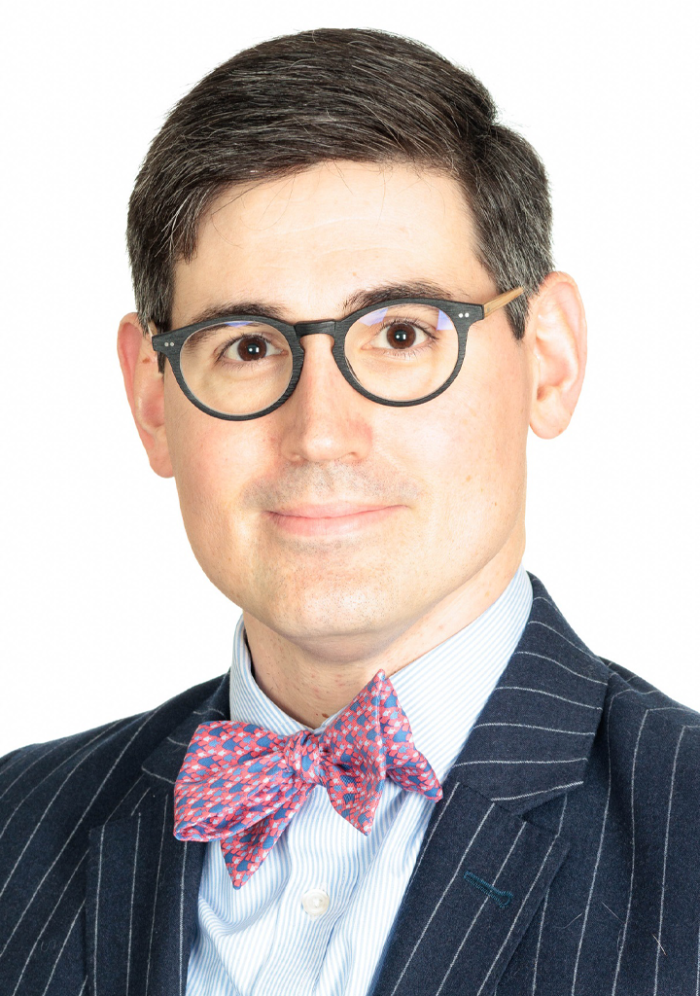
Patrick Wiseman is a Professor at Georgia State University College of Law, where he has taught since 1984. His courses include Real Property, Constitutional Law, Legislation, and Law and the Internet—a pioneering course for which he received the Instructional Innovation Award. He holds a B.A. from the University of Kent, a J.D. from Columbia University, and a Ph.D. in Philosophy from the University of Colorado. Previously, he clerked for Judge Frank J. Battisti and served as a visiting professor at Santa Clara Law School. Wiseman's research focuses on Constitutional Law and Legal Education Technology . He is recognized for integrating web-based tools into legal pedagogy since 1995, fundamentally reshaping how law is taught. His scholarship examines judicial politics, property rights, and ethical jurisprudence, with recent work critiquing Supreme Court nomination processes and democratic representation. His publications demonstrate consistent engagement with constitutional interpretation, judicial decision-making, and legal pedagogy. Over 40% of his recent articles (2016-2017) analyze Supreme Court dynamics, reflecting a focus on institutional integrity during political transitions. Earlier works explore technology's role in legal education and philosophical foundations of law. Awards & Honors: Instructional Innovation Award (Georgia State University) Tom Creed Compassionate Pioneer Award (American Association for Higher Education) CALI Excellence in Service Award
Yuriy Gorodnichenko serves as the Quantedge Presidential Professor in the Department of Economics at the University of California, Berkeley since 2018. His extensive academic affiliations include being a Faculty Research Associate at the National Bureau of Economic Research (2014-present), Research Fellow at the Institute for the Study of Labor (2007-present), International Fellow at the Kiel Institute for the World Economy (2011-present), and Research Consultant for both the European Central Bank (2018-present) and European Investment Bank (2017-present). He also serves as Editor of the Journal of Monetary Economics (2018-present) and Member of the Executive Committee of the Association for Comparative Economic Studies (2019-present). Education: Ph.D., Economics, University of Michigan, 2007 M.A., Statistics, University of Michigan, 2004 M.A., Economics (high honors; valedictorian), Economics Education and Research Consortium at National University of Kyiv-Mohyla Academy, Kiev, Ukraine, 2001 B.A., Economics (honors; valedictorian), National University of Kyiv-Mohyla Academy, Kiev, Ukraine, 1999 Gorodnichenko's research spans multiple subfields of economics with particular emphasis on monetary economics, public finance, international economics, and macroeconomics . His scholarly approach typically combines both macroeconomic and microeconomic data with rigorous theoretical and statistical analyses. His work is organized into five major categories: monetary economics, aggregate implications of informational frictions, business cycles, development/productivity/income differences, and inequality. As an applied macroeconomist, he frequently bridges methodological approaches across different economic subdisciplines. His publication record demonstrates consistent high-impact research across top economics journals including American Economic Review, Journal of Political Economy, and Review of Economic Studies. The trajectory of his work shows increasing focus on the microfoundations of macroeconomic phenomena, particularly how information frictions affect economic behavior and policy transmission mechanisms. His recent publications have increasingly addressed the distributional consequences of monetary policy and the role of cultural factors in economic development. Scientific Awards and Honors: Fellow, Econometric Society (2021) Highly Cited Researcher, Clarivate (2021) Distinguished Teaching Award, Social Science Division, UC Berkeley (2020) World Junior Prize in Monetary Economics and Finance (2018) NSF CAREER award (2012) Sloan Research Fellowship (2013) Multiple #1 rankings among young economists by RePEc (2014-2021) Best paper award, American Economic Journal: Economic Policy (2015) Gorodnichenko has received consistent recognition for his teaching and advising from UC Berkeley's Economics Department, including multiple runner-up positions and a win for the Best Advisor Award (2014). His research has been supported by prestigious grants including the NSF CAREER award and Sloan Research Fellowship. His impact metrics are substantial with over 19,000 citations and an h-index of 54, reflecting significant influence in the economics profession. While the scraped text doesn't specify dedicated research laboratories, Gorodnichenko maintains active research collaborations through his affiliations with major economic research institutions including NBER, IZA, and Kiel Institute. His editorial roles at leading journals position him at the center of contemporary macroeconomic research discourse.
Judith Block McLaughlin is a Senior Lecturer Emerita at Harvard University’s Graduate School of Education (HGSE), specializing in higher education leadership and governance. She has advised over 1,700 college presidents through her roles as Educational Chair of the Harvard Seminar for New Presidents and Co-Chair of the HGSE-HKS Crisis Leadership Program. Her career includes founding HGSE’s Higher Education Program and the Online Education Leadership Program, as well as serving as Dean of Student Affairs at two colleges and Executive Director of the National Academy of Education. Education: Ed.D., Administration, Planning, and Social Policy, Harvard University (1983) M.A.T., Secondary Social Studies, Harvard University A.B. Summa Cum Laude in Sociology, University of North Carolina Research Interests: McLaughlin’s work focuses on presidential transitions, board-president dynamics, and institutional governance. She emphasizes crisis leadership, leadership development in academia, and the role of nonprofit organizations in shaping educational policies. Her research bridges theory and practice, offering actionable frameworks for academic leadership challenges. Professional Contributions: Recipient of the Allen Splete Award (2022) and New England Excellence Award (2019) Endowed HGSE’s President-in-Residence program in her honor (2023) Former Chair of Massachusetts Public Education Nominating Council (2007–2014) Labs/Teams: Her leadership in founding and directing HGSE’s Higher Education Program and Crisis Leadership initiatives underscores her commitment to institutional resilience and effective educational governance.
Michael S. Kang is the Class of 1940 Professor of Law at Northwestern University Pritzker School of Law, recognized nationally for expertise in election law, campaign finance, voting rights, redistricting, and judicial elections. His research appears in premier law journals and has been cited by the U.S. Supreme Court, including in Justice Ginsburg's opinion in Williams-Yulee v. Fla. Bar , while receiving coverage in the New York Times , Washington Post , and Forbes . His academic foundations include: BA from the University of Chicago MA from the University of Illinois JD from the University of Chicago (Order of the Coif, Law Review Technical Editor) PhD in Government from Harvard University Professor Kang's research employs rigorous empirical methods to dissect critical election law issues, notably examining how campaign finance influences judicial behavior, the mechanics of partisan gerrymandering, and post- Citizens United regulatory voids. His co-authored book Free to Judge: The Power of Campaign Money in Judicial Elections (Stanford 2023) exemplifies his data-driven approach to understanding democratic institutions. His publication trends reveal sustained focus on constitutional dimensions of electoral systems, with recurring analysis of judicial decision-making in election contexts and evolving campaign finance frameworks. This body of work consistently bridges legal doctrine with political science methodology. Key honors include: Best Election Law Paper of 2017 (AALS Section on Election Law) Presidential Appointment to the Supreme Court Commission (Biden Administration) Order of the Coif distinction from University of Chicago Law School While specific grant details remain undisclosed, Kang's extensive empirical research and high-impact publications—including collaborations with scholars like Joanna Shepherd—demonstrate significant scholarly influence. His appointment to the Presidential Commission underscores national recognition of his expertise, though student advising specifics are not documented in available materials. No dedicated research laboratories or formal research teams are referenced in current institutional materials.
John P. Collins, Jr. is an Associate Professor in the Fundamentals of Lawyering Program at the George Washington University Law School, where he has been a faculty member since July 2020. He teaches core lawyering skills and focuses his scholarship on judicial nominations and court administration and reform. Professor Collins is a nationally recognized expert on judicial nominations, regularly providing insight to leading media outlets including the Wall Street Journal, the Economist, the Los Angeles Times, the National Law Journal, and major broadcast networks. He serves as a contributing writer for Balls & Strikes and has authored op-eds for Bloomberg and other publications. BA from Stonehill College JD from Fordham University Before entering academia, Professor Collins clerked for the Honorable Andrew J. Peck of the United States District Court for the Southern District of New York, then practiced as an associate at Sullivan & Cromwell in their litigation department. His practice focused on complex civil litigation, criminal and civil investigations, and appeals, representing major financial institutions and corporations in high-stakes matters while maintaining an active pro bono docket. His scholarship has been published in the Temple Law Review, the SMU Law Review Forum, and the Fordham Urban Law Journal, and has been cited in numerous prestigious law reviews and federal court opinions. Professor Collins's analysis of judicial nomination trends spans the Trump and Biden administrations, with particular focus on demographic shifts, confirmation processes, and the long-term impact of judicial appointments. Professor Collins has appeared on the NYU Journal of Legislation and Public Policy's LawsFlaws podcast to discuss judicial nominations and confirmations, analyzing the Biden administration's strategies compared to its predecessors, including differences in nominee demographics, professional backgrounds, and the evolving confirmation process.
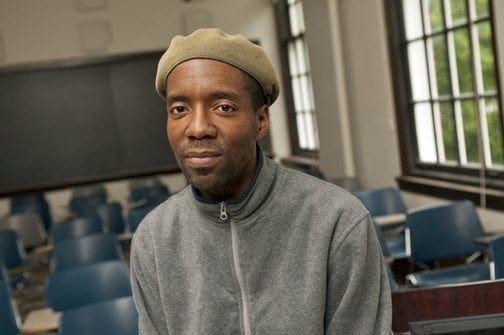
Lester Spence is a Professor of Political Science and Africana Studies at Johns Hopkins University's Krieger School of Arts & Sciences. He specializes in black politics, urban politics, and the impact of neoliberalism on racial dynamics. His research spans American political behavior, public opinion, and race relations, with notable works analyzing hip-hop culture's role in political discourse. Spence holds a PhD from the University of Michigan. His interdisciplinary approach bridges political science, cultural studies, and sociology. He has been recognized with the W.E.B. DuBois Distinguished Book Award (2013) for Stare in the Darkness and an Excellence in Teaching Award (2009). His scholarship frequently engages contemporary issues such as systemic racism, urban governance, and the intersection of media and politics. His research outputs include analyses of film (e.g., Do the Right Thing ), music (hip-hop's political potential), and historical figures like Ella Baker. He critiques neoliberal policies' effects on marginalized communities and explores alternative frameworks for Black political empowerment. Spence's work appears in top journals and media outlets, including NPR and the Marc Steiner Show . Key themes in his writings include the crisis of democracy, racial representation in urban contexts, and the need for reimagining Black political agency beyond neoliberal constraints. His recent work (2020–2025) addresses contemporary challenges like racialized democracy crises and the role of the Black fantastic in international relations.
Peverill Squire is a Professor of Political Science at the University of Missouri, holding the Hicks and Martha Griffiths Chair in American Political Institutions since 2007. He previously taught at the University of Iowa and served as a visiting professor at Meiji University (Tokyo) and held the John Marshall Chair in Political Science at Budapest University of Economic Sciences. He earned his Ph.D. from the University of California, Berkeley (1986). His research focuses on American politics, legislative studies, and state and local governance, with expertise in electoral systems, institutional evolution, and comparative legislative analysis. He has held leadership roles, including senior editor of Legislative Studies Quarterly , chair of the American Political Science Association’s Legislative Studies Section, and co-chair of the International Political Science Association’s Research Committee on Legislative Specialists. In 2018, he received the Career Achievement Award from the American Political Science Association’s State Politics and Policy Section. His work spans historical and contemporary analyses of legislatures, electoral reforms, and subnational politics. Recent studies include ballot measure reforms, legislative professionalization indices, and the evolution of democratic processes in the U.S. and globally. His research often bridges historical context with modern institutional challenges, emphasizing comparative and longitudinal approaches.
Gabriel Kikas is a part-time adjunct instructor in the Department of Political Science and Legal Administration at the University of Detroit Mercy since 2010. He holds a Ph.D. in International Relations from the University of St. Andrews, alongside degrees from Wayne State University, The American University, and the University of Detroit Mercy. Kikas has extensive teaching experience at multiple institutions including Macomb Community College and Henry Ford Community College. His research focuses on British-European Union dynamics, Scottish nationalism, Michigan's literary culture, 19th-century utopian communities, and the political writings of Jim Fairlie. Kikas has published over 20 book reviews in journals like Perspectives on Political Science and Driftwood Review , with recent work including analyses of Winnie Ewing's autobiography and contemporary political narratives. He also maintains a social blog for News that Moves , exploring current social issues through a cultural lens. Teaching specialties include American government, civil liberties, comparative politics, and international relations. His scholarly contributions span European political history, U.S. electoral systems, and labor studies, reflecting a commitment to interdisciplinary analysis across political theory and cultural studies.
Dr. Paul D. Foote is an Associate Professor of Political Science at Murray State University, specializing in judicial behavior and constitutional law. He teaches courses in judicial politics, constitutional law, and public administration, and advises the Murray State Mock Trial team. His research focuses on U.S. Supreme Court decision-making, public employee rights, and the interplay between legal precedents and case salience. Education: PhD (2002, Georgia State University), MA (1995, Villanova University), BA (1993, West Chester University). Research emphasizes institutional and external factors influencing judicial decisions, particularly on federal courts. Key themes include the role of moderate justices, First Amendment protections for public employees, and modern judicial moderation strategies. His work bridges theoretical judicial politics with practical legal outcomes. Publications span topics like whistleblower protections, social media conduct of public employees, and historical Supreme Court cases (e.g., Brown v. Board of Education). He has contributed to journals such as Public Integrity , New England Journal of Political Science , and Midsouth Political Science Review . Advising: Faculty advisor to the Murray State Mock Trial team, which competes nationally and provides hands-on legal training. No listed grants or external funding details are provided in the text. Labs/Teams: Active mentorship through Mock Trial, integrating classroom learning with competitive trial simulations.
Christopher Galdieri is a Professor of Politics at Saint Anselm College, specializing in American government, electoral systems, and political communication. He holds a PhD from the University of Minnesota and a bachelor's degree from Georgetown University. His teaching focuses on topics ranging from constitutional law to the New Hampshire primary, leveraging the college's proximity to political events for immersive learning experiences. Dr. Galdieri's research emphasizes New Hampshire's unique political landscape, identity politics, and the evolving role of digital media in elections. He frequently contributes expert analysis to national and international media, including WBZ Radio, The Boston Globe, and Sky Italy. Before academia, he worked in government relations and journalism, including roles at the Project for Excellence in Journalism. His recent work explores primary voter behavior, partisan strategy shifts, and the implications of identity politics in national elections. Notable projects include analyses of the 2020 election dynamics, the impact of the pandemic on voting patterns, and the historical context of political carpetbagging in U.S. Senate races.
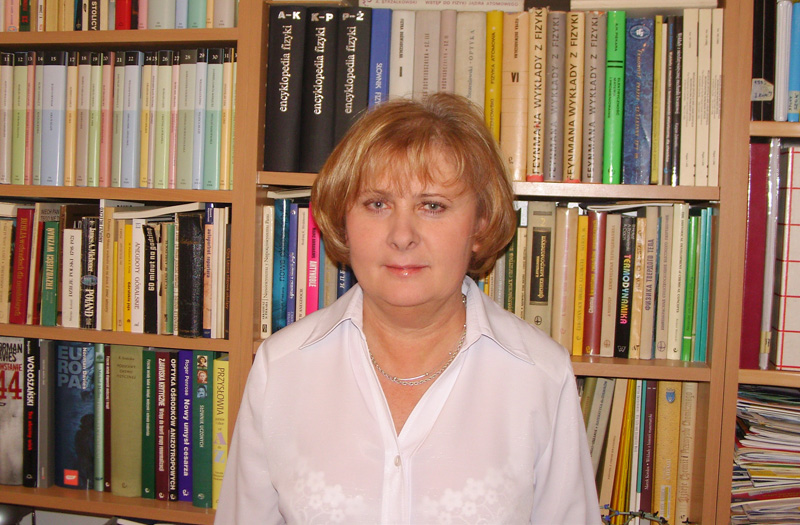
Malgorzata Witko is a full Professor and Director of the Institute of Catalysis and Surface Chemistry at the Polish Academy of Sciences (PAS) in Kraków, Poland. She has held continuous positions at this institute since 1973, progressing from assistant to professor in 1997 through presidential nomination. Her institutional affiliations include membership on Scientific Councils of the Institute of Nuclear Physics and Institute of Physical Chemistry in Poland, and active roles in the European Federation of Catalysis Societies (EFCATS) and European Research Council evaluation panels. Professor Witko's research focuses on quantum chemical approaches to catalytic processes, with expertise spanning heterogeneous, homogeneous, and enzymatic catalysis. Her work particularly examines electronic structures of transition metal oxide catalysts, oxygen activation mechanisms, and nanospace constraints in catalytic systems. She employs advanced computational methods including density functional theory (DFT) to model reaction mechanisms and surface phenomena. Her publication record includes over 130 papers with 1,740 citations and an h-index of 24. Recent research demonstrates consistent focus on computational catalysis, with publications covering vanadium/titanium oxide systems, porphyrin-based oxygen activation, enzyme reaction mechanisms, and nanospace effects in supported catalysts. Member of Polish Academy of Sciences (elected 2012) Knight's Cross of the Order of Polonia Restituta (2011) Vice President of EFCATS (2005-2009) Member of European Research Council Evaluation Panels (2006-2012) 1978 President's Award and 1st Prize from Polish Academy of Sciences Professor Witko has delivered over 110 international conference lectures including keynote addresses at NATO Advanced Institutes and major catalysis conferences. She has organized numerous international symposia on quantum chemical approaches to catalysis and serves on editorial boards of Catalysis Letters and Topics in Catalysis. Her extensive international collaborations include research groups at Fritz-Haber-Institut (Berlin), University of Vienna, and Université Pierre et Marie Curie (Paris).
Anthony J. Gaughan serves as Professor of Law and Kern Family Chair in Law at Drake University Law School in Des Moines, Iowa, and is also a Senior Fellow in the Election Law Program at Ohio State University's Michael E. Moritz College of Law. His academic career is dedicated to the study of election law, constitutional law, and legal history, with special expertise in campaign finance regulation, voting rights, and the historical development of American electoral systems. Professor Gaughan's research examines critical challenges to American democracy including political polarization, voter suppression tactics, and the impact of technological changes on electoral processes. His scholarly work spans from Colonial and Revolutionary America through the Civil War era to contemporary election controversies, providing crucial historical context for understanding current electoral challenges. His research often reveals how historical patterns of electoral conflict and reform repeat and evolve in modern contexts, particularly regarding campaign finance regulation and voting rights protections. His extensive publication record demonstrates a consistent analytical approach that connects historical patterns with contemporary election law issues. Gaughan's work frequently appears in prominent law journals, showing his significant influence in the field of election law. His scholarship addresses both theoretical constitutional questions and practical election administration challenges, bridging academic analysis with real-world electoral concerns. While specific details about his teaching methodology are not provided in the available information, his position as a named chair holder (Kern Family Chair in Law) indicates recognition of his scholarly contributions and teaching excellence. His affiliation with Ohio State University's Election Law Program suggests active engagement with the broader election law academic community.