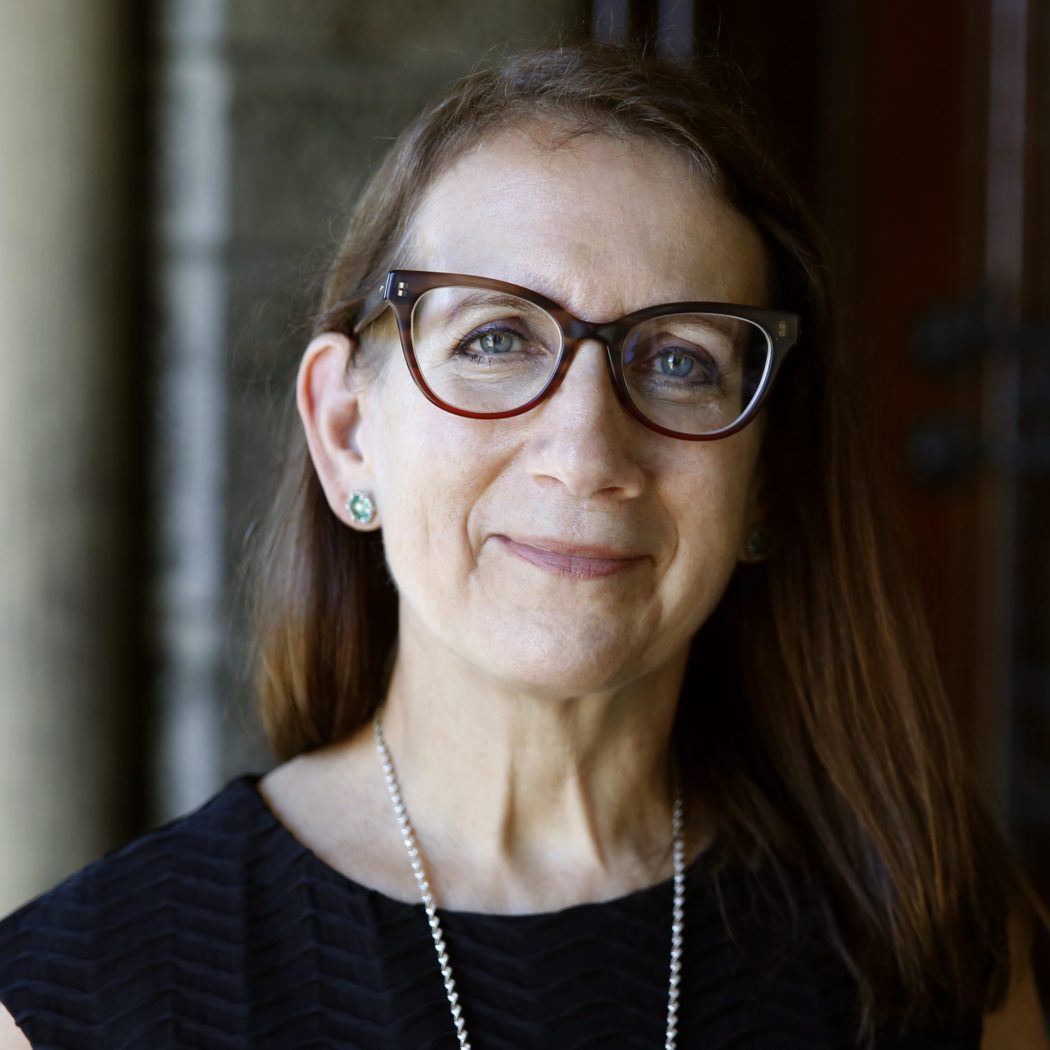
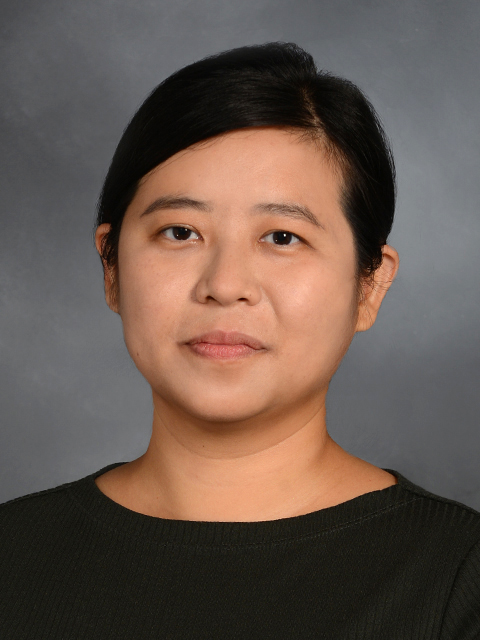
Katharine M. Donato is the Donald G. Herzberg Professor of International Migration and former Director of the Institute for the Study of International Migration (ISIM) in the School of Foreign Service at Georgetown University. Her work focuses on migration's economic, health, and social dimensions, including U.S. immigration policy, refugee integration, environmental migration drivers, and migrant health. Donato has held faculty positions at Vanderbilt and Rice Universities and was a visiting scholar at the Russell Sage Foundation (2017–2018). Her research explores topics such as deportation impacts, Mexican labor markets, and the legal visa system. Key contributions include co-authoring Gender and International Migration: From Slavery to Present (2015) and Refugee and Migrant Integration (2019). She leads projects funded by the National Science Foundation (NSF), Russell Sage Foundation (RSF), and others, including studies on Bangladeshi environmental migrants and assimilation of unaccompanied minors in the U.S. Donato’s work bridges disciplines, linking migration to health, policy, and climate change. Recent articles address extreme weather’s role in migration, medical-legal partnerships for immigrants, and predictive modeling of forced migration using social media data. Her scholarship emphasizes interdisciplinary approaches to global governance challenges and migrant well-being.
Ulrich Lächelt is an Assistant Professor in the Department of Pharmaceutical Sciences at the Faculty of Life Sciences. His research focuses on nanoparticle technology, drug delivery systems, and gene therapy, with a particular emphasis on CRISPR/Cas9 genome editing and RNA-based therapeutics. He leads a project on nanoformulations of prime editing ribonucleoproteins (2025–2029), aiming to advance precision medicine. His work contributes to UN Sustainable Development Goals, particularly in health and innovation. Research Interests: Nanoparticle design and material science CRISPR/Cas9 delivery systems siRNA and mRNA therapeutic formulations Cancer-targeted drug delivery Biomedical engineering applications Publications (2025–2023): Highlighted studies include dual pH-responsive CRISPR delivery systems and accelerated endosomal escape mechanisms. His work spans 40+ peer-reviewed articles, with recent trends focusing on xenopeptide carriers and tumor-targeted therapies. Grants & Projects: Current research funding includes a nanoformulations project (2025–2029). He actively collaborates on international initiatives, with recent presentations at global conferences on CRISPR delivery and gene editing strategies. Labs/Teams: Involved in interdisciplinary teams developing novel drug delivery platforms and screening tools for prime editor RNPs.
Robert Berrens is a Regents Professor in the Department of Economics at the University of New Mexico since 1994. He has held roles including Department Chair (2008-2012 and 2016-present), Special Assistant to the Dean of Arts & Sciences (2012-2013), and Director of the Water Resources Program (2013-2016). His research focuses on environmental economics, water resources, ecosystem services, and climate policy. He has advised over 50 graduate students and published extensively in journals like Ecological Economics and Environmental Management . Awards include the Regents Lecturer title and leadership roles in academic governance. Education: PhD in Economics (not explicitly stated but implied by academic rank). Affiliations: Nepal Study Center, Science Impact Lab, Water Resources Program, and multiple UNM institutes. Research interests include non-market valuation, wildfire risk mitigation, and sustainable development. His work addresses policy challenges in energy, environmental health, and natural resource management. Over 150 publications and grants from NSF, EPA, and others highlight his impact. Grants/Awards: National Science Foundation US Environmental Protection Agency UNM Budget Leadership Team member since 2012 His interdisciplinary approach bridges economics with environmental science, addressing real-world issues like Bitcoin’s environmental costs, fracking impacts, and wildfire smoke health effects.
Khurram K. Afridi is a Professor in the Electrical and Computer Engineering Department at Cornell University's College of Engineering. With a BS from Caltech and SM/PhD from MIT, he leads the High-Frequency Power Electronics and Control (HFPEC) research group. His work focuses on high-frequency power electronics, wireless power transfer systems, and electric vehicle charging infrastructure. Dr. Afridi's research spans capacitive wireless power transfer systems for electric vehicles, high-frequency power converters , impedance control networks , and power density optimization . His team has developed innovative approaches for multi-MHz wireless power transfer, reduced-fringing-field systems, and high-efficiency power conversion architectures. Recent work emphasizes practical implementation challenges including thermal management, pavement-embedded systems, and dynamic charging applications. His publications reveal a strong focus on high-power-density systems , wireless charging technologies , and advanced power conversion techniques . The research spans both theoretical modeling and practical implementation, with numerous papers in top conferences like APEC, ECCE, and IEEE journals. Key themes include improving power transfer efficiency at multi-MHz frequencies, developing novel matching network designs, and creating practical systems for electric vehicle charging infrastructure. First Place Prize Paper Award, IEEE Journal of Emerging and Selected Topics in Power Electronics, 2023 First Place Best Contribution Award, IEEE WPTCE, 2023 Second Place Prize Paper Award, IEEE Transactions on Power Electronics, 2022 Distinguished Lecturer, IEEE Vehicular Technology Society, 2022 Cornell Engineering Research Excellence Award, 2021 NSF CAREER Award, 2016 Dr. Afridi has successfully advised numerous graduate students who have received multiple Outstanding Presentation Awards at major conferences. His research has been supported by significant funding including the NSF CAREER Award. The HFPEC group maintains strong industry connections and focuses on translating theoretical advances into practical power electronics solutions with real-world impact. Current research directions include electrified roadways, dynamic wireless charging systems, and high-power-density power conversion architectures for next-generation applications.
Dr. Iris Seidemann is a Senior Research Fellow at the Chair of Organization Studies, Department of Social Economics, Faculty of Economics and Social Sciences, University of Hamburg. She joined the chair in October 2019 as a doctoral researcher and has since become a key contributor to research on organizational legitimacy, paradox theory, and grand challenges. Research Interests: Her scholarly focus lies in the critical examination of organizational tensions and paradoxes, particularly in the context of legitimacy repair and societal grand challenges such as climate-induced disasters. She investigates how workforce homogeneity in the public sector emerges and persists, using systematic literature reviews and critical theoretical analysis. Her work challenges the normative assumptions in paradox theory and advocates for more reflexive and context-sensitive approaches in organization studies. Publication Trends: Her recent publications reveal a strong trajectory in critical organization studies, combining institutional theory, paradox research, and public sector governance. She frequently publishes in top-tier outlets like Organization Theory and Public Management Review , and presents at premier conferences including the Academy of Management and EGOS. Her work is characterized by theoretical depth, methodological rigor, and a commitment to responsible research. Scientific Awards: Best Paper in the 83rd AOM Proceedings (2023) Nomination for OMT Responsible Research Award (2023) Nomination for EGOS Best Student Paper Award (2020) Teaching and Advising: Dr. Seidemann teaches courses at both bachelor’s and master’s levels, including Grundkurs Organisation, Qualitative Methods, International Organizations, and Philosophy of Science. While no formal advisees are listed, she contributes to academic training through supervision in research methods and thesis guidance. She has also been involved in projects funded under the CLARE Initiative, indicating active grant engagement. Labs and Teams: She is a core member of the REBUMAA project team at the University of Hamburg, working under the CLARE Initiative. The team focuses on multi-actor dynamics in addressing complex societal challenges, reflecting an interdisciplinary and collaborative research environment.
Dr. Asieh Hosseini Tabaghdehi is a Senior Lecturer in Strategy & Business Economy at Brunel Business School, Brunel University of London. She serves as Programme Lead for the BSc International Business Programme and Trade2Grow Executive Education Programme. Additionally, she is Impact Lead at the Brunel Centre for AI: Social and Digital Innovation, where she leads the capability area in the Future of Work. Dr. Tabaghdehi is also an economist and social impact advisor for the independent NGO, Social Innovation Movement. Dr. Tabaghdehi earned her PhD in Economics and Finance (2008) and MSc in International Money, Finance, and Investment (2015), both from Brunel University London. She also holds a BA in Theoretical Economics from University of Mazandaran. She completed the Postgraduate Certificate in Academic Practice and is a Fellow of the Higher Education Academy. Dr. Tabaghdehi is internationally recognized for her research on digital transformation, with particular expertise in the ethical integration of artificial intelligence and digital technologies. Her work focuses on how emerging technologies shape industries, labor markets, and society, with emphasis on enhancing SME growth through technological innovation. She explores applications across critical sectors including social care, supply chain management, and environmental sustainability. A central theme in her research is smart data governance, ensuring ethical, transparent, and responsible use of data in decision-making processes. Her research portfolio demonstrates a consistent focus on the intersection of technology, ethics, and business strategy. She has developed frameworks like the Digital Business Auditing Framework, which has been adopted internationally for smart city initiatives. Her work connects academic research with practical policy applications, as evidenced by her presentations as oral and written evidence to the House of Commons Select Committee. Her publications span AI ethics, digital footprint implications, fertility economics, and healthcare cost analysis, showing interdisciplinary breadth while maintaining thematic coherence around digital transformation's societal impact. Scientific Awards and Recognition Semi-finalist: Research Impact Award at Brunel University London, 2023 Staff Award: Exceptional in Collegiality and Supportive to Colleagues at Brunel University London, 2022 Exceptional Performance at Regents University London, 2018-19 Staff Award in Teaching, Learning and Assessment at Regents University London, 2016 Best Lecturer Award at London Brunel International College, 2014 Best Lecturer Award at London Brunel International College, 2013 Dr. Tabaghdehi actively supervises PhD students researching areas including Smart Data Governance, Ethical AI Governance, Digital Innovation Impact, Responsible AI Adoption Strategies, Sustainability, and Future of Labour Market. She has secured research funding from multiple sources including the Economic & Social Research Council (ESRC), Brunel University London, and Brunel Business School. Her current projects include research on AI Adoption and Governance, Youth digital addiction, Algorithm Reliability Framework, and SMEs digital footprints. She has also co-designed the "Digital Adoption" module for the UK Government's Help to Grow Management program, demonstrating the practical application of her research. As a member of multiple professional organizations, Dr. Tabaghdehi serves as an associate practitioner at Social Value International, associate member of the Big Innovation Centre, and member of the All-Party Parliamentary Group on AI. She is also a member of the ESRC Review College, British Academy of Management Review College, and Energy Institute UK, contributing to the broader academic and policy communities through these roles.
Guido Perboli is a Full Professor in the Department of Management and Production Engineering (DIGEP) at the Polytechnic University of Turin, where he also serves as Logistics Coordinator and Project Coordinator for activities supporting relationships with government bodies. He is a member of the Interdepartmental Center CARS@PoliTO (Center for Automotive Research and Sustainable Mobility) and serves as Director of the ICT for City Logistics and Enterprises (ICElab@Polito) research center, which he founded in 2016. His research interests span a broad range of topics including Operations Research, Logistics, Last-mile Delivery, Sustainable Logistics, Combinatorial Optimization, Stochastic Programming, Business Development, and Lean Business methodologies. His work particularly focuses on City Logistics, Green Logistics, and the application of emerging technologies like Blockchain and AI in supply chain management. He has developed GUEST, a Lean Business methodology for innovation processes from early idea definition to implementation. Professor Perboli's recent publications demonstrate a strong focus on urban logistics, last-mile delivery optimization, blockchain applications in supply chains, and the integration of AI techniques in transportation systems. His work shows an increasing trend toward interdisciplinary research that combines optimization methods with emerging technologies to address sustainable urban mobility challenges. Professional Recognition: CASE Best Paper award from IEEE Conference on Automation Science and Engineering (2011) Effective member of INFORMS (2019-present) Effective member of EURO (1995-present) Effective member of AIRO (1995-present) Associate Editor for Journal of Applied Research and Technology (2020-present) Associate Editor for Sustainability (2018-present) Professor Perboli actively advises PhD students and has supervised numerous research projects, including EU-funded initiatives like SINFONICA, HESTER, and 5G-LOGINNOV. He serves as Scientific Director for multiple commercial research projects focused on blockchain, IoT, and AI applications in logistics. Beyond academia, he is Chief Scientific Officer of Arisk S.p.A., a fintech company specializing in business crisis prediction using AI and machine learning. His research group, ICElab@Polito, focuses on two main areas supporting urban growth: logistics and enterprises. The center collaborates with numerous companies including Amazon, DHL, and FCA, addressing real-world challenges in urban logistics and supply chain management through innovative research approaches.
Michelle Grunsted is an Associate Professor of Legal Studies at the University of Oklahoma's Price College of Business, where she teaches courses such as Legal Environment of Business, Real Property, Employment Law, and International Business Law at both undergraduate and graduate levels. She has also held leadership roles, including Executive Director of the Center for Student Success and Director of the First Fidelity Integrated Business Core (IBC) program, and currently serves as Director of the Pre-Law Scholars Program at OU’s Honors College and Pre-Law faculty advisor for Pre-Law@Price. Education: JD from University of Oklahoma, LL.M from University of Tulsa Her research centers on generational differences in the workplace , deepfakes and their impact on court evidence , and federal/state/tribal jurisdictional issues , particularly regarding full faith and credit. She extends her expertise through consulting for Native American tribes, focusing on land development, grant implementation, and tribal court regulatory frameworks. Professor Grunsted’s scholarly work has appeared in the Michigan Law Review Journal of Gender and Law, Oklahoma Law Review, Tulsa Law Review, and the National Sovereignty Symposium. She has delivered presentations at NASA’s Diversity Council, the National Sovereignty Symposium, and Oklahoma’s Scholars Day.
Elizabeth A. Dubey, MD, is an Associate Professor in the Department of Emergency Medicine at Wayne State University School of Medicine and serves as the Residency Director at Detroit Receiving Hospital. She is an attending physician with the Medical Center Emergency Services at Detroit Medical Center and has held faculty appointments at both Wayne State and Columbia University Medical Center. Education M.D., Wayne State University, 2004–2008 Bachelor of Science (Cell and Molecular Biology), University of Michigan, 2000–2004 Residency in Emergency Medicine, Jacobi/Montefiore EM Training Program, Albert Einstein College of Medicine, 2008–2012 Research Interests Dr. Dubey’s scholarly work focuses on emergency cardiology diagnostics, specifically the utility of electrocardiography in detecting left ventricular hypertrophy among asymptomatic hypertensive patients presenting to the ED. She has also investigated the safety and efficacy profiles of intravenous combination sedatives used in emergency procedural sedation. Her broader interests span acute care pharmacology, medical toxicology, and innovative methods for clinical education and simulation-based training of residents and medical students. Publications Overview Her recent peer-reviewed publications (2013–2014) address pressing ED issues: one examines ECG-based screening for cardiac end-organ damage in hypertensive patients, while the other evaluates sedation protocols to optimize patient safety and procedural efficiency. These works collectively highlight her commitment to evidence-based emergency practice and translational research that directly impacts bedside care. Teaching & Mentorship Dr. Dubey is deeply invested in medical education. She directs mock oral-board preparation sessions, coordinates intern reports, and serves as faculty advisor for medical students. She has led international medical missions (e.g., Nicaragua 2016) and mentors residents in scholarly activity and lecture development. At Columbia, she precepted clinical skills tutorials and lectured in the EM sub-internship. Professional Service & Societies Alternate Councilor, American Academy of Women Emergency Physicians (AAWEP), ACEP Member, ACEP Education Committee – Online Education Subcommittee Member, SAEM Resident and Student Advisory Committee WSUSOM CME Dean’s Council Active member: American College of Emergency Physicians, Society for Academic Emergency Medicine, American Academy of Emergency Medicine Laboratory & Clinical Teams She leads educational initiatives within the Detroit Receiving Hospital Emergency Medicine residency program and collaborates with multidisciplinary teams across Detroit Medical Center to enhance patient care quality and resident training experiences.
Frédéric Robert-Nicoud is Full Professor of Political Economy at the Geneva School of Economics and Management (GSEM) , University of Geneva. He has held academic positions at HEC Lausanne and the London School of Economics (LSE), with visiting roles at CEMFI, CERAS, CORE, Princeton, and other institutions. His research focuses on Economic Geography, Urban Economics, and International Trade , with significant contributions to agglomeration theory, trade liberalization, and spatial sorting. Education: PhD in Economics, London School of Economics (2002) Master's in Econometrics and Mathematical Economics (Summa Cum Laude, 1999) Master's in International Relations (HEID, 1996) Bachelor's in Economics (University of Geneva, 1994) His research interests explore the interplay between trade liberalization, urban inequality, tech clusters, and labor market dynamics. Recent work analyzes climate change's geographic implications and structural transformation in cities. He has developed frameworks for understanding highway impacts on spatial sorting, agglomeration effects, and trade's role in unemployment. Key scientific awards include: CEPR Fellow Affiliated with Spatial Economic Research Centre (SERC) Former Editor of Journal of Economic Geography (6 years) Former Associate Editor of Review of International Economics (4 years) Member of Conseil scientifique des économistes His grants and fellowships span NBER, CEPR, and SERC affiliations. He has presented at major conferences including the Urban Economics Association Annual Meetings, European Economic Association Congress, and World Trade Institute seminars.
Jari Huikku serves as Associate Professor and Head of the Department of Accounting at Aalto University School of Business, where he has been a faculty member since 2003. His academic journey includes a Doctoral degree in Accounting from Helsinki School of Economics (2009) and a Master's in Finance from Turku School of Economics. Prior to academia, Huikku accumulated 15 years of industry experience in multinational corporations such as Wärtsilä and Sanitec, holding financial director and general management positions. His educational qualifications are: Doctor of Philosophy (Accounting), Helsinki School of Economics, 2009 Master of Science (Finance), Turku School of Economics and Business Administration, University of Turku Huikku's research centers on Strategic Investment Decision-Making, Management Control Systems, Goodwill, and Post-Completion Auditing. He examines how organizations implement risk analysis in investment decisions and the motivational factors influencing management control practices. His work also extends to accounting education, investigating student learning approaches and gender differences in performance. This dual focus bridges theoretical accounting research with practical educational applications. Analysis of his recent publications (2021-2025) reveals consistent exploration of strategic investment processes, budgetary control systems, and accounting education methodologies. His work increasingly incorporates organizational theory perspectives like strong structuration theory and embedded agency, while maintaining empirical grounding through case studies and qualitative analysis. The interdisciplinary nature of his research connects accounting with organizational behavior, healthcare management, and educational psychology. Huikku has earned multiple scholarly accolades: Best Paper Award, Management Accounting Research Group Conference (2024) Best Paper Award, Massey University (2022) Huugo Raninen Prize, Finnish Journal of Business Economics (2008) Best Qualitative Paper Award, Massey University (2012) Best Paper Award, Massey University (2012) Best Paper Award, Lincoln University (2015) In his academic role, Huikku supervises master's and doctoral students in strategic investment and management control topics. He directs a capstone management consultancy course where students address real corporate challenges. His international scholarly engagements include visiting positions at Copenhagen Business School, University of Auckland, and Stockholm School of Economics, reflecting his global research network. While specific grant details aren't provided, his extensive publication record in top journals indicates sustained research funding. Though not explicitly stated, Huikku's leadership as Department Head and collaborative research across institutions suggests active involvement in academic communities and research groups focused on accounting and management control systems.
Jennifer Lilgendahl is an Associate Professor of Psychology at Haverford College, specializing in narrative identity development across adolescence and adulthood. Her research explores how individuals construct life stories to connect past experiences with present self-concept, particularly focusing on difficult events in midlife and emerging adults' identity formation within sociocultural contexts. B.A. from University of Chicago Ph.D. from University of California, Berkeley Her work includes: Examining bicultural identity integration through narrative analysis Investigating deviation from cultural master narratives Longitudinal studies on marginalized social identities Leading the Identity Pathways Project on college students' narrative development Research trends in her recent publications include: Contextualized narrative identity development in college transitions Quantitative-qualitative analysis of STEM major choices among underrepresented students Stability patterns in autobiographical reasoning over four years Impact of academic/romantic experiences on mental health trajectories
Sean Welleck is an Assistant Professor at Carnegie Mellon University's School of Computer Science, specifically within the Language Technologies Institute (LTI). He leads the L3 Lab and serves as an advisor for the AI for Math Fund. His academic journey includes a PhD from New York University under Kyunghyun Cho and postdoctoral positions at the Allen Institute for Artificial Intelligence and the University of Washington with Yejin Choi. Dr. Welleck's educational background shows a strong foundation in computer science. He earned his PhD in Computer Science from New York University, where he worked under the mentorship of Kyunghyun Cho and Zheng Zhang. Prior to this, he completed his MSE and BSE in Computer Science from the University of Pennsylvania, demonstrating a long-standing commitment to the field. Dr. Welleck's research focuses on bridging informal and formal reasoning with AI, with particular emphasis on developing learning, inference, and evaluation algorithms for large language models. His work spans multiple cutting-edge areas including mathematical reasoning , code generation , inference algorithms , and AI reasoning agents . A significant portion of his recent work involves combining AI with formal methods for mathematics, where he has developed frameworks like Llemma (an open-source language model for mathematical reasoning) and meta-generation (for inference-time algorithms). His research is characterized by a strong theoretical foundation coupled with practical applications that push the boundaries of what AI systems can achieve in formal reasoning domains. Analysis of Dr. Welleck's recent publications reveals a clear research trajectory focused on enhancing language models' capabilities in formal reasoning and mathematical problem-solving. His work demonstrates an evolution from foundational research in neural text generation to increasingly sophisticated approaches that integrate formal methods with deep learning. Key trends include the development of inference-time algorithms that improve model performance without additional training, frameworks for mathematical reasoning that connect informal and formal proofs, and novel evaluation methodologies for language models. His publications consistently appear in top-tier conferences including NeurIPS, ICLR, ICML, and ACL, reflecting the high impact of his contributions to the field. Dr. Welleck's scientific achievements have been recognized with several prestigious awards: NAACL 2025 Best Paper Award ICLR 2025 Oral Presentation (Top 2%) ICLR 2025 Spotlight Presentation (Top 5%) NeurIPS 2021 Outstanding Paper Award (Top 0.1%) for MAUVE NVIDIA AI Labs Pioneering Research Award (2017 and 2018) As an educator and mentor, Dr. Welleck actively guides the next generation of AI researchers. He currently advises multiple PhD students including Pranjal Aggarwal, Weihua Du, Andre He, and Seungone Kim (some co-advised with other faculty), along with MS students Riyaz Ahuja, Jiewen Hu, Qinyue Tan, and Thomas Zhu, and undergraduate Tate Rowney. At CMU, he teaches advanced courses such as Neural Code Generation and Advanced NLP, and has previously taught at New York University and the University of Washington. His commitment to education extends to creating resources like the Thesis Review Podcast and developing tutorials on neural theorem proving that have been presented at major conferences. Dr. Welleck leads the L3 Lab at CMU, which focuses on the intersection of language, learning, and logic. The lab brings together students and researchers to tackle challenging problems in AI reasoning, with particular emphasis on mathematical reasoning and code generation. Recent initiatives include the development of Llemma, an open-source language model specialized for mathematical reasoning, and work on inference-time algorithms that enable language models to improve their performance through additional computation during inference rather than through additional training.
Professor Anita Chong is a distinguished immunologist at the University of Chicago's Pritzker School of Medicine, Department of Surgery-Transplant, where she leads groundbreaking research in transplantation immunology and tolerance mechanisms. Her laboratory has established herself as a leading authority in understanding the complex interplay between the immune system and organ transplantation. Dr. Chong's educational background includes a BS (Hons) from the University of Malaya, Malaysia, a PhD from Australian National University, Australia, and postdoctoral training at Tufts University, Boston, MA, followed by research associate work at the University of Arizona, Tucson, AZ. Her research program focuses on immunological tolerance and humoral immunity following allogeneic transplantation, with particular emphasis on understanding how infections prevent the induction of transplantation tolerance or destabilize established tolerance. Dr. Chong has developed innovative approaches to track defined populations of endogenous allospecific T cells (including CD4+ effectors, CD4+ Tregs, and CD8 effectors) and B cells, examining their behavior under conditions of rejection, memory/sensitization, and tolerance. She actively investigates memory alloreactive B cells in transplantation settings and has expanded her research into vaccination strategies to prevent infections as a means of stabilizing tolerance. Analysis of Dr. Chong's recent publications reveals a strong focus on cellular mechanisms of transplant tolerance and rejection, with particular emphasis on B cell biology, T regulatory cells, and the impact of infections on transplant outcomes. Her work increasingly incorporates multi-omics approaches and examines sex and gender differences in transplant outcomes, reflecting evolving trends in precision medicine within transplantation. Dr. Chong serves as Principal Investigator on multiple significant NIH-funded research projects, including R01AI182097 (Mechanistic studies on pregnancy-induced humoral sensitization in organ transplantation), R01AI148705 (Intrarenal B cells in acute kidney allograft rejection), and R01AI142747 (Deconstructing B cell transplantation tolerance). She has also served as Co-Principal Investigator on numerous collaborative grants. Her laboratory maintains extensive collaborations with Dr. Marisa Alegre studying infections and transplantation tolerance, Dr. Roger Sciammas at UC Davis, clinical transplant faculty at the University of Chicago and Ohio State University, Dr. Chris Montgomery on vaccination research, and Dr. Joel Collier at Duke University developing nanoparticulate adjuvant-free vaccines. These collaborative efforts have positioned her laboratory at the forefront of translational transplantation research with significant implications for clinical practice.
Dr. Hwai Yin Ooi is an Assistant Professor of Clinical Neurology at Weill Cornell Medical College, Cornell University, and Assistant Attending Neurologist at NewYork-Presbyterian Hospital. She specializes in Movement Disorders including Parkinson's disease, dystonia, tremor, and related conditions, with expertise in botulinum toxin therapy and deep brain stimulation programming. Education: M.D. from State University of New York Health Science Center at Brooklyn (2013) B.A. in Biochemistry and Art History from Wellesley College (2009) Her research focuses on movement disorder phenotyping, novel biomarkers, and therapeutic interventions. She investigates systemic manifestations of neurodegeneration including liver-brain interactions in Parkinson's disease and develops quantitative assessment tools for movement disorders. Dr. Ooi actively participates in clinical trials to advance treatment options. Publications primarily explore clinical neurology themes: Parkinson's disease biomarkers (67%), dystonia assessment tools (33%), and neurostimulation outcomes (20%), with emerging focus on systemic disease manifestations. Awards & Honors: Daisy And Paul Soros Clinical Scholar in Neurology (2022-present) Resident Physician of the Year at SUNY Downstate As Co-Investigator on the NIH-funded 'Enhance II' grant (2024-2029), she researches movement disorder interventions. She practices at the Weill Cornell Parkinson's Disease & Movement Disorders Institute, collaborating on clinical trials to improve mobility and quality of life for patients.