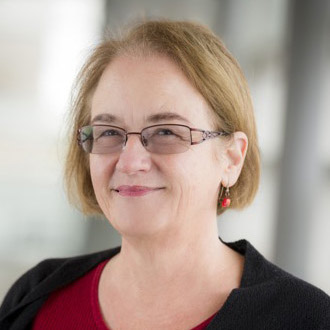
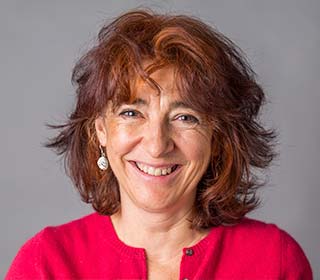
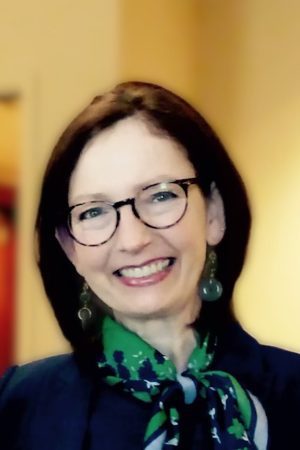
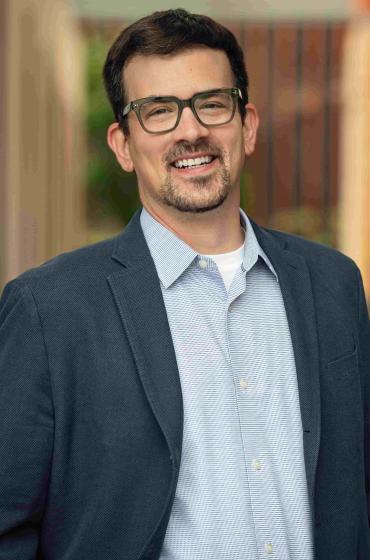
Robyn Babaeff is a Lecturer in the School of Educational Psychology & Counselling at Monash University's Faculty of Education. Her expertise spans early childhood education, diversity, heritage languages, and teacher professional development. She has held roles in preschool leadership and adult education. Her research focuses on family dynamics, multilingualism, and professional partnerships in education. Key areas include leadership in early childhood contexts, teacher identity formation, and cross-cultural educational practices. Robyn has contributed to initiatives like the Team Teaching Professional Learning program and Respectful Relationships Professional Learning for Early Childhood Educators . Her publications analyze Ghanaian headteacher leadership, Singaporean pre-service teacher professionalism, and heritage language preservation. Recent work emphasizes empirical reviews and critical discourse analysis in education policy. Grants/Projects: 6 projects as Chief Investigator (CI), including leadership development and teacher-parent collaboration initiatives. Labs/Teams: Collaborates with teams focused on early childhood education, professional learning, and diversity.
Paula Levin is a Teaching Professor Emerita at the University of California, San Diego (UCSD), affiliated with the Department of Education Studies. She also held appointments in the Program in Human Development, the Department of Anthropology, and the Joint Ph.D. Program in Math and Science Education. Levin's career includes serving as Associate Faculty Director and Acting Faculty Director of UCSD's Programs Abroad Office (2008–2014). Recognized for her teaching excellence, she received UCSD’s Distinguished Teaching Award from the Academic Senate. Her research focuses on language, schooling, and cultural dynamics in diverse contexts, including the U.S., French Polynesia, and Papua New Guinea. Key themes include science learning, early literacy, teacher preparation, and home-school relationships. Levin led curriculum development projects for Native Hawaiian children (ages 0–5) at the Kamehameha Schools, earning the Kimball Award for Applied Anthropology. She contributed to NSF-funded projects like 'Visualizing Earth' and Ford Foundation initiatives exploring cultural diversity in education. Levin’s work bridges anthropology and education, emphasizing sociocultural contexts of learning. She has consulted for organizations such as Sally Ride Science and Children’s Television Workshop, designing learning activities for young children. Her publications span journals like Anthropology and Education Quarterly and Computers & Geosciences , reflecting her interdisciplinary approach to education and culture. Education: Ph.D. in Anthropology, UCSD (1978) M.A. in Anthropology, UCSD (1973) B.A. in Psychology, Swarthmore College (1971) Awards: UCSD Distinguished Teaching Award (Academic Senate) Kimball Award for Applied and Public Anthropology (AAA) Key Projects: NSF-funded 'Visualizing Earth' (scientific visualization in education) Ford Foundation 'Teaching Diversity and Learning Tolerance' study WASC Substantive Change Committee member (2008–2012)
Kat Adams Shannon is a Research Fellow in the Department of Psychology at Stanford University, specializing in developmental psychology. Her research examines how young children adapt attention and learning behaviors to early environments, with emphasis on resilience in adversity contexts. She pioneers technology-driven methods to advance developmental science and education, focusing on predictive modeling and adaptive learning tools. Her research interests span: Developmental trajectories in diverse environments Educational interventions for at-risk populations Cognitive mechanisms of learning and memory Self-regulation development in early childhood Social-cognitive adaptation strategies Her publications (2016-2024) demonstrate consistent focus on longitudinal predictors of child development, particularly in preterm and low-income populations. Key themes include attention modeling, language acquisition, self-regulation, and adaptive learning technologies. Recent work shows increased emphasis on technology-mediated interventions and environmental adaptation mechanisms. No scientific awards or honors are mentioned in available sources. No information is available regarding student advising, grant funding, or laboratory affiliations.
Samantha Durrant is a Lecturer and Research Associate in the Division of Psychology Communication and Human Neuroscience . She holds an honorary role as a Research Associate at the University of Liverpool (2020–2026). Her teaching spans clinical research and language development at undergraduate and postgraduate levels. Durrant earned a PhD in Developmental Psychology from the University of Plymouth (2014) and a BSc in Psychology (2009). She is a Fellow of Advance HE (2024), recognizing her teaching expertise. Her research focuses on language acquisition in toddlers , including mechanisms of word learning, dialect exposure effects, and the interplay between executive function and language development. Collaborations with global researchers explore topics like infant-directed speech preferences and bilingualism. Her work contributes to UN Sustainable Development Goals related to education. Key findings include links between nonword repetition skills and vocabulary growth, and how curiosity-driven motor exploration influences language outcomes. She leads projects like the Language 0-5 Project , investigating long-term language development trajectories. Grants/Awards : Fellow of Advance HE (2024). Advising : Accepting PhD students in developmental psychology and language acquisition. Labs/Teams : Core member of the Language 0-5 Project; collaborator in multi-lab studies on infant cognition. Media contributions include blogs on child language development and expert commentary on cognitive milestones.
Dr. Sally Bates is a Senior Lecturer in Speech and Language Therapy at the School of Health & Wellbeing, University of Plymouth Marjon. A dual-trained phonetician and speech and language therapist, her work spans clinical practice, academic research, and professional education in child speech disorders. PhD in Phonetics, University of Edinburgh MSc in General Linguistics, University of Edinburgh MA (Hons) in German, University of St Andrews BA (Speech and Language Therapy), College of St Mark and St John Her research focuses on phonetic transcription, phonological analysis, and evidence-based assessment of child speech disorders. She has developed clinical resources like PPSA and CAV-ES, and contributed to national guidelines for child speech transcription. Bates' recent publications address topics such as expressive language assessment, vowel disorders, phonetic analysis tools, and educational technology. She has received awards for teaching excellence and children's literature contributions. Vice Chancellor's Award for Teaching Excellence (2015) Practical Preschool Gold Award (2014) Practical Preschool Silver Award (2015) She serves as co-editor for the Healthy Child Programme e-learning modules and has been an External Examiner for speech and language therapy programs at multiple universities. Her work bridges theoretical linguistics and clinical practice, emphasizing early literacy development and phonological awareness.
Kelly Cartwright is the inaugural Spangler Distinguished Professor of Early Child Literacy at the University of North Carolina at Charlotte, where she directs the READ Lab and co-coordinates the PhD program in Literacy Research, Policy, and Practice. She also serves in the Mebane Early Literacy Center and the Department of Psychological Science. Her research focuses on neurocognitive and affective factors in reading processes, supported by grants from the U.S. Department of Education’s Institute of Education Sciences. Her work emphasizes executive functions (EFs), reading anxiety, and strategies to improve literacy for struggling students. Education: PhD in Experimental Psychology (University of Arkansas, 1997) MA in Psychology (University of Arkansas, 1995) BS in Psychology (Virginia Tech, 1989) Research Interests: Cartwright investigates how executive functions, emotions, and motivations influence reading comprehension across ages and linguistic backgrounds. Her studies combine behavioral and neuroimaging (EEG) methods to explore EFs’ roles in coordinating reading processes. She has developed the Active View of Reading and co-authored influential texts like Executive Skills and Reading Comprehension . Recent Work Trends: Recent publications emphasize context-specific executive functions, bilingual literacy, and interventions for students with learning disabilities. Her work bridges cognitive science and classroom practice, with a focus on equity and evidence-based strategies. Awards & Recognition: 2023 Virginia Outstanding Faculty Award (highest state faculty honor) Recipient of multiple grants from the U.S. Department of Education Leadership roles in the Literacy Research Association Advising & Grants: Cartwright has supervised numerous collaborative grants and advised students on topics like EF interventions and reading policy. She co-developed the DRIVE model of reading and works with educators nationwide to implement research-driven practices. Labs & Teams: She leads the READ Lab, which investigates EFs, motivation, and neurocognitive processes in reading. Collaborations include the Mebane Early Literacy Center and international partnerships like her Visiting Research Fellowship at the University of Oxford.
Janean Dilworth-Bart is a Professor of Human Development & Family Studies and Associate Dean for Graduate Education at the University of Wisconsin–Madison’s School of Human Ecology. Her research focuses on how early developmental contexts—including parenting practices, environmental pollutants, and social risks—affect children’s transition into competent societal members, with an emphasis on Black communities. She holds affiliations with the Department of Psychology and has led roles such as Chair of Human Development & Family Studies (2015–current). Education: PhD and MS in Clinical Psychology from Rutgers University (no dates provided), BA in Psychology from Hampton University. Awards include the 2017 Wade and Bev Fetzer Fund for Excellence and a 2017-18 fellowship in the Big Ten Academic Alliance’s leadership program. Her work investigates structural racism’s impact on child health, multigenerational environmental risks, and paternal involvement in Black families. Key research themes include environmental justice, socioemotional development, and the intersection of race and socioeconomic status. Recent studies explore cumulative environmental exposures, school readiness, and the cognitive effects of parental behaviors. Her scholarship bridges developmental science with sociopolitical issues, advocating for marginalized communities through policy-informed research.
Jon Michael Wargo serves as Associate Professor at the Marsal Family School of Education, University of Michigan, following prior faculty appointments at Boston College and Wayne State University. His research critically examines the intersection of media, technology, and youth literacy development through frameworks of community inquiry and social justice. His educational background includes a Ph.D. in curriculum, instruction, and teacher education from Michigan State University and a B.A. in English and Gender Studies from Indiana University - Bloomington. Prior to academia, he worked as a public school teacher and early childhood educator. Wargo's scholarship centers on critical literacy, learning sciences, and LGBTQ+ education, with particular focus on how young people navigate identity through digital media and participatory design. His work spans diverse settings including STEM-arts conservatories, K-12 classrooms, and community studios, emphasizing heterogeneity in human sensemaking and intersectional justice. Analysis of his 15 most recent publications reveals consistent exploration of sonic literacies, queer youth narratives, and digital media's role in social change. His research demonstrates methodological innovation through connective ethnography and multimodal analysis, with growing emphasis on policy implications for LGBTQ-inclusive education and early childhood writing development. His scientific recognition includes: Early Career Achievement Awards from Literacy Research Association and National Council for Teachers of English NAEd/Spencer Postdoctoral Fellowship (2020) AERA Division K Exemplary Research Award (2025) Multiple distinguished article awards from NCTE, CCCC, and AERA's Queer Studies SIG Wargo directs significant research initiatives funded by the National Academy of Education, Spencer Foundation, and European Union, including the Marygrove Community partnership project '(Un)Learning at the Intersections' and the '(In)Human Histories' policy study on LGBTQ-inclusive social studies. His grant portfolio reflects deep community engagement and commitment to translating research into classroom practice through participatory design frameworks. His collaborative projects with Detroit's Marygrove Community and interdisciplinary teams of educators, youth, and community stakeholders exemplify his commitment to designing learning environments that foster belonging and sociopolitical understanding through storytelling and sensemaking.
Tanya Wright is a Professor at the Marsal Family School of Education, University of Michigan, specializing in early childhood and elementary literacy instruction. Her work emphasizes equitable access to high-quality literacy education and integrates science and literacy in curricula. She leads the SOLID Start curriculum project and co-leads OpenSciEd Elementary curriculum development. Her research focuses on interdisciplinary approaches to literacy, including vocabulary development, curriculum design, and teacher professional development. Funders include NSF, Spencer Foundation, and the Institute of Education Sciences. Notable publications include books like A Parent's Guide to Reading With Your Young Child and Nurturing Knowledge: Building a Foundation for School Success . Dr. Wright has received awards such as the 2012 International Literacy Association Dissertation Award and 2022 Jerry Johns Teacher Educator Award. Her work bridges theory and practice through initiatives like SOLID Start and OpenSciEd, which support K-2 science and literacy integration. Grants and partnerships drive her efforts in curriculum innovation and educator training. Key contributions include analyzing pandemic-era literacy practices, evaluating Michigan's ELA curricula, and advancing disciplinary literacy through science integration. She collaborates with organizations like CREATE for STEM to enhance early education quality.
Sandra Bäck is a Researcher affiliated with the Department of Education at Åbo Akademi University's Faculty of Education and Welfare Studies. Her work focuses on innovative language education methodologies, particularly leveraging technology and collaborative approaches. She actively participates in multidisciplinary projects addressing multilingualism and cross-cultural pedagogy. Education: Not explicitly stated in available texts Research interests include: Game-based language learning (e.g., Minecraft applications) Tandem learning models for language acquisition Finland-Swedish educational contexts Technology integration in multilingual classrooms Recent publications (2020–2025) emphasize practical guides for educators and empirical studies on collaborative learning environments. Her work combines theoretical insights with actionable teaching strategies, often presented at international conferences. Grants & Projects: Principal Investigator/Co-Investigator on three foundation-funded projects (2018–2025) KalejdoSPRÅK (2022–2025): Examining language education innovations Tandem på spel (2021–2024): Game-based cross-language collaboration Labs/Teams: Collaborates with multidisciplinary teams across education, linguistics, and technology fields through university and foundation partnerships.
Marinella Majorano is an Associate Professor of Developmental and Educational Psychology at the University of Verona's Department of Human Sciences. She serves as Director of the SLD-Lab (Laboratory of Research on Social & Language Development) and acts as the Third Mission referent for Human Sciences. Her academic leadership extends to multiple institutional roles including membership on the Departmental Council, the QA Management Group, and the Commission for Third Mission. Majorano's research focuses on the interaction between individual and contextual factors in child language acquisition and development, particularly examining linguistic input and support provided by parents and teachers. Her work spans three primary domains: language acquisition and development in typical and atypical populations, inclusion and well-being in school settings for children with special educational needs, and early intervention strategies for children with developmental language disorders and cochlear implants. Her recent publications reveal a strong emphasis on practical applications of developmental psychology, with particular attention to intervention programs that promote inclusion and well-being. The research trajectory shows increasing focus on interdisciplinary approaches, combining insights from psychology, linguistics, and education to develop evidence-based practices. Notable projects include PRIN 2022 CIP (Corpus of Italian language for Preschoolers), I-MovE (promoting movement in green environments), and MusIC (music-based intervention for children with cochlear implants). Majorano teaches across multiple programs including Primary Teacher Education, Speech and Language Therapy, and Educational Sciences. Her teaching portfolio includes courses on Educational Psychology for Special Needs, Psychology of Developmental Disorders, and Laboratory of Behavioral Observation Techniques. She has consistently maintained an active teaching schedule from 2012 through 2025, demonstrating strong institutional commitment. As Director of SLD-Lab, she leads research on early social and language developmental processes, with particular emphasis on children from diverse backgrounds including those with developmental language disorders, cochlear implants, and those learning Italian as a second language. Her work bridges theoretical research with practical applications, resulting in multiple funded projects including two grants from educational services.
Vera Gutierrez-Clellen is a Professor at San Diego State University's School of Speech, Language, and Hearing Sciences within the College of Education. Her research focuses on bilingual language acquisition in children with typical and impaired development, addressing cultural and linguistic diversity through tools like the Bilingual English-Spanish Assessment (BESA). Developed the first culturally responsive language assessment tool for Latino children Provided expert consultation for California infant/toddler programs and preschool standards Served on national peer review panels for ASHA, NIH-NIDCD, and U.S. Department of Education Appointed to U.S. Department of Health and Human Services advisory committee for Head Start performance measures
Jennifer Wallace Jacoby is an Associate Professor of Psychology and Education at Mount Holyoke College, serving as Director of First-Year Seminars and Director of the Teaching and Learning Initiative. She specializes in K-12 education with a focus on early childhood education, bilingual education, and teacher workforce development. Her research explores topics such as Head Start program effectiveness, culturally competent teaching practices, and the intersection of media and preschool behavior. Education includes an Ed.D. and Ed.M. from Harvard Graduate School of Education, an M.A. from University of California, Berkeley, and a B.A. from Amherst College. Her work has been recognized with the Taylor & Francis Award for an outstanding 2019 journal article on supporting dual language learners in Head Start. Recent publications highlight investigations into teacher workforce diversity, media influence on preschoolers, and language strategies in linguistically diverse classrooms. Her research bridges policy analysis and classroom practice to address systemic challenges in early education.
Joy Dangora Erickson is an Assistant Professor in the School of Education at Endicott College and serves as President of the North Eastern Philosophy of Education Society. Her research focuses on children’s reading motivation, early civic engagement, and culturally responsive pedagogy. She holds a Ph.D. in Curriculum and Instruction from the University of New Hampshire (2019), an M.S. in Education from Purdue University (2008), and a B.A. in Elementary Education from Purdue University (2008). Her work appears in journals like The Reading Teacher and Journal of Early Childhood Literacy , and she authored the methods text Reading Motivation: A Guide to Understanding and Supporting Children’s Willingness to Read (2022). Erickson’s research emphasizes ethical considerations in education, particularly regarding cultural bias, legislative impacts on pedagogy, and children’s agency in learning. Her publications reflect a commitment to social justice, such as exploring anti-divisive legislation’s effects on anti-bias curricula and advocating for civic-minded early childhood education. She has received accolades including the Endicott College Woman of Impact Award (2022) and the LRA Student Outstanding Research Award (2018). Erickson teaches courses such as ED 213: The Power of Play and ED 222: Culturally Responsive Pedagogy . Her grants and advising contributions are not explicitly detailed in the provided text, though her research often involves collaborative, practitioner-focused methodologies.
Dr. Lisa Wisman Weil is an Assistant Professor in the Department of Communication Sciences and Disorders and Assistant Dean in the School of Communication at Emerson College. Her research focuses on child language development, autism spectrum disorder (ASD), developmental language disorder (DLD), and early intervention strategies in speech-language pathology. She co-directs the Language in Infants + Toddlers (LI+TLE) Lab, investigating language acquisition in young children with neurodevelopmental disorders and caregiver experiences in early intervention programs. Her teaching includes courses on autism, communication disorders, and clinical methods in speech-language pathology. Education: B.A. and M.A., Case Western Reserve University Ph.D., Purdue University Her research explores unconventional language features in ASD, the impact of early intervention on family well-being, and graduate student skill development in counseling. Dr. Weil emphasizes a family-centered and student-centered approach in both research and education. Her work bridges clinical practice and theoretical insights to improve outcomes for children with communication disorders.