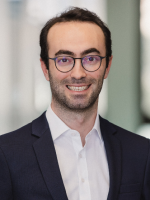
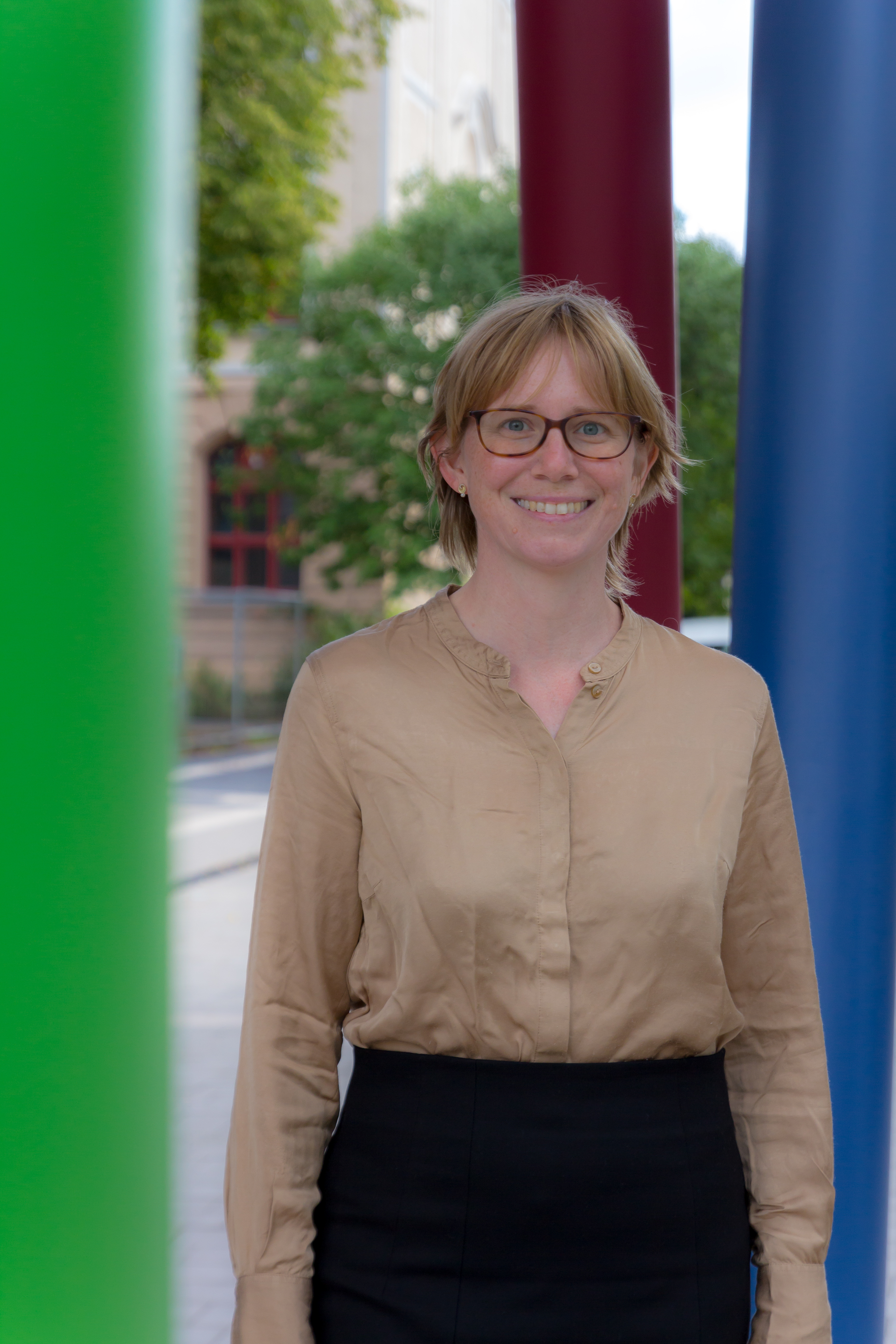
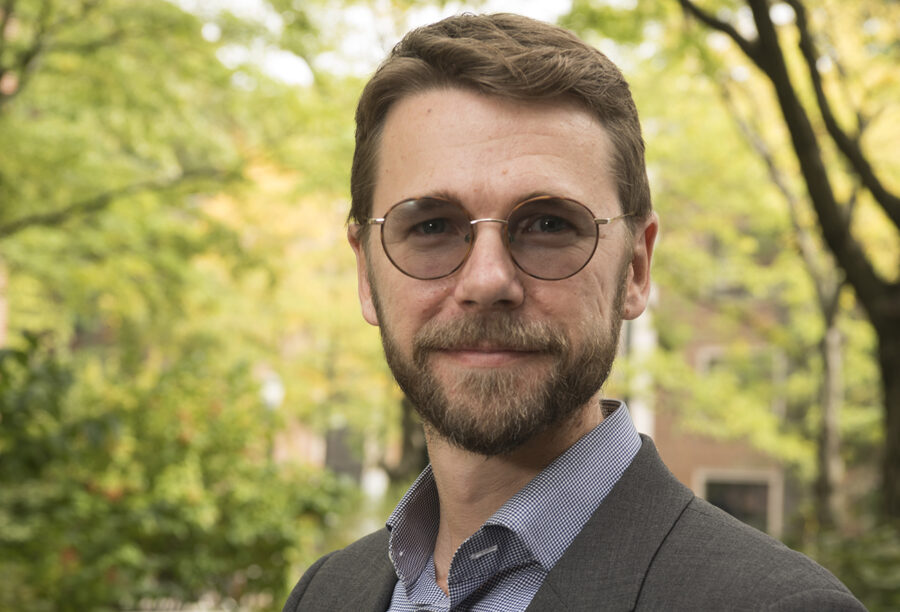
Liesbet Vranken is an Associate Professor at the Department of Earth and Environmental Sciences, Faculty of Bioscience Engineering, KU Leuven. She leads the Society-Environment Interactions Research Group , focusing on land resource scarcity, sustainable food systems, and environmental economics. Research: Sustainable food consumption & production, land use optimization, natural hazard economics, agroforestry, and citizen science Projects: Klimaatmitigatie trajecten , TealHelix , and Socio-economische solidariteitsmechanismes in Uganda/Ethiopia Methodology: Interdisciplinary integration of environmental economics, experimental economics, and spatial analysis Her work emphasizes optimizing land use configurations, guiding consumer behavior, and evaluating policy instruments for sustainable transitions. She supervises doctoral researchers in global projects related to climate resilience and food security.
Seung-Joo Lee is a Professor at the Department of Food Service Management , College of Hospitality & Tourism , Sejong University . With a PhD from the University of California, Davis, and a B.S. from Ewha Womans University, Lee specializes in sensory and instrumental analysis of Korean traditional foods, including rice wines, liquors, and fermented products. Education: Ph.D., University of California, Davis B.S., Ewha Womans University Research Interests focus on sensory evaluation, volatile compound analysis, and multivariate statistical methods (e.g., Principal Component Analysis, Artificial Neural Networks) to develop food quality standards. Their work extends to texture-modified foods for elderly populations, combining clinical surveys with sensory science. Publications highlight studies on antioxidant capacity, distilled beverages, and starch applications, utilizing techniques like GC-MS and CATA. Recent outputs include analyses of hydroponically grown garlic, tea preparation methods, and udon noodles. Awards: Outstanding Science and Technology Paper Award (2009) by The Korean Federation of Science and Technology Societies. Professional Experience includes roles as Managing Editor of Food Science & Biotechnology (2018-2019) and Chair of the Sensory and Consumer Science Division at the Korean Society of Food Science and Technology (2014-2017). They have published over 30 SCI/SCOPUS articles and 35 KCI articles, with 60+ conference presentations.
Ole Røgeberg serves as Senior Research Fellow and Deputy Director at the Frisch Centre, an independent research institution affiliated with the University of Oslo. His interdisciplinary work bridges economics, public policy, and social sciences, with particular emphasis on evidence-based analysis of social policy interventions. As Deputy Director, he plays a key leadership role in shaping the Centre's research agenda and maintaining its reputation for rigorous, independent scholarship. Røgeberg earned his Dr. Polit degree in 2004, establishing the foundation for his research career focused on welfare economics and behavioral analysis. His academic journey has positioned him at the intersection of theoretical economic modeling and empirical policy analysis, with numerous publications in high-impact journals across multiple disciplines. His primary research interests encompass welfare analysis, endogenous preferences, rational addiction theory, and consumer theory. Røgeberg's work frequently challenges conventional wisdom through meticulous empirical analysis, particularly regarding the relationship between cognitive abilities and socioeconomic outcomes. His research on cannabis policy has been particularly influential, demonstrating how socioeconomic factors rather than cannabis use itself may explain observed cognitive differences. He has also made significant contributions to understanding the Flynn effect reversal in Scandinavian countries, arguing for environmental rather than genetic explanations. Analysis of Røgeberg's publication trends reveals a consistent focus on the interplay between individual characteristics and social structures. His recent work increasingly incorporates neuroscience perspectives, examining how early-life factors influence brain development and later-life outcomes. A distinctive feature of his research is the strategic use of Scandinavian registry data, enabling large-scale longitudinal studies that track individuals across decades to identify causal relationships. Røgeberg has been instrumental in several major collaborative projects, including the 'Lifebrain' initiative examining brain development across the lifespan, and research on criminalization of drug use and its consequences for user behavior. His work with the Frisch Centre has directly informed Norwegian policy debates, particularly regarding social insurance, labor market inclusion, and evidence-based drug policy reform. As Deputy Director, he oversees research teams investigating critical questions about welfare state sustainability, the impact of technological change on employment, and strategies for improving social mobility.
Dr. Teodora Genova serves as an Associate Professor and English lecturer at the University of Library Studies and Information Technologies (ULSIT/UniBIT) in Sofia, Bulgaria, where she works within the Department of Comprehensive Subjects. Her academic career spans multiple research domains at the intersection of language education, therapeutic reading practices, and library science. Dr. Genova's research interests focus on three main areas: bibliotherapy (therapeutic applications of reading), art therapy for children with special educational needs, and the educational potential of audiobooks in English language teaching. Her work examines how literature and audio resources can support emotional development, particularly in preschool and early childhood education settings. She has conducted numerous empirical studies on parental and teacher attitudes toward therapeutic reading methods across Bulgaria. With 59 publications to her name, Dr. Genova has established herself as a leading researcher in bibliotherapy applications within Eastern European contexts. Her recent work extends to international comparisons of bibliotherapy practices across European countries, particularly examining implementations in Belgium and France. She has documented the current state of bibliotherapy in Bulgaria through surveys of teachers, parents, and library professionals. Dr. Genova has been actively involved in research projects funded by the Scientific Research Fund of the Ministry of Education and Science, including 'Study of Attitudes towards the Therapeutic Potential of Reading in Atypical Situations for the Individual.' She has also participated in Erasmus+ initiatives examining digital education during crisis situations. Her research methodology typically combines survey instruments, interviews, and comparative analysis to assess attitudes and effectiveness of therapeutic reading practices. As an educator, Dr. Genova teaches English to students specializing in library and information sciences, with particular focus on specialized English for tourism contexts. She has developed teaching materials including the 'Handbook of English for Tourism' (2023) and has researched innovative methodologies such as task-based language teaching for specific purposes. Her monograph 'The Role of Audiobooks as a Medium in English Foreign Language Teaching' presents a comprehensive theoretical framework for using audio resources in language education.
Dr. Ali Ozkes is a Research Professor at the Institute for Public Management & Governance and an affiliated researcher at the Competence Center for Applied AI & Scientific Computing at Vienna University of Economics and Business. He also holds a part-time professorship at SKEMA Business School. His academic journey includes a habilitation from University Paris 1 Panthéon-Sorbonne, a doctorate from École Polytechnique in Paris, a master's from Istanbul Bilgi University, and bachelor's degrees from the University of London and LSE. Dr. Ozkes' research spans several interconnected fields: Collective decision-making processes and consensus building Ethics of artificial intelligence and human-AI interaction Public administration and organizational behavior Behavioral social sciences and social choice theory Strategic decision-making in public and nonprofit sectors His recent publications (2024-2025) show a strong focus on the intersection of AI ethics, public administration, and organizational decision-making. Key themes include consensus building in leadership teams, ethical frameworks for AI in public sector applications, and cognitive models of decision-making. His work frequently appears in top journals across management, public administration, and AI ethics domains. Scientific recognition includes: WU Visiting Fellowship for Japan (2019) Dr. Ozkes actively supervises graduate students and has served on numerous doctoral committees. His research is supported by multiple interdisciplinary projects, including 'Morality, social choice and artificial intelligence' (2019-2021) and 'Establishment of an international research center for experimental financial markets' (2020-2025). He has collaborated with institutions worldwide including Aix-Marseille University, Caltech, Lund University, and Waseda University. Dr. Ozkes contributes significantly to academic service as co-editor of code and data for Management Science and co-editor of a special issue of Theory and Decision. He is also a member of several prestigious academic societies including the Academy of Management, Association for Computing Machinery, and Society for Social Choice and Welfare. His expertise was instrumental in developing the Code of Conduct for General Purpose AI Models under the EU AI Regulation.
Dr. DSc, Eng. Millena Ruszkowska serves as Professor at Gdynia Maritime University, where her 15+ year career bridges food science and maritime logistics. Holding dual doctoral degrees in Science and Engineering, she specializes in commodity science with focus on food quality management systems applicable to maritime transport and storage. Her research centers on sustainable food innovation, particularly edible insects as alternative protein sources. She investigates physicochemical properties of novel food formulations, consumer behavior toward sustainable products, and sorption characteristics critical for food stability. Recent projects include cricket-enriched snacks, insect-based food security solutions, and natural ingredient applications in cosmetics, reflecting her interdisciplinary approach to food system challenges. Professor Ruszkowska's recent publication surge (15 articles in 2024-2025) demonstrates exceptional productivity in high-impact journals. Her work shows clear thematic evolution toward sustainable food systems, with 60% of recent publications focusing on entomophagy applications. She maintains strong collaborative networks across Polish institutions while addressing globally relevant food security challenges through rigorous physicochemical analysis and consumer research methodologies.
Dr. John O'Dwyer is a Research Fellow in Health Economics at the Academic Unit of Health Economics within the Leeds Institute of Health Sciences, School of Medicine, University of Leeds. His work focuses on economic evaluation of health interventions, patient preferences, and patient-reported outcome measures with emphasis on vulnerable populations including adults with learning disabilities. His educational qualifications include: PhD in Health Economics (University of Leeds) MSc in Health Economics (University College Cork) Postgraduate Diploma in Health and Evaluation Economics (University College Cork) Bachelor of Business Studies (Economics & Finance) (University of Limerick) Dr. O'Dwyer's research centers on health economics and health technology assessment , with specialized expertise in preference-based utility measures (particularly EQ-5D adaptations), quality-of-life assessment for learning disability populations , and cost-effectiveness analysis across dementia, cancer, autoimmune conditions, and pain management. His methodological work addresses instrument adaptation for special populations and conducting preference research during global crises like the COVID-19 pandemic. Analysis of his recent publications reveals a strong trend toward adapting health-related quality-of-life instruments for adults with learning disabilities while expanding into pain management for advanced cancer and self-management interventions for chronic conditions. His work consistently employs cluster randomized trials and economic evaluations to assess real-world intervention effectiveness across diverse disease areas. His scientific recognition includes: NIHR Doctoral Fellowship (2018-2024) Associate Fellow of the Higher Education Academy Dr. O'Dwyer serves as co-applicant on multiple NIHR and charity-funded projects including CANAssess2, MAGNET, STAMINA, and IMPACCT. These span cancer care, dementia, learning disabilities, and autoimmune conditions. He contributes to undergraduate/postgraduate teaching and supervises PhD students through the Leeds Institute of Health Sciences. He actively collaborates within the Academic Unit of Health Economics on health services research, economic evaluations, and instrument development for underserved patient populations.
Andrea Molinari is a Contract Professor at the University of Trento since 1990 and at the Free University of Bozen since 2002. He also serves as a Visiting Professor at Lappeenranta University of Technology (2021-2025) and holds a Docent position in Decision Making at the same institution (2024-2029). Previously, he was an Adjunct Professor at Turku University/Abo Akademi in Finland (2007-2019). Education: 2022: Doctoral Degree - Doctor of Science (Technology), Engineering Science, Software Engineering research field from LUT - Lappeenranta University of Technology. Dissertation: "Integration Between eLearning platforms and Information Systems: a New Generation of Tools for Virtual Communities" 1988: Master Degree in Economics from Università degli Studi di Trento with grade 110/110. Thesis: "P.I.R.S. Personal Information Retrieval Systems" Professor Molinari's research focuses on the intersection of education technology and information systems. His primary areas include e-learning/m-learning systems, virtual communities and social media, semantic technologies and ontologies, data management with AI applications, and Enterprise Project Management. His work bridges theoretical computer science with practical applications in educational and organizational contexts, particularly examining how technology can enhance learning experiences and organizational efficiency. His recent publications reveal a strong emphasis on the evolution of Learning Management Systems in the AI era, integration of semantic technologies with educational platforms, and applications of serious games for professional training. There's a clear trajectory toward more sophisticated, AI-enhanced educational technologies that incorporate data analytics, personalized learning, and advanced user modeling. Scientific Awards: Winner of the "S. Ciancio" scholarship (1980, 1982, 1983) Outstanding Paper Award at the Ed-Media World Conference on Educational Technology (1995) Since 1994, Professor Molinari has supervised approximately 10 thesis projects annually across multiple institutions including the University of Trento (Economics, Engineering), University of Bolzano (Computer Science, Education), and Abo Akademy in Finland. His teaching spans numerous courses related to information systems, project management, and technology applications across various academic disciplines. He has coordinated numerous research projects, particularly in the areas of e-learning platforms, virtual communities, and semantic technologies for educational applications. Professor Molinari is actively involved with several research communities and has served on program committees for numerous international conferences including IEEE-STAR, SMARTGREENS, and the International Conference on Web-based Education. His work often involves interdisciplinary collaboration between computer scientists, educators, and domain specialists to develop innovative technology-enhanced learning solutions.
Prof Richard Arnett serves as Director of Psychometrics at the Royal College of Surgeons in Ireland (RCSI), holding dual appointments in the Health Professions Education Centre and Quality Enhancement Office since April 2018. Previously, he was Deputy Director of the RCSI Graduate Entry Medicine Programme from February 2006 to April 2018. His expertise spans educational measurement, assessment design, and psychometric analysis across multiple national and international medical and healthcare education contexts. Arnett holds a PhD from University College Dublin, complemented by a Further & Adult Education Teaching Certificate from City & Guilds and a Postgraduate Diploma in Project Management from Dublin Business School. His educational background supports his specialization in quantitative methods for educational research. His research focuses on psychometrics, assessment design, and performance standards maintenance in health professions education. Key interests include developing educational measurement scales, setting performance standards, and validating assessment instruments. Arnett's work addresses critical challenges in medical education assessment, including transnational program alignment, progress testing implementation, and technology-enhanced assessment security. Analysis of his 15 most recent publications reveals consistent focus on medical education assessment methodologies , with particular emphasis on competency-based frameworks, human factors in assessment environments, and technological adaptations for educational measurement. His work spans diverse healthcare contexts including medicine, surgery, pharmacy, and radiology training. As Psychometric Consultant for the UK & Ireland Intercollegiate Board of Surgical Examiners and the Irish Institute of Pharmacy, Arnett provides strategic guidance on assessment design and quality assurance for national certification programs. His collaborative work extends to multiple international postgraduate and professional training initiatives. Arnett leads assessment strategy for RCSI's new undergraduate Medicine curriculum and supports data requirements for educational accreditation activities. He teaches the assessment module in the RCSI Diploma in Health Professions Education and an undergraduate module on Statistical Programming, demonstrating his commitment to developing assessment literacy among health professions educators.
Nikki McCaffrey is an Associate Professor at Deakin University's School of Health and Social Development and a Senior Research Fellow in Health Economics - Cancer at Deakin Health Economics (DHE). Her academic work spans health economics, palliative care, cancer research, and informal caregiving. Dr. McCaffrey's research interests focus on health economics, health technology assessment, cancer care, palliative services, patient-outcome measurement, and informal caregiving. She has developed expertise in both quantitative and qualitative research methods, with particular emphasis on economic evaluation and cost-effectiveness analysis in healthcare settings. Her work frequently examines the economic burden of chronic conditions and the value of supportive care interventions. With 112 publications spanning from approximately 2015 to projected 2025, Dr. McCaffrey has established herself as a productive researcher in her fields. Her recent work shows a strong focus on the economic dimensions of palliative care, disparities in cancer care access, valuation of informal caregiving, and methodological issues in measuring outcomes for caregivers and patients. The trajectory of her research demonstrates increasing emphasis on translating economic evidence into policy-relevant findings. Dr. McCaffrey's scientific contributions include methodological advancements in measuring care-related outcomes, economic evaluations of cancer screening interventions, and analyses of the economic burden of informal caregiving. Her work on the hidden economic costs of cancer care and valuation methods for informal care time represents significant contributions to understanding the full societal impact of chronic disease. Her research program demonstrates strong collaborative networks across Australian institutions and international partners. She has supervised numerous studies examining healthcare resource utilization, patient-reported outcomes, and economic implications of clinical interventions, particularly in the cancer and palliative care domains. Her work often bridges the gap between clinical practice and health economic evaluation, providing evidence that can inform both clinical guidelines and healthcare policy decisions.
Professor Stefanie Rach is a Professor of Mathematics Didactics at Otto-von-Guericke University Magdeburg, Faculty of Mathematics, Institute for Algebra and Geometry (IAG). She has held this position since 2018, following her appointment as Junior Professor for Didactics of Mathematics at University of Paderborn (2016-2018). Her academic journey began with teacher training in mathematics and physics at Christian-Albrechts-University of Kiel, where she completed her doctoral dissertation in 2014. Professor Rach's research focuses on teaching and learning processes in the introductory phase of mathematics studies, particularly in teacher education programs. Her work examines the transition from school to university mathematics, mathematical interest and self-concept, entry requirements for mathematics degrees, and the role of representational forms in learning. She leads several significant research projects including Ex2MoMa (modeling with experiments), situational interest in university mathematics (funded by DFG), mathematical knowledge at study entry, and proof comprehension. Her recent publications demonstrate a consistent focus on student motivation, learning processes, and transition challenges in mathematics education. The research shows increasing emphasis on situational interest, modeling with experiments, and the psychological aspects of learning mathematics at the university level. Her work bridges theoretical educational research with practical applications in mathematics instruction. Notable research contributions: Development of instruments measuring mathematical self-concept and interest Analysis of factors influencing student success in university mathematics Investigation of proof comprehension and validation processes Examination of modeling with experiments in mathematics education Research on student dropout from mathematics programs Professor Rach actively supervises bachelor's and master's theses in mathematics education and teaches courses on mathematics didactics. She serves as vice-member of the Transition Commission of DMV-GDM-MNU and is involved in the Center for Teacher Education and Faculty Council at OvGU Magdeburg. Her research is supported by funding from Deutsche Forschungsgemeinschaft and Deutsche Telekom Foundation.
Raed A. Bahelah serves as an Associate Professor-Research in the Department of Population Health Science at the School of Public Health, University of Mississippi Medical Center. His academic profile centers on tobacco epidemiology and public health interventions, with extensive contributions to understanding waterpipe smoking patterns and nicotine dependence. His educational background includes a PhD in Epidemiology from Florida International University's Robert Stempel College of Public Health & Social Work (2016) and an MPH&TM in Tropical Medicine from Tulane University School of Public Health and Tropical Medicine (2011). Dr. Bahelah's research focuses on tobacco use behaviors , particularly waterpipe smoking trajectories among adolescents, secondhand smoke exposure in vulnerable populations, and policy implications of tobacco control measures. His work integrates longitudinal epidemiological methods with cultural context analysis, especially in Arab populations. Key methodological approaches include group-based trajectory modeling and psychometric instrument validation for nicotine dependence assessment. Analysis of his 2014-2025 publications reveals consistent emphasis on waterpipe-specific tobacco research, with growing attention to polytobacco use and health disparities. His studies frequently utilize large datasets like NHANES and SCTS, demonstrating rigorous epidemiological design and policy-relevant findings. Recent work increasingly addresses intersectional factors including functional disabilities and socioeconomic determinants. He directs graduate courses in Population Health including Statistical Methods in Research (Fall 2025-2026) and Multivariate Regression (Spring 2024-2025), reflecting his quantitative expertise. No information regarding student advising, research grants, laboratory affiliations, or scientific awards was provided in the source materials.
Felix J. Bierbrauer is a Professor of Economics at the University of Cologne, Department of Economics, and a core member of ECONtribute: Markets & Public Policy—a major Cluster of Excellence under Germany’s Excellence Strategy. His institutional affiliations span the Center for Economic Policy Research (CEPR), CESifo Network, Max Planck Institute for Research on Collective Goods, and Germany’s Federal Ministry for Economic Affairs and Climate Action (as board advisor). His research centers on public economics, specializing in optimal taxation, political economy of fiscal policy, and mechanism design. He investigates how tax systems can achieve efficiency and redistribution under political constraints, with recent work addressing joint taxation, carbon pricing, and public goods provision under uncertainty. His theoretical frameworks consistently incorporate real-world limitations like coalition stability and informational asymmetries. Analysis of his 2020-2025 publications reveals intensifying focus on politically feasible tax reforms and environmental policy interfaces. Over half his recent work examines taxation of couples and carbon pricing—reflecting engagement with current policy debates. Publications in Econometrica and American Economic Review demonstrate sustained theoretical rigor, while VoxEU columns and ministry advisory roles highlight policy impact. As a full Professor within ECONtribute, he accesses substantial research infrastructure including interdisciplinary workshops, visiting scholar programs, and collaborative networks across German and European institutions. His advisory role for the Federal Ministry directly channels academic insights into national climate and economic policy formulation.
Benjamin Lockwood serves as Associate Professor of Business Economics and Public Policy at the Wharton School, University of Pennsylvania, where his research centers on public economics with emphasis on taxation systems and economic inequality. His academic background includes: Graduate studies at Harvard University Lockwood's scholarly focus integrates behavioral economics with public policy design , examining how tax instruments can simultaneously address income redistribution and modify social behaviors. His work analyzes mechanisms to discourage harmful consumption (e.g., tobacco, sugary drinks), incentivize socially valuable career choices, and counteract cognitive biases in labor markets, contributing to evidence-based policy frameworks that acknowledge real-world human decision-making. Analysis of recent publications reveals a cohesive research trajectory exploring taxation's role in behavioral modification and inequality mitigation. Key thematic threads include psychological drivers of lottery participation, efficacy of sin taxes in public health contexts, and pandemic-induced economic disparities, spanning health economics , labor policy , and behavioral finance with consistent policy relevance. His research appears in leading journals including the Quarterly Journal of Economics, Journal of Political Economy, Journal of Public Economics, and Journal of Economic Perspectives. While specific grant funding and doctoral advisees aren't detailed in source materials, Lockwood's active policy engagement through Wharton's Knowledge platform indicates ongoing research mentorship and potential external funding for his public economics initiatives. He maintains academic impact through institutional affiliations rather than dedicated laboratories, contributing to public discourse via policy briefs and media commentary on taxation and inequality without reference to formal research teams.
Jorge Membrillo-Hernández is a Full-Time Professor at Tecnológico de Monterrey's Institute for the Future of Education in Mexico City, specializing in Biotechnology Engineering. With a Ph.D. in Environmental and Sustainable Biotechnology from King's College of the University of London, he has previously taught at prestigious institutions including Harvard University, King's College, Sheffield University, and the National Autonomous University of Mexico. His educational background includes a Doctor of Philosophy from the University of London and a Licenciatura in Basic Biomedical Research from the National Autonomous University of Mexico (UNAM). His academic journey reflects a strong foundation in both theoretical and applied sciences, preparing him for his current interdisciplinary work bridging biotechnology, sustainability, and education. Membrillo-Hernández's research spans ecological microbiology, sustainable development, and educational innovation, with particular emphasis on challenge-based learning methodologies. His work integrates sustainable engineering approaches with cultural heritage conservation, especially in Xochimilco (a World Heritage City), and focuses on transforming organic waste into sustainable agricultural compounds through biotechnological processes. His educational research examines innovative teaching methods, digital learning transformations, and the development of sustainable competencies in engineering education. His extensive publication record demonstrates a clear trend toward integrating real-world challenges with educational approaches that develop both technical and soft skills in engineering students. Recent work increasingly focuses on the intersection of artificial intelligence in education, sustainable development goals implementation in curricula, and international collaborative learning models that address global challenges through engineering solutions. Distinguished Keynote Speaker conferred by Texas State University (2020) Member of the Mexican Academy of Sciences (2009) Mexican Researcher Certification - Level 1 Associate Editor of Archives of Microbiology Journal As an educator, Membrillo-Hernández has advised 11 Bachelor's, 8 Master's, and 6 Ph.D. students throughout his career. He has been instrumental in designing innovative educational programs including the FIT BIOLOGY AND SUSTAINABLE DEVELOPMENT course and Semester i in collaboration with Boehringer Ingelheim. His current work focuses on developing a new Engineering in Sustainable Development program at Tecnológico de Monterrey, representing one of the institution's most significant educational innovations. His research grants likely support his work with Salus Mundi and sustainability projects that have been replicated across multiple countries. Membrillo-Hernández leads initiatives that connect academic work with real-world sustainability challenges, particularly through his involvement with the Sustainable Development Goals across multiple domains including climate action, sustainable cities, quality education, and responsible consumption. His work with the World Heritage City of Xochimilco demonstrates his commitment to applying biotechnological solutions to preserve both tangible and intangible cultural heritage through sustainable engineering approaches.