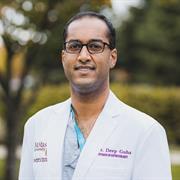
Daipayan Guha is an Assistant Professor in the Department of Surgery at McMaster University, with expertise in neurosurgery and spine surgery. His research integrates medical robotics , virtual reality , and intraoperative imaging for spinal procedures, alongside health economics and clinical decision-making in spinal disorders. Academic ranks: Assistant Professor, Surgery Key affiliations: McMaster University, Canadian Spine Outcomes and Research Network (CSORN) Research interests span robotic-assisted spinal navigation, augmented reality surgical systems, degenerative cervical myelopathy treatment strategies, and socioeconomic factors in spine care. His work emphasizes medical imaging , error propagation analysis , and machine vision for craniospinal procedures. Recent publications focus on robotic spine surgery dose comparisons, telemedicine in spinal care, cervical myelopathy progression models, and augmented reality training systems. These studies often employ systematic reviews , meta-analyses , and prospective cohort studies . Clinical collaborations include AO Spine Community initiatives, WFNS symposia, and multicenter studies on spinal fusion outcomes and trauma management.
Charlotte Abrahamsen is an Associate Professor at the Institute for Regional Health Research, University of Southern Denmark, with her primary clinical research base at the Research Unit for Orthopaedic Surgery at Lillebælt Hospital in Kolding. She also serves as a Guest Researcher in User Perspectives and Citizen-Oriented Initiatives at SDU's Department of Health Services Research since April 2022. Her academic credentials include a Ph.D. and Cand.scient.san degree. Dr. Abrahamsen's research centers on patient, relative, and clinician perspectives within acute care pathways, with particular emphasis on healthcare system organization and cross-sectoral collaboration. Her work spans multiple orthopaedic conditions including ankle fractures, distal radius fractures, knee fractures, hip fractures, and leg amputations. She employs mixed-methods approaches, combining quantitative and qualitative research methodologies to address complex healthcare delivery challenges. Her fingerprint analysis reveals strong expertise in Health Care Personnel research (100%), Ankle Fracture treatment (77%), Systematic Reviews (62%), Leg Amputation care (62%), Patient Experience (46%), and related orthopaedic specialties. Her publication trends show consistent focus on patient-centered outcomes in orthopaedic care, with recent work examining patient experiences with fracture treatments, developing clinical assessment tools like the WOK score, comparing patient-reported outcome measures, and exploring shared decision-making processes, particularly among elderly patients. This research bridges clinical practice with patient perspectives to drive quality improvement in orthopaedic care pathways. Dr. Abrahamsen actively contributes to the academic community through extensive conference participation (70 activities including 22 conference presentations), peer review services (12 manuscript reviews), and editorial work. She has supervised PhD students and currently leads or participates in 13 research projects, including as Project Manager for the 'Screening for anxiety and depression in patients who have had their leg amputated' initiative. Her collaborative network spans multiple institutions and research areas within orthopaedics and healthcare services research. Her practical impact extends to healthcare system improvements through projects like the 'Safe Journey Program' for amputation patients and implementation of cross-sectoral video meetings in emergency departments. Her media statement 'I am driven by doing good for patients' reflects her patient-centered research philosophy that consistently informs her academic and clinical contributions.
Professor Catherine Hewitt is a distinguished academic in the Department of Health Sciences at the University of York. She serves as Director of the York Trials Unit and Deputy Head of Department for Research, overseeing quantitative portfolios and a multidisciplinary team. Her work spans clinical trials, statistical methodology, health economics, and patient-reported outcomes. University of York Department of Health Sciences Director, York Trials Unit Deputy Head of Department for Research Her research interests focus on clinical trials methodology , health economics , and patient-centered outcomes . She leads projects in surgical interventions, chronic disease management, and public health, particularly in vulnerable populations like those with mental illness or multimorbidity. Recent publications highlight her contributions to orthopedic trial design , antimicrobial resistance economics , and end-of-life care research . She has been instrumental in trials addressing diabetes management in mental health, gender services, and postoperative care. Cross Whitehall Trials Advice Panel NIHR Health Technology Assessment Commissioning Board MS Society Expert Consortium Professor Hewitt supervises PhD students in clinical trials and mentors across diverse health domains. Her work is funded by NIHR and other agencies, with a strong emphasis on improving care transitions and reducing health inequities.
Elizabeth Rogers, MD, MAS serves as Associate Professor and Division Director of General Internal Medicine at the University of Minnesota School of Medicine, holding dual faculty appointments in the Department of Medicine and Department of Pediatrics. Her leadership spans clinical, research, and educational domains within academic medicine. Research centers on health disparities and treatment burden in chronic conditions, with expertise in gender/racial equity, diabetes care, and social determinants of health. She pioneers patient-centered tools like the PETS-Now point-of-care instrument to quantify treatment burden, emphasizing vulnerable populations including homeless individuals and safety-net clinic patients. Her work integrates qualitative, mixed-methods, and evidence-mapping approaches to address systemic healthcare gaps. Recent publications (2022-2025) reveal three dominant trends: 1) Disparities research mapping racial/gender inequities in chronic disease management; 2) Development/validation of burden-assessment tools across languages and care settings; 3) Pandemic-era analyses of clinician wellbeing and intersectional impacts on academic medicine. Key subfields include treatment burden measurement, evidence synthesis for health disparities, and social vulnerability in diabetes care. Her scholarly impact spans methodology development (systematic reviews, evidence mapping), clinical tool implementation, and equity-focused intervention design. Current work emphasizes reducing treatment burden through "less is more" approaches and addressing structural barriers in chronic disease management.
Dr. Mareike Hillebrand is a Researcher in the Department of Clinical Psychology and Psychotherapy at the University of Ulm since January 2025, previously holding research positions at Universität Ulm and Friedrich-Schiller-Universität Jena. She earned her PhD in Psychology from Friedrich-Schiller-Universität Jena in 2022 with summa cum laude distinction. Her academic background includes: Master of Science in Psychology (Clinical Psychology, Psychotherapy & Health) from Friedrich-Schiller-Universität Jena (2018) Bachelor of Science in Psychology from University of Ulm (2016) Her research centers on gerontopsychology and clinical interventions, with intense focus on non-pharmacological dementia treatments. She pioneers individualized music therapy protocols for nursing home residents with dementia, examining feasibility, effectiveness, and implementation barriers while simultaneously developing cognitive-behavioral interventions for dementia caregivers. Her work bridges clinical psychology, gerontology, and music cognition to address critical gaps in elderly mental healthcare. Analysis of her 15 conference presentations (2017-2023) reveals three dominant research axes: music-based dementia interventions (60% of work), caregiver support systems (25%), and methodological innovations in geriatric assessment (15%). This portfolio demonstrates rigorous application of randomized controlled trials in real-world care settings, with strong translational emphasis on practical implementation. Her scientific contributions have been recognized through prestigious nominations: Nomination for Friedrich-Schiller-Universität's Doctoral Award (2023) Nomination for Psychology Student Council's Teaching Award (2019) Actively completing her state certification as Psychological Psychotherapist in Cognitive Behavioral Therapy, she maintains dual roles in research and clinical practice through University Hospital Ulm's psychotherapy outpatient clinic, where she develops geriatric-specific treatment protocols while supervising clinical trainees in evidence-based dementia care approaches.
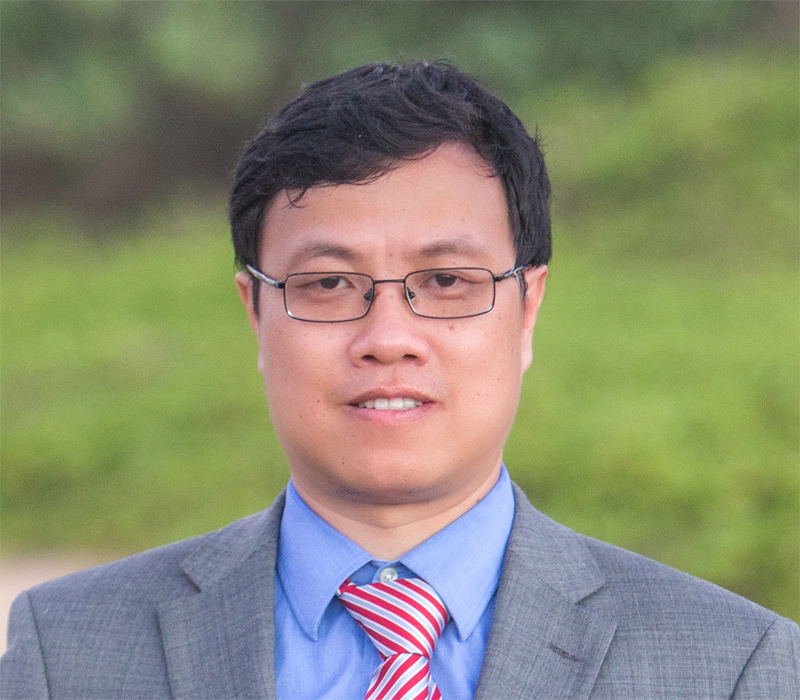
Zhigang Deng is the Moores Professor of Computer Science and Director of Graduate Studies at the University of Houston's Department of Computer Science. He earned his Ph.D. in Computer Science from the University of Southern California (2006), with earlier degrees from Peking University (M.S. 2004) and Xiamen University (B.S. 1997). His research focuses on Human-Centered Computing, Computer Graphics, and Computational Surgery, with notable contributions to insect flight simulation, surgical telementoring, and AI-human collaboration in medical diagnosis. He has been funded by NSF, NIH, NASA, and industry partners like Google and EA. His work is featured in ACM TOG, IEEE TVCG, and SIGGRAPH. Awards include the ACM Distinguished Member (2021), Moores Professorship (2021), and multiple best paper awards. He directs the University of Houston's Computer Graphics and Interactive Media Lab, and serves on editorial boards for IEEE TVCG and Computer Graphics Forum. Teaching includes courses on 3D Graphics and Game Development. Current research projects include surgical simulation frameworks (HySim), farm scene modeling from satellite data, and multimodal conversation analysis in multi-party interactions.
Diego Ramirez Muñoz is a full Professor in the Department of Electronic Engineering at the School of Engineering, University of Valencia, Spain. His work is centered on advanced electronic instrumentation, sensor design, and signal conditioning systems, with a focus on magnetoresistive and perovskite-based technologies. He is a key member of the LEII (Laboratory of Industrial Electronics and Instrumentation) research group. Research Interests: His research spans electronics technology, sensor development, current and power measurement, analog front-end design, and sensor systems for extreme environments such as space. He has made significant contributions to the understanding and application of tunnel magnetoresistance (TMR), giant magnetoresistance (GMR), and perovskite materials in photodetection. His work bridges fundamental device physics with practical engineering applications in energy, industrial monitoring, and IoT. Publication Trends: Over the past decade, his publications demonstrate a consistent focus on magnetoresistive sensors, temperature compensation techniques, wireless sensor networks, and novel analog conditioning circuits. Recent works (2024) extend into perovskite photodetection and cooperative engineering education, reflecting both technical depth and pedagogical engagement. Scientific Awards: No awards explicitly mentioned in the provided text. Advising and Grants: He supervised the PhD thesis of Dr. Enrique J. Dede García-Santamaría. While specific grants are not listed, his long-standing research output and leadership in the LEII group suggest sustained project funding. His involvement in educational innovation projects indicates participation in teaching-focused grants. Labs and Teams: He is affiliated with the LEII (Laboratory of Industrial Electronics and Instrumentation), a research group focused on industrial electronics, sensor systems, and instrumentation. The group develops smart sensors, wireless networks, and robust electronic systems for industrial and space applications.
Dr. Sriram Villupuram is an Associate Professor in the Department of Finance and Real Estate at the University of Texas at Arlington College of Business and serves as Director of the Ryan-Reilly Center for Urban Land Utilization. His research focuses on real estate valuation, urban economics, and financial markets, with expertise in REITs, mortgage finance, and ESG metrics. PhD in Finance and Real Estate, Arizona State University (2008) MS in Industrial Engineering, Arizona State University (2003) BE in Mechanical Engineering, University of Madras (1998) His research integrates machine learning and ESG into real estate valuation frameworks, analyzing trends like urban economic base impacts , foreclosure laws , and REIT performance . Recent work examines risk decomposition for small-cap stocks and climate risk's effect on household wealth. Dr. Villupuram has received the Distinguished Professional Publication Award and multiple teaching and advising accolades. His 15 most recent publications span topics including reference point formation , credit rating dynamics , and currency markets . He advises graduate students on real estate finance, portfolio formation, and urban land redevelopment. His Ryan-Reilly Center leadership involves urban land utilization research and industry collaborations. Media outlets like The Wall Street Journal and CBS 11 News frequently cite his expertise.
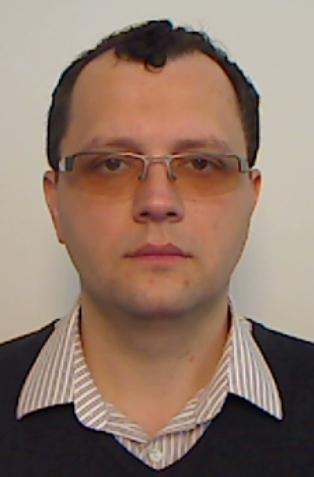
Laurentiu P. Maricutoiu is a Professor in the Department of Psychology at the Faculty of Sociology and Psychology, West University of Timișoara (UVT). He earned his doctorate in Psychology from Babeș-Bolyai University under the supervision of the late Horia Pitariu and has remained an active academic and researcher at UVT. He teaches core courses including Work and Personnel Psychology, History of Psychology, Political Psychology, and Advanced Multivariate Statistics in the PhD program. His research focuses on occupational health psychology, with particular emphasis on self-regulatory mechanisms, dual-process theories, implicit and explicit self-esteem, coping strategies, and meta-analytic methods. He has published extensively in international journals such as Personality and Individual Differences , European Journal of Psychological Assessment , and Journal of Occupational and Organizational Psychology . His recent work includes meta-analyses on employee burnout, faking in psychological assessments, and counterproductive work behaviors, reflecting a strong methodological rigor and applied orientation. Maricutoiu is actively involved in research validation projects, having adapted and validated several key psychological instruments for the Romanian context, including the Contingencies of Self-Worth Scale, IPIP-50, and DSQ-60. He is a member of the Research Laboratory in Social Cognition and Personality Assessment (www.socpers.psihologietm.ro) and serves as Treasurer of the Industrial and Organizational Psychology Association (APIO – www.apio.ro). In 2011, he received the prestigious 'Horia Pitariu' Award from APIO for the best research publication in industrial and organizational psychology. Adaptation of Thinking Styles Inventory (TSI) Development of Teaching for Successful Intelligence Questionnaire (TSI-Q) Co-development of PowerStaTim 1.0 statistical software Research on emotional responses to computer errors Studies on political responsiveness and transparency He has contributed to multiple book chapters and authored or co-authored books on political psychology and statistical software. His work bridges theoretical psychology with practical applications in organizational settings, education, and human-computer interaction. He continues to advance psychological science through methodological innovation, cross-cultural adaptation, and evidence-based practice.
Dr. Julie A. Denison serves as an Associate Professor in the Department of International Health at Johns Hopkins Bloomberg School of Public Health, specializing in Social and Behavioral Interventions. Her research focuses on developing interventions for youth living with HIV, particularly examining how family and environmental determinants influence adolescent health decisions regarding HIV testing, care access, and treatment adherence. With extensive field experience in Zambia, Uganda, and Tanzania, Dr. Denison has established herself as a leading researcher in adolescent HIV care in resource-limited settings. Dr. Denison earned her BA from Clark University in 1992 (Magna Cum Laude and Phi Beta Kappa), followed by an MHS in 1999 and PhD in 2006, both from Johns Hopkins Bloomberg School of Public Health. Her academic journey reflects a deep commitment to addressing health disparities through rigorous research and community engagement. Her research interests span adolescent and young adult health, HIV/AIDS, chronic illness self-management, implementation science, human centered design, behavioral interventions, mindfulness, family-based approaches, and youth engagement. Dr. Denison's work is distinguished by its focus on the social and familial context of adolescent health, recognizing that effective HIV interventions must extend beyond clinical settings to address structural barriers. She has developed several evidence-based interventions, most notably Project YES! (Youth Engaging for Success), which the CDC has designated as an evidence-based intervention. Dr. Denison's current research portfolio includes multiple innovative projects: a cluster randomized controlled trial testing Family Connections (a youth-caregiver intervention), integration of Project YES! with WHO-endorsed mental health approaches (Self-Help Plus), mindfulness training for treatment adherence, and adolescent HIV self-management programs. These interventions uniquely incorporate the lived experiences of youth through active participation of a youth task force in Ndola, Zambia. Magna Cum Laude, Clark University, 1992 Phi Beta Kappa, Clark University, 1992 JHSPH Study Assembly AMTRA Award for Advising, Mentoring & Teaching Recognition (2017) NIH Health Disparities Loan Repayment Program funding (2014-2018) National Institute of Mental Health National Research Service Award (2003-2005) Fulbright Scholar designation (2003-2004) As a dedicated mentor, Dr. Denison has received recognition for her advising and teaching excellence. Her research collaborations span multiple African countries, with particularly strong partnerships in Zambia where she has conducted longitudinal studies on HIV care for adolescents. Through her community-engaged approach that combines implementation science with human-centered design, Dr. Denison continues to advance evidence-based interventions that improve health outcomes for vulnerable youth populations globally.
Dr. Alison Binns is a Lecturer in the Division of Optometry and Visual Science at City St George's, University of London, where she has been conducting research and teaching since July 2013. Her primary academic focus is on the early detection and treatment of Age-Related Macular Degeneration (AMD), with particular expertise in electrophysiological characteristics of early AMD. She holds a BSc in Optometry and Vision Sciences and a PhD from Cardiff University. Dr. Binns' research program centers on developing sensitive clinical tools for AMD diagnosis and monitoring, as well as investigating treatments for early AMD. Her work includes evaluating low vision service provision, studying retinal adaptation using electrophysiology and imaging techniques, and identifying electrophysiological biomarkers of retinal disease. She has secured significant grant funding from organizations including the College of Optometrists, NIHR, Macular Society, and RNIB for projects such as the AMD light trial (ALIGHT) and development of retinal imaging densitometers. Her publication record demonstrates a consistent focus on AMD research, with numerous recent articles in high-impact ophthalmology journals. Her work often involves collaboration with Cardiff University, Bristol Eye Hospital, and various international partners through the MACUSTAR consortium. Dr. Binns has been instrumental in developing clinical tools for AMD assessment and has contributed significantly to understanding the relationship between retinal function and structural changes in AMD. Member, College of Optometrists Registered, General Optical Council As an educator, Dr. Binns teaches multiple clinical skills and eye disease modules. She has supervised numerous research students working on AMD-related topics and collaborates extensively with colleagues across institutions. Her work bridges clinical practice, research, and education in the field of optometry and visual science, with particular emphasis on improving outcomes for patients with AMD.
Prof. Dr. Grischa Perino is a Professor of Environmental Economics at the Department of Socioeconomics, Faculty of Business, Economics and Social Sciences, University of Hamburg. His research focuses on environmental economics, climate policy, and applied microeconomic theory, particularly examining instrument choice, intrinsic motivation for environmental protection, preferences for environmental policies, and environmental innovations. Key projects: Co-chair of the CliCCS Cluster of Excellence's "Dynamics of Climate Governance" and chair of the Kopernikus-Project ARIADNE's climate policy work package. Expertise: Carbon market design, EU ETS reforms, and behavioral economics applications to climate policy. Prominent publications in Science , Nature Climate Change , and Nature Food . He has advised European Commission (DG CLIMA), German Ministry for Economic Affairs and Climate Action, and the German Environment Agency. His research frequently employs survey-based experiments and includes work on the "waterbed effect" in overlapping climate policies, meat taxation, voluntary climate action, and market stability mechanisms in carbon trading systems.
Per Palmgren is an Associate Professor (Docent) in Medical Education and Assistant Senior Lecturer at Karolinska Institutet's Department of Learning, Informatics, Management and Ethics (LIME). Affiliated since 2011, he has served as Director of Doctoral Studies at LIME since January 2022 and is a member of Karolinska Institutet's Pedagogical Academy. He also holds appointments as Senior Lecturer in Higher Education at the Scandinavian College of Naprapathic Manual Medicine and maintains licensure as a Chiropractor. His educational credentials include: Docent (Associate Professor) in Medical Education, Karolinska Institutet (2020) PhD in Medical Science (Medical Education), Karolinska Institutet (2016) Masters in Medical Education (MMedEd), University of Dundee (2010) Postgraduate Diploma in Medical Education (DipMedEd), University of Dundee (2009) Postgraduate Certificate in Medical Education (CertMedEd), University of Dundee (2008) Swedish State Registered Chiropractor (2006) Undergraduate Chiropractic Degree, Scandinavian College of Chiropractic (2003) Palmgren's research centers on educational environments in healthcare professional training, investigating how stakeholders perceive learning contexts and developing sustainable high-quality environments through mixed-methods approaches. His work spans medical, chiropractic, and physiotherapy education with secondary focus on musculoskeletal health research. Recent publications (2021-2025) reveal strong emphasis on clinical learning environment measurement, evidence-based practice implementation, and qualitative exploration of student experiences across health professions. He actively contributes to educational methodology through workshops like the 2025 statistics series for doctoral students. As Editorial Board member for the Journal of Chiropractic Education and peer reviewer for journals including Academic Medicine and Medical Education, Palmgren demonstrates scholarly engagement though no specific awards are documented. His leadership as Director of Doctoral Studies involves overseeing PhD education at LIME while his research group affiliation with Lifelong Learning in Health Care Contexts (LLiHCC) under Professor Terese Stenfors facilitates cross-professional educational studies. Current projects include instrument development for maintenance care selection and clinical environment assessment.
Kristina DePue is an Associate Professor of Counselor Education in the Human Development, Family Science and Counseling Department within the College of Education and Human Development at the University of Nevada, Reno. Her academic journey includes a Ph.D. in Counselor Education from the University of Central Florida, an M.Ed. in Human Development and Counseling from Vanderbilt University, and a B.A. in Sociology from Vanderbilt University. Prior to her current position, she served as an assistant professor at the University of Florida with an Affiliate appointment in UF Psychiatry. Dr. DePue's research is primarily focused on two interconnected areas: (a) chemical and process addictions, with particular attention to the role of negative experiences in behavioral change; and (b) counselor development and supervision, examining how both counseling trainees and clients change during the therapeutic process. Her work on the "bottoming out experience" (BOE) in addiction began as her master's thesis and has evolved into a significant research program examining how negative experiences accumulate during addiction and relate to behavioral outcomes. She also investigates public stigma and implicit bias as barriers to treatment for individuals with addiction, particularly focusing on underserved populations including those with criminal justice histories and gender minorities with Opioid Use Disorder. Additionally, DePue studies technology-based interventions to reduce substance use harm among college students. Analysis of Dr. DePue's publication record from 2014-2024 reveals several key trends in her research. Her work demonstrates a strong focus on addiction counseling, with particular emphasis on the intersection of substance use disorders and mental health issues. She has consistently explored the experiences of marginalized populations within addiction treatment, especially transgender individuals and those with criminal justice involvement. Methodologically, her research employs both qualitative and quantitative approaches, with increasing use of structural equation modeling in recent years. Her scholarly contributions span clinical practice, counselor education, and program development, with practical implications for improving treatment access and effectiveness. Dr. DePue is actively involved in professional organizations including the American Counseling Association, where she serves on multiple editorial review boards. She has held various leadership positions for the International Association of Addictions and Offender Counselors (IAAOC). Her work on the Journal of Addictions and Offender Counseling demonstrates her commitment to advancing the field through scholarly publication.
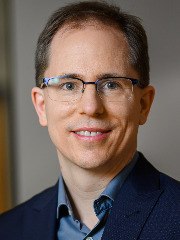
Davide Giacalone is an Associate Professor at the Faculty of Engineering, University of Southern Denmark (SDU) , affiliated with the Department of Green Technology (IGT) and SDU FOOD MATTERS. His research focuses on sensory and consumer science, particularly examining consumer acceptance of food technologies for sustainable and healthier foods.