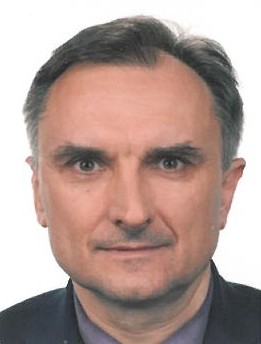
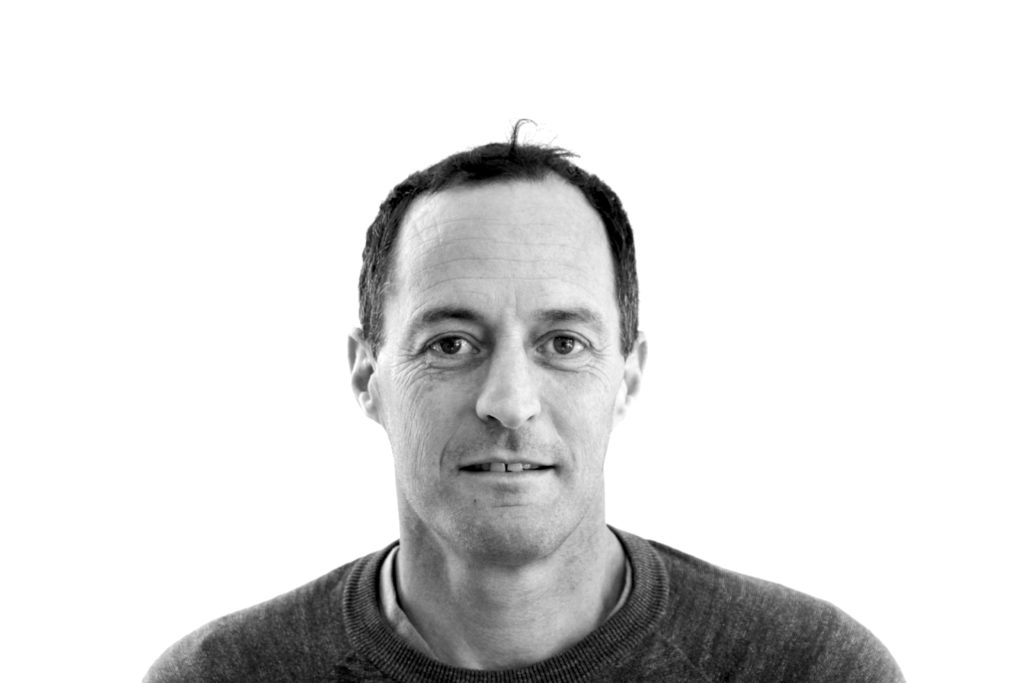
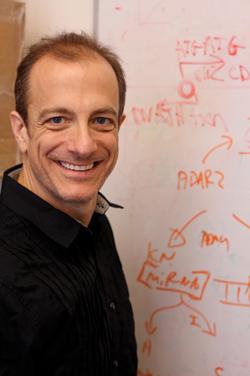
Jinchuan Xing is a Professor at Rutgers, The State University of New Jersey, where he leads the Xing Lab of Genomics. His research focuses on human genomic variation, mobile DNA elements, evolutionary and population genetics, and their implications for human disease. He integrates computational and experimental methods to study genome-wide variation, with applications in disease gene identification and genomic technology development. His research interests include: Mobile DNA element biology Human demographic history and population diversity Disease gene identification using whole-exome and whole-genome sequencing High-altitude adaptation genetics Transposable element regulation and expression piRNA and small RNA pathways His recent publications highlight a strong trend in reproductive genomics, particularly in identifying genetic risk factors for embryo aneuploidy in IVF patients, using advanced sequencing technologies. Other work spans evolutionary genomics in diverse species (bats, moths, Drosophila), structural variation in neurodevelopmental disorders, and proteogenomic discovery. His lab actively develops and applies bioinformatic tools for variant analysis and gene prioritization. Scientific awards and honors are not explicitly mentioned in the provided text. Jinchuan Xing advises several graduate students, including Nan Wang, Siqi, Ellie Lu, and Tongji Xing. His lab has received significant funding, including an R01 grant from NICHD on aneuploidy risk, a grant from the Center for Human Evolutionary Studies, and a Life Sciences Alliance Pilot Seed Funding grant in collaboration with the Department of Statistics. These grants support research in fertility genomics, disease gene discovery, and genomic tool development. The Xing Lab of Genomics is an active research group conducting interdisciplinary studies combining genomics, bioinformatics, and molecular biology. The lab welcomes new members regularly, including master’s and PhD students, and collaborates across departments. Current projects include understanding the genetic basis of meiosis, fertility, and high-altitude adaptation, as well as developing Markovian gene networks for disease gene discovery.