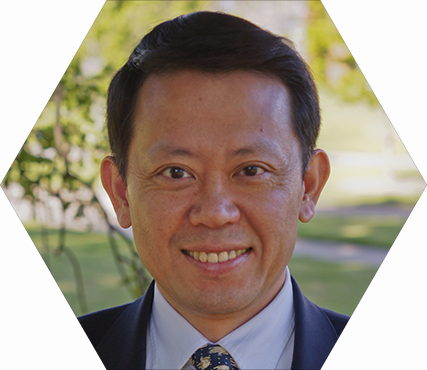
Ricardo Zednik is a Professor at the Department of Mechanical Engineering, École de Technologie Supérieure (ÉTS) in Montreal. Holding degrees from Rice University (BA, BS) and Stanford University (MS, PhD), he specializes in piezoelectric materials, fracture mechanics, and microelectronic systems. His research focuses on sensors, innovative materials, and health technologies. Fields of Interest: Piezoelectricity, Fracture Mechanics, MEMS, Smart Materials, Crystallography With over 36 peer-reviewed publications and extensive supervision of graduate research (including 15+ co-directed theses and projects since 2016), Zednik contributes to applied research in materials science and biomedical engineering. He collaborates with LaCIME and PULÉTS laboratories on cutting-edge projects involving ultrasonic transducers, flexible sensors, and high-temperature material characterization. Current courses include Materials Technology (MEC200) and advanced research topics in Functional and Smart Materials (SYS877). His students explore applications like terahertz quality control, piezoelectric earcanal sensors, and Kirigami techniques for wearable electronics.
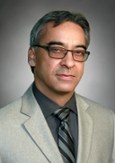
Luigi Bruno is an Associate Professor of Machine Design at the Department of Mechanical, Energy and Management Engineering (DIMEG), University of Calabria. He has held this position since 2014, following 12 years as an Assistant Professor at the same institution and Visiting Professorships at IIT Gandhinagar (2012), University of Alabama at Birmingham (2013-2017), and Free University of Bozen-Bolzano (2021). 1999 : Master's in Mechanical Engineering, University of Calabria (110/110 cum laude) 2003 : PhD in Mechanical Engineering, University of Pisa His research interests span: Experimental Mechanics : Pioneering speckle interferometry for micro-displacement measurement and residual stress analysis. Materials Science : Elastic characterization of anisotropic materials, biomedical applications of soft substrates, and 3D-printed composites. Biomedical Engineering : Mechanical behavior of biological tissues, ocular biomechanics, and dental implant material testing. Recent research trends focus on: Integrating artificial muscles into rehabilitation devices Advancing full-field optical measurement via microCT/DVC Optimizing 3D printed polymer adhesion for industrial components Exploring neuronal biomechanics on soft surfaces Scientific contributions include: CS2007A00010 patent for dual-focus speckle interferometers Deputy Editor of Optics and Lasers in Engineering (2019-present) Guest Editor for special issues on optical methods in experimental mechanics and nanobiotechnology Academic leadership extends to coordinating Mechanical Engineering committees (2021-present), serving on editorial boards, and organizing international conferences like AIAS National Conference (2018). He has secured multiple MIUR research grants and industry collaborations with Alfagomma, 3DNA, and Ferrovie della Calabria. His laboratory, Mechanics of Materials and Structures , supports both research and teaching activities with advanced optical measurement systems and computational tools for mechanical design.
Professor Carsten Welsch is a leading physicist in accelerator science and technology at the University of Liverpool. He founded the QUASAR Group in 2008 and served as Head of the Physics Department from 2016 to 2023. His work bridges cutting-edge research in antimatter physics, beam diagnostics, and innovative accelerator design with strategic leadership in education and international collaboration. PhD in Accelerator Physics, University of Frankfurt Postdoc, Max Planck Institute for Nuclear Physics CERN Fellow (2005) His research focuses on low-energy antimatter physics , plasma wakefield acceleration , and dielectric laser accelerators , with applications in medicine and global challenges. Recent publications highlight advancements in betatron radiation modeling, positronium cooling, and plasma-driven acceleration techniques. He has secured over 25M€ in EU funding for networks like AVA and EuPRAXIA, trained 100+ Marie Curie Fellows, and founded D-Beam Ltd for beam instrumentation. Awards include the Viddy Platinum Award (2022) and Helmholtz-University YIG Award (2006). As Director of the LIV.INNO Center for Doctoral Training, he champions data-intensive science education. His outreach efforts have impacted millions globally, emphasizing discovery science and accelerator technology's societal benefits.
Dr. Carsten Flake is a researcher at the Institute of Energy and Process Engineering at ETH Zurich, where he joined the Energy and Process Systems Engineering Group led by Professor André Bardow in 2021. His work focuses on developing advanced measurement techniques for thermophysical properties using Raman spectroscopy approaches. Previously, he completed his PhD at RWTH Aachen University in Germany under the supervision of Professor André Bardow. Dr. Flake's educational background includes: Mechanical Engineering with a major in Chemical Engineering at RWTH Aachen University, Germany PhD completed in 2021 for dissertation titled 'Automated Measurement, Modeling and Interpretation of Diffusion Coefficients in Aqueous Multicomponent Mixtures' Dr. Flake's research primarily centers on leveraging Raman spectroscopy to measure thermophysical properties in chemical engineering applications. His work involves developing automated platforms for measuring vapor-liquid equilibrium, liquid-liquid equilibrium, and diffusion coefficients in multicomponent systems. He has made significant contributions to process analytical technology, particularly for bioprocess monitoring and chemical process engineering applications. An analysis of Dr. Flake's publications reveals a consistent focus on the application of Raman spectroscopy for thermophysical property measurements. His work spans from fundamental studies of diffusion phenomena to practical applications in bioprocessing and refrigeration systems. The research demonstrates a progression toward more automated and integrated measurement systems, often incorporating microfluidic technologies for improved precision and efficiency in characterizing complex chemical mixtures. At ETH Zurich, Dr. Flake has contributed significantly to planning and establishing experimental laboratories, overseeing their startup and implementation. His work supports the Energy and Process Systems Engineering Group's mission to advance sustainable process engineering solutions through innovative measurement and modeling approaches.
Molly S. Shoichet serves as a University Professor at the University of Toronto's Faculty of Applied Science and Engineering, holding the Pamela and Paul Austin Chair in Precision and Regenerative Medicine and previously the Michael E. Charles Chair in Chemical Engineering. She leads the Shoichet Laboratory (Room 514, 160 College Street) focused on biomaterials-driven solutions for regenerative medicine and drug delivery challenges. Her educational foundation includes a B.Sc. from MIT and M.Sc./Ph.D. from the University of Massachusetts. This training underpins her cross-disciplinary approach integrating engineering, chemistry, and biology to address unmet medical needs. Shoichet's research centers on four synergistic pillars: (1) Targeted cancer delivery using colloidal drug aggregates for breast, brain, lung, and lymphoma; (2) Injectable hydrogels enabling sustained biomolecule release to the CNS for spinal cord/retinal repair; (3) 3D biomimetic scaffolds modeling disease microenvironments for drug screening; and (4) Cell delivery systems enhancing stem cell survival in blindness/stroke applications. Her lab emphasizes translational impact through commercialization efforts like AmacaThera. Analysis of her 2021-2025 publications reveals accelerating innovation in RNA delivery platforms, neural repair strategies, and disease-specific hydrogel systems, with strong emphasis on pulmonary delivery, stroke recovery mechanisms, and ocular therapeutics. These works bridge nanomedicine, regenerative biology, and clinical translation across cancer and neurological disorders. Her exceptional contributions are recognized through over 30 major honors including: Gerhard Herzberg Canada Gold Medal (2020) Killam Prize in Engineering (2017) Foreign Membership in US National Academy of Engineering (2016) Fellowship in The Royal Society (2019) Officer of the Order of Canada (2018) L’Oréal-UNESCO For Women in Science Laureate (2015) Shoichet actively mentors graduate students (including OGS/QEII scholars Chris Ling, Nadiyah Khan, and Riley Li) and secures major funding from Natural Sciences and Engineering Research Council (NSERC), Canadian Institutes of Health Research (CIHR), Canada First Research Excellence Fund (Medicine by Design), Krembil Foundation, and McEwen Foundation. Her lab operates as a multidisciplinary hub collaborating with stem cell biologists, neurosurgeons, and cancer researchers to advance therapeutic pipelines. The Shoichet Lab maintains state-of-the-art facilities for polymer synthesis, cell culture, and in vivo testing, with current projects focused on RNA delivery stabilization, glaucoma treatment systems, and stroke recovery mechanisms. Her TERMIS-Americas leadership and commercialization initiatives demonstrate commitment to translating biomaterials innovations into clinical impact.
Timothy D. O'Brien is a Professor and Division Head of Comparative Pathology in the Department of Veterinary Population Medicine at the University of Minnesota College of Veterinary Medicine. He holds multiple affiliations including the Stem Cell Institute, Masonic Cancer Center, and Institute for Engineering in Medicine. Dr. O'Brien also serves as faculty for the Masters Program in Stem Cell Biology. Dr. O'Brien earned his BS, DVM, and PhD degrees from the University of Minnesota in 1976, 1978, and 1985 respectively. He is a Diplomate of the American College of Veterinary Pathologists (Anatomic Pathology, 1984). His research spans veterinary pathology, transplantation biology, stem cell research, and cancer biology with a focus on comparative pathology models. He has made significant contributions to understanding interspecies organogenesis, islet xenotransplantation, and animal models for human diseases. His work bridges veterinary and human medicine, exploring translational applications of findings from animal models to human conditions. Recent publications highlight innovative approaches to transplantation without long-term immunosuppression and studies on hemangiosarcoma biology. Dr. O'Brien's publication record demonstrates expertise across multiple disciplines including diabetes research using feline models, lung cancer heterogeneity, and innovative transplantation techniques. His work frequently involves interdisciplinary collaborations across veterinary medicine, engineering, and human medical specialties, reflecting the integrative nature of modern biomedical research. His research program involves extensive collaborations across the University of Minnesota and beyond, working on projects related to stem cell biology, cancer research, and transplantation medicine. As Division Head of Comparative Pathology, he oversees diagnostic pathology services while maintaining an active research program that contributes to advancing our understanding of disease mechanisms through comparative approaches.
Anuj Pathania serves as an Assistant Professor in the Parallel Computing Systems (PCS) group within the Informatics Institute at the University of Amsterdam's Faculty of Science. His research pioneers sustainable computing systems operating under severe power, thermal, and reliability constraints, with significant contributions to energy-efficient hardware design and embedded systems. Education: PhD in Computer Science (2018), Karlsruhe Institute of Technology MSc in Computer Science (2012), National University of Singapore B.Tech in Computer Science (2009), Maharaja Agrasen Institute of Technology Pathania's research centers on low-power design and sustainable systems for constrained environments, with particular expertise in thermal management of 3D-stacked architectures and energy-efficient machine learning inference . His work bridges electronic design automation with real-world reliability challenges, developing novel power budgeting techniques like T-TSP that incorporate transient temperature effects ignored by conventional methods. Current projects include EU-funded initiatives on energy labeling for digital services, addressing ecological impacts through technological, behavioral, and legal frameworks. His publication trajectory reveals a strategic evolution toward zero-waste computing , with recent work (2023-2025) focusing on hardware-software co-design for edge AI, energy modeling across computing continua, and parameter-efficient neural adaptation. Key themes include thermal-aware scheduling for S-NUCA many-cores, cooperative processor utilization in heterogeneous systems, and sustainability metrics for digital services. Scientific Recognition: Best Paper Award Nomination at IEEE Computer Society Annual Symposium on VLSI 2023 for 3D-TTP power budgeting technique Pathania actively mentors 4 PhD students (Ehsan Aghapour, Saeedeh Baneshi, Sudam Wasala, Yixian Shen) and has successfully supervised 5 Master's theses (including Cum Laude defenses by Joris op ten Berg and Jurre Wolff). His research is supported by major grants including Energy Labels for Ecologically Sustainable Digital Services (2023-2024) and Towards Zero-Waste Computing (2021-2025), developing simulation frameworks like HotSniper and CoMeT for thermal analysis. The PCS group maintains strong industry collaborations with ARM and NVIDIA, particularly through tools like ARM-CO-UP for heterogeneous processor utilization.
Prof. Dr. Leonid Ionov is a leading academic at the Faculty of Engineering Science , University of Bayreuth, specializing in Biofabrication and 4D Printing . He has held professorial roles since 2017, with prior positions at the University of Georgia and TU Dresden. Research Priorities: Smart responsive polymers, 3D/4D bioprinting, self-healing electronics, and bioinspired surface engineering. Teaching: Offers advanced courses in 3D Printing of Polymers , Biofabrication , and Polymer Science . His work integrates stimuli-responsive materials with additive manufacturing to create bioinspired actuators, vascular scaffolds, and self-healing conductive systems. Recent articles focus on 4D-printed vascular junctions , multi-responsive cellulose composites , and dynamic bilayer morphing . Scientific Achievements Recipient of the 2022 North Bavaria Business Plan Competition award 2012 Georg Manecke Prize for biopolymer research Developed European patents for Li-S battery cathodes and microfluidic devices Trained over 20 PhD/postdoc alumni now at institutions like Iowa State University and Harvard Medical School . Leads a multidisciplinary lab with advanced equipment for polymer synthesis, electrospinning, and cell culture studies.
Kevin Chetty is a Professor of Wireless Sensing at University College London (UCL), leading the Urban Wireless Sensing Lab within the Department of Security and Crime Science. His work bridges radar technology, machine learning, and healthcare applications, with a focus on passive sensing systems. Education: PhD in Medical Ultrasound Physics (Imperial College London, 2004-2007), MRes in Image and X-Ray Physics (King's College London, 2003), BSc in Physics (King's College London, 1999) Research spans radar micro-Doppler signature analysis for human behavior classification, software-defined radar development, and integrated communication-sensing systems, with applications in security, healthcare, and smart environments. Recent work emphasizes privacy-preserving technologies and edge processing for real-time operations. Scientific awards include the 2022 IET Radar Systems Best Paper Runner-Up, 2022 IEEE Radar Conference 2nd Place, and 2015 National Instruments Engineering Impact Award. He has received funding from government and industry sectors in telecommunications, IoT, security, and healthcare. Teaching roles: Programme Convener for MSc Crime Science and IEP Minor in Crime and Security Engineering; Module Convener for Security Technologies and Crime Mapping & Spatial Analysis Consultancy: Huawei Technologies (2020-2022), Metropolitan Police Service (2019)
Steven Y. Liang , Regents' Professor at the Georgia Institute of Technology 's Woodruff School of Mechanical Engineering, focuses on precision manufacturing , additive manufacturing , and materials-driven process optimization . His research program bridges materials science and computational mechanics to develop predictive models for advanced manufacturing systems. Ph.D., University of California, Berkeley (1987) M.S., Michigan State University (1984) B.S., National Cheng-Kung University, Taiwan (1980) Dr. Liang's work emphasizes physics-based modeling of thermal-mechanical interactions in machining and additive manufacturing, particularly for Ti6Al4V and Inconel 718 alloys. Recent publications highlight tool wear prediction , laser-assisted micro-milling , and residual stress modeling using machine learning and analytical mechanics. His research has been recognized with the ASME Milton C. Shaw Manufacturing Research Medal (2016) , SME Gold Medal (2021) , and Outstanding Lifetime Service Award of NAMRI/SME (2021) , among others. Funded by federal agencies and aerospace/automotive industries, his work provides scientific foundations for process planning and optimization.
Paul Rothemund is a Visiting Associate in Computing and Mathematical Sciences and Computation & Neural Systems at the California Institute of Technology . His research focuses on expanding the toolkit of DNA nanotechnology , particularly through the development of DNA origami and its integration into fields like biological engineering and translational research . He is part of the Biology and Biological Engineering divisions and collaborates with the Winfree and Qian labs. B.S., Caltech (1994) Ph.D., University of Southern California (2001) Research Interests Rothemund’s work centers on programmable molecular systems , with a focus on DNA origami for creating nanoscale shapes, RNA nanostructures , and lipid nanodiscs . His lab develops methods for molecular self-assembly , nanophotonic architectures , and single-molecule assays . Key applications include hybrid nanodevices , precision biomolecular placement , and dynamic DNA/RNA systems . Publication Trends Over 15 recent articles, Rothemund’s research spans DNA/RNA origami , lipid bilayer engineering , nanoarray fabrication , and biomolecular sensing . Themes include modular design , co-transcriptional folding , and programmable nanoscale materials . Scientific Recognition Beckman Senior Research Fellow (2001-04) Bryan R. Coles Prize (2017) Advising & Collaborations Rothemund has advised doctoral students and postdocs such as Anya Mitskovets (now at KLA) and Tyler Ross (MIT/Harvard). His lab forms a DNA nanotechnology supergroup and engages in interdisciplinary collaborations.
Dr. Amarjeet Bassi is a Professor of Chemical and Biochemical Engineering in the Faculty of Engineering at Western University. He holds a Ph.D. and is a Professional Engineer (P.Eng). His research group has made significant contributions to environmental engineering, particularly in developing the world's first circulating fluidized bed ion exchange chromatography system. Dr. Bassi has established strong industry partnerships, including with Renix Inc. for commercializing his UIX technology and with Stanton Farms for phycoremediation research. Dr. Bassi's research interests focus on innovative environmental and bio-separation technologies. His work spans micro-algal applications for clean water and value recovery, integrated technologies for water refining and nutrient and energy recovery using biological systems, bio-separations, and biosensors. His research group pioneered the circulating fluidized bed ion exchange chromatography system (UIX), which is now being commercialized by Renix Inc. He has also developed significant expertise in phycoremediation, particularly for treating wastewater from dairy farms and greenhouse industries. Dr. Bassi's publication record demonstrates a strong focus on sustainable water treatment technologies, bioenergy production, and biodegradation of plastics. His recent work shows increasing attention to microplastic pollution, hydrothermal liquefaction of microalgae for bio-crude oil production, and innovative approaches to wastewater treatment using microbial systems and phycoremediation. Distinguished Speaker Award from IChE (2007) Engineering Science Prize for Outstanding Teaching at Western University (2000) SPIE Optics East Best Paper Award (2006) Dr. Bassi has graduated over 45 highly qualified personnel (PhDs, M.E.Sc and PDFs/Research Associates) and supervised more than 50 undergraduate research students. His research has been supported by significant grants from Canada Foundation for Innovation, NSERC Strategic Project grants, OMAFRA New Directions, and other funding agencies. He has served in leadership roles including President of the Canadian Society for Chemical Engineering (2014-2015) and as Associate Editor for the Canadian Journal of Chemical Engineering. Dr. Bassi leads an active research group focusing on innovative environmental technologies. His lab has developed the world's first circulating fluidized bed ion exchange chromatography system and has established successful industry partnerships, particularly with Renix Inc. for commercializing the UIX technology. His research group maintains strong collaborations with Stanton Farms for phycoremediation research and works with various industry partners on wastewater treatment and bioenergy projects.
Heidi Ottevaere is a Professor at the Faculty of Engineering of the Vrije Universiteit Brussel (VUB) since October 1, 2009. She serves as the head of the Instrumentation and Metrology platform at the Photonics Innovation Center and leads the 'biophotonics' research unit of the Brussels Photonics Team (B-PHOT), which is chaired by Prof. Hugo Thienpont. Her work focuses on the design, fabrication, and characterization of photonic components and systems for diverse applications in medical diagnostics, environmental monitoring, and industrial processes. Dr. Ottevaere earned her Electrotechnical Engineering degree with majors in Photonics from Vrije Universiteit Brussel in 1997 and completed her PhD in Applied Sciences at the same institution in 2003. Her doctoral research focused on 'Refractive microlenses and micro-optical structures for multi-parameter sensing: a touch of micro-photonics.' Professor Ottevaere's research spans multiple cutting-edge areas of photonics with particular emphasis on biophotonics, micro-optics, and optical metrology . Her work bridges fundamental science with practical applications, developing novel photonic components and systems that address real-world challenges. She has pioneered research in miniaturized optical systems for medical diagnostics, environmental monitoring, and industrial applications. Her current research focuses on advancing lab-on-a-chip technologies, microfluidic optical sensors, and novel optical fiber systems for biomedical applications. She has developed microminiaturized, integrated plastic detection units for absorbance and laser-induced fluorescence measurements in microfluidic channels, enabling portable, robust, and disposable diagnostic systems. Her recent publications demonstrate a strong trend toward integrated optical sensing systems with applications in medical diagnostics and environmental monitoring. There's a clear progression from fundamental optical component design to complete system integration, with increasing emphasis on artificial intelligence for data analysis and computational imaging techniques. Her work bridges photonics with biomedical engineering, materials science, and data science, reflecting the interdisciplinary nature of modern photonics research. Dr. Ottevaere has been recognized with several prestigious awards: Best Application award (2008) Educational award - Bronze (2019) MOC09 Contribution Award Winners (2009) As an educator and mentor, Professor Ottevaere has promoted 9 PhD students and supervised numerous master's theses. She has secured substantial research funding from diverse sources including the Fund for Scientific Research Flanders (FWO), the Institute for the Promotion of Innovation by Science and Technology in Flanders (IWT), and multiple European Framework Programs. Her current portfolio includes projects on miniaturized biosensors for drinking water screening, precision manufacturing, and photonics education initiatives in Uzbekistan. She has coordinated multiple strategic research and networking projects with regional, national, and international funding bodies. Professor Ottevaere leads the biophotonics research unit within the Brussels Photonics Team (B-PHOT), one of Europe's leading photonics research groups. Her team includes researchers working on optical metrology, micro-optics fabrication, and biophotonic applications. She collaborates extensively with industry partners including Melexis, Umicore, and Anteryon, as well as academic institutions across Europe through various EU-funded projects. She has been instrumental in developing the interuniversity engineering curriculum 'Master in Photonics' which received the EC Erasmus Mundus quality label in 2006, and continues to be the driving force behind photonics education at VUB.
Lauri Rautkari is an Associate Professor in the Department of Bioproducts and Biosystems at Aalto University, Finland. His research focuses on water interactions in biomaterials, particularly wood, with an emphasis on developing advanced analytical methods for water vapor sorption, creating novel low-sorption materials, and investigating hygroscopicity and fungal decay resistance in modified wood systems. Research Highlights: Gas-phase ozone treatment for improved wettability, thermal and chemical wood modification, hyperspectral imaging for moisture prediction, bioinspired coatings for fungal protection, and interlaboratory studies on sorption data quality. Recent Publications: Key contributions to understanding lignin's role in moisture interactions, acetylation reversibility, and the impact of fungal degradation on heat-treated wood. The trend in his publications reflects a strong focus on hygroscopicity, chemical modification techniques (acetylation, melamine-formaldehyde impregnation), advanced imaging methods (hyperspectral, neutron scattering), and the development of sustainable wood-based materials for construction and acoustic applications. Collaborative interlaboratory efforts dominate his work, ensuring standardized methodologies for moisture analysis.
Dr. Adrian Fazekas is a Lecturer at the Institute of Highway Engineering, RWTH Aachen University, and collaborates with the Federal Highway Research Institute (BASt). He holds a Dr.-Ing. in Computer Science from RWTH Aachen (2005–2011), specializing in Media Engineering. His professional trajectory includes roles as a Research Assistant at RWTH Aachen and industry experience as a Software Developer at Continental AG. Research interests focus on traffic data acquisition , microscopic traffic flow simulation , and intelligent transportation systems . Key projects include: DROVA: Drone-based traffic analysis for infrastructure optimization ESIMAS: Real-time tunnel safety management Digital Twin Road: Physical-informational mapping of future highways AUTUKAR: Automated tunnel monitoring systems His publications emphasize real-time traffic detection , safety analytics , and data-driven modeling , with recent work exploring thermal-camera nudging systems and weigh-in-motion accuracy. He actively contributes to the Research Association for Roads, Earth and Tunneling (SETAC). No awards or student advising roles are documented.