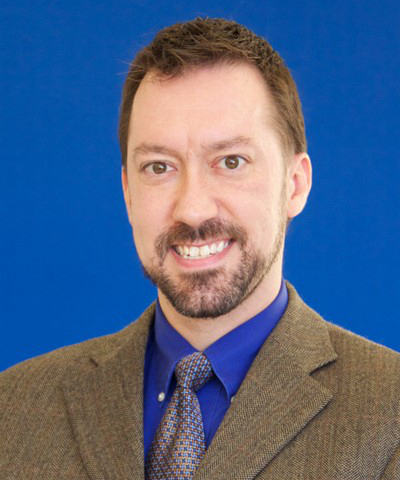
Matthew Willseyمشاهده پروفایل
استادیار
Matthew Willsey, PhD, is an Assistant Professor jointly appointed in the Department of Neurosurgery and the Department of Biomedical Engineering at the University of Michigan, Ann Arbor. He leads the Willsey Laboratory, a multidisciplinary team dedicated to developing high-performance intracortical brain-computer interfaces (iBCIs) that restore communication and fine motor control for individuals with severe paralysis. Research Focus Real-time decoding of finger and wrist movements from cortical neural signals Non-linear machine-learning algorithms (artificial neural networks, RNNs) for robust neural decoding Clinical translation of iBCIs, including first-in-human trials with high-capacity implants Computational neuroscience of motor control and neural dynamics Low-power, wireless neural interfaces for long-term implantation Dr. Willsey’s recent publications converge on three major themes: (1) achieving naturalistic, multi-effector control through advanced decoding algorithms; (2) translating these technologies into safe, effective clinical systems for paralyzed users; and (3) understanding the underlying neural computations that enable dexterous movement. His work increasingly integrates explainable AI techniques to balance performance with interpretability, ensuring clinical adoption and regulatory approval. Clinical & Translational Leadership Principal Investigator, Paradromics Connexus BCI national clinical trial site at Michigan Director, University of Michigan arm of the Investigational Brain-Computer Interface for Motor/Speech Restoration study Leads participant recruitment and longitudinal testing for 13-month iBCI trials Laboratory & Mentorship The Willsey Lab currently hosts MD/PhD students, neurosurgery residents, and post-doctoral researchers. Recent trainees include Prateek Pinchi (MD/PhD candidate focusing on human BCI algorithms) and collaborations across the University of Michigan Neurosurgery and Biointerfaces communities. The lab also maintains active partnerships with industry (Paradromics) and national consortia to accelerate translation from bench to bedside.