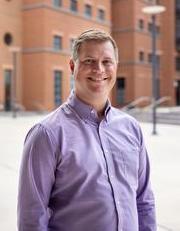
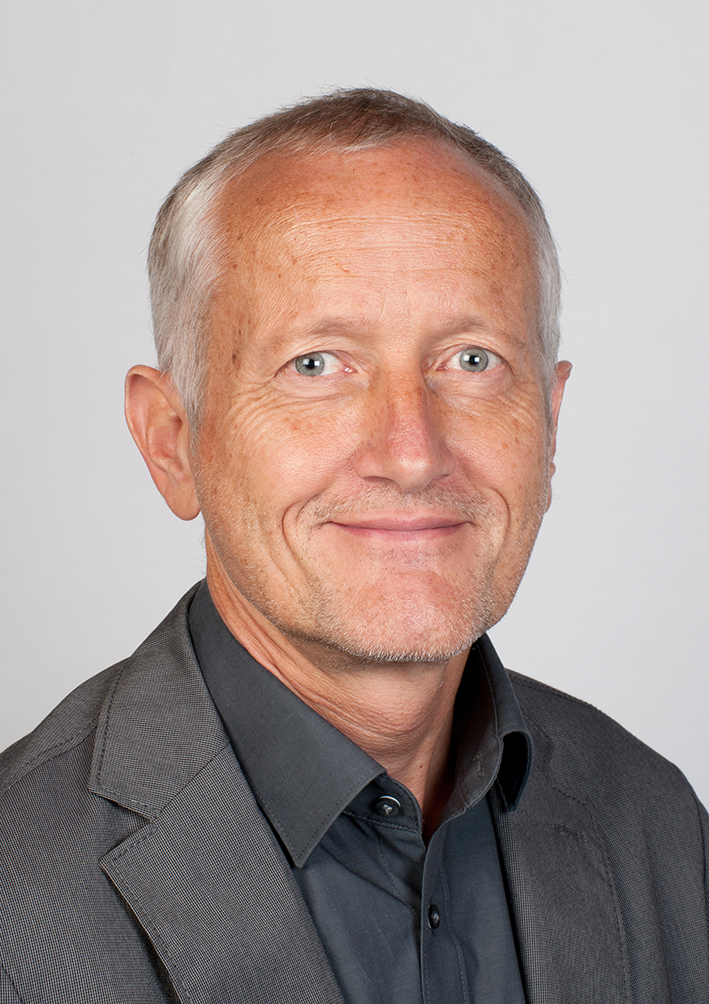
Jens Schirmer is a Researcher at the Institute of Precision Engineering and Electronic Design, Technische Universität Dresden. His work focuses on precision engineering construction, modeling and simulation of mechanical systems, and development of medical device technology. He is actively involved in designing specialized 3D printers and miniature actuators inspired by biological systems. Current research includes modeling watch movement gears Development of innovative 3D printers for silicone prostheses Creation of cooling compression bandages Design of automotive interior control elements His publications emphasize mechanical optimization, FEM simulations, and timing belt drive systems. He teaches courses on construction fundamentals, product development, and actuator technology at TU Dresden. Current projects include: Robust optimization of watch movement gears 3D printer development Silicone prosthesis manufacturing technology Automotive control element design
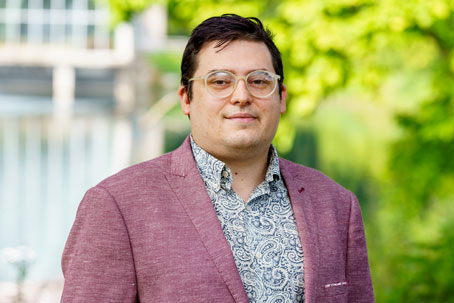
Yue Wen is an Assistant Professor at the University of Central Florida. His research focuses on rehabilitation robotics, machine learning, neuromechanics, and human-robot interaction. He holds a Ph.D. in Biomedical Engineering from the University of North Carolina at Chapel Hill and North Carolina State University, an M.S. in Control Theory and Engineering from Huazhong University of Science and Technology, and a B.S. in Automation from Wuhan University of Technology. His work integrates neural engineering and robotics to develop adaptive prosthetic systems and rehabilitation technologies. Key areas include real-time neural drive estimation using deep learning, haptic collaboration in motor tasks, and reinforcement learning for personalized prosthesis control. Recent studies explore exoskeleton interaction dynamics and virtual physical coupling in lower-limb robotics. Yue Wen has received the UNC/NC State Research Assistant Scholarship (2014–2019) and was a finalist in the EMBC Student Paper Competition (2015). His research bridges biomechanics, machine learning, and clinical applications, with a focus on improving gait symmetry and user interaction in robotic prosthetics.
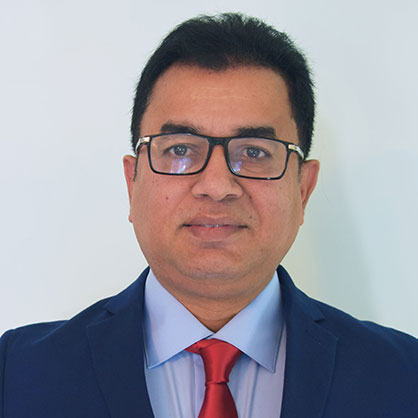
Derek Wolf is an Assistant Professor in Mechanical Engineering (2023–present), focusing on biomechanics and rehabilitation robotics to empower independent living through assistive technology. He holds a Ph.D. from Cleveland State University (2020) and a B.S. from the University of Notre Dame (2013). His research interests span biomechanics, robotics, assistive technology, and rehabilitation engineering. Prior to academia, he worked as a Controls Engineer at Cummins Inc. (2013–2015) and as a Postdoctoral Scholar at Vanderbilt University (2021–2023). He leads the grant-funded project "COOPERATIVE DESIGN OF A USER-FRIENDLY FES-INTEGRATED PASSIVE EXO" (Paralyzed Veterans of America, 2025–2026) as Principal Investigator. His articles emphasize wearable robotics, prosthetics optimization, and FES-driven motion control. Recent work includes evaluating novel ankle exos for runners and integrating exosuit capabilities into everyday clothing for workplace ergonomics.
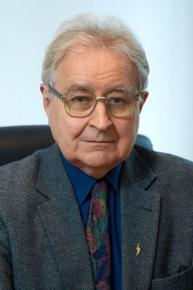
Shamin Sadrafshari is a Researcher at the University of Bath, affiliated with the Department of Mechanical Engineering. He is part of the Foundry: Centre for Digital, Manufacturing & Design and the Centre for Bioengineering & Biomedical Technologies (CBio), as well as the Bath Institute for the Augmented Human. His research focuses on biomedical engineering, neural interfaces, and energy harvesting technologies. Current projects include improving tactile display systems through the IAA-funded 'Improving User Experience on Sensory Substitution Tactile Display Pad' (2023-2023). Research interests span urinary bladder physiology, neural signal processing, piezoelectric energy harvesting, and MEMS-based actuators. His work bridges mechanical engineering with bioelectronics, focusing on applications like spinal cord injury rehabilitation and industrial tool monitoring. Notable contributions include advancements in tool condition monitoring using machine learning, velocity-selective neural processing systems, and vibration-based energy harvesting designs. Collaborations span veterinary medicine, microelectronics, and human-computer interaction. Ongoing work aims to develop neural interfaces for bladder control systems and optimize manufacturing processes through real-time tool wear analysis. His research portfolio includes 15 peer-reviewed publications since 2011, with recent focus on biomedical device design and smart manufacturing solutions. Current affiliations emphasize interdisciplinary innovation in augmented human technologies and bioengineering.
fabio alberti is a fixed-term assistant professor at the department of mechanical and aerospace engineering (dimeas) of politecnico di torino. he is affiliated with the college of mechanical, aerospace, and automotive engineering. his work spans mechanical engineering, automotive systems, and applied mechanics. fabio's research integrates machine learning with mechanical engineering, focusing on vehicle dynamics, smart design algorithms, and biomedical applications like hip and dental prosthetics. his studies address fatigue analysis, vibration modeling, and tire dynamics. his recent articles highlight trends in electric powertrain control with neural networks smart design for automotive and biomedical components multi-physical modeling of tires and urban vehicles tribological and biomechanical analysis vibration and fatigue life evaluation
J. Miles Canino is an Assistant Professor in the Department of Mechanical Engineering at Rose-Hulman Institute of Technology. His academic journey includes a Ph.D. (2017) and MS (2015) in Mechanical Engineering from Clarkson University. Research Interests : Dr. Canino specializes in rehabilitation robotics , focusing on enhancing prosthetic limb control through EMG signal processing and haptic feedback systems . His work bridges mechatronics , system dynamics , and robotics to improve motor control and locomotor function for individuals with lower limb loss. Recent Publications : His 2022 studies on deep neural networks for joint torque prediction and haptic navigation tools for the visually impaired highlight his interdisciplinary approach. Earlier works (2014–2017) explore EMG-controlled prosthetics, haptic feedback arrays, and powered prosthesis integration.
Dr. Veena K. Ranganath is a practicing adult rheumatologist and clinical researcher at the David Geffen School of Medicine, University of California, Los Angeles (UCLA) . Holding the academic rank of Clinical Associate Professor in the Department of Medicine, Division of Rheumatology , she co-directs the Training Program in Translational Science (TPTS) Track 3 and directs the Rheumatology Fellowship Musculoskeletal Ultrasound Training Program . MS, BioMath, UCLA, 2010 MD, UCLA School of Medicine, 2000 Rheumatology Fellowship, UCLA School of Medicine, 2005 Internal Medicine Residency, VA Greater Los Angeles Healthcare System, 2003 Her research focuses on rheumatoid arthritis outcome measures and musculoskeletal imaging (MRI, ultrasound). Recent work includes ultrasound-guided treatment decisions , obesity-disease interaction studies , and development of automated phenotyping algorithms . Publications emphasize synovitis assessment via power Doppler and comorbidity impacts on treatment outcomes . Awarded Top Doctors by Los Angeles Magazine (2021) , she contributes to Clinical Trials like the RA-PRO PRAGMATIC TRIAL and Acthar in RA-related flares. Affiliated with Ronald Reagan UCLA Medical Center and UCLA Santa Monica Medical Center , she specializes in gout care and rheumatoid arthritis .
Professor Giacinto Barresi serves as Professor of Robotics at the Bristol Robotics Laboratory, University of the West of England (UWE), within the College of Arts, Technology and Environment's School of Engineering. His research integrates Cognitive Ergonomics and Neuroergonomics to develop Robotic-Digital Systems for Health & Safety applications. His educational background includes an MSc in Experimental Psychology and Cognitive Neuroscience from the University of Padua (Italy), and a PhD in Robotics, Cognition and Interaction Technologies from the University of Genoa (Italy). Prior to UWE, he spent thirteen years as a researcher at the Istituto Italiano di Tecnologia (IIT), focusing on human-centered robotic technologies for biomedical domains. Barresi's research spans Neuroergonomics, Human-Robot Interaction, Telerobotics, and Exergames, with emphasis on embodied-enactive User Interfaces and Brain-Robot Interfaces. His work explores physio-motor processes to enhance user abilities and system performance through Virtual/Mixed Reality applications, particularly in rehabilitation contexts. His recent publications (2024-2025) demonstrate strong focus on prosthetic embodiment, tele-rehabilitation, neuroergonomic healthcare systems, and mobile health sensors, showing consistent interdisciplinary work bridging robotics, neuroscience, and clinical applications. He holds significant leadership positions including: co-representative for internationalisation on the UK-RAS Executive Committee, co-chair of the IEA Technical Committee on Human Factors in Robotics, Application Chair for Telehealth at the IEEE Telepresence Initiative, and Industry Liaison for HMI/UX at IEEE CTSoc. Barresi serves as Associate Editor for Sage Journal of Advanced Robotic Systems and Frontiers in Neuroergonomics, and Editorial Board member for the Wiley International Journal of Medical Robotics. His grant leadership includes the ENACT rehabilitation project funded by the Italian Multiple Sclerosis Association, plus contributions to European projects like µRALP and TEEP-SLA. He maintains active research collaborations through the RAISE innovation ecosystem and has held visiting positions at Kyushu University, IIT Gandhinagar, and the Open University's Knowledge Media Institute.
Gian Luca Barbruni is a Postdoctoral Researcher at the Bio/CMOS Interfaces Laboratory at École polytechnique fédérale de Lausanne (EPFL), Switzerland, where he focuses on designing novel circuital architectures for in-memory sensing and computing, and on drinkable µm-sized bioelectronics for enhanced brain imaging and precise diagnostics. He also served as a Doctoral Assistant at the Integrated Systems Laboratory (LSI1) at EPFL. Dr. Barbruni earned his Ph.D. in Microsystems and Microelectronics from EPFL in 2023, focusing on the design and development of innovative cortical visual prosthesis to revert blindness. Prior to that, he received his M.Sc. in Biomedical Instrumentation (2019) and B.Sc. in Biomedical Engineering (2017) from Politecnico di Torino, Italy. His research primarily centers on the intersection of low-power mixed-signal IC design, wireless power transfer, and microfabrication techniques for biomedical applications. His work spans brain-computer interfaces, vision restoration technologies, cancer diagnostics, and electrochemical sensing systems. Dr. Barbruni's approach integrates circuit design with electrode-tissue interface engineering to create miniaturized, wireless neural interfaces that overcome limitations of traditional neurostimulation systems. His research on frequency-switching inductive links has demonstrated significant improvements in efficiency and power delivery for large-scale neural interfaces. His publication record shows a clear progression toward increasingly sophisticated and miniaturized neural interface systems, with recent work focusing on in-memory sensing for cancer diagnostics and advanced microfabrication techniques for electrode integration. The consistent theme across his publications is the development of wireless, miniaturized systems that can operate within safety constraints while delivering sufficient power for neural stimulation and sensing applications. Dr. Barbruni has received several notable recognitions for his work: Best Student Paper Award in Electronics at IEEE MOCAST, 2022 in Bremen, Germany As a Principal Investigator, he has secured multiple competitive grants including MINT-CMOS (Enable 2022) and WIMOS-RES (Enable 2022). He serves as a reviewer for prestigious journals including IEEE Transactions of Biomedical Circuits and Systems and IEEE Sensors Journal, and as a TPC member for major conferences such as IEEE BioCAS, IEEE Sensors, IEEE MeMeA, and IEEE ICECS. Dr. Barbruni is actively involved with the Bio/CMOS Interfaces Laboratory in Neuchâtel, part of EPFL's School of Engineering, where he leads research on novel circuital architectures for in-memory sensing and computing. His work on 'Neural Dot' represents a significant advancement in fully integrated monolithic chips for neural interfaces, featuring wafer-level CMOS-compatible post-processing techniques for electrode integration that address traditional challenges in miniaturized neural implant design.
Chuck Lewis is a Professor of English and Director of the Writing Program at Beloit College. He holds a B.A. and Ph.D. from the University of Minnesota. His research focuses on American novels from the late 19th century to contemporary periods, emphasizing interdisciplinary approaches, rhetoric/visual culture, and the cultural history of bicycling. Key academic contributions include A Coincidence of Wants: The Novel and Neoclassical Economics (2000) and notable articles exploring intersections between literature, visual arts, and societal issues. His work frequently engages with post-9/11 narratives, ekphrasis, and geographical metaphors in texts. Teaching emphasizes creative writing, multimodal composition, and experiential learning through travel (e.g., courses in Peru and Italy). He is committed to fostering student growth from freshman to senior capstone projects. Recipient: National award for Topographies of Computer Access (1997 Composition and Computers Conference) Director of Writing Center (1st floor office)
Susan E. D'Andrea, Ph.D., serves as Assistant Professor at the University of Rhode Island and Principal Investigator of the MotionVR Biomechanics Lab. Her research integrates motion capture, virtual/augmented reality, inertial sensors, and neurostimulation to investigate movement biomechanics in neurodegenerative diseases, prosthetics, cognitive function, and sports performance. She develops clinical VR/AR rehabilitation interventions for stroke, cerebral palsy, and mild cognitive impairment while evaluating athletic movement patterns for injury prevention. Education: Ph.D. in Biomechanics, The Ohio State University M.S. in Engineering, Clemson University B.S. in Kinesiology, University of Connecticut Her research program centers on musculoskeletal biomechanics and neuromotor control, utilizing motion analysis and virtual reality to develop translational rehabilitation solutions. The MotionVR Lab creates immersive therapeutic games targeting neurological conditions while simultaneously applying these technologies to sports performance optimization. This dual focus bridges clinical rehabilitation with athletic training through advanced movement quantification techniques. Publications from 2010-2018 reveal consistent innovation in wearable sensor systems (MagicSox, WearUp), prosthetic device evaluation, and gait dynamics research. Her work demonstrates increasing emphasis on IoT-enabled rehabilitation tools and interdisciplinary collaborations between engineering, neurology, and sports medicine to address movement disorders across diverse populations. No scientific awards were documented in the provided materials. While specific advisees aren't listed, Dr. D'Andrea's role as Principal Investigator suggests active mentorship of graduate researchers in biomechanics. The MotionVR Lab's technology development focus implies ongoing grant funding for translational rehabilitation projects, though specific grants aren't detailed in the source text. The MotionVR Biomechanics Lab operates as a specialized research hub equipped with motion capture systems, VR/AR environments, and neurostimulation technology. Current projects involve developing telemedicine interventions for movement disorders and creating performance analytics systems for athletic training, maintaining strong connections with clinical rehabilitation centers and sports medicine facilities.
Dr. Moin Bhuiyan is a Visiting Assistant Professor at the University of New Haven's Tagliatela College of Engineering, Department of Electrical & Computer Engineering and Computer Science. He holds a Ph.D. in Electrical Engineering from the University of Windsor, Canada, an M.A.Sc. from Ryerson University, and a B.Sc. from Chittagong University of Engineering and Technology, Bangladesh. His research focuses on Smart Prosthetics, Wearable Sensors, Biomedical Signal Processing, and Machine Learning applications. Notable projects include a myoelectric hand-wrist prosthesis and the development of a Portable Pulmonary Injuries Diagnostic Device (PPIDD) during his postdoctoral work at the Institute for Diagnostic Imaging Research, Toronto. He has taught courses such as VLSI Design, Wireless Networks, and Biomedical Systems Modeling. His publications emphasize signal processing techniques for medical diagnostics, including percussion-based analysis and electromyography (EMG) signal processing. He has also contributed to congestion-aware networking and low-power biomedical sensor communication. Awards: [None explicitly listed]. Advising: [No formal advisees listed]. Grants: [No specific grants mentioned]. Labs/Teams: [Not explicitly detailed in provided text].
Prof. Krzysztof Kędzior is a retired Full Professor at the Warsaw University of Technology's Faculty of Power and Aeronautical Engineering, affiliated with the Department of Theory of Machines and Robots. His career spanned roles such as Dean of the Faculty (2002–2008), Director of the Institute of Aeronautical Engineering (1992–2002), and professor at the Central Institute for Labor Protection's Department of Ergonomics (2014–2023). Research Interests: Automation, robotics, biomechanics, ergonomics, and biomedical engineering. Professional Activities: Member of the Scientific Council of the Institute of Biocybernetics and Biomedical Engineering (PAN), Editorial Board member of Acta of Bioengineering and Biomechanics , and expert on the Committee for Machine Design (PAN). His research focuses on biomechanical modeling, forensic applications (e.g., fall reconstructions), and medical device design (prosthetics, orthotics). Notable contributions include multibody models for fracture analysis and ergonomic safety systems. His work bridges engineering and medicine, addressing challenges in occupational safety and surgical implants.
Albrecht Rothermel is a Professor of Electrical Engineering at the University of Ulm, Germany, since 1994. He co-founded the Competence Center for 'Automotive Electronics and Information Systems' and held visiting professorships at Edith Cowan University, Shandong University, and Nara Institute of Science and Technology. His research focuses on mixed-signal circuit design for biomedical implants , particularly retinal prostheses. Education: Dipl.-Ing. (1984) and Dr.-Ing. (1989) from University of Dortmund and Duisburg, respectively. Research Interests: Specializing in subretinal implant design , low-power analog circuits , and clock/data recovery systems for medical devices. Current work includes improving implant longevity and visual stimulation efficiency . Publication Trends: Recent articles emphasize intraocular sensors , high-density electrode arrays , and neural stimulation algorithms . His work spans both biomedical applications and video processing standards . Scientific Awards: 2016 University of Ulm Cooperation Award, 2006 IEEE ICCE Best Paper, 2003 Industry-University Cooperation Award. Editorial Roles: Former IEEE JSSC Associate Editor, ISSCC TPC-member, and currently in ESSCIRC and ICCE program committees. Memberships: IEEE Senior Member, VDE, and FKTG.
Vuk Gajic is an Assistant Professor at the Faculty of Applied Ecology within Singidunum University , Serbia. He has been employed at the university since 2016 in progressive roles including teaching associate (2016), assistant (2019), and assistant professor (2023). Doctoral Dissertation : Environment and Sustainable Development (2019-2022) Master's Degree : Sustainable Development in the Environment (2016-2019) Undergraduate Degree : Environmental Risk Management (2015-2016) Specialization : Environmental Protection (2010-2014) His research focuses on environmental sustainability , ecology , and applied artificial intelligence for environmental monitoring. Key areas include: Ionizing radiation applications in environmental protection Geospatial analysis for pollution mapping AI/ML optimization via metaheuristics Sustainable agriculture practices Renewable energy forecasting Disaster risk management Recent publications highlight his interdisciplinary work at the intersection of environmental science and computational technologies , particularly in radiation-based remediation and AI-driven sustainability solutions. Current affiliations : Assistant Professor, Singidunum University Faculty of Applied Ecology Postgraduate Studies Department