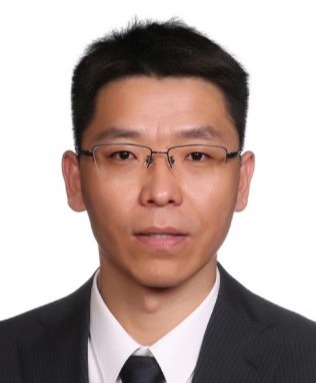
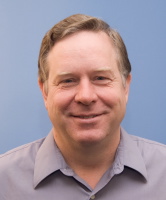
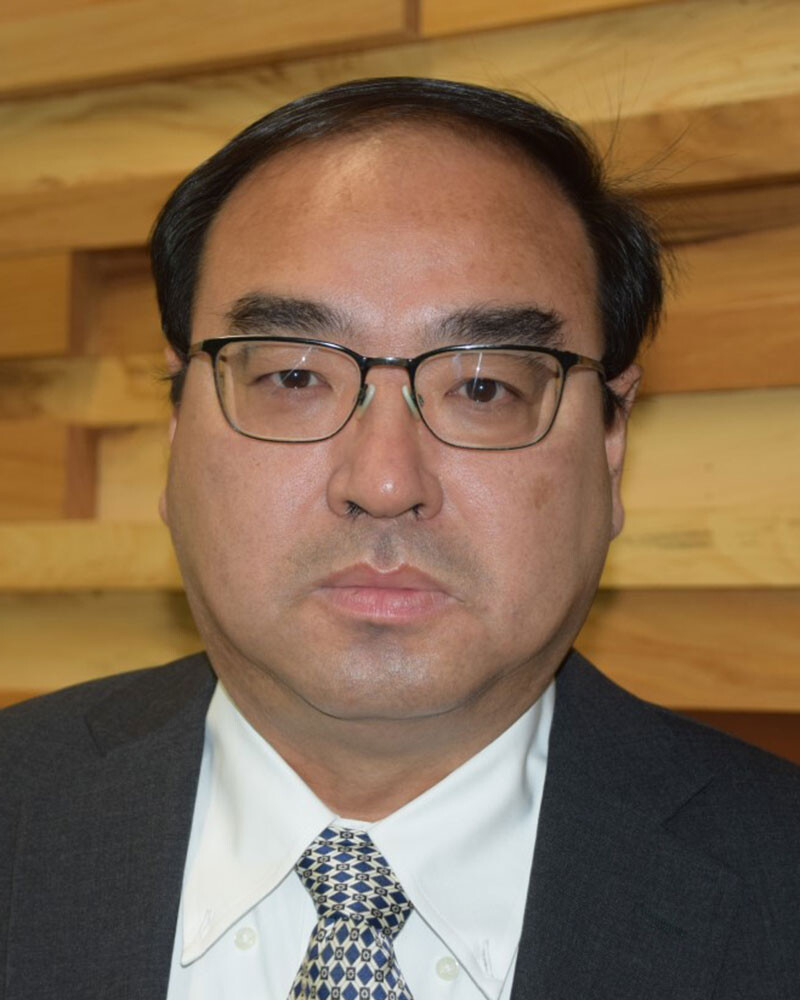
Mahmoud Karimi is a Senior Lecturer at the School of Mechanical and Mechatronic Engineering , University of Technology Sydney (UTS), leading the Vibroacoustics Research Group within the Centre for Audio, Acoustics and Vibration. He holds a PhD in Mechanical Engineering from UNSW with specialization in vibration and acoustics, and has conducted visiting research at University of Cambridge, Technical University of Munich, and INSA Lyon. His research focuses on computational hydroacoustics, vibroacoustics, and uncertainty quantification in noise/vibration problems. Academic Leadership : Editor-in-Chief of Acoustics Australia since 2025 Research Income : Attracted $6M in competitive grants ($2M as Chief Investigator) since 2017 Technical Expertise : Specializes in acoustic black hole structures, flow-induced vibration modeling, and leak detection in buried pipelines Scientific Awards : Recipient of ARC DECRA Fellowship (DE190101412) 2019-2022 Research Trends : His 91+ publications demonstrate expertise in hybrid acoustic modeling techniques, sustainable hempcrete development, and vibration energy harvesting solutions with applications in mining, rail systems, and water infrastructure. International Collaborations: University of Cambridge (UK), Technical University of Munich (Germany), INSA Lyon (France) Teaching Portfolio: Advanced numerical methods, dynamics & control, and computational modeling at UTS
Thomas Laudal is an Associate Professor at the University of Stavanger, affiliated with the UiS School of Business and Law, Department of Innovation, Management and Marketing. His academic work bridges business strategy, sustainability, and innovation, with a strong focus on institutional and societal implications of emerging technologies and business models. His research interests center on sustainable business strategies, corporate social responsibility (CSR), institutional perspectives on innovation, public goods economics, circular economy, and digital transformation in healthcare. He explores how organizations can align profitability with social and environmental responsibility, particularly in regulated sectors such as healthcare and public procurement. Laudal's recent publications reflect a consistent interdisciplinary focus on sustainability, innovation, and responsible business practices. His work spans circular value chains, responsible innovation in healthcare, economies of scale in digital service models (XaaS), and stakeholder dynamics in sustainable construction. These contributions highlight a trajectory toward integrating technological change with ethical and systemic considerations. No scientific awards are listed in the provided text. Laudal has supervised or collaborated with numerous researchers and has contributed to major research projects on digital health, circular economy, and CSR. He teaches courses in organizational theory and sustainable business practices at both undergraduate and graduate levels. His work includes formative contributions to understanding patient-initiated innovation, hairy goals in change management, and the role of public goods in economic systems. He has also been active in public engagement, presenting on AI in healthcare and future care models such as 'Carebnb' platforms. He is associated with research initiatives including the 'Releasing the power of the user' project and has contributed to workshops and seminars on digital health, circular economy, and responsible innovation. His collaborations span multiple institutions and disciplines, particularly in sustainability and healthcare innovation.
Thor Inge Fossen is a Professor of Navigation and Marine Craft Control at the Department of Engineering Cybernetics, Faculty of Information Technology and Electrical Engineering at the Norwegian University of Science and Technology (NTNU). He is a key scientist at the Norwegian Centre for Embodied AI (NCEI) and internationally recognized for his work in navigation systems, guidance systems, and control of marine vessels, aircraft, and drones. Professor Fossen holds a PhD in Engineering Cybernetics and an MSc in Marine Technology. His academic journey has led him to become a Fellow of AAIA, IEEE, and IFAC, reflecting his significant contributions to the field. His research spans several critical areas in marine and aerospace systems: Marine craft hydrodynamics and motion control Navigation, guidance, and control systems for marine craft, aircraft, and drones Cybersecurity of autonomous vehicles Sea-state estimation and wave analysis Attitude control and estimation Fossen's marine craft model, which is widely used in the industry Professor Fossen's publication record demonstrates a strong focus on adaptive control systems, particularly Line-of-Sight (LOS) guidance laws, with numerous papers on 3D path following for marine and aerial vehicles. His recent work (2023-2025) shows increasing integration of machine learning techniques with traditional control systems, particularly in areas like constrained control allocation using deep neural networks. There's also a growing emphasis on cybersecurity aspects of autonomous vehicle guidance systems. His scientific recognition includes: Fellow of the American Institute of Aeronautics and Astronautics (AAIA) Fellow of the Institute of Electrical and Electronics Engineers (IEEE) Fellow of the International Federation of Automatic Control (IFAC) Professor Fossen has been actively involved in advising graduate students, with numerous PhD and MSc graduates. He has led significant research projects including the Marine Systems Simulator (MSS) and the Python Vehicle Simulator, which are widely used tools in the field. His current appointments include being a Study Program Coordinator for the Master's program in Cybernetics and Robotics at NTNU and a Key Scientist at the Norwegian Centre for Embodied AI. He leads research teams focused on embodied AI applications for marine systems, with particular emphasis on safe and secure autonomous operations in complex maritime environments. His work bridges theoretical control systems with practical marine applications, making significant contributions to both academic research and industry implementation.
Eilif Pedersen is a Professor and Program Leader for Marine Technology at the Norwegian University of Science and Technology (NTNU). He leads the Department of Marine Technology under the Faculty of Engineering. His research focuses on mathematical modeling, simulation of machinery systems, and energy-efficient solutions in marine and offshore contexts. He is actively involved in projects such as SEACo, SFI Smart Maritime, and ViProMa, emphasizing virtual prototyping and hybrid power systems. Key research areas include bond graph methodology, thermodynamic system modeling, and dynamic analysis of marine systems. Pedersen supervises numerous PhD and industrial projects, including studies on hybrid propulsion, wind turbine dynamics, and fuel cell integration. He has contributed to over 50 publications, with recent work addressing co-simulation techniques, energy conservation in marine systems, and emission reduction strategies. His expertise spans marine engines, fluid dynamics, and renewable energy applications. Collaborations with industry partners like Rolls-Royce and Kongsberg Digital highlight his commitment to bridging academic research with practical maritime challenges.
Akarsh Prabhakara is an Assistant Professor in the Department of Computer Sciences at the University of Wisconsin–Madison, with an additional affiliation in the Department of Electrical and Computer Engineering. He earned his Ph.D. from Carnegie Mellon University in 2024, where he worked under Professors Anthony Rowe and Swarun Kumar. Ph.D., Electrical and Computer Engineering, Carnegie Mellon University, 2024 B.Tech, Electronics and Communication Engineering, National Institute of Technology Karnataka, 2018 His research focuses on building high-fidelity wireless systems for perception and communication, particularly in cyber-physical and robotic applications. He explores machine learning-driven RF systems, novel communication paradigms, wireless-robotics integration, and embedded wireless sensing. His work aims to enable robust perception in challenging environments such as smoke or fog using millimeter wave radar and deep learning. His recent publications in CVPR, ICRA, MobiCom, and ICCV demonstrate a strong trend in using neural methods for radar simulation, super-resolution, and wireless intelligence. Key themes include implicit neural rendering for radar, end-to-end learning for perception, and high-resolution point cloud generation from low-cost sensors. His scientific contributions have been recognized through publications in top-tier venues, though specific awards are not mentioned in the provided text. He is actively involved in mentoring and recruiting students for research in wireless and robotics. He teaches courses such as Intro to Computer Networks and Big Ideas in Wireless: Perception and Communication . He leads research projects like RadarHD, which enables lidar-like perception from mmWave radar, and is developing tools and datasets for community use. His lab emphasizes practical, real-world applications of wireless systems in robotics and autonomous systems.
Taehyung Kim is an Associate Professor at the University of Michigan-Dearborn in the Department of Electrical and Computer Engineering , College of Engineering and Computer Science. His research focuses on power electronics , motor drives , and electric/hybrid power systems for vehicles and aircraft , with an emphasis on renewable energy integration and fault-tolerant control . Education Ph.D., Electrical & Computer Engineering, Texas A&M University M.S., Electrical Engineering, Korea University B.S., Electrical Engineering, Korea University His research interests include energy conversion systems, power electronics for electric vehicles, evaluation and diagnosis of AC motors, and position sensorless control of permanent magnet motors. He leads the KIM Laboratory , which explores unmanned aerial vehicles (UAVs) , battery systems , and powertrain reliability . The 15 most recent articles (2024-2021) highlight his work on hybrid UAVs , fault detection algorithms , cost-effective converters , and powertrain optimization . These publications span power electronics , renewable energy integration , and electric propulsion systems , with applications in transportation electrification and industrial power systems . Scientific Awards NSF Mid Career Advancement Award, 2023 IEEE-IAS Prize Paper Award (2nd Place), 2012 Best Paper Award, IEEE Transportation Electrification Conference, 2021 Listed in "World Top 2% Scientists" (Stanford University, 2020-2024) Listed in Marquis Who’s Who in America Technical Program Co-Chair, 2009 IEEE Vehicle Power and Propulsion Conference Prof. Kim has advised numerous PhD and Master’s students , including Feng Zhou , Sreekanthreddy Chalapala , and Sahithya Parvathareddy . He has secured significant grants from the NSF , Department of Energy , and industry partners like Ford, focusing on smart monitoring , fault identification , and energy management for electrified systems. His lab’s facilities include advanced power electronics labs and hybrid powertrain testing environments .
Sharad Joshi is a Professor at the Middlebury Institute of International Studies, specializing in terrorism and nuclear security in South and Southeast Asia. He joined the Institute as a postdoctoral fellow at the James Martin Center for Nonproliferation Studies in 2006 and transitioned to full-time faculty in 2011. He also served as a research associate and interim director of the Monterey Terrorism Research and Education Program. Ph.D. in International Affairs, University of Pittsburgh M.A. in Politics, Jawaharlal Nehru University B.A. (Honors) in Economics, University of Rajasthan His research focuses on terrorism, nuclear weapons, and WMD proliferation, with emphasis on South Asian nuclear rivalry, CBRN terrorism, and transnational extremist networks. His courses include Global Politics , Great Power Competition , and specialized seminars on terrorism and nuclear issues. Recent publications analyze U.S.-India relations, China-Pakistan nuclear deals, and WMD security challenges. He leads the International Strategic Crisis Negotiation Exercise (ISCNE) , simulating Central Asian geopolitical crises involving China, India, Russia, and regional states.
Michael A. Lieberman is a Professor in the Graduate School at the Department of Electrical Engineering and Computer Sciences, University of California, Berkeley. He joined UC Berkeley in 1966 and has received numerous accolades, including the Distinguished Teaching Award (1971) and Guggenheim Fellowship (1972-1973). His research focuses on low-temperature plasma physics and chemistry, particularly plasma-assisted materials processing, capacitive/inductive discharges, and nonlinear plasma dynamics. Education: Ph.D., Electrical Engineering, Massachusetts Institute of Technology (1966) B.S./M.S., Electrical Engineering, Massachusetts Institute of Technology (1962) Research Interests: Prof. Lieberman's work bridges fundamental plasma theory and industrial applications. Key areas include: Modeling of electromagnetic effects in capacitive discharges Hybrid analytical/numerical simulations of plasma processes Nonlinear wave phenomena in RF plasmas Plasma-material interactions for semiconductor fabrication Development of global models for atmospheric-pressure discharges Current projects (2018-2019) involve 2D fluid-analytical simulations, high-pressure discharge modeling, and particle-in-cell methods. Publications Focus: Recent articles emphasize computational plasma physics, including PIC simulations of transport phenomena, sheath dynamics in electronegative plasmas, and resonance effects in RF heating. His work consistently advances predictive modeling for industrial plasma applications. Awards & Honors: AVS Plasma Science Prize (2022) NPSS Marie Curie Award (2020) Will Allis Prize (2006) Von Engel Prize (2005) IEEE Plasma Science Award (1995) Fellowships: APS, AAAS, IEEE, AVS, IPCS, IOP Collaborations & Support: Collaborates extensively with Prof. A.J. Lichtenberg (nonlinear dynamics/plasma textbooks). Research funded by DOE Office of Fusion Energy Sciences and Applied Materials/Display (AKT). Maintains active international partnerships in plasma diagnostics and simulation.
Cao Haishan is an Associate Professor at Tsinghua University, affiliated with the Department of Energy and Power Engineering in the School of Mechanical Engineering. His research focuses on cryogenic cooling systems, high heat flux thermal management, and the physics of amorphous ice formation and phase transitions. He leads a research group supported by the National Natural Science Foundation of China and industry partners including Huawei, Midea, and Lenovo. Ph.D., Mechanical Engineering, University of Twente, 2013 M.Sc., Chemical Engineering, Dalian Institute of Chemical Physics, Chinese Academy of Sciences, 2009 B.Sc., Chemical Engineering, Zhejiang University, 2006 Dr. Cao's research spans three major areas: cryogenic cooling (including micro cryocoolers and sorption systems), high heat flux electronic cooling (especially with non-condensable gases), and the formation and transformation of amorphous water ice. His work combines theoretical modeling, computational simulation, and experimental validation, often at micro and nano scales. He applies principles from thermodynamics, fluid dynamics, and materials science to solve engineering challenges in refrigeration and thermal control. The recent publications reflect a strong trend toward interdisciplinary research, integrating machine learning for heat transfer prediction, computational screening of MOFs for cryogenic switches, and fundamental studies of ice nucleation on various substrates. The articles span journals in physics, engineering, materials, and applied thermal sciences, indicating broad impact across multiple domains. Notable scientific awards include: Gustav and Ingrid Klipping Award (2016) Cryogenics Best Paper Award (2017) Annual Teaching Excellence Award, Tsinghua University (2023) Excellent Supervisor Award, Tsinghua University (2024) Multiple First Prize Advisor awards in national student contests on energy saving Dr. Cao has been principal investigator on several grants, including projects funded by the National Natural Science Foundation of China on amorphous ice lifetime and micro-cryocooling for semiconductor chips. He has also led industry-university collaborations with Huawei, Midea, and Lenovo. He advises graduate students and leads a research team focused on next-generation cooling technologies. He serves on editorial boards for Journal of Refrigeration , Vacuum and Cryogenics , and Energies , and has chaired sessions at major international conferences such as ICEC-ICMC and ACTS. His research group operates within the Institute of Thermophysics at Tsinghua University, leveraging facilities in the Lee Shau Kee Science and Technology Building. The team collaborates with national laboratories and international institutions, particularly maintaining ties with the University of Twente. Current efforts are directed toward ultra-low vibration cooling, efficient separation of non-condensable gases, and extending the stability of amorphous ice for cryobiological applications.
Alan Mantooth is a Distinguished Professor holding the Twenty-First Century Research Leadership Chair in Engineering within the Department of Electrical Engineering at the University of Arkansas, Fayetteville. He serves as Director of the National Center for Reliable Electric Power Transmission (NCREPT), Executive Director for GRAPES (NSF I/UCRC) and SEEDS (DoE Center), and Deputy Director of the NSF Engineering Research Center for Power Optimization of Electro-Thermal Systems (POETS). His educational background includes: B.S. in Electrical Engineering, University of Arkansas M.S. in Electrical Engineering, University of Arkansas Ph.D. in Electrical Engineering, Georgia Institute of Technology Dr. Mantooth's research centers on analog/mixed-signal IC design, power electronics CAD, and semiconductor device modeling with emphasis on harsh-environment applications. His pioneering work in silicon carbide (SiC) and gallium nitride (GaN) power systems has enabled high-temperature operation for electric vehicles and renewable energy infrastructure, significantly advancing reliability in extreme conditions. His 2025 publications reveal strong trends toward AI-driven power electronics (e.g., SolarFormer++ for PV profiling), wide-bandgap device modeling (β-Ga2O3, SiC), and innovative packaging solutions. Key themes include reliability engineering for extreme environments, multi-physics optimization, and explainable AI for safety-critical power systems. Major scientific recognition includes: IEEE Fellow (2009) for power electronic device modeling Three R&D 100 Awards (2009, 2014, 2016) for SiC power modules IEEE Power Electronics Society Technical Achievement Award (2019) Multiple university teaching/research awards including SEC Faculty Achievement Award (2015) As an exceptional mentor (UA Outstanding Mentor 2006-2008), he co-founded Lynguent and Ozark Integrated Circuits. His centers NCREPT, GRAPES, and SEEDS have secured major funding from NSF, DoE, and industry partners, supporting over 350 refereed publications and numerous patents. Current research focuses on AI-enhanced power electronics, recyclable packaging, and next-generation wide-bandgap device characterization. He leads the NCREPT test facility and multi-institutional teams developing grid-connected power electronic systems, secure energy delivery architectures, and thermal management solutions for high-power-density applications, with direct impact on electric transportation and renewable energy integration.
Dr. Alraune Zech is an Assistant Professor at the Department of Earth Science, Utrecht University , and a Guest Scientist at the Department of Computational Hydrosystems, Helmholtz Centre for Environmental Research - UFZ . Her work focuses on Hydrogeology and Groundwater Modeling , particularly in quantifying Aquifer Heterogeneity and Transport Theory . Education: Diploma in Mathematics, University of Leipzig (2009) PhD in Environmental System Science, Friedrich-Schiller-University Jena (2013) Research Interests: Alraune investigates transport experiments , field-scale dispersion , and statistical aquifer parameter estimation from pumping tests. Her projects include groundwater simulations in the Thuringian Basin and revisiting transport theories with modern tools. Publications highlight her contributions to macrodispersivity estimation , geostatistical toolboxes , and heterogeneous aquifer modeling . Recent works in Groundwater and Advances in Water Resources emphasize practical applications and theoretical advancements. Collaborations include projects with the UFZ, Utrecht University, and international institutions. She has contributed to interdisciplinary efforts in groundwater-surface water coupling and contaminant transport analysis .
Manuel Penschuck is a Research Fellow at the Institute of Computer Science , Goethe University Frankfurt, Germany. His research focuses on algorithm engineering, graph theory, and scalable network generation, with emphasis on parallel computing, I/O-efficient algorithms, and random graph models. He actively contributes to conferences like ESA, SEA, and IPDPS, and has co-authored publications in top venues including LIPIcs , IEEE Transactions , and SIAM . His work includes engineering algorithms for non-linear preferential attachment , parallel shuffling , and hyperbolic graph generation . He has co-organized program committees for ESA, EuroPar, and SEA, and his collaborations span institutions such as MPI-INF, TU Darmstadt, and Australian National University. Recent publications highlight advances in uniform graph sampling, geometric network models, and distributed systems. His research integrates theoretical rigor with practical implementation, addressing challenges in big data and high-performance computing. He is a key contributor to the Networkit toolkit for large-scale network analysis.
David P. Helmbold is a Professor in the Computer Science Department at the University of California, Santa Cruz. He received his PhD in Computer Science from Stanford University in 1987, where he specialized in parallel algorithms and debugging of parallel programs. He has been a faculty member at UC Santa Cruz for over 25 years. Research Focus Helmbold's research centers on theoretical machine learning and computational learning theory. His primary interests include: Boosting methods and ensemble learning Online learning algorithms and regret minimization Theoretical foundations of semi-supervised learning Applications in computer vision, game AI, and power optimization Analysis of irrelevant variables in learning systems Publication Trends Helmbold's recent work (2009-2012) focuses on advancing theoretical machine learning, particularly in semi-supervised learning, Monte Carlo methods for game AI, and feature relevance analysis. His publications demonstrate a consistent bridge between theoretical frameworks and practical applications, spanning computer vision, geospatial analysis, and algorithmic game theory. Professional Recognition Helmbold is a long-standing member of the computational learning theory community, having hosted the COLT conference and served on its steering committee. No specific awards are mentioned in the source material.
Labros Bisdounis is a Professor at the Department of Electrical and Computer Engineering, University of the Peloponnese, Greece. He previously held positions at the Technological Educational Institute of Western Greece, including Associate Professor, Full Professor, and Dean of the School of Technological Applications (2016–2018). He has extensive industry experience as a senior research engineer and project manager at Intracom S.A. (2000–2008), focusing on VLSI circuits and telecom applications. His research interests include CMOS circuit timing/power modeling, low-power/high-speed design, MOSFET modeling, and sensor applications. He has authored over 30 papers with 740+ citations and is an IEEE member. Education: Diploma in Electrical Engineering (1992), University of Patras Ph.D. in Electrical Engineering (1999), University of Patras Research Interests: CMOS circuit timing and power dissipation modeling Deep-submicron/nano-CMOS circuit design MOSFET device modeling Low-power embedded systems and SoC Sensor applications and organic electronics Leadership Roles: Dean of the School of Engineering, University of the Peloponnese (2023–present) Director of Training & Lifelong Learning Centre (2019–2019) Board Member, Hellenic NARIC (2016–2019) Collaborations: Active at the Hellenic Open University as a tutor in Computer Architecture and Digital Systems modules. Co-developed the AETHER framework for pervasive computing and contributed to energy-aware SoC designs for 5 GHz WLANs.
Professor Deyu Li is a faculty member in the Department of Mechanical Engineering at Vanderbilt University's School of Engineering. His research focuses on advancing energy and biomedical technologies through the study of micro/nano-scale thermal and fluid phenomena, nanofabrication techniques, and computational simulations using molecular dynamics and Monte Carlo methods. He leads the Micro/Nanofluidics Lab (MNTFL), which develops novel devices for energy conversion and medical applications. Education background includes: Ph.D., Mechanical Engineering, University of California M.E., Thermal Science, Tsinghua University B.E., Engineering Thermophysics, University of Science & Technology of China His research interests span several key areas, with a strong emphasis on nanoscale thermal and fluid transport, nanomaterials engineering, and the development of advanced microfluidic platforms. He explores these topics through experimental and computational approaches, including molecular dynamics simulations and nanofabrication. Specific areas of focus include: Micro/Nano energy systems and their applications in sustainable technologies Optimization of thermoelectric materials via phonon engineering Design of lab-on-a-chip devices for biomedical research Electrochemical flow capacitors and their performance in energy storage Characterization of nanowire and nanotube thermal properties Development of biocompatible microfluidic platforms Recent publications (2021–2025) highlight innovations in nanoscale thermal and fluid transport, including breakthroughs in phonon-mediated heat conduction, advanced thermoelectric materials, and biomedical applications of microfluidics. His work addresses challenges in energy efficiency, material interface optimization, and scalable fabrication of nanodevices. No scientific awards are explicitly mentioned in the provided text. Professor Li's advising and grants narrative remains unspecified, as no formal advisees or grants are listed. His research activities are centered on the Micro/Nanoscale Thermal-Fluids Lab (MNTFL), which bridges fundamental physics with practical applications in renewable energy and healthcare.