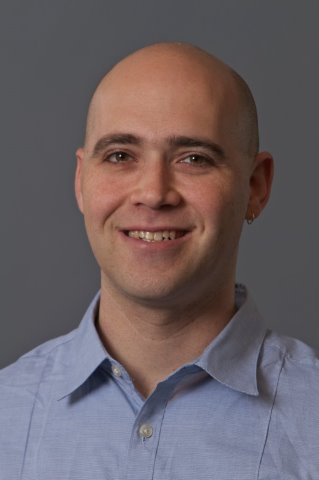
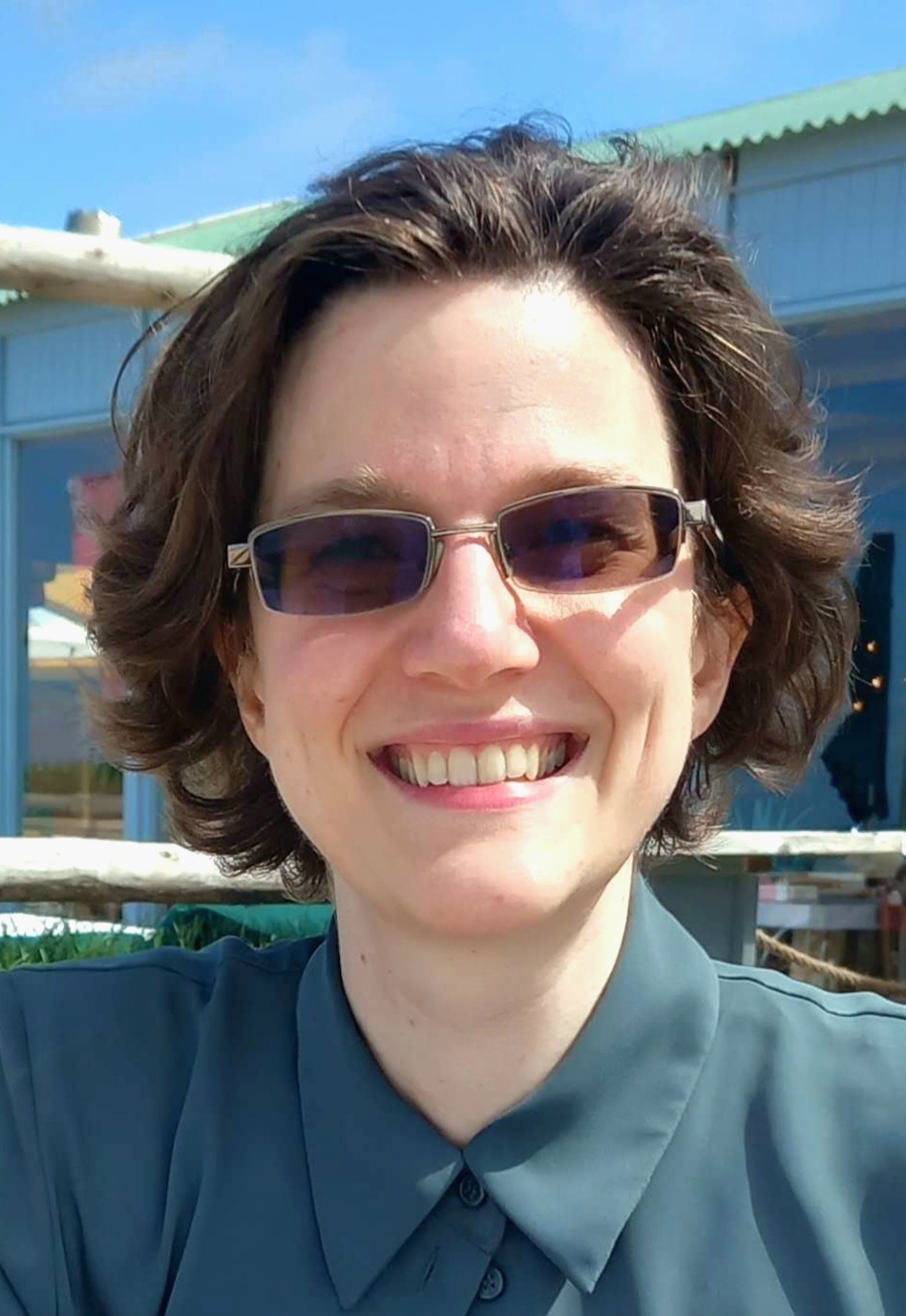
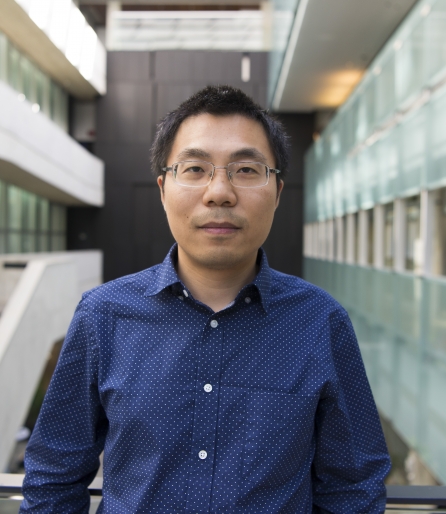
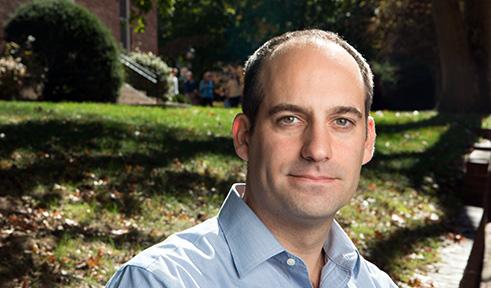
Alessandro Giuliano Treves is a full-time Professor at the Institute of Psychosocial Health , University of Agder. His research focuses on computational neuroscience, hippocampal function, and neural network modeling, particularly in spatial memory, grid cells, and cognitive dynamics. Key contributions include theories on attractor networks, latching dynamics, and hippocampal remapping. Recent work explores variability in quasi-attractor systems and prefrontal schemata in thought composition. His publications span high-impact journals like Nature , Science , and PNAS , often collaborating with neuroscientists such as May-Britt and Edvard Moser.
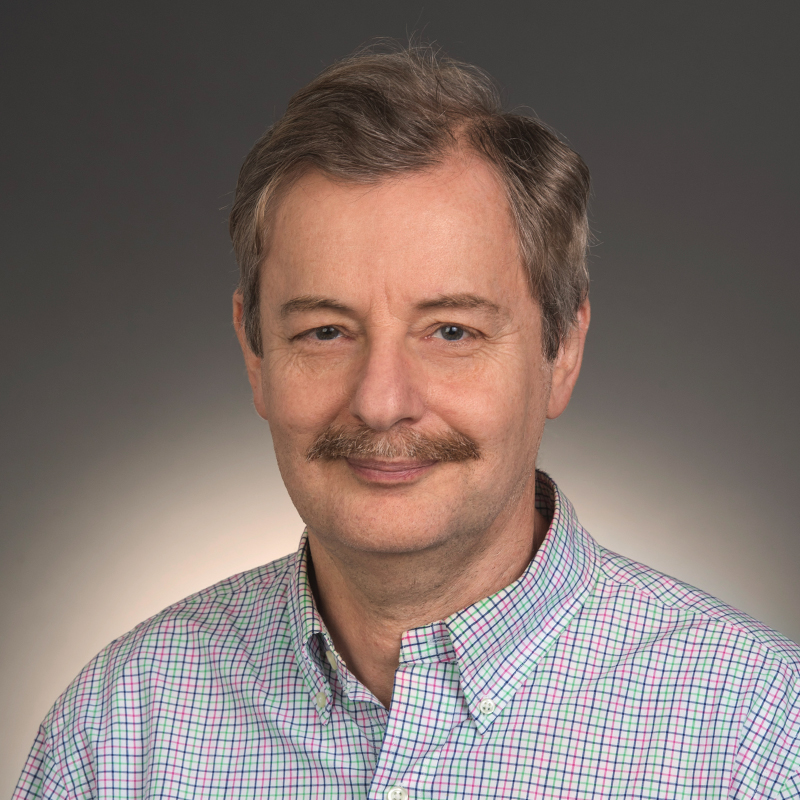
Professor Tony Roberts is the Head of School in the School of Mathematical Sciences at Queensland University of Technology (QUT). He holds a PhD from the Australian National University and is a Fellow of the Australian Mathematics Society. His research focuses on the interplay between material microstructure and macroscopic properties, with emphasis on topology optimization, random structure modeling (e.g., Gaussian fields, percolation models), and material property analysis such as conductivity, diffusion, and fluid flow. He develops computational methods for analyzing experimental techniques like 3D statistical reconstruction and small-angle scattering. His recent work includes optimizing piezoelectric materials for robotics, studying diffusion dynamics in fractal networks, and modeling material failure mechanisms. Key contributions span multi-functional piezoelectric components, anisotropic elastic properties of additively manufactured alloys, and fracture mechanics in perforated materials. Awards include his fellowship in the Australian Mathematics Society. Supervision interests include structural optimization, diffusion in random media, and porous material failure modeling. Education: PhD (Australian National University) Affiliations: Faculty of Science, School of Mathematical Sciences Research Themes: Material science, computational modeling, fracture mechanics, stochastic systems
Eyal Lubetzky is a Professor of Mathematics at the Courant Institute of Mathematical Sciences, New York University. His research focuses on probability theory and combinatorics, with notable contributions to the study of Ising models, cutoff phenomena, and random graphs. He holds a Ph.D. in Mathematics from Tel-Aviv University (2007) and a B.Sc. in Mathematics and Computer Science from the same institution (2002). Education: Ph.D., Mathematics, Tel-Aviv University, Israel, 2007 B.Sc., Mathematics and Computer Science, Tel-Aviv University, Israel, 2002 His research interests span probability theory, combinatorics, and statistical mechanics, with a focus on phase transitions, stochastic processes, and the analysis of complex systems. Notable works include groundbreaking studies on the cutoff phenomenon in Ising models and the mixing times of Markov chains. He has authored numerous influential papers, including studies on the dynamics of SOS surfaces, critical wetting phenomena, and the mixing properties of spin systems. His work has been recognized in volumes like What's Happening in the Mathematical Sciences . Lubetzky serves as an Associate Editor for journals such as Probability and Mathematical Physics , Probability Theory and Related Fields , and Annals of Applied Probability . He has organized workshops on topics like Markov chain mixing times and probabilistic combinatorics.
Associate Professor Betty Chan is an Emergency Physician, Clinical Toxicologist, and clinical researcher at the University of New South Wales. She serves as Head of the Discipline of Critical Care at UNSW and Head of the Clinical Toxicology Unit at the Prince of Wales Hospital. Additionally, she works as a VMO toxicologist at the New South Wales Poisons Information Centre and serves on the editorial board of Clinical Toxicology and the SES LHD Human Research and Ethics Committee. Dr. Chan completed her Emergency Medicine training in 1990 and earned her PhD in toxicology from the University of Sydney in 1997. Her academic credentials include MBBS, FACEM, PhD, and MDiv. Her primary research interests focus on translational research in Clinical Toxicology, Harm Reduction, Antidotes, Medical Education, and the application of Artificial Intelligence in medical education. Specific areas of investigation include digoxin overdose management, dihydropyridine toxicity, methotrexate intoxication and antidotes, safe opioid use and prescription practices, development of clinical decision rules for non-traumatic CT head imaging, herbicide toxicity (including paraquat, bromoxynil, and MCPA), acute behavioral disturbance treatment, sodium channel blocker toxicity, lithium poisoning, cognitive assessment following overdose and shift work, tapentadol prescription trends and poisoning, and adherence to clinical guidelines for specific poisonings. Analysis of Dr. Chan's recent publications reveals a strong focus on clinical toxicology with particular emphasis on drug overdose management, antidote efficacy, and patient safety. Her work spans multiple areas including cardiovascular toxicology (digoxin, calcium channel blockers), hepatotoxicity (acetaminophen), neurotoxicology (anticholinergics, antipsychotics), and harm reduction strategies (naloxone distribution). Many of her studies are part of the Australian Toxicology Monitoring (ATOM) research program, demonstrating her commitment to evidence-based toxicology practice. 2016 John Gilroy Potts Award at the ACEM conference for the paper 'The Safety and Effectiveness of Droperidol for Sedation of Acute Behavioural Disturbance in the Emergency Department' 2019 Best Scientific presentation at the 39th Congress of the European Association of Poisons Centres and Clinical Toxicologists (EAPCCT) on 'Using EXTRIP criteria as indications for Extracorporeal Treatment in Lithium Poisoning.' As Head of the Discipline of Critical Care at UNSW, Dr. Chan leads the curriculum and teaching for medical students in Emergency Medicine, Anesthesia, and Intensive Care. She also oversees the teaching curriculum and supervision of toxicology registrars and fellows as head of the Clinical Toxicology Unit. Her research supervision includes ILP Honours projects focused on the Poisons Information Centre clinical Toxicology referral Study (PICTS) and adherence to clinical guidelines for specific poisonings. She has been principal investigator for numerous clinical research projects in toxicology, including the multi-center Australian Toxicology Monitoring (ATOM) Study initiated in 2013 and the Translational Australian Clinical Toxicology (TACT) program funded by NHMRC grants. Dr. Chan's work has significantly impacted clinical practice, particularly in demonstrating that patients with digoxin poisoning can be managed safely with small, titrated doses of digoxin antibody, and establishing guidelines for folinic acid use in methotrexate poisoning. Her research on cognitive impairment following sedative overdose has informed recommendations about post-overdose activity restrictions.
Dr. Erika Tsingos serves as an Assistant Professor in the Department of Theoretical Biology and Bioinformatics at Utrecht University's Faculty of Science. She leads the Computational Animal Development Group focusing on computational approaches to developmental biology questions. Her research spans animal developmental biology with emphasis on Computer modeling of cell fate decisions Pattern formation in tissues Cell migration mechanics Thymus development and leukemogenesis C. elegans developmental precision She employs diverse modeling approaches including ordinary differential equations and multiscale cell-based models using cellular Potts or center-based formalisms. Analysis of her 15 most recent publications reveals strong focus on computational modeling of developmental processes, particularly examining extracellular matrix effects on cell migration, thymic niche architecture in leukemia development, and precise cell fate specification in C. elegans. Her work consistently bridges computational modeling with experimental validation through collaborations. Scientific recognition includes: NWO grant VI.Veni.222.323 for research on extracellular matrix effects on cell migration Dr. Tsingos actively mentors the next generation of computational biologists through supervision of postdoctoral researchers and students. Current team members include Benjamin Planterose Jiménez (post-doc modeling C. elegans development), Saber Shakibi (post-doc developing hybrid migration models), and Nikki Landzaat (Master's student studying mesoderm cell state transitions). Former students include Bidayatul Masulah (Master's in Applied Mathematics) and Heleen van Osch (bachelor researcher). Her research group operates within Utrecht University's Department of Theoretical Biology and Bioinformatics, collaborating extensively with the Ten Tusscher group and experimental labs. Current projects investigate how extracellular matrix affects cell migration phenotypes in cancer and the molecular control mechanisms behind C. elegans' precise cell division patterns.
David Asher Levin is an Associate Professor in the Department of Mathematics at the University of Oregon. He has been with the university since September 2005, progressing from Assistant Professor to his current position as Associate Professor. His academic home is within the mathematics department, where he conducts research and teaches courses in probability theory and stochastic processes. Levin received his Ph.D. in Statistics from the University of California, Berkeley in 1999, following an M.A. in Statistics from the same institution in 1995. He earned his undergraduate degree, a B.S. in Mathematics with General Honors, from the University of Chicago in 1993. His research focuses on probability theory and stochastic processes, particularly Markov chains and mixing times. Levin has made significant contributions to understanding the rate of convergence of Markov chains to their stationary distributions. His work bridges theoretical mathematics with applications in statistical physics, theoretical computer science, and combinatorics. He has developed and refined important techniques for estimating convergence times, including coupling methods, strong stationary times, and spectral analysis. Levin's publication record is highlighted by his influential textbook "Markov Chains and Mixing Times," first published in 2008 and updated in a second edition in 2017, co-authored with Yuval Peres and Elizabeth Wilmer. This work has become a standard reference in the field. His research spans theoretical foundations as well as practical applications in areas including card shuffling, the Ising model from statistical physics, and random walks on networks. Among his honors, Levin received the Dora Garabaldi Fellowship from the University of California in 1994, and was elected to Phi Beta Kappa and Sigma Xi in 1993. He has organized significant academic events, including an AMS Short Course on Markov Chains and Mixing Times in January 2010. Levin maintains active research collaborations and has connections to interdisciplinary work through the Microbial Ecology and Theory of Animals Center for Systems Biology at the University of Oregon. His work continues to influence both theoretical developments and practical applications of Markov chain theory across multiple scientific disciplines.
Yin-Chen He is a Research Faculty member at Stony Brook University, set to join in 2025. His research focuses on condensed matter theory, particularly quantum spin liquids, quantum criticality, and conformal field theory. He has held postdoctoral positions at Harvard University (2016–2018) and the Max Planck Institute for the Physics of Complex Systems (2014–2016). Notable awards include the 2024 Frontiers of Science Award. His work employs innovative methods like fuzzy sphere regularization to study 3D Ising criticality and topological phases. He advises students and postdocs interested in quantum matter, with openings available at Stony Brook. Research interests include strongly correlated systems, numerical simulations, and topological order. His recent publications emphasize solving conformal defects, exploring SO(5) deconfined transitions, and applying Floquet engineering in cold atoms. Seminars span topics like fuzzy sphere regularization and bootstrap methods, reflecting his interdisciplinary approach to quantum critical phenomena. Awards: 2024 Frontiers of Science Award Advising: Openings for PhD students and postdocs at Stony Brook Labs/Teams: Engaged in collaborative projects on quantum criticality and topological materials
Dr. V. Menkovski serves as an Associate Professor in Data Mining at Eindhoven University of Technology's Department of Mathematics and Computer Science. He also holds associate professor positions with EAISI Health and EAISI High Tech Systems, and is an ICMS Affiliated member. His work spans multiple domains of artificial intelligence and computational physics, with significant contributions to fusion energy research. Mathematics and Computer Science, Data Mining (Primary Appointment) EAISI Health (Associate Professor) EAISI High Tech Systems (Associate Professor) ICMS (Affiliated Member) Menkovski's research focuses on Graph Neural Networks, Machine Learning, Deep Learning, and their applications in diverse fields from plasma physics to metamaterials. His work demonstrates strong interdisciplinary connections, particularly between computer science and fusion energy research. He has developed novel approaches for crowd simulation, tokamak plasma monitoring, and metamaterials homogenization using advanced neural architectures. His fingerprint reveals expertise in Quality-of-Experience, Autoencoders, Neural Networks, Annotation, Graph Neural Networks, Video Streaming, Adversarial Machine Learning, and Anomaly Detection. Analysis of his recent publications (2023-2025) shows a clear trend toward applying Graph Neural Networks to complex physical systems, particularly in fusion energy research and materials science. His work increasingly integrates symmetry principles with neural architectures, as seen in his research on equivariant networks for metamaterials and symmetry-informed networks for zeolite analysis. There's also significant focus on practical applications in fake news detection, anomaly detection, and plasma state monitoring. Best Paper Award ICPM 2021 (with Sommers and Fahland) Best Paper Award of LoG 2022 (with multiple co-authors including Huang, Chen, Fang, Zhao, Yin, Pei, Mocanu, Wang, Pechenizkiy, and Liu) Menkovski teaches several advanced courses including Deep Learning, Advanced Topics in Artificial Intelligence, and Sociophysics 2, which runs through August 2025. His supervised work portfolio includes 79 projects, indicating substantial mentorship activity. He has received significant media attention for his research, including coverage by 11 news outlets, blog posts, and mentions on social media platforms. His work on 'Supervised Learning of Process Discovery Techniques Using Graph Neural Networks' was particularly noted in media coverage. His research involves collaboration with multiple institutions and teams, particularly in fusion energy research (Eurofusion Tokamak Exploitation Team, ASDEX-Upgrade team, EUROfusion MST1 Team). He works closely with researchers across disciplines, including physicists working on tokamak plasma and materials scientists studying metamaterials and zeolites.
Stefan Adams was an Associate Professor in the Department of Mathematics at the University of Warwick, affiliated with the Faculty of Science. He specialized in probability theory, statistical mechanics, and large deviation theory, with a focus on gradient models, interacting particle systems, and non-convex potentials. His research also involved applications to mathematical physics and stochastic processes. Adams held a First Grant (100% funding) for 2011-2012 to support his research. He organized several workshops, including the 2008 'Gradient Models and Elasticity' conference at Warwick and the 2009 'Conference in honour of Hans-Otto Georgii' at Ludwig-Maximilians Universität München. He collaborated extensively with researchers such as Roman Kotecký, Christoph Müller, and Wolfgang König, contributing to foundational work in probabilistic methods and their applications. His teaching included advanced courses on large deviation theory, high-dimensional probability, and mathematical statistical mechanics. Lecture notes from his courses at LMU Munich (2009) and Warwick are widely referenced in academic contexts. Adams tragically passed away on 8th May 2024, leaving a legacy of impactful contributions to probability theory and mathematical physics.
Joseph Gingerich is an Associate Professor in the Department of Sociology and Anthropology at Ohio University’s College of Arts and Sciences. He is also a Research Associate at the Smithsonian Institution’s National Museum of Natural History and a National Geographic Explorer-Grantee. His research spans North America and East Africa, focusing on early human adaptations during the Late Pleistocene and Early Holocene. His educational background includes a Ph.D. from the University of Wyoming and a B.A. from Temple University. His research expertise lies in hunter-gatherer societies, stone tool technology, spatial analysis, and human-environmental interactions, particularly in the context of the colonization of the Americas. Ph.D., University of Wyoming B.A., Temple University Gingerich’s research interests center on the behavioral and technological adaptations of early human populations. He employs GIS, 3D morphometrics, and lithic refitting to analyze artifact distributions and reconstruct past mobility and social patterns. His work investigates how climatic and environmental changes influenced human settlement and subsistence strategies during the Paleoindian period. The trends in his recent publications reflect a strong focus on the Eastern Fluted Point Tradition, Clovis archaeology, and the use of advanced analytical techniques such as 3D modeling and spatial statistics. His work spans zooarchaeology, geoarchaeology, and technological analysis, emphasizing interdisciplinary approaches to understanding early human behavior in North America and Africa. His research has been supported by major funding bodies including the National Science Foundation, National Geographic Society, and the Virginia Department of Historic Resources. He collaborates with prominent researchers such as Rick Potts from the Smithsonian’s Human Origins Program, particularly on the Olorgesailie project in Kenya. National Science Foundation National Geographic Society Smithsonian Institution Virginia Department of Historic Resources Gingerich teaches courses such as World Archaeology, North American Prehistory, GIS for Anthropologists, and the Ohio Archaeological Field School. He has mentored students through field and laboratory research, though specific advisees are not listed. His editorial work includes major volumes on the Eastern Fluted Point Tradition, highlighting his leadership in the field. He is actively involved in research teams at the Olorgesailie Basin in Kenya and conducts fieldwork in the Roanoke River Valley and Southeastern Ohio. These projects integrate geoarchaeological, lithic, and spatial analyses to explore early human innovation and adaptation.
Agoston Pisztora is an Associate Professor in the Department of Mathematical Sciences at Carnegie Mellon University, part of the Mellon College of Science. His research focuses on probabilistic analysis of random fields, disordered systems, and phase transitions, aiming to explain macroscopic phenomena through microscopic system analysis. He holds a Ph.D. from ETH Zürich and completed postdoctoral work at the Courant Institute, NYU. His research explores how random systems exhibit deterministic or stochastic behavior at macroscopic scales. Key areas include phase separation mechanisms in Ising models, percolation theory, and large deviation principles in disordered environments. His work bridges probability theory with statistical physics, addressing fundamental questions about self-averaging and critical phenomena. Notable publications include studies on Wulff crystals in Ising systems and surface-order large deviations. Though no awards or grants are explicitly listed, his contributions to phase transition theory and percolation are well-documented. No advising or lab affiliations are specified in the provided information.
Robijn Vanhove is a Research Fellow and Visiting Associate in the Department of Physics at the California Institute of Technology (Caltech), supported by the FWO Postdoctoral Scholar Fellowship. His research focuses on theoretical physics, particularly in topological phases of matter, conformal field theories, and quantum information science. He explores connections between topological systems and critical lattice models using advanced tools like tensor networks and quantum circuit analysis. His work bridges abstract mathematical frameworks (e.g., Galois conjugated tensor categories) with computational methods (matrix product states) to study phase transitions, critical phenomena, and quantum symmetries. Notable research includes investigations into Haagerup conformal field theories, Potts models, and symmetry-protected topological phases. He is affiliated with Caltech’s Division of Physics, Mathematics and Astronomy, and potentially collaborates with research centers like the Institute for Quantum Information and Matter (IQIM). Research Highlights: Develops novel mappings between topological phases and critical systems using tensor networks. Applies quantum circuit models to analyze gapped phase transitions. Explores nonunitary conformal field theories through lattice realizations and Cardy states. Awards: FWO Postdoctoral Scholar Fellowship (Belgian Research Foundation). Collaborations: Likely involves interdisciplinary projects with IQIM and other theoretical physics groups at Caltech, focusing on quantum computing applications and topological materials.
João Carlos Lopes de Carvalho is a Full Professor at the Faculty of Science and Technology of the University of Coimbra, Portugal, where he has held academic positions since 1987. He was promoted to Associate Professor in 2003 and attained Full Professor status in 2022. His research spans computational biology, biophysical modeling of cancer, and experimental particle physics, with extensive participation in international collaborations including CERN (CPLEAR, ATLAS) and DESY (HERA-B). PhD in Experimental Particle Physics, University of Liverpool (1994) Aggregate Title (Habilitation), University of Coimbra (2003) Bachelor’s Degree in Physics, University of Coimbra (1987) His research focuses on the computational modeling of biological systems, particularly the bioelectric mechanisms underlying cancer initiation and progression. He develops discrete models such as cellular automata and cellular Potts models to simulate tissue dynamics in 2D and 3D, with applications in bladder and prostate cancer. Earlier in his career, he contributed to particle detector development, data acquisition, and physics analysis in high-energy experiments. The recent trends in his publication record show a strong emphasis on multiscale modeling of tumor growth, angiogenesis, and the role of bioelectricity in carcinogenesis. His work integrates computational simulations with biological insights, targeting early cancer detection and therapeutic strategies. Articles are published in high-impact journals such as Scientific Reports , PLOS Computational Biology , and Bulletin of Mathematical Biology . Supervised or co-supervised 4 PhD theses and 19 master’s dissertations Participated in over 50 research projects, coordinating 9 Principal investigator on grants including FCT projects PTDC/EMD-TLM/7289/2020 and PTDC/BIA-CEL/31743/2017 Involved in major collaborations: CERN (ATLAS, CPLEAR), DESY (HERA-B), SNO+ João Carlos Lopes de Carvalho has been a key figure in advancing computational approaches in oncology and biophysics. His work bridges physics, engineering, and life sciences, contributing to both fundamental understanding and potential clinical applications in cancer research.
Nagarajan Kandasamy is a Professor and Interim Department Head in the Department of Electrical and Computer Engineering at Drexel University. His research focuses on computer engineering, with expertise in neuromorphic computing, embedded systems, fault-tolerant architectures, and distributed systems. Prior to Drexel, he worked as a research scientist at Vanderbilt University's Institute for Software Integrated Systems. PhD, University of Michigan (2003) MS, University of Connecticut BE, Guindy Engineering College, Anna University, Chennai, India His research interests include neuromorphic computing, spiking neural networks, and reliable system design. He has contributed to fields like deformable image registration, self-testing hardware, and wireless security frameworks. Kandasamy's publications emphasize neuromorphic architectures, medical imaging algorithms, and secure communication protocols. His work often intersects hardware-software co-design and machine learning applications. National Science Foundation Early Faculty (CAREER) Award (2007) Best Paper Award, IEEE International Conference on Autonomic Computing (2006) He collaborates across disciplines in neuromorphic engineering, with grants from NSF and industry partners. His team develops tools for radiation oncology, low-power AI systems, and FPGA-based security protocols.
Stefano Marmi is a Full Professor of Mathematical Physics at the Faculty of Sciences, Scuola Normale Superiore in Pisa, Italy. He joined the institution as a full professor of Dynamical Systems on November 1, 2003, after serving as an associate professor at the University of Udine and a researcher at the University of Florence. His academic journey began with Physics studies at the University of Bologna, where he graduated in June 1986 and later earned his PhD in Theoretical Physics (specializing in Mathematical Methods for Physics) in 1990. Professor Marmi's research primarily focuses on Dynamical Systems , with particular emphasis on quasiperiodic motions, KAM theory, and geometric renormalization in holomorphic and Hamiltonian dynamical systems. His work also extends to analytic number theory (including Lambert series and continued fractions), elliptic curves, and applications of mathematics to life sciences and medicine. His publication record demonstrates consistent contributions to the field since the early 1990s, with recent work concentrating on interval exchange maps, small divisor problems, and complex dynamics. His research trends show a consistent thread connecting dynamical systems theory with number theory, particularly through the study of continued fractions and their dynamical properties. The most recent publications (2010-2012) reveal an increasing focus on quantitative aspects of dynamical systems, including entropy calculations and numerical analysis of alpha-continued fractions. His work maintains strong connections with mathematical physics applications. ISAAC Prize winner in 1999 Invited speaker at Bourbaki Seminar (exposé 854, November 14, 1998) Professor Marmi has maintained significant international collaborations throughout his career, particularly with Jean-Christophe Yoccoz at the Collège de France in Paris, Pierre Moussa at SPhT, CEA in Saclay, France, and Carlo Carminati at the University of Pisa. His teaching portfolio includes courses on Dynamical Systems, Statistical Mechanics, Rational Mechanics, and specialized PhD courses on Holomorphic Dynamical Systems, Hamiltonian Systems, Small Divisors, and Analytic Number Theory. He has also developed courses connecting dynamical systems theory with financial time series analysis.