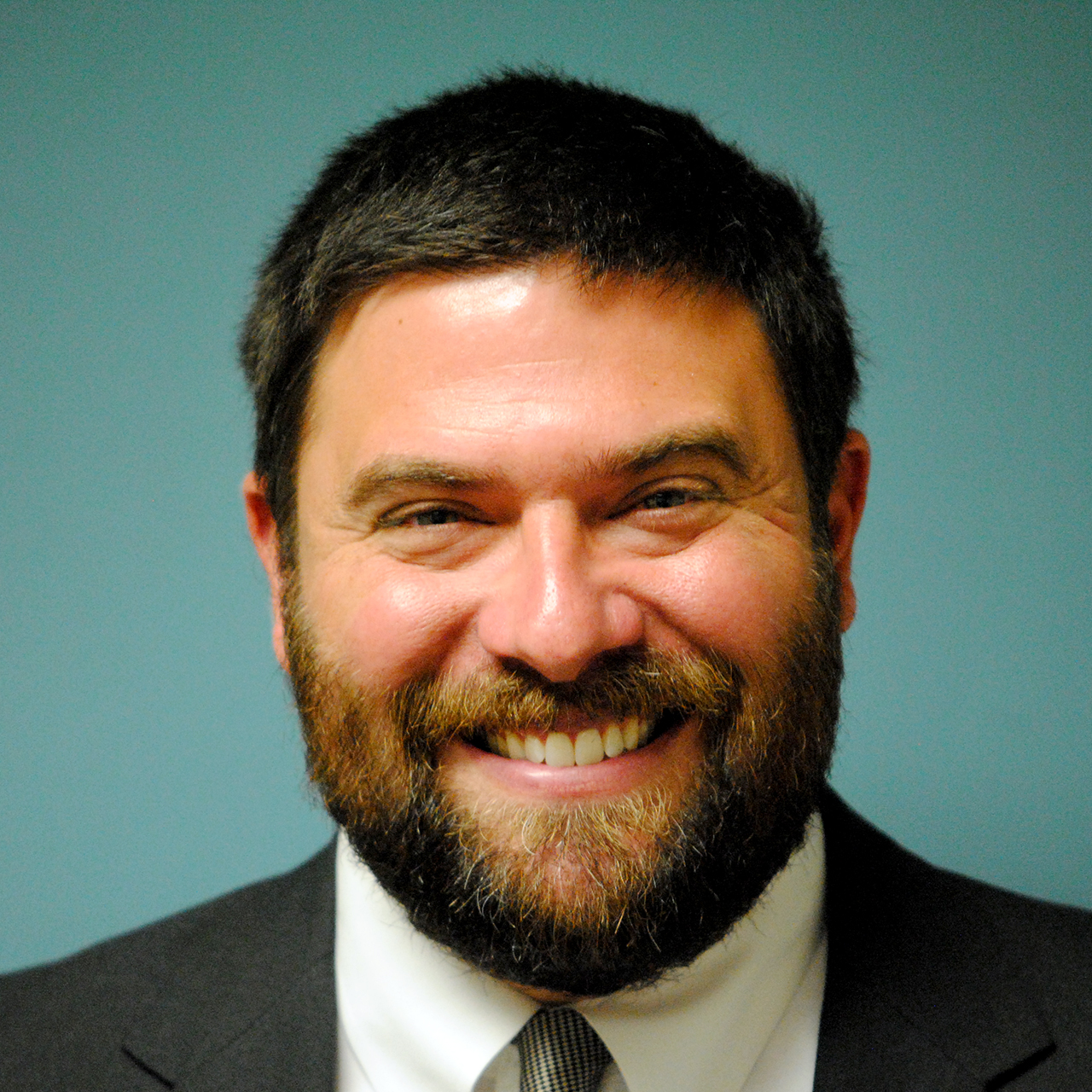
Stefaan Callens is a full professor at the Faculty of Medicine , KU Leuven, affiliated with the Interfaculty Centre for Biomedical Ethics and Law and Department of Public Health and Primary Care . His work spans health law, biomedical ethics, and healthcare organization. Research Focus: Patient rights, GDPR compliance, medical devices regulation, and healthcare policy. Teaching: Courses on healthcare organization, health law, and professional management. Recent publications address contract termination in hospitals, AI in medical decision-making, European health data governance, and post-mortem tissue donation ethics. He is a member of the Leuven One Health Institute , POC Bioethics , and POC Management and Policy of Healthcare .
Nikolas Johnston is a Visiting Professor at the University of Technology Sydney (UTS), affiliated with the School of Life Sciences within the Faculty of Science. His primary research focuses on entomology, particularly the taxonomy, phylogenetics, and forensic applications of Diptera (flies). He has contributed extensively to studies of blowflies, carrion-breeding insects, and their roles in ecological and forensic contexts. Key research interests include: Systematics and molecular phylogenetics of fly families like Calliphoridae and Sarcophagidae Forensic entomology, including post-mortem interval estimation and case analysis Ecological impacts of urban greening and biodiversity conservation Genomic tools for species delimitation and evolutionary studies Recent work highlights: A synthesis of carrion-breeding flies in Australasia, providing taxonomic resources for forensic and ecological applications Genomic and morphological studies revealing blowfly diversity and phylogenetic relationships A retrospective analysis of forensic entomology casework in eastern Australia He has secured funding through grants such as the Australian Biological Resources Study Project (2022–2023) for blowfly systematics research. His collaborative projects often bridge taxonomy, ecology, and molecular biology to address gaps in understanding insect biodiversity and forensic applications.
Dr. Scott Miners is a Senior Lecturer in Neuroscience at the University of Bristol's Bristol Medical School (Academic Unit of Clinical Pharmacology/Thrombosis & Haemostasis Section). His research focuses on neurovascular dysfunction in Alzheimer’s disease and vascular dementia, particularly investigating the renin-angiotensin system, blood-brain barrier integrity, and pericyte biology. He holds a B.Sc. and Ph.D. from Wales and has published extensively on mechanisms linking cerebrovascular pathology to neurodegeneration. Research interests include angiotensin-converting enzyme regulation, biomarker development for early-stage dementia, and the impact of hypertension on brain health. He collaborates with institutions like the Multi-omics Atlas Project and leads the Clearance of Interstitial Fluid (CLIC) group within the Vascular Professional Interest Area (PIA). Recent work explores ACE-2 modulation as a therapeutic strategy, SARS-CoV-2's effects on cerebral microvasculature, and racial disparities in Alzheimer's biomarkers. His studies utilize post-mortem biochemical analyses, transgenic mouse models, and longitudinal cohort data from racially diverse populations.
Adithya Lakshmi Narayanan is an Assistant Professor of Teaching at the Institute for Artificial Intelligence and Data Science, part of the School of Engineering and Applied Sciences at the University at Buffalo. His expertise spans data science, network theory, and social sciences with a focus on applying computational methods to real-world challenges. He holds a PhD (2024 expected) and dual advanced degrees from University at Buffalo in Computational and Data-Enabled Sciences, Industrial Engineering, and a BS in Computer Science (2018). His research integrates epidemic modeling on networks, blockchain applications in humanitarian operations, and data-driven storytelling. Notable projects include developing an NLP-powered news aggregator and analyzing social media discourse dynamics. He actively mentors students in network theory and data journalism initiatives, aiming to launch a student-run data-driven publication in 2025. Previously, he contributed sports content for LaLiga, NBA Basketball School, and Roland-Garros. His Medium publications explore technical topics like tweet-reply mining and philosophical approaches to decision modeling, alongside reflections on creativity and personal growth.
Alan E. Wilson is a Professor and Assistant Director at the School of Fisheries, Aquaculture & Aquatic Sciences, Auburn University. His research focuses on aquatic ecosystems, particularly harmful algal blooms (HABs), water quality management, and sustainable aquaculture practices. He investigates the ecological and chemical drivers of cyanobacterial dominance, toxin production, and mitigation strategies in freshwater systems. His work integrates field experiments, molecular tools, and remote sensing technologies to address environmental challenges in aquaculture ponds, natural lakes, and reservoirs. Key research themes include the effects of nutrient inputs (e.g., phosphorus, copper), biological control methods (e.g., zooplankton grazing), and novel diagnostic tools for rapid HAB detection. Wilson collaborates with stakeholders to translate scientific findings into practical solutions for water resource management, including strategies to reduce eutrophication and safeguard aquatic food webs. His publications span over 40 peer-reviewed articles, emphasizing meta-analyses and interdisciplinary approaches. Notable contributions include studies on cyanobacterial toxicity, lake eutrophication trends, and the efficacy of chemical treatments in aquaculture systems. Wilson’s outreach efforts engage communities in understanding algal bloom risks and promoting sustainable agricultural practices.
Professor Kate Reed is a Professor of Sociology at the University of Manchester, a Fellow of the Academy of Social Sciences, and former Director of the Sheffield Methods Institute. Her academic career spans over two decades with a focus on the sociology of health and illness, death and dying, reproductive health, gender, and qualitative research methods. She leads interdisciplinary projects addressing bereavement support and healthcare practices, particularly in neonatal/post-mortem contexts. Education: Holds a BA, MA, and PhD in Sociology. Her research has driven policy changes in healthcare and bereavement services, notably through the ESRC-funded project ‘End of or Start of Life?’, which examined minimally invasive post-mortems for bereaved parents. This work earned the ESRC Outstanding Societal Impact Prize (2019) and resulted in the award-winning book Understanding Baby Loss (2023). Teaching: Specializes in social theory, health sociology, research methods, and genetics. She emphasizes practical skills for employability and interdisciplinary collaboration, contributing significantly to PhD training programs. Collaborations: Works with Hospice UK, NHS, DWP, and National Bereavement Service to translate research into tangible support systems. Her work bridges academia and practice, focusing on marginalized voices in healthcare and grief. Awards: In addition to the ESRC prize, her book won the BSA Foundation for Sociology of Health and Illness Book Prize (2024). Her research on grief in workplaces and emotional labor in qualitative studies further underscores her impact on both theory and practice.
Sarah Stanley is an Honorary Clinical Tutor at Lancaster University's Lancaster Medical School within the Faculty of Health and Medicine. Her work focuses on advancing palliative care through innovative research initiatives and fostering collaboration between healthcare staff and researchers. Research interests include hospice environment optimization, digital legacy management in end-of-life care, and leveraging technology to improve medical practices. She has contributed to interdisciplinary projects bridging healthcare, design, and technology sectors. Recent publications emphasize creating ward-based research hubs in hospices and exploring digital information management post-death. No scientific awards are explicitly listed in the provided information. Contact: s.stanley@lancaster.ac.uk
Changxi Li is the AAFC Professor and AAFC Chair in Bovine Genomics at the University of Alberta's Faculty of Agricultural, Life and Environmental Sciences , Department of Agricultural, Food & Nutritional Science. His work focuses on leveraging genomic tools to enhance beef cattle productivity through quantitative genetics and functional genomics research. He teaches AN SC 485 - Animal Genetics and Breeding in Winter Term 2026, emphasizing practical applications of genetic principles in livestock improvement. Dr. Li holds a PhD from the University of Alberta . His research integrates molecular biology, computational genomics, and industry collaboration to address challenges in beef cattle breeding, including feed efficiency optimization, meat quality traits, and the genetic mechanisms underlying economically important traits. Recent studies emphasize the role of host genetics in rumen microbiota composition and heritable microbial features linked to feed efficiency, as well as the development of genomic prediction models for multi-breed populations. His publications reveal a strong focus on feed efficiency and genomic selection , with recurring themes of identifying quantitative trait loci (QTL) for growth, fat deposition, and carcass traits. He also investigates the impacts of prenatal nutrition and maternal genetics on offspring development, while exploring strategies to reduce the carbon footprint of beef production through genomic tools. Collaborators include Agriculture and Agri-Food Canada (AAFC) and industry partners, ensuring practical applications of his findings. While no formal awards are listed, his leadership in the Kinsella Breeding Project and contributions to genomic pipeline development (e.g., eQTL-Detect) highlight his influential role in advancing beef cattle genomics. His advising and grants section reflects sustained funding from AAFC and collaborative projects in genomic profiling of maternal traits and heterosis effects, with initiatives targeting improved livestock management.
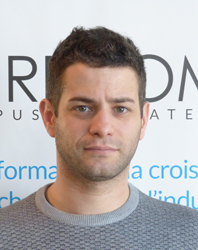
Simone Aonzo is an Assistant Professor at Eurecom, a graduate school and research center located in Sophia Antipolis, France. He is a member of the Software and System Security (S3) Group, where he conducts research in mobile and system security, with a focus on malware analysis for Android and Windows platforms. His work also extends to phishing, AI in security, and human factors in security processes. Institution: Eurecom School: School of Computer and Communication Sciences Department: Software and System Security (S3) Group Academic Rank: Assistant Professor Simone Aonzo's research interests lie at the intersection of cybersecurity and real-world system vulnerabilities. He investigates malware behavior, reverse engineering techniques, and security protocols such as Digital Asset Links. His work combines technical depth with practical implications for improving ecosystem security. He actively contributes to the academic community through peer review and program committee service for top conferences including USENIX Security and RAID. The recent publications highlight a strong trend in system-level security research, focusing on debugging techniques for Android malware, core dump analysis, privilege management in Unix systems, and security protocol adoption. These works reflect a deep engagement with low-level system mechanisms and their exploitation by adversaries, particularly in mobile and embedded environments. Scientific awards and recognitions include: Amateur European Champion in K-1 Kickboxing Professional Italian Champion in K-1 Kickboxing Simone advises and mentors students in cybersecurity research, actively recruiting PhD candidates to join the S3 group. He teaches two courses: “Introduction to Cybersecurity” and “Reverse Engineering Malware,” with all course materials openly shared. While no specific grants are mentioned, his startup venture ThreatNemesis indicates entrepreneurial engagement in cybersecurity innovation, particularly in Android sandboxing technology. He leads research activities within the S3 group at Eurecom, fostering a collaborative environment for tackling emerging threats in software and system security. His lab focuses on practical, hands-on analysis of real-world malware and security flaws, promoting both academic and applied outcomes.
Allan McDevitt is a Lecturer at Atlantic Technological University in the Natural Resources and Environment department. His research focuses on Environmental DNA (eDNA) Metabarcoding , Molecular Ecology , and Wildlife Genetics , with applications in Biodiversity Monitoring and Conservation Biology . Current affiliation: Atlantic Technological University (2022–present) Previous affiliation: University of Salford (School of Environment & Life Studies) Research themes include: Developing and validating eDNA methods for aquatic and terrestrial biodiversity assessment Tracking invasive species dynamics using genetic tools Combining metabarcoding with traditional surveys for conservation Investigating host-microbiome interactions in endangered mammals Monitoring wildlife trade through molecular barcoding Recent publications analyze: Applications of eDNA in estuarine, coral reef, and forest ecosystems Shark and ray trade in Southeast Asia Microbiome studies of critically endangered primates Comparative effectiveness of wildlife survey methods Allan collaborates with researchers across Europe and Brazil on projects related to neotropical mammals , marine conservation , and invasive species management . His work frequently appears in journals like Mammal Review , Environmental DNA , and iScience .
Dr Maria Elisavet Balta is a Senior Lecturer in HR Management and Organisational Behaviour at Kent Business School, University of Kent. She serves as the Departmental Research and Innovation Lead and holds a PhD in Management Studies from Brunel University London, funded by the Leventis Foundation, along with an MSc in Human Resources and Employment Relations. Her research focuses on digital technologies' role in business model pivoting, human resource management systems, climate change adaptation, and leadership styles in supply chain management. She has secured substantial funding from organizations like ESRC, Innovate UK, and the European Commission for projects on organisational resilience, HRIS implementation, and conservation agriculture. Maria has published in journals such as British Journal of Management, Work Employment and Society, and Technological Forecasting and Social Change. She supervises PhD students in areas like organisational change, entrepreneurship self-efficacy, talent management, and healthcare analytics. Her professional memberships include Senior Fellowship of the Higher Education Academy and Academic Membership of CIPD. Recipient of Graduate and Researcher College Prize for Programme Academic Lead (2023) Nominated for Brilliant Research-Based Education Award (2023) Her recent research projects explore digital transformation, geopolitical disruptions in supply chains, and climate change resilience. She teaches modules on sustainability, research methods, and human resource management at postgraduate and MBA levels.
Müller B is a Professor at the Faculty of Medicine, RWTH Aachen University, specializing in clinical medicine with a multidisciplinary research focus spanning neuroscience, surgical innovation, and digital health applications. Their work bridges clinical practice and research across multiple medical specialties, with particular emphasis on patient safety, neurological disorders, and innovative healthcare delivery systems. Müller B's research interests encompass Clinical Medicine, Neuroscience, Surgical Research, Digital Health, Public Health, and Medical Informatics. Their work demonstrates a strong commitment to translational research, with studies ranging from basic science investigations of cellular mechanisms to large-scale clinical trials and public health interventions. Recent research has focused on neurological disorders, antibiotic stewardship, and the implementation of digital health technologies in clinical settings. Analysis of Müller B's recent publications reveals a strong trend toward interdisciplinary collaboration and translational research. The work spans from fundamental molecular neuroscience (RNA editing, microglia responsome) to practical clinical applications (migraine prevention, telemonitoring systems). A significant portion of the research addresses contemporary healthcare challenges, particularly the integration of digital technologies into medical practice and the optimization of clinical decision-making processes. Müller B has received recognition through numerous collaborative research projects, though specific awards are not detailed in the available publications. Their work appears in high-impact medical and scientific journals across multiple disciplines, indicating broad recognition within the academic community. Müller B actively collaborates with clinical teams, researchers, and healthcare institutions across Germany and Europe, particularly evident in the multi-center studies on surgical practices, neurological disorders, and pandemic response. Their research group appears to integrate clinical practitioners with data scientists and biomedical researchers to address complex healthcare challenges.
Assoc. Prof. Ante Kasap, PhD is an Associate Professor at the Department of Animal Science and Technology, Faculty of Agriculture, University of Zagreb. He specializes in quantitative genetics, genomic selection, and biostatistics for sheep and goat breeding programs. His work focuses on genetic parameter estimation, inbreeding analysis, and conservation of Croatian indigenous livestock breeds. Research Focus: Animal Breeding, Conservation Genetics, Biostatistics, Machine Learning Key Projects: Genomic characterization of Croatian sheep breeds, optimization of breeding programs for dairy sheep Recent Publications Trends: Genomic selection methods, inbreeding metrics, wool production analysis, milk trait modeling Contact: Email: akasap@agr.hr
Dr. Jason W. Custer is a Professor in the Department of Pediatrics at the University of Maryland School of Medicine. He holds multiple administrative roles including Vice Chair of Quality and Safety, Division Head of Pediatric Critical Care Medicine, and Director of the Pediatric Intensive Care Unit at University of Maryland Medical Center. Education: Duke University (BS), University of Maryland School of Medicine (MD Cum Laude), Johns Hopkins (Residency and Fellowship) Dr. Custer’s research focuses on expert and team cognition in complex pediatric ICU patients, PICU outcomes, diagnostic error analysis, and systems-based quality improvement. His recent work has emphasized ventilator performance in pediatric lung injury and standardized handoff communication protocols. Notable scientific awards include Alpha Omega Alpha membership (2002), NIH Loan Repayment (2009), multiple Shaffer Teaching Awards, and recognition in Baltimore Magazine as a Top Doctor (2013–2022). He has received accolades for nurse-physician collaboration and simulation-based training efficacy. Dr. Custer contributes to medical education through The Harriet Lane Handbook and has led initiatives in clinical forecasting and curriculum development. He resides in Ellicott City with his family.
Ernestine S. Elster is a Researcher at the Cotsen Institute of Archaeology, University of California Los Angeles , with a career spanning over four decades. She held previous roles including Visiting Assistant Professor (2012-2017), Cotsen Fellow (2010-2012), and Director of Publications (1979-1993). Education : MA (1971) and PhD (1977) in Archaeology from UCLA, supervised by Marija Gimbutas. Her research focuses on Mediterranean Prehistory , particularly the European Neolithic and Prehistory of Southeast Europe (Greece, Italy, Balkans), with emphasis on prehistoric technology and ritual practices . She has led major publications on sites like Grotta Scaloria and Sitagroi , addressing the discipline's crisis of abandoned excavations. Her publications and symposia integrate bioarchaeology , artifact analysis , and theoretical frameworks , often combining regional case studies with methodological innovation . She pioneered the digitization of archaeological materials through the Cotsen Digital Archaeology series. Scientific Awards : Invited National Speaker, Archaeological Institute of America Grants from NSF, NEH, Ahmanson Foundation, INSTAP, and Cotsen Institute Elster organized international collaborations (England, Italy, Hungary) to synthesize legacy data from Grotta Scaloria excavations (1978-79), and co-edited foundational works like Sitagroi: Excavations in Northeast Greece and Grotta Scaloria: Ritual in Neolithic Southeast Italy .