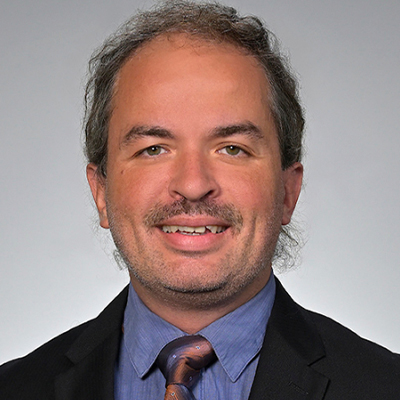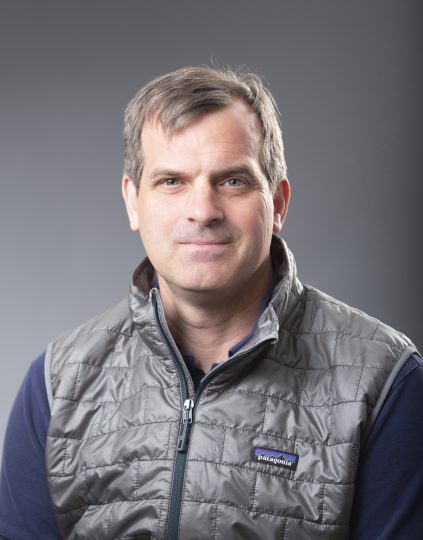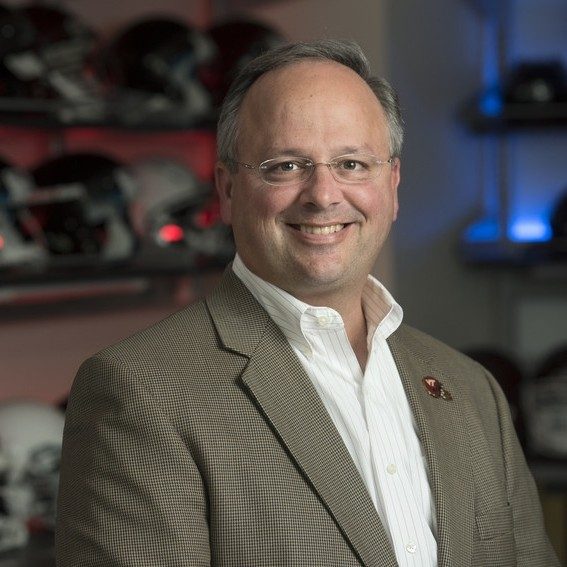
Stefan Duma is the Harry C. Wyatt Professor of Engineering and a University Distinguished Professor at Virginia Tech. He is currently serving as Interim Department Head in the Department of Biomedical Engineering and Mechanics within the College of Engineering. He also directs the Institute for Critical Technology and Applied Sciences and leads the Virginia Tech Helmet Lab. His educational background includes: Ph.D. in Mechanical Engineering from the University of Virginia (2000) M.S. in Industrial Engineering from the University of Cincinnati (1996) B.S. in Mechanical Engineering from the University of Tennessee (1995) Dr. Duma's research focuses on injury and impact biomechanics, with applications in automobile safety design , sports biomechanics (especially football and hockey), and military restraint systems . His work investigates head and neck injury mechanisms, concussion thresholds, and protective equipment performance. He has pioneered methodologies for evaluating helmet safety and individualized injury tolerance. The recent publications reflect a strong focus on head impact biomechanics , concussion prediction , and wearable sensor validation . The research spans youth and collegiate sports, drone impact risks, and automotive safety. Key themes include individual variability in injury response, helmet performance assessment, and translational safety applications. Scientific recognition includes his appointment as a University Distinguished Professor and leadership roles, though specific awards are not listed in the provided text. Dr. Duma advises a team of researchers and students, including Steven Rowson, Abigail Tyson, and Eamon Campolettano. His lab has secured significant research funding (implied by patent and publication volume), particularly in developing safety standards and injury prevention technologies. The Virginia Tech Helmet Lab is central to his research, conducting experiments with human volunteers, PMHS, and advanced instrumentation. His lab, the Virginia Tech Helmet Lab, is a leading center for impact biomechanics research, focusing on real-world safety challenges in sports, transportation, and emerging technologies like drones.