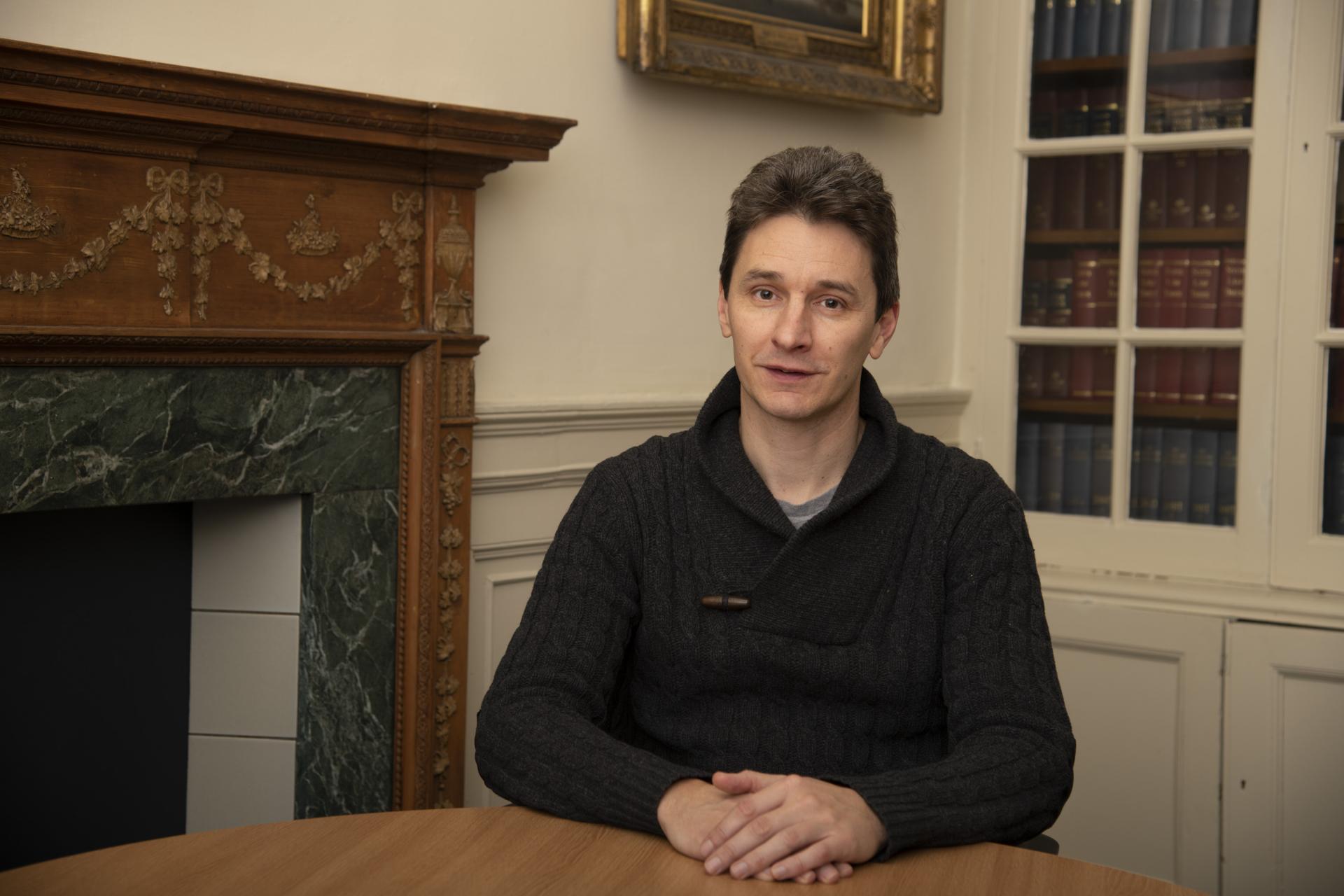
Dr Matthew Struebig is a Reader in Conservation Science at the University of Kent, leading the Leverhulme Trust Tropical Defaunation Hub. He specializes in tropical biodiversity conservation, focusing on human-modified habitats in Southeast Asia, particularly Indonesia and Malaysia. His interdisciplinary research addresses socio-ecological drivers of wildlife decline, conservation policy, and sustainable land-use practices. He has held roles including Leverhulme Trust Research Fellow and now leads a major interdisciplinary initiative studying defaunation impacts. His research integrates ecology with social sciences, examining trade-offs between conservation and human needs. Current projects include assessing deforestation impacts, designing riparian reserves in oil palm landscapes, and evaluating community forest management. He collaborates with institutions like the Durrell Institute of Conservation and Ecology (DICE) and contributes to global conservation efforts through roles like Associate Editor of Journal of Applied Ecology . Recent work highlights include studies on orangutan population dynamics, peatland restoration, and biodiversity monitoring via robotics and DNA technologies. His team addresses pressing issues like nickel mining impacts and coral reef conservation, emphasizing practical solutions for biodiversity and human well-being. Dr Struebig has supervised numerous PhD students and researchers, fostering the next generation of conservation scientists. His grants include major funding from the Leverhulme Trust and UKRI, supporting projects like spatial prioritization in Indonesia and ecosystem restoration licenses. He actively engages with conservation organizations and policy initiatives to bridge science and real-world applications.