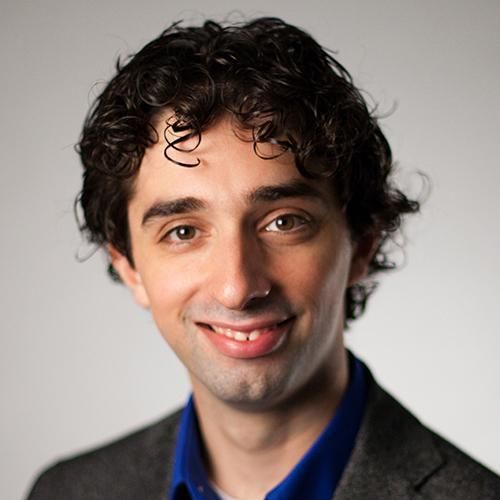
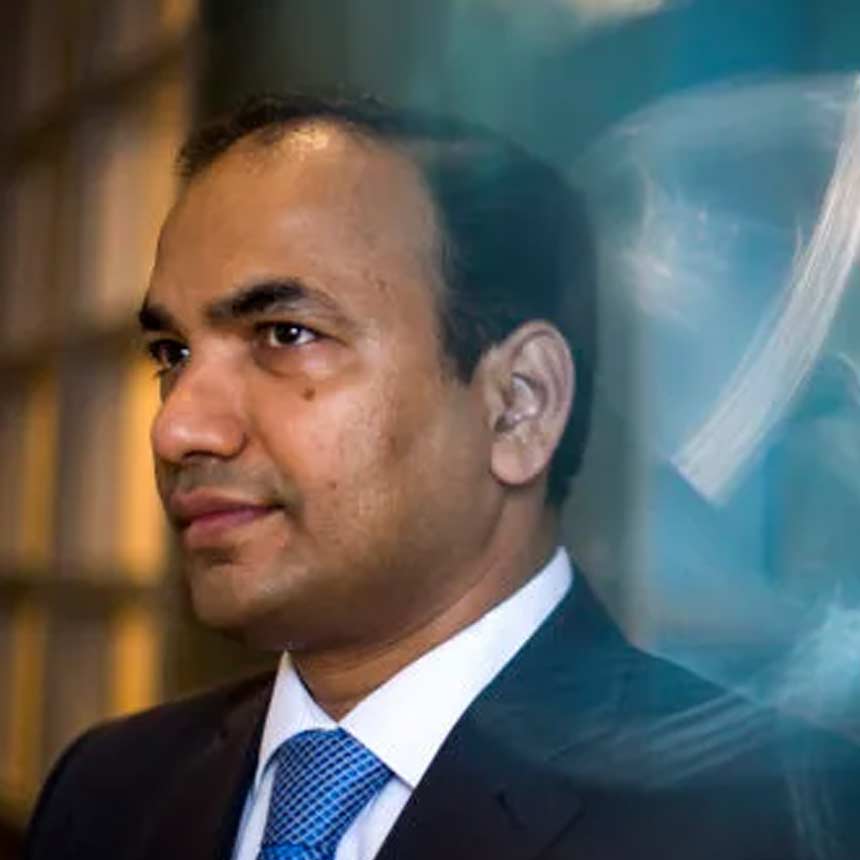
Professor Richelle Mychasiuk, affiliated with the School of Medical Sciences at the University of Sydney, specializes in Sleep Biology and the neurobiological impacts of early life experiences. Her research focuses on how perinatal trauma and adverse childhood events shape neurodevelopment, increasing susceptibility to sleep disturbances, chronic pain, and post-concussive symptomologies in adolescents, with a particular emphasis on sex differences. Education: PhD in Neuroscience Her work explores mechanisms by which early life stressors "under the skin" to alter neuroplasticity and microbiome-gut-brain interactions. She co-founded The GIN hub, integrating Gastroenterology, Immunology, and Neuroscience to study complex chronic disease models. Recent articles highlight her contributions to understanding dietary influences on pain, epigenetic modifications, microbiome depletion effects, and neurovascular interventions in TBI models. Grants: 2025 FMH Start-up Scheme (Faculty of Medicine and Health, University of Sydney) Collaborations: Brain and Mind Centre, University of Sydney; clinical research partnerships for translational studies.
Aline Herlopian, MD, is an Associate Professor of Neurology at Yale School of Medicine, specializing in epilepsy and treatment-resistant seizures. She serves as Medical Director of the Clinical Neurophysiology/EEG Lab and Director of Clinical Trials in Epilepsy. Her clinical focus includes catastrophic epilepsies and innovative treatments like brain stimulation, laser therapy, and surgical resection. Clinical Epilepsy Fellowship, Massachusetts General Hospital (2017) Clinical Neurophysiology Fellowship, Massachusetts General Hospital (2016) Neurology Residency, University of Arkansas for Medical Sciences (2015) MD, American University of Beirut (2008) Her research explores neural network dynamics in epilepsy, EEG pattern classification via machine learning, and global health applications in neurological care. She has authored 15+ publications in 2024-2025, including peer-reviewed articles and book chapters on epilepsy subtypes and surgical approaches. Inaugural Global Health Education Innovation Award (2025) Dr. Herlopian leads clinical trials in epilepsy and collaborates extensively with Yale Institute for Global Health. She is a renowned advisor for patient education, emphasizing seizure demystification through analogies, and contributes to Yale Co-Authors networks in neurology research.
Dr. Jennifer Ahjin Kim is an Assistant Professor in the Department of Neurology at Yale School of Medicine. She specializes in neurocritical care, focusing on quantitative analysis of electroencephalography (EEG) and neuroimaging for early diagnosis and treatment optimization in patients with severe neurologic injuries. Her clinical interests include traumatic brain injury, subarachnoid hemorrhage, stroke, and post-traumatic epilepsy. PhD in Neuroscience, Brown University (2012) MD from Brown University (2012) Neurology Residency, Massachusetts General Hospital/Brigham & Women's Hospital (2016) Neurocritical Care Fellowship, Massachusetts General Hospital/Brigham & Women's Hospital (2019) Dr. Kim’s research integrates multimodal data (EEG, MRI, CT) with machine learning to predict secondary complications after brain injuries. She actively contributes to clinical trials like BOOST3 and ASPIRE, aiming to improve outcomes for patients with traumatic brain injury, stroke, and hemorrhage. Her recent work emphasizes automated detection of epileptiform discharges, predictive modeling for delayed cerebral ischemia, and application of NLP to CT reports. Collaborations include frequent partnerships with Guido Falcone, Lawrence Hirsch, and Emily Gilmore. Dr. Kim leads the Kim Laboratory, which focuses on bedside monitoring technologies and secondary prevention strategies.
Dr Mahsheed Ansari serves as a Senior Lecturer in Islam and Contemporary Islamic Studies and Higher Degrees Research Coordinator at the Centre for Islamic Studies and Civilisation at Charles Sturt University. She also holds positions as a Research Fellow at the Centre for Religion and Ethics and Society (CRES) at Charles Sturt University and as a sessional Law lecturer at Western Sydney University. Her academic career spans teaching, research supervision, and community engagement focused on Islamic studies and Australian Muslim communities. Ansari holds a double degree in Law and Arts from Western Sydney University, a Master of Arts in Arabic and Islamic Studies from Sydney University, and a PhD in Historical Studies and Islamic Studies from Monash University. Her educational background provides a strong foundation for her interdisciplinary work bridging legal, historical, and religious studies. Her research explores multiple facets of Islamic intellectual history, theology, philosophy, and ethics, with a particular focus on the historical and cultural presence of Islam and Muslims in Australia. She has developed significant expertise in oral history methodologies to capture Muslim heritage, particularly through her Australian Muslim Heritage Project. Her work often examines the intersection of Islamic thought with contemporary social issues, including prophethood debates, Muslim women's experiences, and interfaith relations in the Australian context. Through her book Modern Debates in Prophecy and Prophethood in Islam: Muhammad Iqbal and Said Nursi (2023), she has contributed to contemporary theological discourse on Islamic prophetic tradition. Analysis of her recent publications reveals consistent thematic development across three main trajectories: historical and theological studies of Islamic thought (particularly regarding prophethood and Islamic modernism), Australian Muslim history and identity formation, and contemporary social issues affecting Muslim communities including gender, trauma, and political representation. Her work demonstrates increasing interdisciplinary engagement, moving from purely theological studies toward sociological, historical, and public policy applications. Ansari has received multiple research grants supporting her work on Australian Muslim history, including funding from Charles Sturt University ($1,700 in 2023, $14,500 in 2019, $15,000 in 2017-2018), the Islamic Foundation for Education & Welfare ($12,000 in 2023, $22,000 in 2017-2019), Cumberland Council ($8,000 in 2019), and the Public & Contextual Theology Research Project Grant ($9,500 in 2019, $25,000 in 2017-2018). As Higher Degrees Research Coordinator at CISAC, she supervises PhD candidates including Carol Mroue researching Islamic spirituality in post-traumatic growth for Australian Muslim women and previously supervised Mukesh Chander's work on citizenship issues. She has also co-supervised research on transnational Islamic movements and online religious education. Her teaching portfolio includes subjects on Islamic spirituality, women in Islam, Muslims in Australia, and Islamic morality across undergraduate and postgraduate levels. Her current research focuses on the Australian Muslim Heritage Project and Muslim Pioneers Project, particularly documenting Dr Ashfaq Ahmad's contributions to institutional development of Islam in Australia. These projects represent significant community-engaged scholarship that bridges academic research with cultural preservation efforts.
Solomon L. Moshe is a Professor at the Albert Einstein College of Medicine and holds academic roles in the Saul R. Korey Department of Neurology, Department of Pediatrics, and Dominick P. Purpura Department of Neuroscience. He serves as the Charles Frost Chair in Neurosurgery and Neurology, Vice Chair of Neurology, and Director of Clinical Neurophysiology and Child Neurology divisions. His clinical focus is on epilepsy in children and adolescents. Education: MD from the University of Athens Medical School (1972), followed by post-doctoral training at the University of Maryland and UCLA. His research explores age/sex-related mechanisms of epilepsy using translational models, with emphasis on infantile spasms and post-traumatic epilepsy prevention. Research interests include subcortical circuits, antiepileptogenesis, and neurodevelopmental consequences of seizures. He leads interdisciplinary grants like the Center Without Walls and chairs international epilepsy societies. Awards: Jacob Javits Award (1995), Saul R. Korey Award (2012), Bernard Sachs Award (2017), ILAE Lifetime Achievement Award (2023). Grants: NIH-funded Center Without Walls, multicenter febrile seizures study. Labs/Teams: EpiBioS4Rx Group (traumatic brain injury studies), ILAE Task Force on Nosology. Publications span over 600 articles and 35 books, focusing on epilepsy mechanisms, classification, and treatment advancements.
Jonathan Viventi is the Hawkins Family Associate Professor of Biomedical Engineering at Duke University, with additional appointments as Assistant Professor in Neurosurgery and Neurobiology, and as a Faculty Network Member of the Duke Institute for Brain Sciences. His research focuses on developing flexible, high-resolution neural interfaces for diagnosing and treating neurological disorders, particularly epilepsy, and advancing brain-machine interfaces. Education: Ph.D. in Engineering from the University of Pennsylvania (2010). Research Interests: Dr. Viventi's work centers on flexible electronics for high-resolution brain interfacing . Key areas include: Micro-electrocorticography (μECoG) arrays with thousands of channels Wireless, fully implantable neural prosthetics for speech restoration Real-time seizure detection and prediction systems Chronic biointegration of soft electronic materials Translational applications in epilepsy, stroke, and Parkinson's disease Scientific Awards: MIT Technology Review Innovators Under 35 (2014) Popular Science Brilliant 10 (2014) Grants & Funding: Dr. Viventi leads multiple NIH-funded projects including: A Wireless µECoG Prosthesis for Speech (2021-2026) Neuro-CROWN: Optimized Ultra-Flexible CMOS Electrode Arrays (2021-2025) Next-Generation Wireless Intracranial Arrays for Post-traumatic Epilepsy (2021-2025) Laboratory & Teams: His lab develops cutting-edge neural interface technologies, collaborating across engineering, neuroscience, and clinical departments at Duke to translate flexible electronics into therapeutic devices.
Dr. Ganesh Thakur is a Full Professor and Chair of the Department of Pharmaceutical Sciences at Northeastern University. He holds a PhD in Organic Chemistry from the Institute of Chemical Technology, Mumbai, and has held roles from Senior Scientist to tenured Professor since 2004. His research focuses on cannabinoid receptor modulation, nicotinic acetylcholine receptors, and AI-driven drug discovery. Education: PhD, Organic Chemistry, Institute of Chemical Technology (ICT), Mumbai, India MS, Chemistry, Indian Institute of Technology (IIT), Mumbai BS, Chemistry, University of Mumbai Research Interests: Dr. Thakur pioneers small molecule therapeutics targeting cannabinoid receptors (CB1/CB2), nicotinic receptors (α4β2, α7, α9), and GIRK channels. His work addresses epilepsy, glaucoma, neurodegeneration, neuropathic pain, and substance use disorders. He has developed novel allosteric modulators with preclinical efficacy in pain, addiction, and neuroprotection. Grants: Active grants include NIH/NIGMS (Targeting α7 nAChR), Canadian Institutes of Health Research (CB1 PAMs for infantile spasms), and NIH/NHLBI (GIRK channel regulation). Awards: Recipient of 2023 Distinguished Mentor Award, Hind Rattan Award, and multiple RISE Awards for student mentorship. Notable honors include the 2018 Best Patent Award (US Patent #9,926,275 B2) and NIDA Early Career Award (2009). Labs/Teams: Leads the Cannabinoid and Nicotinic Receptor Research Group at Northeastern's Center for Drug Discovery, focusing on translational drug development for CNS disorders.
Dr. Gunjan Y. Parikh serves as an Associate Professor in the Department of Neurology at the University of Maryland School of Medicine, where she also functions as the Medical Director of the UMMC Neuro Critical Care Unit. Her clinical practice focuses on the intersection of neurology and critical care medicine, with particular expertise in managing patients with acute neurological emergencies including traumatic brain injury, intracerebral hemorrhage, and subarachnoid hemorrhage. Dr. Parikh completed her undergraduate education with a BA in Biochemistry from The University of Texas at Austin, followed by her MD from Texas A&M College of Medicine. Her clinical training includes an Internal Medicine internship at St. Vincent's Hospital - Manhattan, Neurology residency at Barrow Neurological Institute at Saint Joseph's Hospital and Medical Center (where she also served as Chief Resident), and specialized fellowship training in Neurocritical Care/Vascular Neurology at Columbia University Medical Center/Weill Cornell Medical Center. She further enhanced her research skills through an NINDS Research Fellowship in Neuroimaging at the National Institutes of Health. Her research program centers on identifying biomarkers during the resuscitation phase of patients with acute brain injuries that determine lesion repair, restoration of function, and recovery of consciousness. This work has led to significant contributions in characterizing the MRI signature of primary microvascular injury after head trauma and other acute brain injuries through both in vivo and ex vivo investigations. Her lab integrates multimodality monitoring with advanced neuroimaging techniques to translate findings to clinical care and develop outcome measures for clinical trials targeting currently untreatable aspects of brain injury such as demyelination and neurodegeneration. Analysis of Dr. Parikh's recent publications reveals a strong focus on translational neuroscience with emphasis on neuroimaging techniques, biomarker discovery, and clinical applications for acute brain injury management. Her work spans from basic science investigations of microvascular injury to clinical studies on patient outcomes, with particular attention to traumatic brain injury, intracerebral hemorrhage, and subarachnoid hemorrhage. Recent publications demonstrate increasing integration of data science approaches for predicting neurological deterioration and developing automated clinical assessment tools. Fellow of the Neurocritical Care Society (2024) Member, American Academy of Neurology Member, Neurocritical Care Society Member, National Neurotrauma Society Dr. Parikh serves as Site Co-PI for the DISCOVERY study (Determinants of Incident Stroke Cognitive Outcomes and Vascular Effects on Recovery) under NINDS/NIA U19 NS115388, and as SubK site-PI for the REACH-ICH study (Race/Ethnicity, Hypertension and Prevention of VCID and Stroke after Intracerebral Hemorrhage) under NINDS/NIH 5R01NS093870-08. Her research has been featured in multiple media outlets including MD Edge Psychiatry, News Medical, and SciTech Daily, highlighting her contributions to understanding vascular injury in traumatic brain injury. As Medical Director of the UMMC Neuro Critical Care Unit, Dr. Parikh leads a multidisciplinary team focused on providing high-reliability, quality care with emphasis on patient experience. Her research group actively investigates cerebral hemodynamics, neuroimaging biomarkers, and clinical decision support tools for patients with acute neurological conditions, with particular attention to improving triage and interhospital transfer of neuroscience patients.
James O'Connell McNamara is a Distinguished Professor in Neuroscience at Duke University School of Medicine, holding professorships in Neurobiology, Neurology, and Pharmacology and Cancer Biology. He serves as Director of the Center for Translational Neuroscience and is a Faculty Network Member of the Duke Institute for Brain Sciences. His research focuses on elucidating the cellular and molecular mechanisms underlying epileptogenesis, particularly temporal lobe epilepsy (TLE). McNamara's research interests center on understanding how episodes of status epilepticus lead to the development of temporal lobe epilepsy. His laboratory discovered that excessive activation of the BDNF receptor tyrosine kinase TrkB is required for epileptogenesis, and they developed a peptide (pY816) that uncouples TrkB from phospholipase Cγ1, which can prevent and potentially reverse epilepsy. His work has established a novel strategy targeting receptor tyrosine kinase signaling for epilepsy prevention and treatment. His recent publications demonstrate continued active research in TrkB signaling pathways, seizure detection methods, and therapeutic approaches for epilepsy. His work spans from basic molecular mechanisms to translational applications, with a clear focus on developing disease-modifying treatments for epilepsy rather than just symptom management. Dr. McNamara has received numerous prestigious awards including membership in the National Academy of Medicine (2005), the Freedom to Discover Award from Bristol-Myers Squibb Foundation (2001), and multiple Epilepsy Research Recognition Awards from professional societies. His sustained contributions to epilepsy research have been recognized with two Javits Neuroscience Investigator Awards from the National Institute of Neurological Disease and Stroke. McNamara earned his M.D. from the University of Michigan, Ann Arbor in 1968 and has maintained an active research program for decades, with publications spanning from the 1980s to the present day. His work has significantly advanced our understanding of the molecular mechanisms underlying epilepsy and has opened new therapeutic avenues for preventing and treating this neurological disorder.
Alana Fisher is a Research Fellow and Consumer Engagement Manager at Macquarie University, working with the eCentreClinic and MindSpot digital mental health services. Her research focuses on consumer decision-making in online mental health treatment, integrating qualitative and quantitative methods to design patient-centered resources. She holds a PhD from the University of Sydney (2015–2018) and is an Honorary Associate at the University of Sydney’s Matilda Centre and School of Psychology. Education: PhD in Psychology, University of Sydney (2015–2018) Research Interests: Her work spans shared decision-making, patient decision aids, depression/anxiety treatment, co-occurring substance use, digital interventions, and mixed-methods research. She explores how to enhance evidence-based care aligned with individual needs. Projects: Leading initiatives on loneliness in chronic conditions (2024–2028) Developing perinatal mental health programs (2023–2025) Addressing health literacy barriers in digital mental health (2024–2025) Integrating physical/psychological care for low back pain (2024–2025) Labs/Teams: She collaborates with MQ Health’s MindSpot and Macquarie’s eCentreClinic, advancing scalable mental health solutions.
Karim Jerbi is a Full Professor at the University of Montreal's Department of Psychology, within the Faculty of Arts and Sciences. He holds the Canada Research Chair (CRC) in Systems Neuroscience and Cognitive Neuroimaging (Junior 2) and leads interdisciplinary research programs. His affiliations include the CRM — Centre de recherches mathématiques, CERNEC — Centre de recherche en neuropsychologie et cognition, CRIUGM — Centre de recherche de l'Institut universitaire de gériatrie de Montréal, PhysNum — Laboratoire de physique numérique, BRAMS — Laboratoire international de recherche sur le Cerveau, la Musique et le Son, and CIRCA — Centre interdisciplinaire de recherche sur le cerveau et l'apprentissage. These affiliations emphasize his collaborative and interdisciplinary approach to neuroscience and neuroimaging. His research investigates cognitive functions and dysfunctions using advanced signal processing and machine learning applied to multimodal brain data. Key interests include neural oscillations, brain connectivity, and the interplay between cognitive processes and neuroimaging techniques like MEG and EEG. He explores topics such as sleep dynamics, decision-making, mindfulness meditation effects, and neurodegenerative disorders, bridging computational models with clinical applications. Jerbi's recent work highlights trends in AI-driven neuroimaging tools (e.g., MEEGNet, NeuroPycon), criticality in brain networks, and the impact of consciousness states on neural activity. His grants include leading the UNIQUE initiative (2019–2024) and co-directing projects like 'Partnership for Abundant Intelligences' (2024–2029), funded by organizations like FRQNT and SSHRC. These efforts aim to integrate AI, mathematics, and clinical research for transformative insights into brain function. Scientific Awards: Canada Research Chair (CRC) in Systems Neuroscience and Cognitive Neuroimaging (Junior 2). In advising, he has guided students in topics like AI-based biomarker identification, hypnosis dynamics, and motor intention decoding. His labs and teams, such as the CRM and CERNEC, focus on mathematical foundations of neural systems and neuropsychological cognition, respectively. Collaborations span diverse fields, including gériatrie, music cognition, and computational intelligence, reflecting his commitment to cross-disciplinary innovation.
Prof. Dr. Funda Gümüştaş, İstanbul Okan Üniversitesi Hastanesi Çocuk ve Ergen Psikiyatri Bölümü 'nde görev yapmaktadır. Eski görev yeri Medeniyet Üniversitesi Tıp Fakültesi Çocuk ve Ergen Psikiyatrisi olup, daha önce Kocaeli Üniversitesi Tıp Fakültesi mezunudur. Eğitim: Kadir Has Lisesi (1996-1999) Kocaeli Üniversitesi Tıp Fakültesi (1999-2005) Marmara Üniversitesi Çocuk ve Ergen Psikiyatrisi (2006-2011) Araştırma Alanları: Çocuk ve Ergen Psikiyatrisi, Dikkat Eksikliği Hiperaktivite Bozukluğu (ADHD), Otizm Spektrum Bozuklukları, Öğrenme Bozuklukları, Yıkıcı Davranış Bozuklukları, Tik Bozuklukları, Obsesif Kompulsif Bozukluk, Konuşma Bozuklukları, Kaygı Bozuklukları, Depresyon, Duygu Durum Bozuklukları, Psikotik Bozukluklar, Travma Sonrası Stres Bozukluğu, Uyku Bozuklukları, Bilişsel Davranışçı Terapi, EMDR Terapisi. Makale ve Sunumlar: Uluslararası ve ulusal dergilerde ADHD, Otizm, Travma, EMDR, Aile Dinamikleri ve Teknoloji Bağımlılığı gibi konulara odaklanan yayınlar bulunmaktadır. 2018 yılında Doçent Doktor unvanını almıştır. Eğitim ve Deneyim: Türkiye Halk Sağlığı Kurumu Otizm Eylem Planı, Anna Freud Center Mentalization-Based Treatment, Psikonet Şema Terapisi, ve devam eden Sistemik Aile Terapisi gibi programlara katılmıştır. Adıyaman Üniversitesi , Trabzon Kanuni Eğitim Araştırma Hastanesi , Tekirdağ Devlet Hastanesi , Marmara Üniversitesi Eğitim Araştırma Hastanesi gibi kurumlarda uzman doktor olarak çalışmıştır.
Charith Cooray is an Associate Professor and Adjunct Associate Professor at Karolinska Institutet , affiliated with the Department of Clinical Neuroscience . He leads a research group focused on Clinical Neurophysiology and Neurocritical Care , with a clinical background in neurology and clinical neurophysiology. Non-invasive estimation of intracranial pressure via optic nerve sheath diameter (ONSD) and transcranial Doppler Blood biomarkers for acute stroke subtyping and differentiation from stroke mimics Neurophysiological monitoring in neurointensive care settings His recent publications (2019-2024) span neuroimaging , stroke outcomes , and epilepsy mechanisms . He supervises doctoral student Jakob Pansell and collaborates with teams at Karolinska University Hospital and SciLifeLab . No scientific awards are documented in public records.
Khalid Afzal is an Associate Professor in the Department of Psychiatry and Behavioral Neuroscience-Child Psychiatry at the University of Chicago . His clinical practice focuses on ADHD, anxiety disorders, mood disorders, and somatic symptom disorders in pediatric populations. He specializes in cross-cultural psychiatry and family-based interventions for child mental health. Education: MBB.S. (1995) from Quaid-e-Azam University, Pakistan; Psychiatry Residency (2008) at Texas Tech University; Fellowship (2010) at University of Chicago. His research spans youth suicide prevention , cultural/psychosocial determinants of mental health , residency training innovations , and post-traumatic stress in pediatric oncology . Recent work includes adapting suicide-screening tools for Urdu speakers and analyzing trends in pediatric psychiatric interventions during the pandemic. Publications highlight collaborations with multidisciplinary teams across pediatrics, neurology, and medical education . Dr. Afzal has received multiple teaching awards (e.g., University of Chicago's Instructor of the Year, 2020-2021) and research accolades (e.g., Excellence in Research Award, 2007-2008). His work appears in journals like Psychosomatics , Clinical Practice in Pediatric Psychology , and BJPsych Open , with a focus on mental health equity and innovative clinical pathways .
Prof. Okan Taycan is an Associate Professor at the Faculty of Medicine, Yeditepe University , specializing in Psychiatry . He has held academic and clinical roles across institutions including Istanbul University, Bolu Izzet Baysal Hospital, and McGill University's Division of Social & Transcultural Psychiatry. PhD in Social Anthropology (Istanbul University, 2014) MD in Medicine (University of Gaziantep, 1999) Specialization in Psychiatry (Istanbul University, 2007) His research interests focus on trauma, migration, somatization, dissociation, and burnout in healthcare workers. He explores cultural dimensions of mental health, particularly in post-conflict and displaced populations. Scientific awards include TÜBİTAK international scholarships, top university honors, and fully funded trauma studies in New York and Germany. Advising: Supervised Master's thesis on parental resilience (Elif Ecem, 2024) Grants: TÜBİTAK project on depression prevalence in Turkish and Canadian-Turkish migrant populations