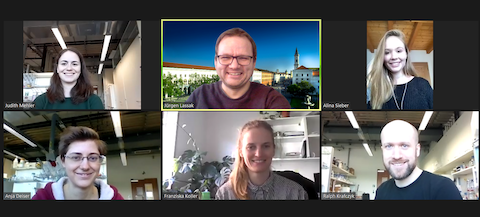
PD Dr. Jürgen Lassak is Head of the Working Group 'Microbial Biochemistry' at Ludwig Maximilian University of Munich's Biocenter, Department of Microbiology. His research focuses on microbial biochemistry including: Bacterial gene regulation and signal transduction Translational stress response mechanisms Post-translational modifications in bacteria Metabolism of non-canonical food sources Lassak investigates fundamental cellular processes in bacteria including translation elongation factors, ribosome stalling at polyproline sequences, and specialized modification systems. His work has applications in understanding bacterial adaptation and developing novel therapeutics.
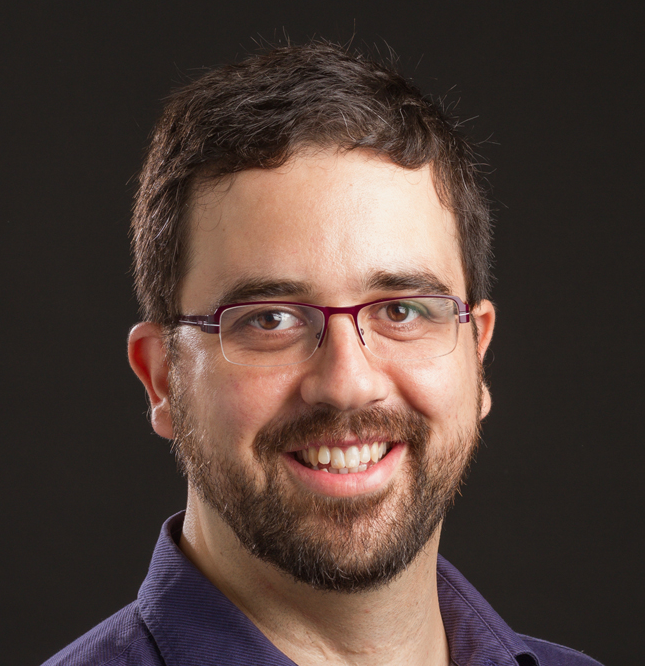
Dr. Daniel Cifuentes is an Associate Professor in the Department of Biochemistry at Boston University, where he leads the Cifuentes Laboratory. His research focuses on RNA regulation mechanisms in two primary model systems: zebrafish embryogenesis and RNA virus replication (e.g., Ebola and Lassa viruses). He integrates high-throughput genetic, genomic, and proteomic approaches to investigate post-transcriptional regulation in development and viral infection. PhD: University of Barcelona, Spain Postdoctoral Training: Yale University Research Interests Molecular mechanisms of RNA-binding proteins and microRNAs Role of RNA modifications in gene expression Transcriptional and translational control in filoviruses and arenaviruses Publications & Trends : His work spans RNA regulatory networks, with recent emphasis on computational approaches (sChemNET), viral RNA stabilization (Ebola), and chromatin organization in blood cell development (miR-144/Hmgn2 axis). Collaborations : Dr. Cifuentes collaborates with Prof. Mühlberger’s group at Boston University’s National Emerging Disease Laboratory (NEIDL) for RNA virus research. Laboratory Members : Owen Sanborn (PhD Student - RNA-Protein Interactions, microRNA) Annie Wen (PhD Student - Biochemistry, Virology)
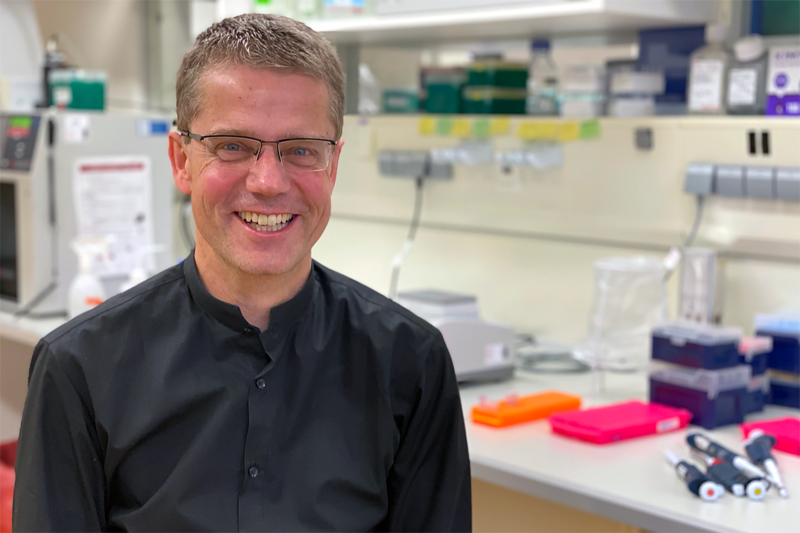
Stephen J. Eyles is Extension Professor and Director of the Mass Spectrometry Center at UMass Amherst. His research applies hydrogen/deuterium exchange mass spectrometry to study protein dynamics and folding, with emphasis on membrane protein complexes and biomolecular interactions. As center director, he develops analytical methods for campus researchers. Recent investigations characterize allosteric mechanisms in GPCR signaling, ER chaperone functions, and ubiquitin-proteasome regulation using advanced MS techniques.
Pascal Madeleine is a Professor at the Department of Health Science and Technology, Aalborg University, affiliated with The Faculty of Medicine. His research focuses on ergonomics, sports science, and biomedical engineering, particularly addressing musculoskeletal disorders and public health challenges related to aging. He has led multiple projects on occupational health, post-surgical pain management, and rehabilitation strategies for conditions like breast cancer and knee arthroplasty. Education: Completed AAU Pedagogical course. Key research areas include ergonomic interventions, pain mechanisms, and technology-driven solutions for workplace and clinical settings. He has supervised 13 PhD students and contributed to over 550 publications. Research interests emphasize translating novel methods into practical applications, such as wearable technologies for movement analysis and evidence-based treatments. Notable projects include investigating musculoskeletal pain in surgeons and developing rehabilitation protocols for chronic pain after knee replacements. Awards include the Lions Prize for innovative pain treatment research. His work aligns with UN Sustainable Development Goals, particularly in health and well-being (SDG 3) and decent work (SDG 8).
David Calderwood is a Professor of Pharmacology and Cell Biology at Yale School of Medicine, where he also serves as co-Director of Graduate Studies for the Pharmacology Graduate Program. He holds primary appointments in the Department of Pharmacology and secondary appointments in Cell Biology, with additional affiliations across multiple interdisciplinary programs including Cancer Signaling Networks, Vascular Biology and Therapeutics, and Yale Cancer Center. Dr. Calderwood received his PhD from the University of Manchester in 1996. His research program focuses on molecular mechanisms of cell adhesion, particularly integrin receptor signaling and cytoskeletal dynamics. Key research interests include: Integrin activation mechanisms through talin and kindlin interactions Mechanical force transmission in cell-ECM adhesions Cytoskeletal regulation of cell migration and adhesion Structural basis of integrin-mediated signaling complexes His recent publications demonstrate a strong focus on mechanobiology and advanced imaging techniques, with recurring themes of integrin trafficking, cytoskeletal tension sensing, and molecular basis of adhesion complex assembly. The work frequently bridges structural biology with cellular biophysics, employing techniques from molecular modeling to live-cell imaging. Dr. Calderwood has received significant research funding, including a $1,390,200 NIH grant with Titus Boggon (2009) and a $1,356,968 NIGMS grant (2009). As co-Director of Graduate Studies, he oversees doctoral training in pharmacology while maintaining an active research laboratory investigating fundamental cell adhesion mechanisms relevant to cancer, immunology, and vascular biology.
Pratigya Subba is an Associate Research Scientist at Yale School of Medicine, specializing in proteomics, plant biology, and molecular mechanisms of stress responses. His research focuses on elucidating proteomic and phosphoproteomic networks in plants and pathogens under environmental stresses, with applications in crop improvement and disease understanding. He has contributed to studies on rice, chickpea, chili pepper, and sandalwood, addressing topics like salt tolerance, thermal adaptation, and pathogen interactions. His work integrates advanced proteomic techniques with bioinformatics to uncover novel regulatory pathways. Key research areas include plant stress signaling, protein post-translational modifications (e.g., crotonylation), and translational applications in agriculture and medicine. Recent studies involve SARS-CoV-2 proteome analysis for diagnostic tools and murine muscle stem cell proteomics. Subba’s publications reflect a multidisciplinary approach, bridging basic science and applied research. His articles highlight trends in proteogenomics, stress response mechanisms, and systems biology. Collaborative projects with Yale’s medical research community emphasize translational potential, though specific grants or lab affiliations are not detailed here. No awards or student advisement records are mentioned in the provided texts.
Robert Schneider serves as Director of the Institute for Functional Epigenetics (IFE) at Helmholtz Zentrum München and Professor at the Faculty of Biology, LMU Munich. His academic career spans leadership positions at major European research institutions including IGBMC in Strasbourg and the Max Planck Institute for Immunobiology and Epigenetics in Freiburg. Dr. Schneider's research focuses on epigenetic mechanisms with particular expertise in chromatin biology, histone modifications, and transcriptional memory. His laboratory investigates the molecular basis of epigenetic reprogramming, environment-genome interactions, and metabolic signaling to chromatin. Current work explores how metabolic signals influence chromatin states and how epigenetic information is maintained through cell divisions. His publication record demonstrates consistent contributions to understanding histone modifications, particularly regarding less-studied modifications like propionylation and succinylation, as well as the role of linker histones in chromatin organization. Recent work connects metabolic pathways with epigenetic regulation, showing how cellular metabolites directly influence chromatin states and gene expression patterns. ERC Starting Grant (2007) HFSP Career Development Award (2005) Chaire Gutenberg awarded by Universite de Strasbourg (2011) Ligue Contre la Cancer, Equipe labelisée (2014) Membership of Epigenesys Network of Excellence (2011) As an active member of the epigenetics community, Schneider serves on multiple scientific boards including the Research Coordination Board of the German Center for Diabetes Research since 2017. He has organized numerous major conferences including the 2023 GRC on DNA and Histone Modifications and the annual Munich Epigenetics Spotlight series since 2016. His laboratory maintains strong collaborative networks across Europe through initiatives like the 'Epicrossborders' International Research School which he has led since 2019.
Norma Frizzell, Ph.D., is a Professor in the Department of Pharmacology, Physiology & Neuroscience at the University of South Carolina School of Medicine. Her research focuses on the chemical modification of proteins by mitochondrial metabolites, particularly the non-enzymatic succination of cysteine residues by fumarate. She has made significant contributions to understanding how metabolic alterations in mitochondrial disorders like Leigh Syndrome and in diabetes lead to pathological protein modifications. B.Sc. in Biochemistry, Queen's University of Belfast, Northern Ireland Ph.D. in Biochemistry, Queen's University of Belfast, Northern Ireland Postdoctoral Training, University of Ulster and University of South Carolina Her work investigates the role of fumarate and protein succination in mitochondrial encephalopathies and metabolic diseases. She was the first to document increased brainstem and olfactory bulb succination in a murine model of Leigh Syndrome and to study succination of adipocyte proteins in diabetes. Her research bridges redox biology, metabolism, and disease mechanisms, with implications for therapeutic interventions in neurodegenerative and metabolic disorders. Recent publications reveal her focus on mitochondrial stress, metabolic crosstalk, and the impact of oncometabolites. Her work spans proteomics, cell signaling, and disease models, with studies in diabetes, cancer, neuroinflammation, and infectious disease. She frequently collaborates on chemoproteomic and redox biology projects. Scientific contributions include: Pioneering research on protein succination in diabetes Discovery of mitochondrial-ER stress links via succination Elucidation of fumarate’s role in neurodegeneration and tumor suppression Development of chemoproteomic methods to profile oncometabolites Dr. Frizzell has mentored researchers such as Dr. Gerardo Piroli and collaborates with interdisciplinary teams. Her work is supported by ongoing publications in high-impact journals, indicating active research and funding. She has no listed awards in the provided text, but her publication record in journals like Nature , Redox Biology , and Cancer Research underscores her scientific impact. She leads a research laboratory focused on the succinated proteome and metabolic signaling, contributing to both basic science and translational applications in metabolic and neurological diseases.
Daniel C. Lee, PhD, is an Associate Professor in the Department of Neuroscience at the University of Kentucky College of Medicine, where he is affiliated with the Sanders-Brown Center on Aging. He joined UK in 2019 after serving as an Associate Professor and Director of Neurodegenerative Sciences at the University of South Florida College of Pharmacy. He holds the William N. Sanders Endowed Chair in Geriatric Pharmacotherapy and co-directs the UK-ADRC Research Education Component. Education: B.S. in Chemistry, Lincoln University (1999) Ph.D. in Pharmaceutical Sciences/Neuropharmacology, Florida A&M University (2005) Postdoctoral Training, University of South Florida College of Medicine Dr. Lee's research focuses on the intersection of neuroinflammation, arginine metabolism, polyamine biology, and protein citrullination in Alzheimer's disease and tauopathies. His lab investigates how metabolic dysregulation contributes to protein aggregation, impaired autophagy, and neurodegeneration. Key areas include the role of endogenous polyamines in inhibiting tau aggregation, the function of the GPRC6a receptor in arginine sensing and mTORC1 signaling, and the pathological consequences of tau citrullination. His recent publications highlight a multidisciplinary approach using transgenic models, pharmacology, and molecular tools to uncover mechanisms in neurodegeneration. Common themes include nutrient sensing deficits, post-translational modifications of tau, and therapeutic targeting of metabolic pathways in dementia. Scientific Awards and Honors: William N. Sanders Endowed Chair in Geriatric Pharmacotherapy Dr. Lee has secured primary funding from major institutions including NIH/NIA (R01, R21), Alzheimer’s Association, Michael J. Fox Foundation, Bright Focus Foundation, and the Florida Department of Health. He actively mentors trainees and leads educational initiatives through the UK-ADRC REC. His lab emphasizes scientific integrity, curiosity, and inclusivity, welcoming motivated individuals to advance research in neurodegenerative diseases. The lab employs a range of techniques including genetically engineered mouse models, adeno-associated viral gene therapy, small molecule pharmacology, and bioinformatics to study proteostasis and develop novel therapeutics for Alzheimer's and related disorders.
Dennis W. Dickson, M.D., is a Professor of Laboratory Medicine and Pathology at Mayo Clinic in Jacksonville, Florida, where he serves as a Consultant in the Department of Neuroscience. He leads the Mayo Clinic brain bank, a major national resource for neuropathological research, and directs an American Parkinson Disease Association Center for Advanced Research. His work is pivotal in understanding the pathology of neurodegenerative disorders through extensive collaboration with institutions like the National Institute on Aging, Albert Einstein College of Medicine, and the Brain Support Network. Education: MD, University of Iowa Clinical Fellowship, Department of Pathology, Albert Einstein College of Medicine Residency and Chief Residency, Department of Pathology, Bronx Municipal Hospital Center Dr. Dickson’s research focuses on the neuropathological underpinnings of Alzheimer’s disease, Parkinson’s disease, Lewy body dementia, progressive supranuclear palsy, frontotemporal dementia, and TDP-43 proteinopathies. His team utilizes advanced techniques such as histology, immunohistochemistry, electron microscopy, and genetic analysis to characterize brain tissue from longitudinal studies and transgenic models. His work has been instrumental in defining molecular and pathological signatures of these diseases, bridging clinical and pathological findings. The most recent publications highlight ongoing research into tau isoforms in Pick’s disease, PINK1 assays for Parkinson’s, neuroimaging in PSP, and transcriptional differences between Lewy body and Alzheimer’s diseases. These studies reflect a strong trend toward molecular diagnostics, biomarker discovery, and clinicopathological correlation across neurodegenerative conditions. Scientific Awards: Robert E. Jacoby Professor for Alzheimer's Research, Mayo Clinic (2010) Potamkin Prize, American Academy of Neurology (2011) Award for Meritorious Service, American Association of Neuropathologists (2016) Award for Medical Research, Metropolitan Life (2001) President, American Association of Neuropathologists (2001–2002) Dr. Dickson has secured significant grant funding, including multiple awards from the National Institute on Aging, supporting projects such as ‘Clinicopathological Studies’ and the ‘Neuropathology Core.’ He mentors a large research team and collaborates with leading scientists like Owen A. Ross, Nilufer Ertekin-Taner, and Marka M. Van Blitterswijk. His lab contributes frozen and fixed brain tissues to qualified researchers globally, advancing translational science. He oversees the CurePSP Brain Bank and contributes to major research centers including the Mayo Clinic Alzheimer's Disease Research Center and the Mayo Clinic Study of Aging. His work ensures high-quality neuropathological diagnosis, providing closure to families and feedback to clinicians, while driving the development of targeted therapies and prevention strategies.
Owen A. Ross, Ph.D., is a Professor of Neuroscience and a Consultant in the Department of Neuroscience at Mayo Clinic, Jacksonville, Florida. He also holds the administrative appointment of Senior Associate Consultant II in the Department of Medical Genetics. He leads two major research laboratories: the Parkinson’s Disease Laboratory and the Stroke and Vascular Disease Laboratory, both focused on the genetics of aging and neurodegenerative disorders. Education: Ph.D. in Genetics, University of Ulster MMedSc in Laboratory Science, Genetics and Gerontology, Queen’s University, Belfast BSc in Biochemistry (Honors), Queen’s University, Belfast Dr. Ross’s research centers on the genetic mechanisms underlying Parkinson’s disease, stroke, and related neurodegenerative conditions. His work has been pivotal in characterizing the LRRK2 and SNCA genes, identifying functional risk factors in both familial and sporadic Parkinson’s disease, and discovering novel genes associated with movement disorders. His lab investigates mitochondrial DNA variation, immunogenetics, and neuroinflammation, with a strong emphasis on translational neuroscience and individualized medicine. Using high-throughput automation, RT-QuIC, and multi-omic bioinformatics, his team analyzes genetic and molecular data from global cohorts. The recent research trends, as reflected in his latest publications, focus on polygenic risk scoring in Parkinson’s subtypes, transcriptomic distinctions between Lewy body disease and Alzheimer’s, mitochondrial genomics in aging, and novel genetic loci in multiple system atrophy and Pick’s disease. His work increasingly integrates iPSC models, organoids, and gut microbiome analysis to understand disease mechanisms and identify therapeutic targets. Dr. Ross collaborates extensively with international researchers and is affiliated with key centers at Mayo Clinic, including the Alzheimer’s Disease Research Center and the Robert and Arlene Kogod Center on Aging. He has published over 450 peer-reviewed articles in high-impact journals such as Brain , Nature Genetics , and Science Advances . He actively mentors researchers and offers training opportunities in his laboratories. His leadership in large-scale consortia underscores his role in advancing collaborative neuroscience research.
Yongjie Zhang, Ph.D., is an Associate Professor in the Department of Neuroscience at Mayo Clinic, Jacksonville, Florida. He leads a research laboratory focused on understanding the molecular and cellular mechanisms underlying frontotemporal dementia (FTD) and amyotrophic lateral sclerosis (ALS), two fatal neurodegenerative disorders that share pathological and genetic features. His work integrates molecular biology, functional assays, and animal modeling to uncover disease pathways and develop novel therapeutic strategies. Dr. Zhang earned his Ph.D. in Neuroscience from Tongji Medical College & Hua-Zhong University of Science and Technology (HUST), an M.S. in Microbiology from Xiamen University, and a B.S. in Biology from Hebei Normal University. His research centers on the pathogenic roles of aggregation-prone proteins, particularly TDP-43 and C9orf72 dipeptide repeat (DPR) proteins. He has developed novel mouse models expressing individual DPR proteins to dissect their specific contributions to neurodegeneration, stress granule dynamics, and behavioral deficits. A key focus is understanding how DPR proteins and TDP-43 co-aggregate in stress granules and drive proteinopathy. He also investigates genetic modifiers and antisense oligonucleotides (ASOs) as potential therapeutics for C9orf72-associated FTD and ALS. Analysis of Dr. Zhang’s recent publications reveals a strong emphasis on TDP-43 pathology, DPR protein toxicity, stress granule biology, and biomarker discovery. His work spans from basic molecular mechanisms to translational applications, including antibody development and therapeutic targeting. There is a consistent trajectory toward identifying and validating novel targets for intervention in ALS and FTD. Target ALS Foundation Grant Program (2017–2019, 2020–2022) ALS Association Research Grant (2014–2017, 2015–2018) Alzheimer's Association New Investigator Research Program (2014–2016) AFAR Affiliate Research Grant Program (2009–2010) Dr. Zhang has served as Principal Investigator (PI) on multiple significant grants, including NIH/NINDS and Alzheimer’s Association projects, demonstrating sustained funding and leadership in neurodegeneration research. His lab actively collaborates with prominent researchers at Mayo Clinic, such as Dr. Leonard Petrucelli and Dr. Tania Gendron. He leads a research team investigating disease mechanisms and therapeutic strategies, supported by active projects on poly(ADP-ribose) in DPR toxicity, mechanisms of DPR-induced cell death, and TDP-43 function.
Sherif Abouelhadid is a DL Tutor in Infection Biology at the London School of Hygiene & Tropical Medicine (LSHTM) and a Research Fellow since 2019. He previously worked on Salmonella Typhi vaccine development in Egypt and joined LSHTM's Wren Lab as a Research Assistant before pursuing his PhD in glycobiology. His current roles include Deputy Director of LSHTM's Antimicrobial Resistance Centre and Head of its Biological & Pharmacological Sciences Pillar. Education: PhD (2019) at LSHTM Diploma in Biotechnology (2008) at Alexandria University BSc in Pharmaceutical Sciences (2006) at Misr University for Science & Technology Research interests span two areas: basic biology focuses on N-linked glycans' biological roles and glycosylation systems in organisms like Campylobacter jejuni , while applied science targets vaccine development and humanized glycoproteins using bacterial enzymes. His work bridges fundamental glycobiology with translational applications. Article trends (15 most recent) highlight glycoengineering innovations, vaccine platforms (Streptococcus, Shigella, poultry pathogens), bacterial N-glycosylation mechanisms, and antimicrobial resistance links. Key disciplines include Vaccinology, Biochemistry, and Molecular Biology. Grants include a LSHTM-funded project (2021-2022) for Shigella sonnei vaccine development. He serves as a reviewer for Microorganisms and co-founded The Per-Ankh Foundation for Science & Philosophy in 2012.
Kevin M. Haigis is a Professor of Medicine at Harvard Medical School and serves as the Chief Scientific Officer at the Dana-Farber Cancer Institute. His work bridges experimental and computational approaches to understand the molecular basis of gastrointestinal cancers, particularly focusing on RAS signaling pathways. Research Interests: RAS signaling in cancer Genetic and signaling networks in tumorigenesis Therapeutic responses in colorectal cancer Inflammation and cancer interplay His research integrates genetically engineered mouse models and human cancer systems with computational and informatic tools to dissect oncogenic mechanisms. The recent publications highlight a strong emphasis on post-translational regulation of mutant KRAS, tissue-specific oncogenicity, and cross-species proteogenomic modeling, pointing to a trajectory toward precision oncology and targeted therapy development. Scientific Awards: Robert Black Fellow, Damon Runyon Cancer Research Foundation Howard Temin Award K01, National Cancer Institute Dr. Haigis leads a multidisciplinary research program at Dana-Farber, mentoring trainees and collaborating with leading cancer scientists. His work is supported by major grants from the NCI and other institutions, enabling translational research from bench to bedside. He has played key roles in identifying novel regulatory mechanisms of RAS and developing strategies to target previously undruggable oncogenes. Laboratories and Collaborative Teams: Dr. Haigis leads a research laboratory at Dana-Farber that fosters collaboration with experts in proteomics, chemical biology, and cancer genomics. His team works closely with investigators such as William C. Hahn, Nathanael Gray, Joseph Mancias, and others in the Broad Institute and Dana-Farber community.
Niels Pietsch is a researcher at the Institute of Experimental Pharmacology and Toxicology within the Medical Faculty of University Medical Center Hamburg-Eppendorf (UKE). His work focuses on molecular mechanisms in cardiovascular and neurological contexts. Research Interests: Investigating tubulin post-translational modifications in cardiac and neuronal function Modeling genetic cardiomyopathies using human iPSC-derived cardiomyocytes Studying proteopathy mechanisms in cardiac diseases Translational pharmacology of inotropic compounds Publication Trends: His recent work emphasizes cytoskeletal dynamics, protein aggregation diseases, and drug development for heart conditions, with methodologies spanning stem cell research and molecular pathology. Laboratory Affiliation: Works in the Experimental Pharmacology and Toxicology division at UKE, a hub for interdisciplinary biomedical research.