Dr. Gaoheng Zhang is an Associate Professor of Italian Studies at the University of British Columbia's Faculty of Arts. His research analyzes cultural mobilities within Italy's and Western Europe's global networks with Asia, America, and Africa, focusing on transculturality and dialogism through multilingual and multisited methodologies. Key Focus Areas: Migration/Postcolonial Studies, Gender and Masculinity, Film/Communication Studies, Italian-Chinese Relations Teaching: Italian Food/Fashion Cultures, Mafia Movies, Pandemic Literature, (Post-)Colonial Cultures His scholarship includes pioneering works on China-Italy cultural exchanges through Mobility, Architecture, Chronotopes (2023), and the upcoming monographs Italian Dumplings and Chinese Pizzas (2025) and Fashion Communications Between Italy and China (2025). He is co-editing The Handbook on Modern China-Italy Relations (2026-2027) with Valentina Pedone. Dr. Zhang's research has received prestigious recognition including: SSHRC Insight Grant (2025-2029) UBC Killam Faculty Research Fellowship (2022-2023) Jean Monnet Fellowship (2022-2023) SSHRC Insight Development Grant (2018-2020) Provost’s Postdoctoral Scholarship at USC (2012-2014) He serves on the executive committee of UBC's Centre for Migration Studies and advisory board of Green College, while maintaining affiliations with the Centre for European Studies and Asian Canadian/Asian Migration Studies program.
Curtis Suttle is a Professor in the Department of Botany at the University of British Columbia's Faculty of Science. He also holds affiliations with Earth and Ocean Sciences, Microbiology and Immunology, and the Institute for Oceans and Fisheries. His research focuses on marine virology and the ecological roles of viruses in aquatic ecosystems, particularly their impact on phytoplankton and microbial communities. Dr. Suttle received his B.Sc. and Ph.D. from UBC, was a Coastal Marine Scholar at SUNY StonyBrook (1987-88), and served as Assistant/Associate Professor at the University of Texas at Austin (1988-96) before returning to UBC. His research program investigates the biology and ecology of viruses that infect microalgae and cyanobacteria. Key areas include discerning viral effects on primary productivity, isolating novel marine viruses, developing molecular identification methods, and studying viral distribution patterns. His work has revealed that viruses can occur in seawater at concentrations exceeding 10 5 ml -1 , with cyanophage concentrations reaching 10 6 infectious units ml -1 in coastal waters. Dr. Suttle's team has developed PCR primers specific for viral DNA polymerase genes, showing these viruses belong to a single family related to herpes viruses. Recent publications show a strong focus on marine viral ecology, with particular attention to oyster microbiomes, viral taxonomy, and the role of viruses in marine ecosystems. His research spans from coastal environments to the deepest ocean trenches, examining viral diversity across environmental gradients and investigating viral impacts on carbon cycling and marine food webs. Dr. Suttle leads an active research group with several post-doctoral associates, research scientists, and graduate students. His team conducts field work at multiple locations including the Naica Mine in Mexico, Pavilion Lake in British Columbia, Saanich Inlet, and the Strait of Georgia. Current projects include collaborations with the Hakai Institute, Line P Research Cruise, and CASES (Canadian Arctic Shelf Exchange Study). His laboratory has made significant contributions to understanding viral roles in marine ecosystems, particularly through expeditions to extreme environments like the Naica crystal caves and deep ocean trenches. Ongoing research explores viral impacts on microbial community structure, carbon cycling, and ecosystem function across diverse marine habitats.
Professor Anoush Ehteshami holds the Nasser al-Mohammad al-Sabah Chair in International Relations at Durham University's School of Government and International Affairs. He directs the Institute for Middle Eastern & Islamic Studies (IMEIS), one of Europe's oldest centers of excellence in Middle Eastern studies, and leads the HH Sheikh Nasser al-Mohammad al-Sabah Programme in International Relations, Regional Politics and Security. Previously, he served as Durham's Dean of Internationalization (2009-2011), founding Head of the School of Government and International Affairs (2004-2009), and Joint Director of the £3.9 million AHRC-funded Open Worlds Initiative (2016-2021). His research centers on Middle Eastern international relations with emphases on Persian Gulf dynamics, regional security architectures, and China's geopolitical expansion through the Belt and Road Initiative. He examines evolving power structures including Iran-Saudi rivalries, Eurasian connectivity, and the impact of non-state actors on regional stability. His work bridges theoretical frameworks with policy-relevant analysis of energy politics, strategic alliances, and cultural diplomacy in contested spaces. Ehteshami's publication trajectory reveals intensifying focus on Asia-Middle East linkages, Iranian strategic behavior, and multipolar security frameworks. Recent works analyze China's economic statecraft, proxy warfare mechanisms, and the fragmentation of regional orders through lenses of geopolitical competition and institutional adaptation. Scientific Awards: Fellow of the World Economic Forum (2002) As a doctoral supervisor, Ehteshami mentors Abdullah Al-Khonaini, Fahad Al Fahad, and Mengqi Sun. His £3.9 million AHRC grant directed cross-linguistic community research, while his RCUK-funded Centre for Advanced Study of the Arab World (2006-2016) established national doctoral training networks. He edits two major book series and serves on seven international journal editorial boards, shaping scholarly discourse on Middle Eastern and Islamic studies. He leads IMEIS as a hub for interdisciplinary Middle Eastern scholarship and directs the HH Sheikh Nasser al-Mohammad al-Sabah Programme, which integrates security studies with political economy analyses through collaborative international research initiatives.
David Pratten is an Associate Professor in the Social Anthropology of Africa at the University of Oxford, where he is also a Fellow of St Antony's College. His work bridges social anthropology and African studies, focusing on themes of history, violence, and the state through long-term fieldwork with Annang communities in Nigeria. His research spans colonial-era ritual murders, post-colonial vigilantism, and contemporary masquerade traditions. He has led the African Studies Centre (2009-2013) and served as Director of Graduate Studies, while co-editing the prestigious journal AFRICA since 2010. Key Publications include the award-winning monograph The Man-Leopard Murders (2007) and co-edited volumes like Global Vigilantes (2007). His recent work involves a French National Research Agency (ANR) project on xenophobic exclusion in Africa. Scientific Awards Amaury Talbot Prize (2007) Teaching Excellence Award (2009) He supervises DPhil students and collaborates on research initiatives like the African Print Culture Network, supported by the John Fell Fund. His sabbatical (2024-2025) reflects ongoing commitment to ethnographic fieldwork and cross-disciplinary dialogue.
Nina Vollenbroker serves as Associate Professor of Architecture and Director of the Architectural Design PhD programme at University College London's Bartlett School of Architecture. A registered architect in the UK (ARB) and Germany (Architektenkammer NRW), she also acts as editor for Architectural Research Quarterly since 2020 and serves on the Society of Architectural Historians’ advisory committee on accessibility. Her educational background includes a PhD in Architectural History from UCL, along with multiple UCL degrees: Master of Architecture (2005), Certificate (2004), Master of Science (2002), Diploma (2001), and Bachelor of Architecture from Oxford Brookes University (1997). Vollenbroker's research centers on the intersection of deafness, disability, and architectural design, challenging normative spatial paradigms through historical and contemporary lenses. Her current Paul Mellon Centre-funded project "Hide and Speak" examines the first purpose-built deaf schools in 19th-century Britain, revealing how architecture actively shaped cultural understandings of deafness. She extends this work through "Deafening Architectural Modernism," which re-evaluates Adolf Loos's contributions through the lens of his hearing loss, demonstrating how sensory experience fundamentally informs spatial design. Her broader research encompasses migration studies, gendered domestic spaces, and critical examinations of architectural exclusion. Her recent publications span architectural history, disability studies, and material culture, with significant contributions to edited volumes on deafness in architecture (University of Illinois Press, 2025), mobile home-making (Brill, 2025), and the American West (Routledge, 2025). These works consistently demonstrate her methodological approach of centering marginalized perspectives within architectural discourse. Wilhelm Award from Pioneer America Society for outstanding research in material cultures studies Paul Mellon Centre Mid-Career Fellowship Royal Institute of British Architects Research Award British Academy Research Fund Award Vollenbroker supervises doctoral students in architectural design while securing major research funding from bodies including the Arts and Humanities Research Council, British Academy, and Royal Institute of British Architects. Her international collaborations include work with the Lebanese NGO Biladi on migration studies and knowledge-exchange programs funded by The Council for British Research in the Levant. She regularly convenes major conference sessions, including at the Society of Architectural Historians and Architectural Humanities Research Association conferences, and presents at institutions worldwide including Columbia University, Yale University, and Heidelberg University. Her research group actively engages with disability advocacy organizations and architectural practitioners to translate historical insights into contemporary inclusive design practices, particularly through her editorial work on special journal issues addressing disability and architecture.
Dr. Sameer A Ansari, MD, PhD is a Professor of Radiology (Interventional Neuroradiology), Neurological Surgery, and Neurology at Northwestern University's Feinberg School of Medicine. He holds appointments in multiple departments reflecting his interdisciplinary expertise in neurovascular interventions and stroke care. His educational background includes: MD from Jefferson Medical College, Thomas Jefferson University (2000) PhD from College of Graduate Studies, Thomas Jefferson University (2000) Radiology Residency at University of Illinois at Chicago (2005) Neuroradiology Fellowship at University of Michigan Health System (2006) Interventional Neuroradiology Fellowship at University of Michigan Health System (2008) Dr. Ansari is board certified in both Neuroradiology and Diagnostic Radiology by the American Board of Radiology. His primary research interests focus on endovascular treatment of neurovascular diseases, particularly advanced MRI techniques to optimize patient selection for acute ischemic stroke interventions and intracranial atherosclerotic disease treatments. He has published extensively on stroke thrombectomy outcomes, intracranial aneurysm management, and neurointerventional oncology. His recent publications (2025) demonstrate significant contributions across multiple domains including probabilistic modeling for stroke outcomes prediction, racial disparities in aneurysm treatment, novel approaches to medium vessel occlusion, and the emerging field of neurointerventional oncology. His work frequently leverages the NeuroVascular Quality Initiative-Quality Outcomes Database (NVQI-QOD) registry to generate real-world evidence. Dr. Ansari maintains active leadership roles in professional societies: Scientific Exhibits Committee-Interventional, ASNR (2010-Present) Session Moderator-Adult Brain: Vascular, Intracranial, ASNR (2010-Present) AHA/ASA Abstract Grading Subcommittee, International Stroke Meeting (2010-Present) Presentation Award Committee-Interventional, ASNR (2010-Present) His professional society memberships include the American Heart/Stroke Association, American Society of Neuroradiology, Society of Neurointerventional Surgery, American Roentgen Ray Society, American University Radiologists, American College of Radiology, and Radiological Society of North America. In 2024, he served on boards for the American Board of Radiology, American College of Radiology, American Heart Association, and multiple medical device companies including Boston Scientific, Medtronic, and MicroVention. Dr. Ansari's clinical work focuses on the endovascular treatment of neurovascular diseases, with particular expertise in acute stroke intervention and complex cerebrovascular disorders. His research bridges clinical practice with advanced imaging techniques to improve patient outcomes in neurointerventional procedures.
Dr Jan Woudstra is an Honorary Professor at the University of Sheffield's School of Architecture and Landscape. With a PhD in Landscape Architecture from University College London and a background in landscape design, horticulture, and conservation, he has taught landscape architecture and history since 1995 and part-time at the Architectural Association School of Architecture from 1988-2005. Education: PhD, MA (Conservation), Dip Hort (Kew) Research Focus: History and theory of modern movement landscape architecture, planting design, hard landscape detailing, and international design trends Supervision: Claudia Leticia Martínez Velarde, Lei Gao, Kairan Li, Sang Jung Yoon, Vivienne Rose Parrott, Jijun Zhao, Manoochehr Salahi Moghadam, Hossein Donyavi, Sally O’Halloran Contact: j.woudstra@sheffield.ac.uk | Arts Tower, Floor 12, Western Bank, Sheffield, S10 2TN His research emphasizes landscape conservation, sustainability, and social equitability, with case studies on designers like Christopher Tunnard, Peter Shepheard, and Robert Marnock. He explores the tension between memory and innovation in historic landscapes. Recent publications address Buddhist pilgrimage sites, Scandinavian design, and historical planting techniques. Collaborations with Peter Blundell Jones and others analyze the interplay between architecture and landscape.
Gavin Schwarz is a Professor and Head of School at the School of Management and Governance within the UNSW Business School . He specializes in organizational change , organizational failure and inertia , and the dynamics of virtual teams , with a focus on how organizations fail during change processes and how to develop applied strategies for change management . His work spans diverse sectors including healthcare, technology, and education, with publications in leading journals such as Academy of Management Learning and Education and Administrative Science Quarterly . Education : PhD in Management (University of Queensland), MPhil (Hons) in Management (University of Auckland), BA in Management and English (University of Auckland). Grants : 2020 Brock University grant for "University communication in times of COVID-19" , 2020 UNSW Medicine grant for "Translation and change: Embedding effective change management in health" , and earlier Australian Research Council and Gordon J. Samuels Fellowship awards. His research explores the development of knowledge in organizational theories , with an emphasis on collective responses to change , HR management during crises , and technology strategy . He has contributed to understanding organizational communication , team innovation , and structural inertia . His 15 most recent publications cover topics from AI’s role in organizational change to pandemic-driven research adaptation, with keywords spanning management science , behavioral economics , and digital transformation . Scientific Awards 2021-2023 : Outstanding Reviewer Awards (Academy of Management Review) 2017-2020 : Best Reviewer Awards (Journal of Organizational Behavior) 2019, 2013, 2011 : Best Paper Finalist/Awardee (Academy of Management divisions) 2007, 2006 : Editorial Board Excellence (Academy of Management Journal) and Gordon J. Samuels Fellowship As an active supervisor in organizational change and HR development , his work supports healthcare innovation and digital transformation. He serves as Editor-in-Chief for the Journal of Applied Behavioral Science and is on the editorial boards of Academy of Management Review , Journal of Management , and Journal of Organizational Behavior . Contact: g.schwarz@unsw.edu.au
Prof. Dr. Johannes Liebrecht holds the Chair of Legal History at the University of Zurich . His work spans legal history, comparative law, and normative frameworks across medieval and modern European contexts. He has contributed extensively to the Max-Planck Encyclopedia of European Private Law and other major legal history publications. Current Position: Professor of Legal History (since 2019) Previous Roles: Senior Research Fellow at Max-Planck-Institute (2013-2019), Research Associate at Max-Planck-Institute (2007-2013) Research Interests focus on: Medieval Legal Institutions: Feudal norms, canon law, and German-Spanish legal comparisons Modern Legal Developments: Liberal law post-French Revolution, consumer rights, and legal sociology Academic Methodology: Historical realism, normative comparison, and categorial shifts in legal scholarship Publication Trends reveal a focus on: 2024: Eugen Ehrlich's sociology of law and German-Spanish medieval comparative studies 2022-2024: European consumer law, legal emancipation, and historical realism 2015-2018: Heinrich Brunner's historiography and German legal education structures Scientific Awards : Hermann Conring Award (2014) Gerda Henkel Foundation PhD Scholarship (2004-2006) German National Academic Foundation Scholarship (1994-2000) Guest Lectureship at Tokyo University (2019) Centre for Advanced Study Oslo Fellow (2021/22)
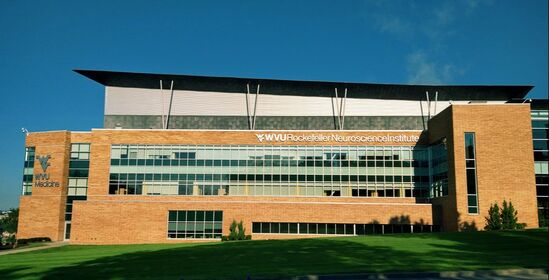
Michelle CD Bridi is an Assistant Professor in the Department of Neuroscience at West Virginia University School of Medicine , with a joint affiliation at the Rockefeller Neuroscience Institute . Her research integrates synaptic plasticity , sleep physiology , and neurological conditions to investigate dynamic synaptic regulation under typical and atypical states. Education: BS , McGill University, 2006 PhD , University of Pennsylvania, 2013 Research Focus: The Bridi Lab explores how daily oscillations in excitation/inhibition (E/I) balance are disrupted in Autism Spectrum Disorder (ASD) , aging , and post-stroke states . Current projects address: 1) synaptic adaptation to sleep/wake cycles, 2) E/I imbalance in neurodevelopmental disorders, and 3) molecular mechanisms maintaining neuronal firing rate homeostasis. Publication Trends: Recent work spans REM sleep plasticity , autism models , and neurodegenerative interventions , emphasizing synaptic oscillations , NMDA receptor pathways , and gene therapy applications. Collaborative efforts with Morgan Bridi's lab extend findings to stress and stroke contexts. Grants & Collaborations: Research is funded by NIH/NIGMS , BBRF , and NSF . The lab actively collaborates with cross-institutional teams and is recruiting postdocs and students for ongoing studies.
Sophie Ryan is a Climate and Health Research Fellow at Appalachian State University's Department of Geography and Planning, supported by the National Academy of Sciences. She holds a Ph.D. in Geography (candidate) from the University of North Carolina at Chapel Hill and advanced degrees in Geography from Appalachian State University and the University of Vermont. Education : Ph.D. Candidate in Geography (UNC Chapel Hill), M.A. in Geography (Appalachian State), B.S. in Geography (University of Vermont) Ryan's research integrates medical geography and climate science to explore mental health impacts of extreme weather events. Her work combines spatiotemporal modeling , health data analysis , and disaster response studies , focusing on youth, older adults, and vulnerable populations. Recent projects examine greenspace effects on mental health , compound climate events , and pandemic-related health disparities . Her publications highlight climate-mental health linkages , spatial epidemiology , and social vulnerability in disaster contexts. Articles address topics like heat-stress and mental health , transgender youth post-disaster trauma , and suicide risk disparities during the COVID-19 pandemic. Ryan employs distributed lag models , cluster analysis , and geospatial techniques to assess environmental health impacts. Scientific Awards : NASEM Climate-Health Fellow
Adam M. Kleinbaum is Professor of Leadership and Organizations at the Tuck School of Business, Dartmouth College, where he teaches MBA courses in organizational behavior, social networks, and leads global expeditions to Israel. He also serves as interim faculty chair for Health Care Management Education at Dartmouth, teaching in both the Masters in Healthcare Delivery Science and Masters of Health Administration programs, as well as an organizational behavior class in the Thayer School of Engineering. Dr. Kleinbaum holds a DBA from Harvard University (2008) and an AB from Harvard College (1998). Prior to joining Tuck, he served as a post-doctoral fellow at Harvard Business School. His research examines the antecedents and evolution of social networks in organizations, investigating how formal and informal structures, career history, personality, and even brain structure shape network formation. A second research stream applies network science to study diversity, equity and inclusion practices. His work has been published in top journals including Nature Communications , Administrative Science Quarterly , Organization Science , and Strategic Management Journal . Analysis of his publications reveals consistent focus on network dynamics within organizational contexts, with increasing attention to DEI applications and remote/hybrid work implications in recent years. His work bridges theoretical organizational research with practical business applications. 2018 ASQ Award for Scholarly Contribution for 'Organizational Misfits' Featured in 2018's 'Top Ten Insights from the Science of a Meaningful Life' Third most-read Life and Biological Sciences paper in Nature Communications (2018) Recognized as one of Poets & Quants' Best 40-Under-40 MBA Professors Professor Kleinbaum serves as Deputy Editor at Administrative Science Quarterly , with previous editorial roles at Management Science and Academy of Management Annals . He co-founded the Dartmouth Interdisciplinary Network Research (DINR) Group, which brings together scholars from multiple disciplines to advance network science applications. His research has been featured in major media outlets including the New York Times , Wall Street Journal , Scientific American , and The Atlantic .
Professor Jill Atkins is a Professor of Accounting at Cardiff Business School, Cardiff University, with a distinguished career spanning accounting and finance. She also serves as a Visiting Professor at the University of the Witwatersrand in South Africa. As a leading academic in sustainable accounting, she has published over 50 journal articles and several influential books, establishing herself as a thought leader in the field of extinction accounting and biodiversity finance. Professor Atkins holds a BA Hons (First Class) in European Economics with a Licence ès Sciences Economiques from the University of Nantes, an MSc in Corporate and International Finance from the University of Durham, and a PhD in Finance from the University of Manchester. She is Series Editor for the de Gruyter Studies in Corporate Governance and has authored the leading international textbook "Corporate Governance and Accountability," now in its 5th edition. Professor Atkins' research focuses on three interconnected areas that have significantly contributed to sustainability accounting literature. Her work on private social and environmental reporting (SER) has evolved into "private integrated reporting," where institutional investor engagement processes increasingly integrate social, environmental, and financial issues. She has pioneered the development of "extinction accounting," creating a framework that has inspired extensive international academic research and influenced investment institutions' pollinator engagement strategies. Her third major contribution involves exploring the historical roots of environmental and ecological accounting, connecting accounting history with sustainability research across various historical periods from Victorian water pollution accounting to 18th century nature diaries. Analysis of Professor Atkins' recent publications reveals a clear trajectory toward increasingly specialized and urgent environmental accounting. Her work has evolved from general sustainability reporting to highly focused extinction accounting frameworks, with growing attention to historical precedents and cross-cultural applications. The publications demonstrate a sophisticated integration of critical accounting theory with practical applications in biodiversity conservation, showing how accounting mechanisms can serve as tools for species protection and environmental preservation. Her research increasingly incorporates interdisciplinary perspectives, drawing from ecology, history, art, and philosophy to develop comprehensive approaches to extinction governance. Professor Atkins has received significant recognition within the ESG investment industry and governance circles as a thought leader, regularly invited to give keynotes at international practitioner and academic events. She has led influential projects including a Nuffield Foundation-funded study on private SER and has developed innovative frameworks such as the extinction governance model that brings together accounting practices with governance mechanisms aimed at preventing species extinctions. Professor Atkins supervises doctoral candidates in extinction accounting, extinction governance, ESG investment, accounting for biodiversity, and corporate governance (qualitative research). She has established collaborative networks with leading practitioners in responsible investment, sustainability ratings, financial analysis, and reporting framework providers, including the Capitals Coalition, Moody's, Vigeo Eiris, AXA, and the WWF.
Qixuan Chen, PhD, is an Associate Professor of Biostatistics at Columbia University Mailman School of Public Health. She obtained her PhD from the University of Michigan in 2009, with dual expertise in biostatistics and survey sampling. Education: BA in Economics (Nankai University), MS in Applied Statistics (Bowling Green State University), PhD in Biostatistics (University of Michigan) Her research focuses on advanced statistical methods for complex surveys, causal inference, and handling missing data. Key contributions include developing Bayesian predictive inference frameworks using machine learning and regularized regression for integrating administrative records with survey samples. Recent publications emphasize environmental health applications, including measurement error correction for immunoassays and variable selection in multiply imputed data. Her work bridges biostatistics with computational methods for data integration. Scientific Awards: NIEHS Career Development Award, Teaching Award, Calderone Research Prize, Bryant Scholarship, Hutzinger Award She actively contributes to public health through dashboards like the New York City Neighborhoods COVID-19 tracker and PRIME radiology diagnostics platform. Grants such as R01ES035784 support her ongoing work in exposure-response analysis.
Peter Chien is an Adjunct Professor in the Department of Biochemistry and Molecular Biology at the University of Massachusetts Amherst. His research focuses on regulated protein degradation and quality control in bacteria, with a particular emphasis on mechanisms governing proteolysis during the bacterial cell cycle. PhD, University of California, San Francisco Postdoctoral Training, Massachusetts Institute of Technology The Chien Lab employs interdisciplinary approaches including biochemistry, structural biology, and cell biology to study proteolytic mechanisms in Caulobacter crescentus. Their work explores how AAA+ proteases like ClpXP and Lon recognize substrates with precision and how this impacts cellular regulatory networks. Recent research trends from the lab include investigations into Lon protease modulation , DNA damage responses , protein homeostasis under stress , and genetic regulators of proteostasis . Studies often integrate structural analysis with functional assays to uncover molecular principles of protease specificity. The lab is affiliated with multiple graduate programs, including the Molecular and Cellular Biology (MCB) program, Chemistry-Biology Interface Program, Biotechnology Training Program, and the Institute for Applied Life Sciences at UMass Amherst.