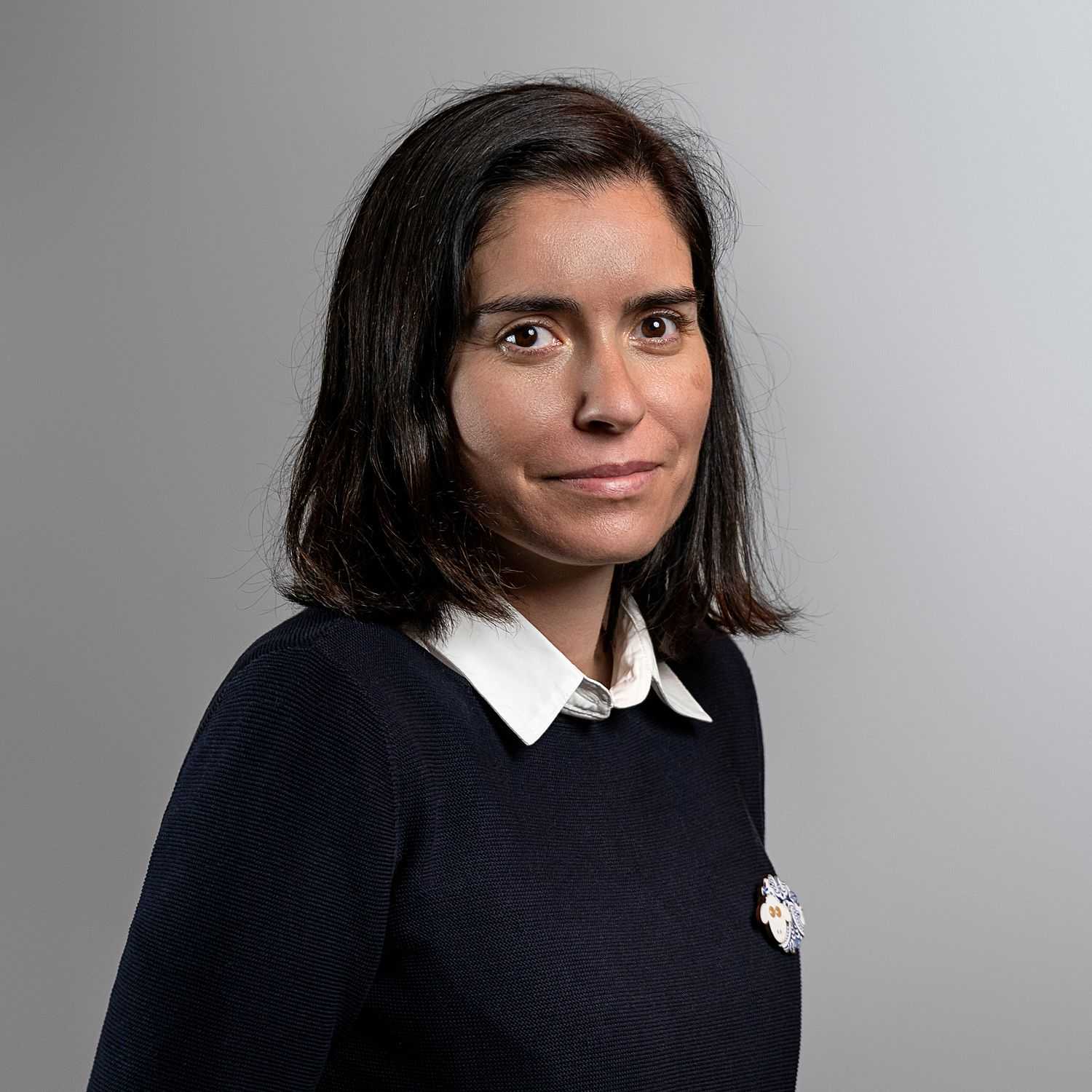
Dr. Matthew D. Budde serves as Associate Professor in the Department of Neurosurgery at the Medical College of Wisconsin, where he develops advanced magnetic resonance imaging (MRI) techniques for diagnosing and monitoring central nervous system injuries and diseases. His work bridges preclinical and clinical neuroimaging with emphasis on traumatic brain and spinal cord injuries. His educational background includes: Postdoctoral Fellowship in Radiology and Imaging Sciences, National Institutes of Health (2011) PhD in Neuroscience, Washington University in St. Louis (2008) BS in Psychology, University of Wisconsin-Madison (2001) Dr. Budde's research centers on diffusion-based MRI methodologies , particularly diffusion tensor imaging (DTI) and tensor-valued encoding techniques. He investigates microstructural changes in traumatic brain injury, spinal cord trauma, stroke, and neurodegenerative conditions using both human and animal models. His work establishes critical links between MRI findings and underlying histopathology while exploring comorbid factors like sleep disruption and pharmacological interventions in neurological recovery. His publication record demonstrates consistent innovation in neuroimaging methodology, with recent work focusing on oscillating gradient diffusion MRI, spinal cord perfusion imaging, and biomechanical modeling of spinal cord stress. Key trends include translation of advanced diffusion MRI techniques to clinical stroke and trauma applications, multi-center validation of neuroimaging biomarkers, and integration of finite element modeling with in vivo imaging. Professional recognition includes: Young Investigator Award Finalist, International Society for Magnetic Resonance in Medicine (2006) Junior Fellow Recipient, International Society for Magnetic Resonance in Medicine (2010) Fellows Award for Research Excellence (FARE), National Institutes of Health (2011) As an active Junior Fellow of the International Society for Magnetic Resonance in Medicine and member of the Society for Neuroscience, Dr. Budde collaborates across disciplines through MCW's Center for Imaging Research and Neuroscience Research Center. His work incorporates multi-center studies and animal models to validate imaging biomarkers, with ongoing projects examining sleep-TBI interactions and spinal cord biomechanics. Current research leverages high-field MRI and computational modeling to establish prognostic capabilities for acute neurological trauma.