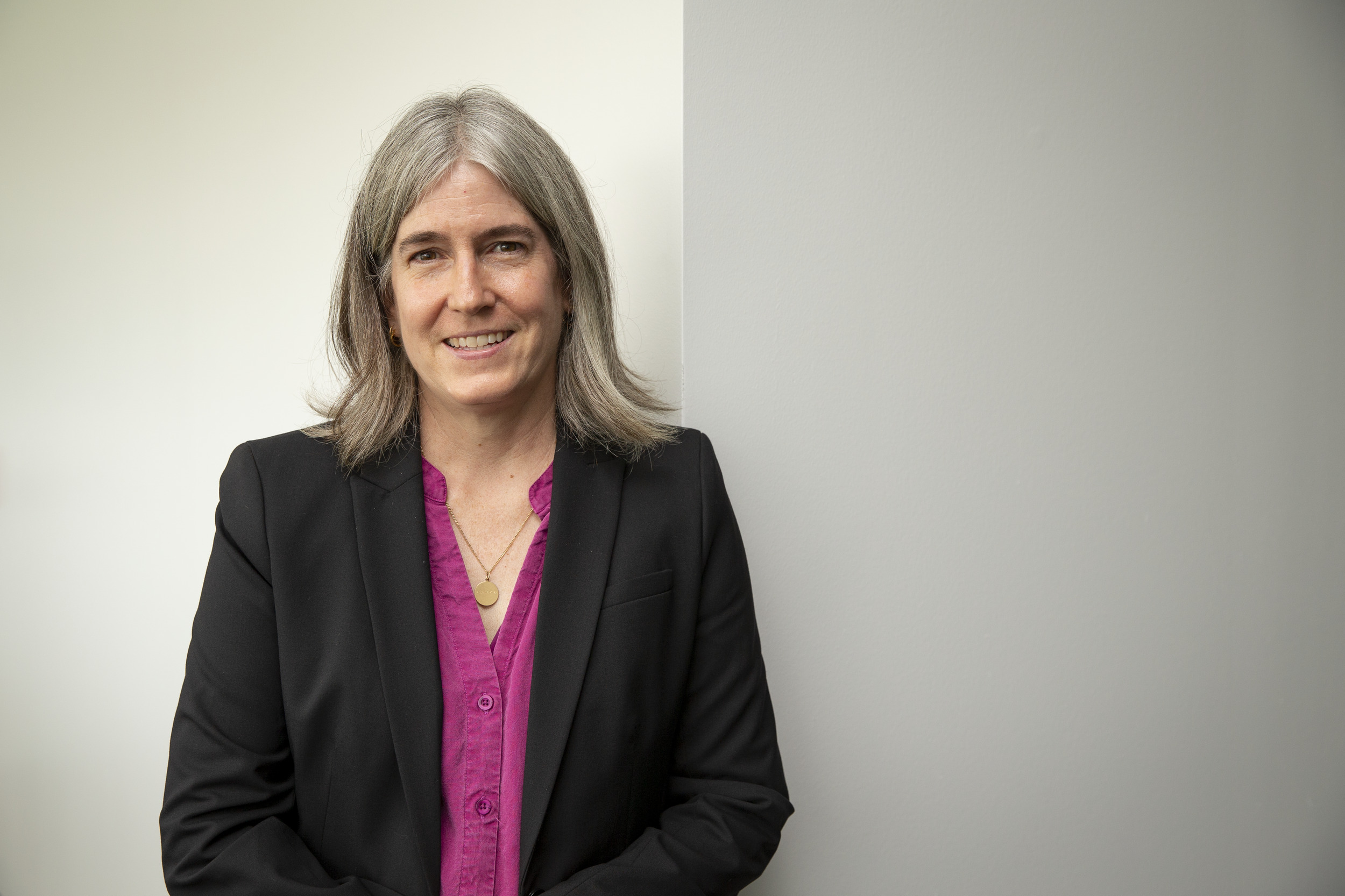
Prof. Aldo Romani is a Professor leading the Materials for Artworks' Conservation research group within an academic department offering degrees in Chemistry, Biological Sciences, and Biotechnology. His work focuses on applying chemical and physical methodologies to cultural heritage conservation, with emphasis on non-destructive analysis and development of portable instrumentation for in-situ studies without artwork sampling or movement. Research interests center on chemical and physical behavior of materials in artworks, including structure/composition analysis for conservation diagnosis, degradation mechanisms of heterogeneous materials, and protection of porous heritage objects. The group utilizes synchrotron radiation, micro-FT-IR, micro-Raman, XRF, XRD, UV-VIS-NIR spectroscopy, GC-MS, and other advanced techniques. Key specialties include micro-spectroscopy for cross-sectional material distribution, contemporary art materials analysis, and emergency conservation protocols. Recent publications reveal strong focus on pigment analysis, varnish degradation, and non-invasive imaging of paintings/manuscripts using hyperspectral techniques. The research demonstrates integration of art historical context with materials science, particularly in Modernist paintings, medieval manuscripts, and street art preservation. The group actively contributes to European heritage science initiatives through the SMAArt Center of Excellence. Prof. Romani's laboratory develops portable instrumentation within MOLAB programs and participates in major European infrastructures including IPERION-HS and E-RIHS. Theoretical modeling complements experimental work for spectral assignments, while collaborations span conservation science and particle physics applications for detector development relevant to cultural heritage analysis.