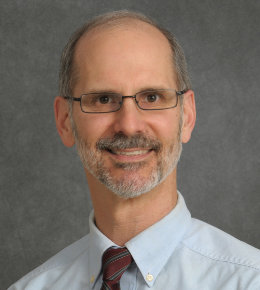
Gregory Ziegler is a Professor in the Department of Food Science at Pennsylvania State University, located at 341 Erickson Food Science, University Park. His research integrates material science and sensory evaluation to advance food technology, with core expertise in starch chemistry, chocolate science, and nanofiber applications. Research interests span: Fundamental starch properties (crystallization, polymorphism, rheology) Electrospinning of biopolymers for edible materials (casein, carrageenan) Chocolate formulation (fat/sugar reduction, sensory perception) Consumer studies on texture and flavor perception Food processing optimization (equipment cleaning, enzymatic reactions) Recent publications (2022-2025) demonstrate strong focus on: Nanofiber development from proteins/polysaccharides Cocoa genetics and lipid chemistry Sugar reduction strategies in chocolate products Advanced characterization of starch behavior Sensory-driven food design Active projects include: Development of Innovative Materials and Technology for Cellular Agriculture Tropical ecosystems research in Belize (grant-funded collaboration)
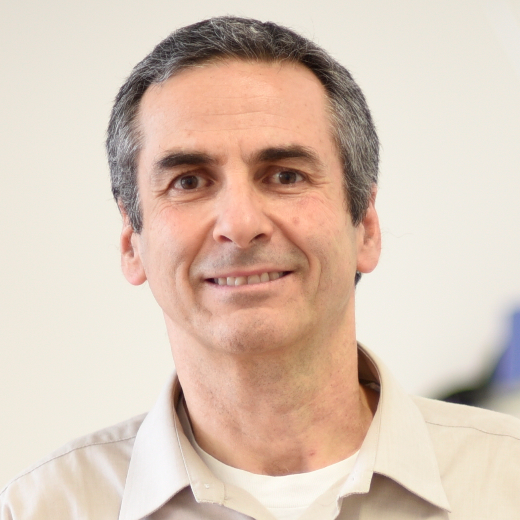
Professor Brian Rodriguez is a full-time faculty member in the School of Physics at University College Dublin, based at the Conway Institute in Belfield, Dublin 4. His research bridges nanoscale materials physics and biomedical applications, with expertise in scanning probe microscopy techniques. He maintains an active teaching schedule across multiple modules and can be contacted via brian.rodriguez@ucd.ie or phone at 01 716 6744. His academic credentials include: BS from University of North Carolina MS from North Carolina State University, USA PhD in Physics from North Carolina State University, USA (2003) Professional Certificate in University Teaching & Learning from University College Dublin Rodriguez specializes in piezoresponse force microscopy (PFM) and atomic force microscopy (AFM) for characterizing ferroelectric materials, polar nitride semiconductors, and biological systems. His work has expanded into bio-inspired nanomaterials development, including sustainable peptide semiconductors for sensing, amorphous alloys for antibacterial implants, and electrocatalysts for green hydrogen. He actively integrates machine learning with AFM data to advance cancer diagnostics, emphasizing translational applications in biomedicine and energy. Recent publications (2024-2025) demonstrate interdisciplinary momentum toward sustainable nanomaterials for energy conversion and biomedical sensing. Key trends include seawater electrolysis catalysts using MBenes/borides, metal-free SERS platforms with peptide semiconductors, and electric-field-activated pathogen detection. His group pioneers techniques like fluid-phase 3D printing for hydrogel patterning and high-voltage KPFM adaptations, with consistent focus on fundamental electromechanical property characterization. Award highlights include: UCD College of Science Women in Science Mentoring Award (2024) Alexander von Humboldt Fellowship (2007) RMIT Foundation International Research Exchange Fellowship (2010) Two UT Battelle Team Awards (2006) Rodriguez coordinates core modules including Bio-inspired Technologies (2016-2025), AFM for Bionano (2016-2025), and Nanomechanics (2017-2025), using active-learning pedagogies. His research is funded through Science Foundation Ireland's GROW Supplement (2017), the OBRSS Research Support Scheme (2016-2023), and the Resolve-NP project grant (2023-2025) targeting lipid nanomedicine characterization at single-particle resolution. He leads the NanoFunction research group (nanofunction.org) within UCD's Conway Institute, focusing on nanoscale functional materials. Current projects involve peptide-based sensors, antimicrobial coatings, and electrocatalyst engineering, supported by collaborations with Zhang, Bao, and Brennan on the Resolve-NP grant. Rodriguez also contributes to SIMUFER (Single- and Multiphase Ferroics with Restricted Geometries) and maintains active professional society memberships.
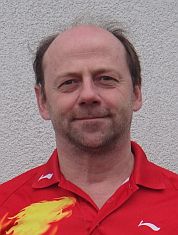
Dr. J Bruce German is a Professor in the Department of Food Science and Human Nutrition at the University of Illinois at Urbana-Champaign. A leading researcher in nutritional science, his work spans food biotechnology, glycomics, immunology, and wearable technology applications for dietary monitoring. He has made significant contributions to understanding milk microRNAs, microbial immune imprinting, and plant glycomic mapping. His recent publications focus on the intersection of microbiology, lipidomics, and nutritional technology. Notably, he has explored bifidobacteria's role in early immune development and innovative methods for polysaccharide analysis. Despite no explicit awards listed, his editorial roles indicate leadership in nutrition research.
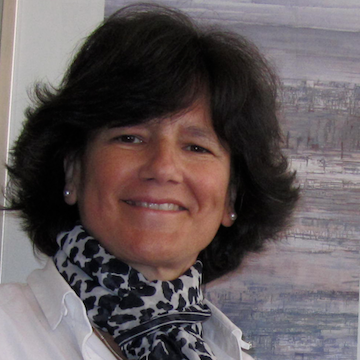
Andrew Lovering is a Professor in Structural Biology at the Biosciences Institute of Microbiology and Infection, actively researching bacterial systems with therapeutic potential. His work focuses on predatory bacteria like Bdellovibrio bacteriovorus and mycobacterial cell wall enzymes. Current projects: Determining predator lipid shuttling pathways (Leverhulme Trust), rewriting outer membrane protein structure rules (Royal Society) Research Interests: His team investigates protein function in bacterial predation, intraperiplasmic growth challenges, and lifestyle transitions in bacteria. Research spans antibiotic development, structural characterization of membrane proteins, and peptidoglycan remodeling mechanisms. Recent Publications: 2025 study on lipid-trapping porin-like proteins and 2024 investigations into mycobacterial glycoside hydrolases and chimeric fibre proteins in predatory bacteria, reflecting interdisciplinary work bridging structural biology and microbiology. Collaborations: Active in multi-institutional projects including structural fundamentals of gliding motility and peptidoglycan dynamics in Rhizobium leguminosarum .
Professor Alfred Pühler is a distinguished academic at Bielefeld University's Center for Biotechnology (CeBiTec), where he serves as Head of the working group "Genome research of industrial microorganisms." He also holds significant positions as an Honorary Board Member at both the CeBiTec Board and the Institute for Bioinformatics Infrastructure (BIBI) Board, and serves as an expert for biotechnology and genetics at BIBI. His work is situated within Bielefeld University's strategic research framework, particularly contributing to the Material World research area which examines structures and processes at the interfaces of physics, chemistry, biology and bioinformatics. Prof. Pühler's research interests span genomics, industrial microbiology, and biotechnology with a particular focus on microbial communities in biogas production systems, metagenomics, and the genetic engineering of industrial microorganisms. His work bridges fundamental microbial genomics with practical biotechnological applications, especially in the context of sustainable energy production and industrial bioprocesses. His research group has made significant contributions to understanding the genomic basis of acarbose biosynthesis in Actinoplanes species and the microbial ecology of biogas reactors. Analysis of Prof. Pühler's recent publications reveals a strong emphasis on metagenomics and microbial genomics applied to industrial and environmental contexts. His work demonstrates a consistent focus on industrial microorganisms, particularly those involved in biogas production and carbohydrate metabolism. The research spans from fundamental genomic analyses to applied biotechnology, with particular attention to microbial communities in biogas plants, genetic engineering of antibiotic-producing bacteria, and development of bioinformatics tools for microbiome analysis. His publications show strong interdisciplinary collaboration across microbiology, bioinformatics, and biotechnology fields. While specific awards are not mentioned in the available information, Prof. Pühler's leadership roles in major research infrastructure initiatives like the Bielefeld Center for Data Science (BiCDaS) and his extensive publication record in high-impact journals demonstrate significant recognition within his field. His work has contributed to national research data infrastructure projects like NFDI4Microbiota. Prof. Pühler leads the Genome Research of Industrial Microorganisms working group at CeBiTec, which appears to be actively involved in multiple research projects related to microbial genomics and biotechnology. His team likely collaborates extensively with other research groups within CeBiTec and the broader university network, particularly with the Institute for Bioinformatics Infrastructure. The working group seems to maintain strong connections with both fundamental research and industrial applications, particularly in the biogas and biotechnology sectors.
Pierre Haddad, PhD, is Associate Professor in the Department of Pharmacology and Physiology at the Université de Montréal Faculty of Medicine and also holds the title of Honorary Professor . He is based at the Roger-Gaudry Pavilion (room R-410) and can be reached at pierre.haddad@umontreal.ca . Research Interests Haddad’s laboratory focuses on ethnopharmacology and the discovery of natural health products and functional foods useful in the prevention and management of diabetes, obesity and metabolic syndrome . Using a combination of in vitro cellular bioassays (muscle, adipose, hepatic and kidney cell models) and in vivo studies, the group elucidates molecular mechanisms of action of antidiabetic medicinal plants, particularly those used by Indigenous peoples of Canada. Particular attention is paid to Indigenous knowledge ethics , sustainable harvesting and community-based participatory research. Publication Trends Between 2012 and 2023 Haddad has authored or co-authored more than 50 peer-reviewed papers. The work is strongly interdisciplinary, spanning phytochemistry (isolation and structure elucidation of polyphenols, triterpenes, polysaccharides), molecular pharmacology (modulation of glucose transporters, hepatic glucose production, adipogenesis, apoptosis) and public health & policy (open-access publishing, traditional medicine integration). Recent highlights include characterization of Phyllanthus amarus polyphenols, identification of abietic acid from Abies balsamea as a renal protective agent, and multi-target antidiabetic mechanisms of mexicanolides from Swietenia humilis . Scientific Awards & Recognition No specific named awards are listed in the provided text. Students, Grants & Collaborations While explicit lists of graduate students or grant numbers are not provided, the large number of multi-author publications indicates an active research group. Haddad’s work is performed in close collaboration with Indigenous communities (notably the Cree of Eeyou Istchee), the Natural Health Products Research Society of Canada , and multiple national and international academic partners. Laboratory & Platforms Research is conducted within the Department of Pharmacology and Physiology core facilities, including cell-culture suites, analytical chemistry instrumentation and microscopy platforms.
Dr. Mirosław Cygler is a Professor at the University of Saskatchewan's Department of Biochemistry, Microbiology & Immunology, where he leads research in structural biology and host-pathogen interactions. He holds an MSc in Physics and PhD in Chemistry from the University of Lodz, Poland. Previously, he served as Principal Research Officer at NRC's Biotechnology Research Institute (Montreal) and maintains adjunct roles at McGill University. His work focuses on bacterial virulence mechanisms, glycosaminoglycan metabolism, and high-throughput structural biology pipelines. Research interests center on: Automated structural determination of protein complexes Molecular mechanisms of bacterial O-antigen synthesis and export Enzymatic pathways in glycosaminoglycan degradation Legionella/Salmonella effector proteins and host cell manipulation Recent publications (2015–2025) reveal strong emphasis on: Bacterial pathogenesis (Salmonella/Legionella effector systems) Structural virology (SARS-CoV-2 spike dynamics) Enzyme mechanisms in cancer and metabolism Innovative techniques in protein crystallography Awards include the NRC Outstanding Research Achievement Award for establishing a medium-throughput structural biology pipeline. He directs a laboratory specializing in structural analysis of pathogenicity systems and collaborates with the Protein Crystallography Beamline Design Team at Canadian Light Source. His team integrates biochemical, microbiological, and computational approaches to study macromolecular interactions.
James Konopka is a Professor at Stony Brook University's Department of Microbiology and Immunology, focusing on fungal pathogenesis with emphasis on Candida albicans . His research explores plasma membrane mechanisms in fungal virulence, stress resistance, and hyphal growth. Ph.D., University of California/Los Angeles (1985) His work identifies key proteins like Sur7 and eisosomes in regulating membrane lipid balance and cell wall morphogenesis. Recent studies highlight novel antioxidant pathways and antifungal drug targets. Analysis of his 15 most recent articles reveals trends in cell membrane dynamics , oxidative stress , and transcriptional regulation of fungal virulence. Key subtopics include lipid signaling, morphogenesis, and immune evasion. Lab collaborators include Douglas LM, Min K, Naseem S, and Swenson KA. No scientific awards are explicitly mentioned in the provided texts.
Dr. Stefano Benini is an Associate Professor at the University of Bolzano, Faculty of Agricultural, Environmental and Food Sciences, Department of Cellular, Computational and Integrative Biology (CIBIO). He has held this position since 2009 and possesses dual National Scientific Qualifications for the role of associate professor in General Biochemistry (BIO/10) and Organic Chemistry (CHEM-05/A) sectors. His research spans structural biology, bioorganic chemistry, and plant pathology with a particular focus on bacterial enzymes and plant-pathogen interactions. Dr. Benini's research interests center on the structural and functional characterization of proteins, particularly those involved in plant-pathogen interactions. His work on Erwinia amylovora , the causative agent of fire blight in apple and pear trees, has been extensive, examining enzymes such as levansucrase, AmsI phosphatase, and other virulence factors. Additionally, he has made significant contributions to understanding urease , a nickel-dependent enzyme, through crystallographic studies that have revealed insights into its catalytic mechanism and inhibition. His research integrates structural biology with biochemical and biophysical approaches to understand enzyme function at the molecular level. His publication record demonstrates expertise in crystallography, enzyme kinetics, and structural analysis of proteins involved in bacterial pathogenesis. Recent work shows a continued focus on fire blight pathogens while expanding into areas such as siderophore biosynthesis in Aspergillus fumigatus and inhibitors of transthyretin amyloidogenesis. His research bridges fundamental enzymology with potential applications in plant disease control and medical biochemistry. National Scientific Qualification for associate professor in General Biochemistry (BIO/10, 2022-2034) National Scientific Qualification for associate professor in Organic Chemistry (CHEM-05/A, 2025-2037) Dr. Benini has supervised numerous research projects focused on plant pathogen enzymology and structural biology. His work on Erwinia amylovora has provided critical insights into the molecular mechanisms of fire blight pathogenesis. He has collaborated extensively with researchers across Europe, contributing to our understanding of bacterial carbohydrate-active enzymes and their role in plant disease development. His laboratory has developed structural models that have advanced our knowledge of enzyme-substrate interactions in pathogen virulence factors. Dr. Benini leads research on the structural characterization of proteins involved in bacterial pathogenesis, particularly those from Erwinia species. His team employs X-ray crystallography, biochemical assays, and bioinformatics to understand the molecular basis of plant-pathogen interactions. Current projects focus on elucidating the structural basis for enzyme specificity in fire blight pathogens and developing potential inhibitors of key virulence factors.
Maggie P. Wear, PhD, MS , is an Assistant Scientist at the Bloomberg School of Public Health , Johns Hopkins University , affiliated with the Department of Molecular Microbiology and Immunology. Her work bridges biochemical research on fungal pathogens with science education reform. Education: PhD in Biochemistry, Uniformed Services University of the Health Sciences (2016) MS in Biomedical Sciences, Beckman Research Institute (2011) BS in Chemistry, St. Mary's College of Maryland (2004) Research Interests: Dr. Wear investigates: Fungal Polysaccharides (Cryptococcus neoformans capsule structure/function) Catalytic Antibodies (glycan-targeting enzymatic activity) Yeast Ecology (cocoa fermentation dynamics) Science Education (critical thinking, social justice integration) The 15 most recent articles (2018-2025) reveal expertise in: Vaccine development against fungal pathogens Structural analysis of polysaccharides via ELISA/NMR Service-learning pedagogy for science education Scientific Awards: Delta Omega Innovative Public Health Curriculum Award (2020) SOURCE Service Learning Fellow (2020-2021) Advising and Grants: While formal student lists are absent, she mentors through: Instructor role in Critical Dissection of Scientific Literature course Principal Investigator status on multiple research projects Collaborative grants with Dr. Arturo Casadevall's lab Labs: Works in the Casadevall Research Laboratory , focusing on molecular microbiology and immunology.
Andreas Hansson serves as a Visiting Research Fellow at Lund University's Faculty of Engineering within the Department of Pure and Applied Biochemistry. His research focuses on biochemical and molecular characterization of plant macromolecules, particularly β-glucans in oat cereals. His primary research interests span food science, biochemistry, and plant science with specialized expertise in carbohydrate chemistry and cereal science. He investigates molecular structures of macromolecules like β-glucans, proteins, and lipids to understand their nutritional properties and health implications in food systems. Hansson's recent work demonstrates expertise in macromolecular analysis of high β-glucan oat lines, revealing structural-functional relationships critical for nutritional enhancement of cereal crops. His publication in Heliyon (2024) exemplifies his focus on oat breeding and biochemical characterization. No scientific awards or student supervision activities are documented in the available information.
Dieter Baurecht is an Associate Professor at the Institute of Physical Chemistry , University of Vienna. His research focuses on Advanced FTIR Spectroscopy , with expertise in Time-Resolved FTIR , Modulation Spectroscopy , and Raman Microscopy . He investigates thin layers, multilayer assemblies, and biological interfaces using specialized Nanostructure Research Equipment . Academic Roles : Associate Professor (since 2005), Deputy Head of Nanostructure Research, IT Officer at Physical Chemistry Institute Teaching : Courses in Physical Chemistry , Quantum Theory , Mathematics for Chemists , and Spectroscopic Lab Work Research Focus Dr. Baurecht’s work bridges Spectroscopy , Biophysics , and Biosensor Development . He leads projects like Mathematical Models for BioFETs (FWF P20871-N13) and ASEA Uninet (2009-2023). His methods include: Quantitative FTIR-ATR for surface layers Raman microscopy for polymer and bacterial analysis Step-Scan and Rapid-Scan FTIR instrumentation Collaborations His research spans institutions such as: University of Vienna Nano Research Austrian Institute of Technology BOKU Vienna (Biologically Inspired Materials) University of Vienna Drug Delivery Platform International partners in Thailand (Ubon Ratchathani, Chiang Mai) Instrumentation BRUKER IFS-66 FTIR with Step-Scan BRUKER Tensor-37 FTIR Shared equipment at Vienna Nano Research Center
Yasu Morita is an Associate Professor and Graduate Program Director in the Department of Microbiology at the University of Massachusetts Amherst . His research focuses on mycobacterial physiology, particularly lipid biosynthesis, cell envelope integrity, and host-pathogen interactions. Institution: University of Massachusetts Amherst Department: Microbiology Contact: ymorita@umass.edu | (413) 545-4604 Research Interests: Morita’s work investigates how mycobacteria regulate membrane compartmentalization, glycolipid biosynthesis (e.g., PimE mannosyltransferase), and stress adaptation mechanisms. He explores connections between lipid metabolism, cell division, and pathogenicity. Article Trends: Recent publications analyze Mycobacterium smegmatis and Mycobacterium tuberculosis models, emphasizing lipids like lipoarabinomannan and tuberculostearic acid in cell wall integrity, stress responses, and immune modulation. Techniques include lipidomics, transcriptomics, and nanoemulsion-based therapies. Education: Ph.D. in Biochemistry/Parasitology, Johns Hopkins University (2000)
Paolo Paliaga is an Associate Professor and Head of the Department of Oceanography at the Faculty of Natural Sciences, University of Pula. His research explores marine ecosystem dynamics, focusing on microbial ecology, invasive species impacts, pollution effects, and biogeochemical processes in the Adriatic Sea. He teaches courses in marine physics, ecology, and environmental protection. Research interests center on: Marine microbial responses to invasive species like Mnemiopsis leidyi Eutrophication and organic matter cycling Microplastic pollution in marine organisms Climate change effects on Adriatic Sea productivity Coastal sediment pollution from industrial sources His recent publications (2021-2025) demonstrate a strong focus on climate-driven changes in marine productivity, invasive species management, microplastic pollution, and algal biomaterials. Collaborative work frequently addresses interdisciplinary approaches to Adriatic ecosystem challenges. He actively mentors students in thesis research related to marine biodiversity, pollution monitoring, and ecosystem conservation, though specific advisee names are not listed in available sources.
Isabel Sá Nogueira is a Full Professor at NOVA University Lisbon's Faculty of Science and Technology, where she leads the Microbial Genetics Lab in the Department of Life Sciences. Her research focuses on bacterial gene regulation mechanisms, particularly in carbohydrate metabolism using Bacillus subtilis as a model organism. Her primary research interests include: Transcriptional/translational regulatory networks in bacteria Nutrient-sensing mechanisms and metabolic control Multitask ATPases in pathogenic bacteria Hemicellulase characterization from Bacillus species Antimicrobial properties of novel compounds Her research articles (2010-present) predominantly explore bacterial metabolism regulation, enzyme characterization, and genetic control mechanisms in carbohydrate processing. Key trends include structural analysis of regulatory proteins, metabolic engineering applications, and sustainable biomaterial valorization. She actively advises graduate students, including recent Master's candidates Aristides Mendes and Pedro Henriques, and PhD candidate Isabel L. Correia. She directs the Microbial Genetics Lab ( sites.fct.unl.pt/microbial-genetics ), which collaborates with UCIBIO on projects involving bacterial genetics and antimicrobial research.